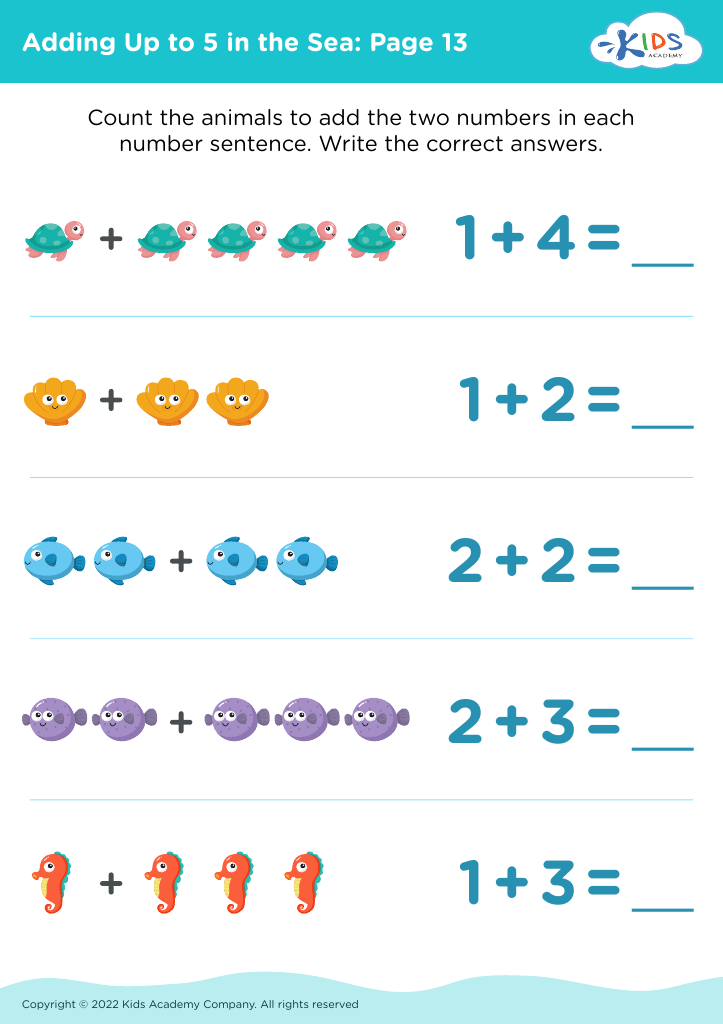
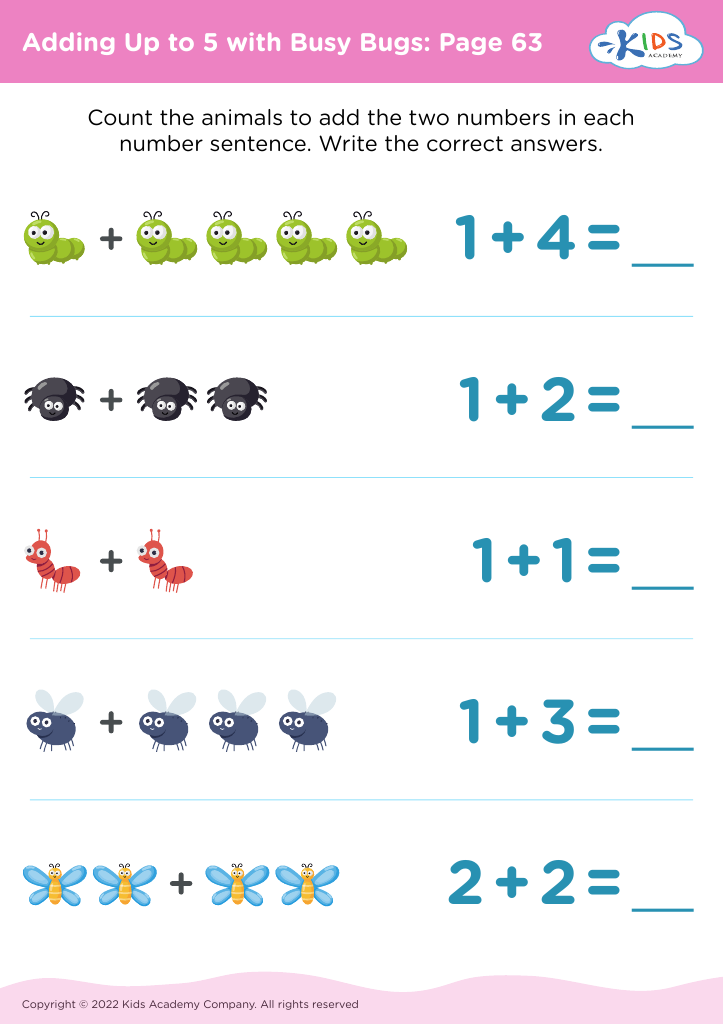
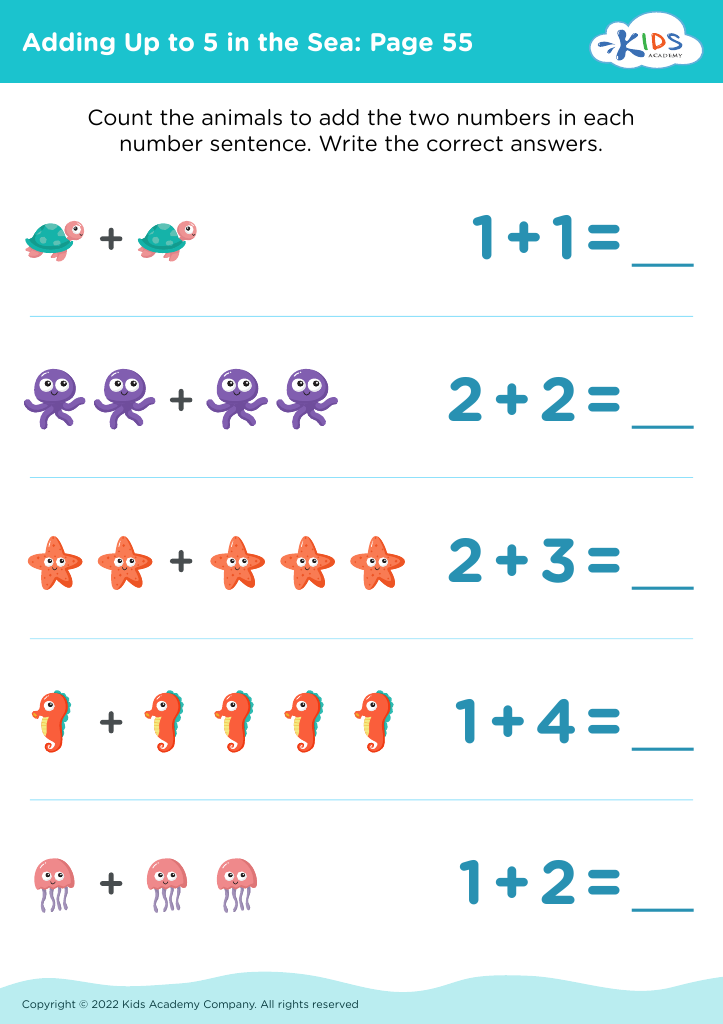
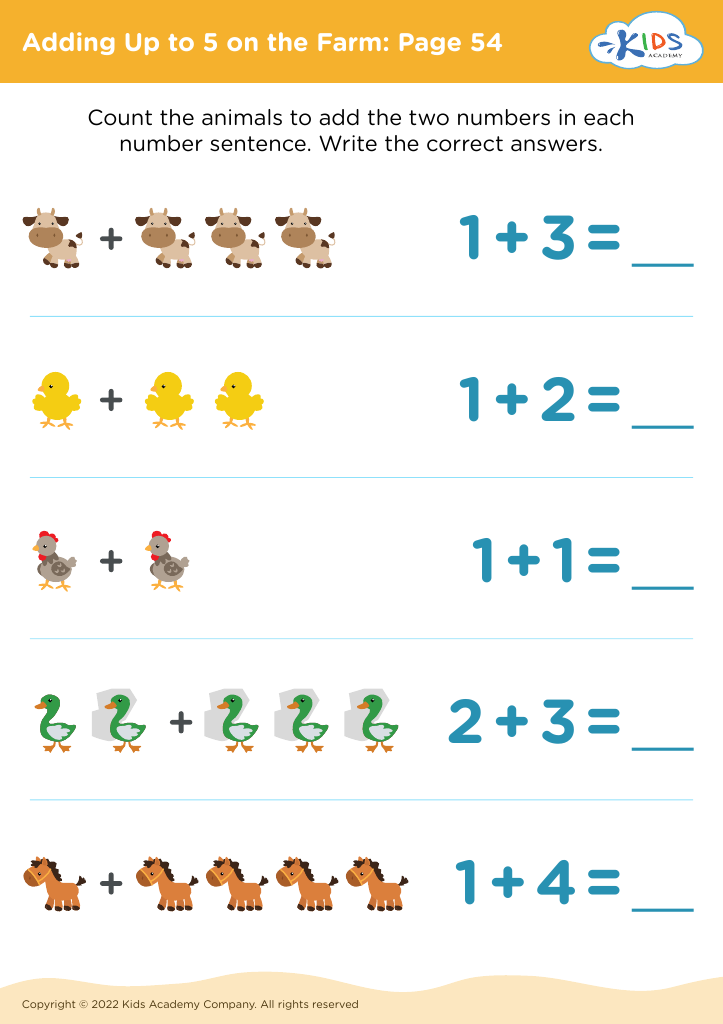
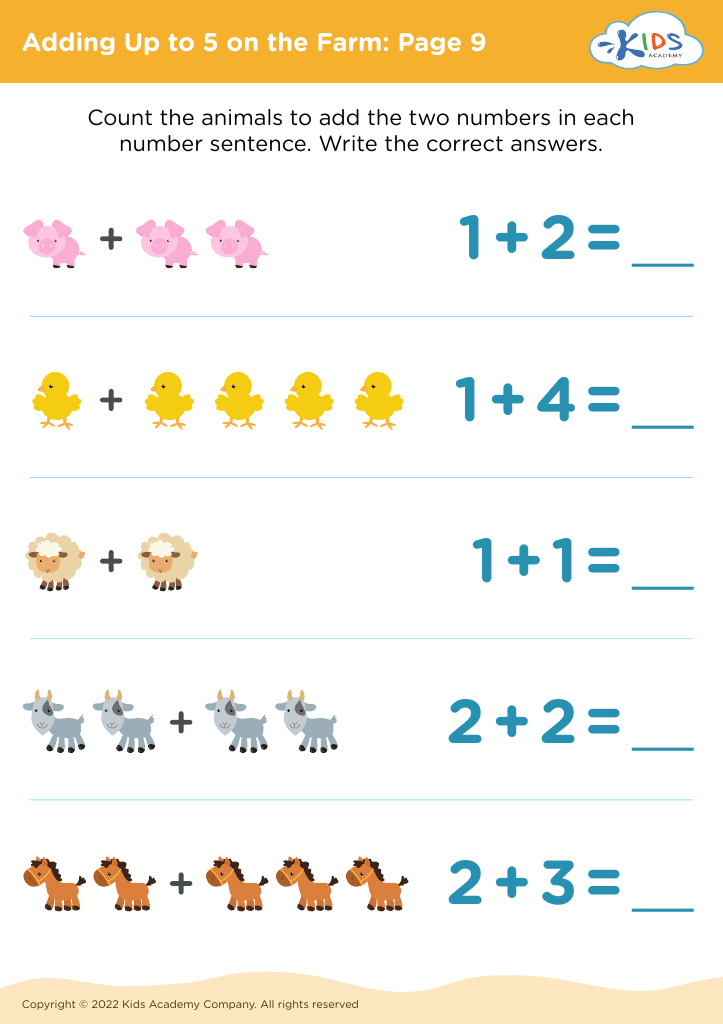
Welcome to our “Basic Addition Skills Worksheets for Ages 4-8” page! Here, you'll find engaging and educational worksheets designed specifically to help young learners master fundamental addition concepts. Our resources include colorful, interactive activities that capture children's attention while reinforcing their math skills. Tailored for children ages 4-8, these worksheets cover various topics, such as adding single-digit numbers and solving simple problems. Each worksheet is crafted to promote early math fluency, boost confidence, and make learning enjoyable. Perfect for parents and educators alike, these printable worksheets are a fantastic tool to assist children in building a strong foundation in mathematics.

Check out this FREE "Basic Addition Skills" Trial Lesson for age 4-8!

Unknown Parts (basic algebra) Addition

Favorites
With answer key
Interactive
  • 4-8
  • Basic Addition Skills
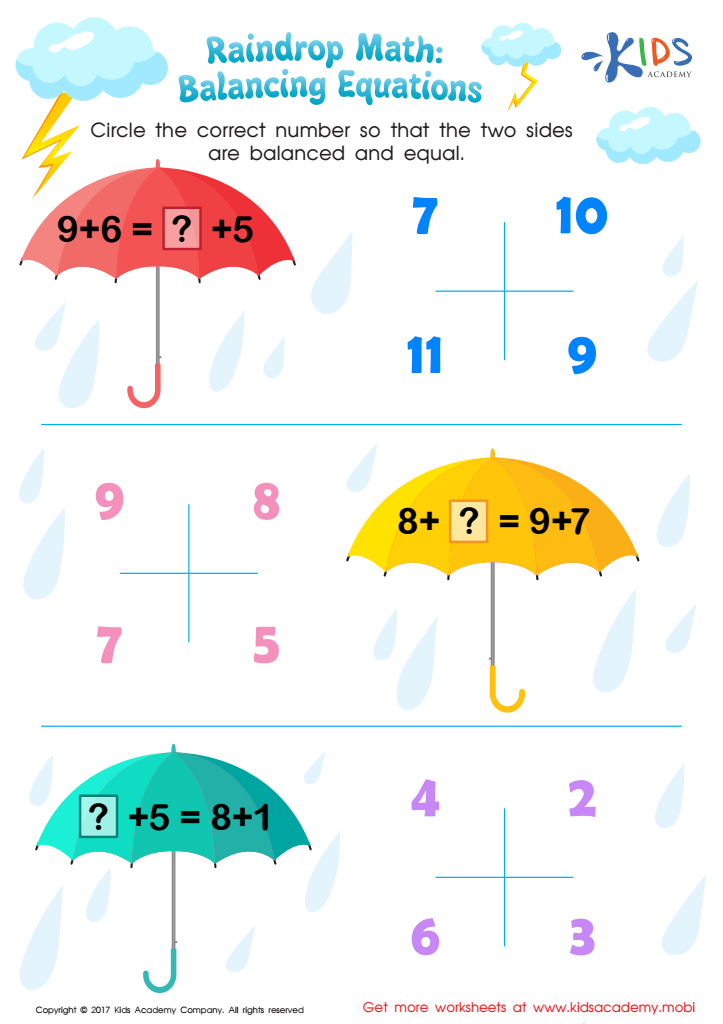
Balancing addition equations worksheet

Raindrop Math Printable

It will help them think deeper about equations, form a foundation for early algebraic thinking, and gain a better sense of numeracy. Plus, they get to practice simple addition skills.
Raindrop Math Printable
Worksheet
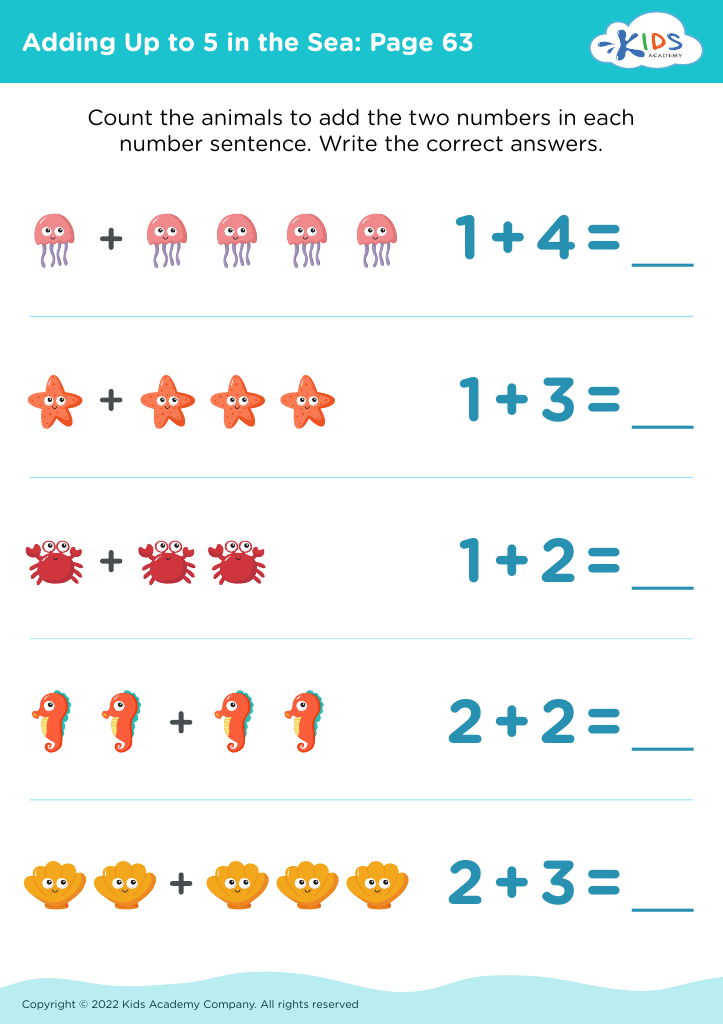
Adding Up to 5 in the Sea: Page 63
Worksheet
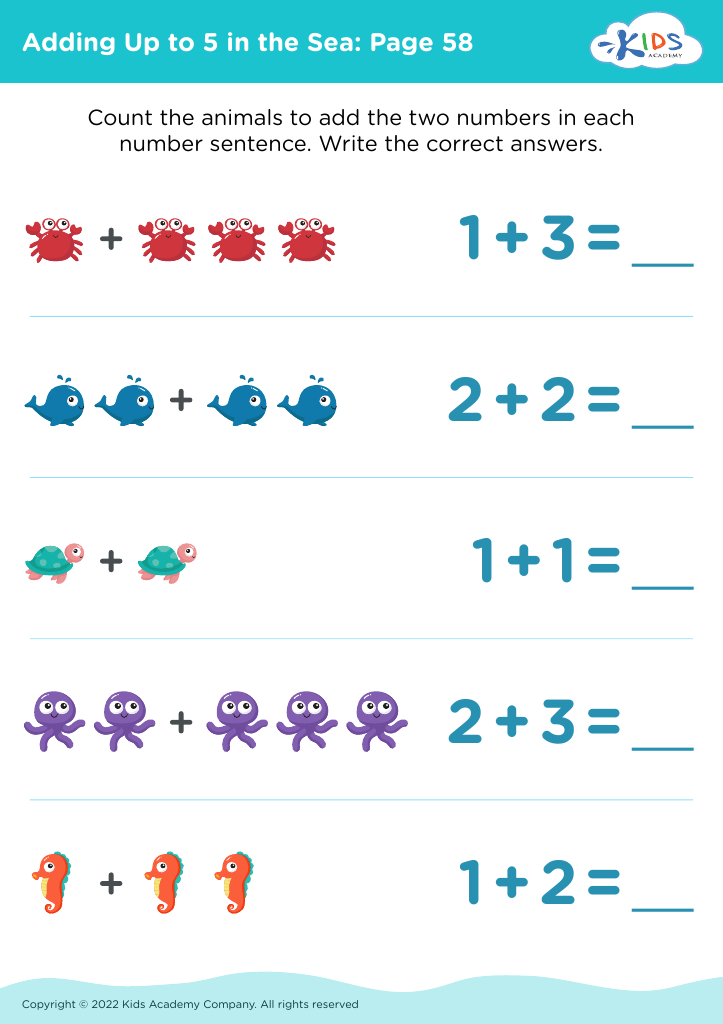
Adding Up to 5 in the Sea: Page 58
Worksheet
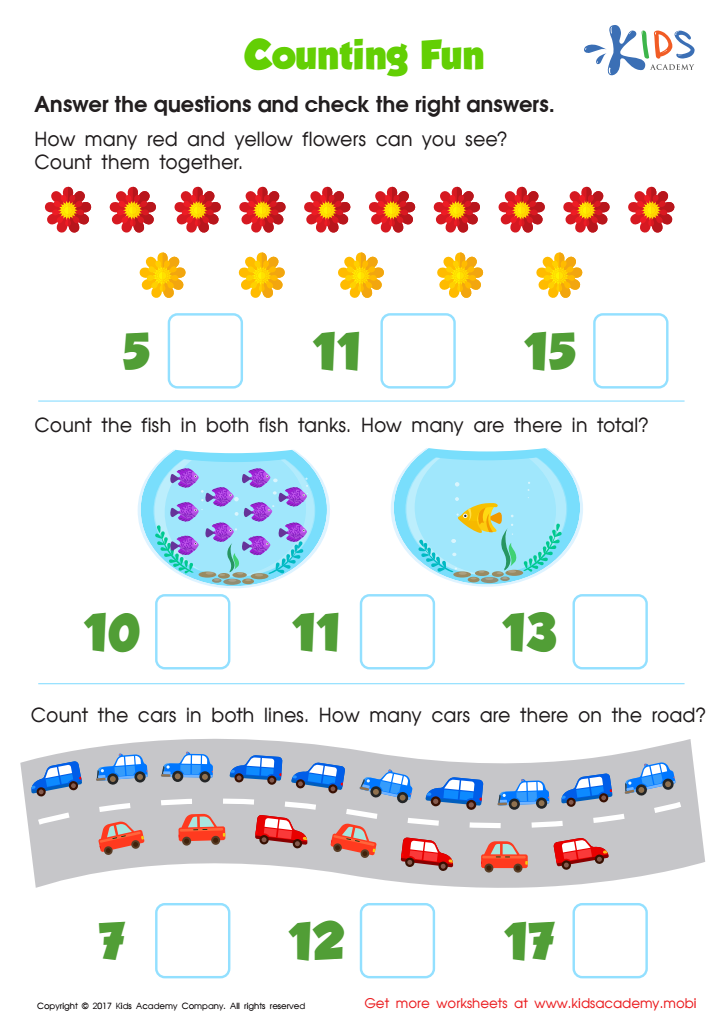
Counting Fun Worksheet

Counting Fun Worksheet

Math and fun can go hand-in-hand with this free PDF worksheet! Bright, colourful illustrations will activate your child's brain, as they count the red and yellow flowers. How many can you see? Count together and write down the total. Make learning and counting fun for your little ones!
Counting Fun Worksheet
Worksheet
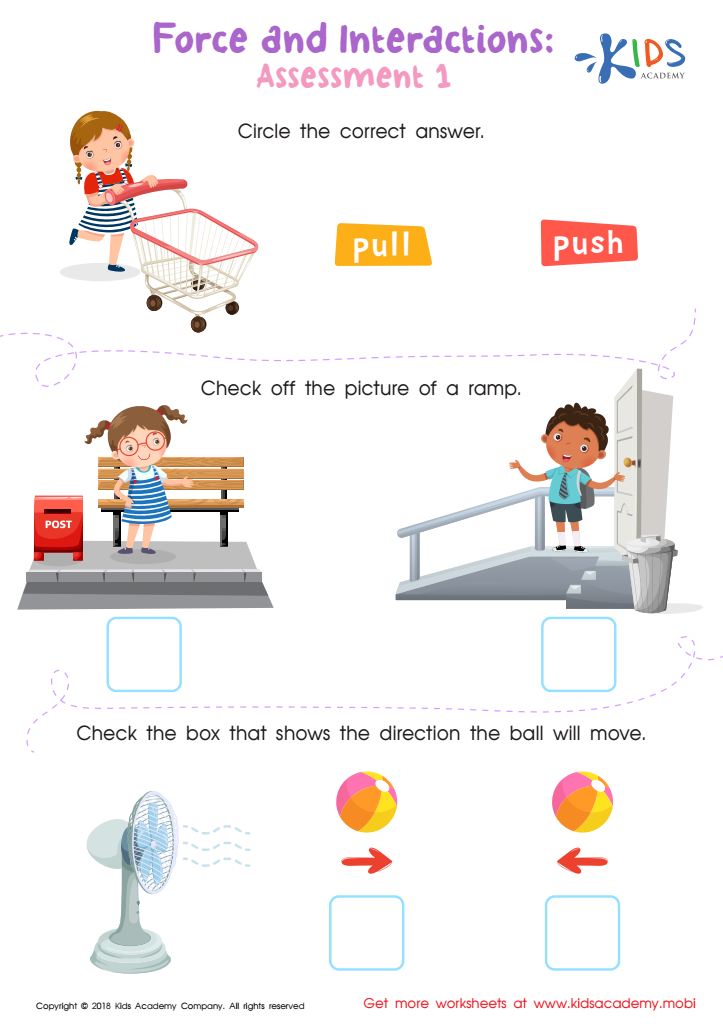
Force and Interactions: Assessment 1 Worksheet
Force and Interactions: Assessment 1 Worksheet
Test your students' knowledge of pushing, pulling, ramps and wind with this worksheet. The first task requires them to identify push or pull pictures. The second asks them to identify a ramp and the third to explain which direction a ball will move when exposed to wind.
Force and Interactions: Assessment 1 Worksheet
Worksheet
Adding Up to 5 in the Forest: Page 58
Worksheet
Adding Up to 5 in the Forest: Page 73
Worksheet
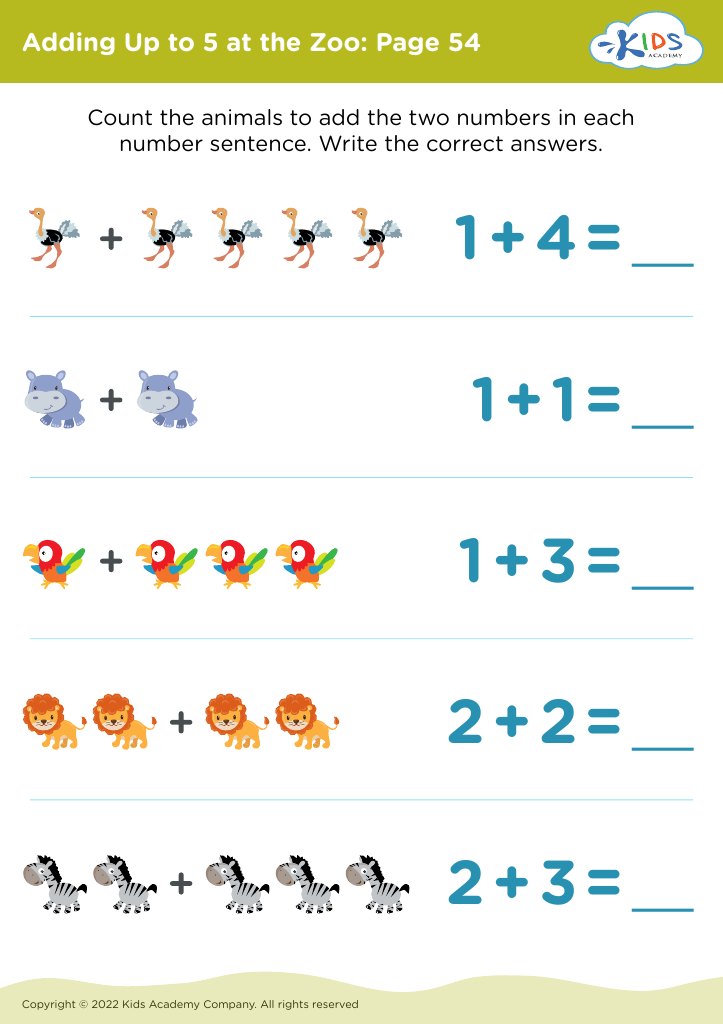
Adding Up to 5 at the Zoo: Page 54
Worksheet
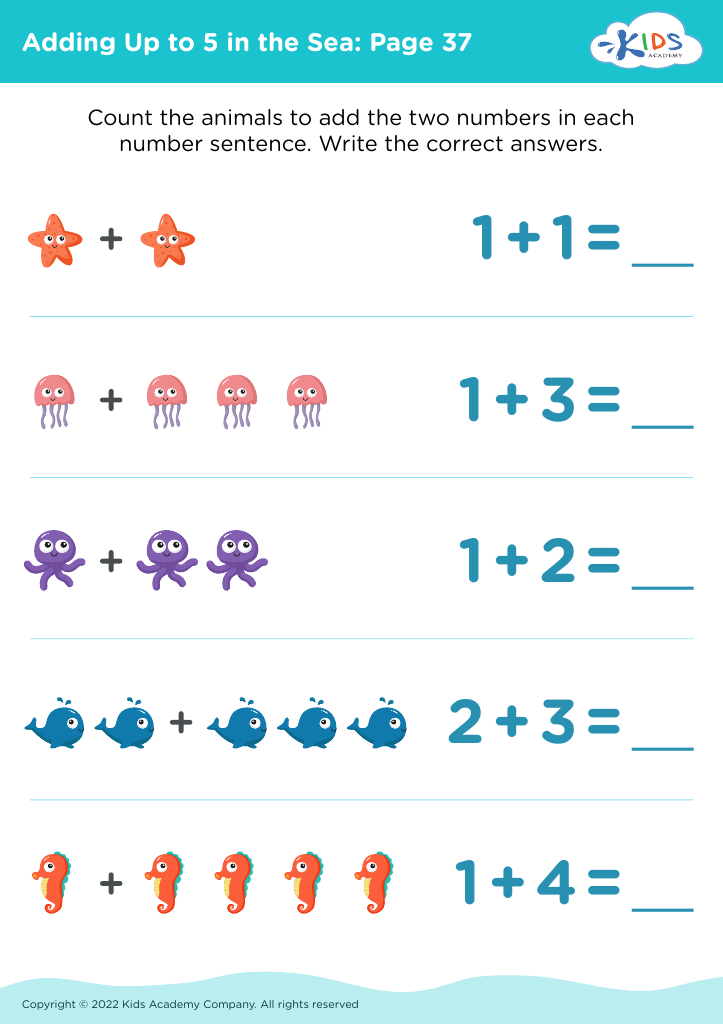
Adding Up to 5 in the Sea: Page 37
Worksheet
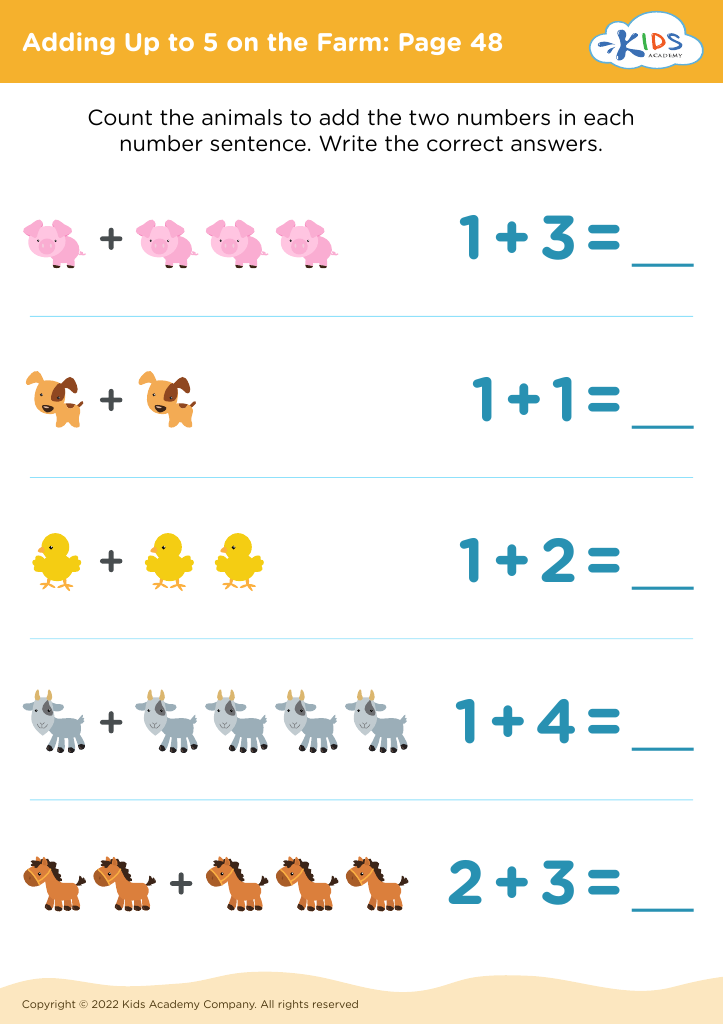
Adding Up to 5 on the Farm: Page 48
Worksheet
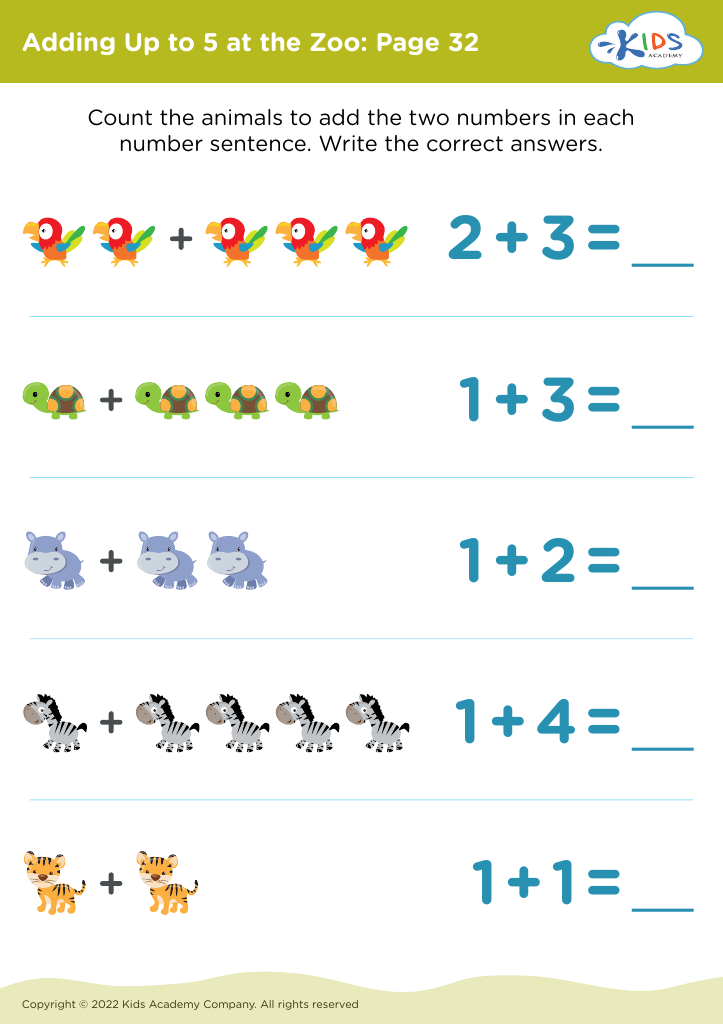
Adding Up to 5 at the Zoo: Page 32
Worksheet
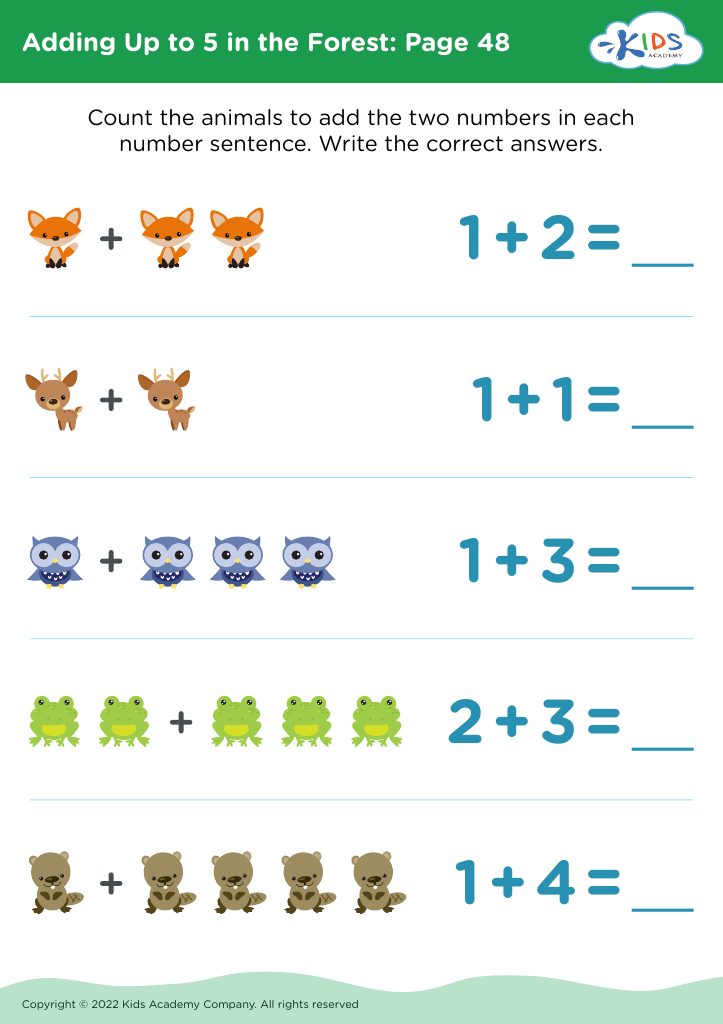
Adding Up to 5 in the Forest: Page 48
Worksheet
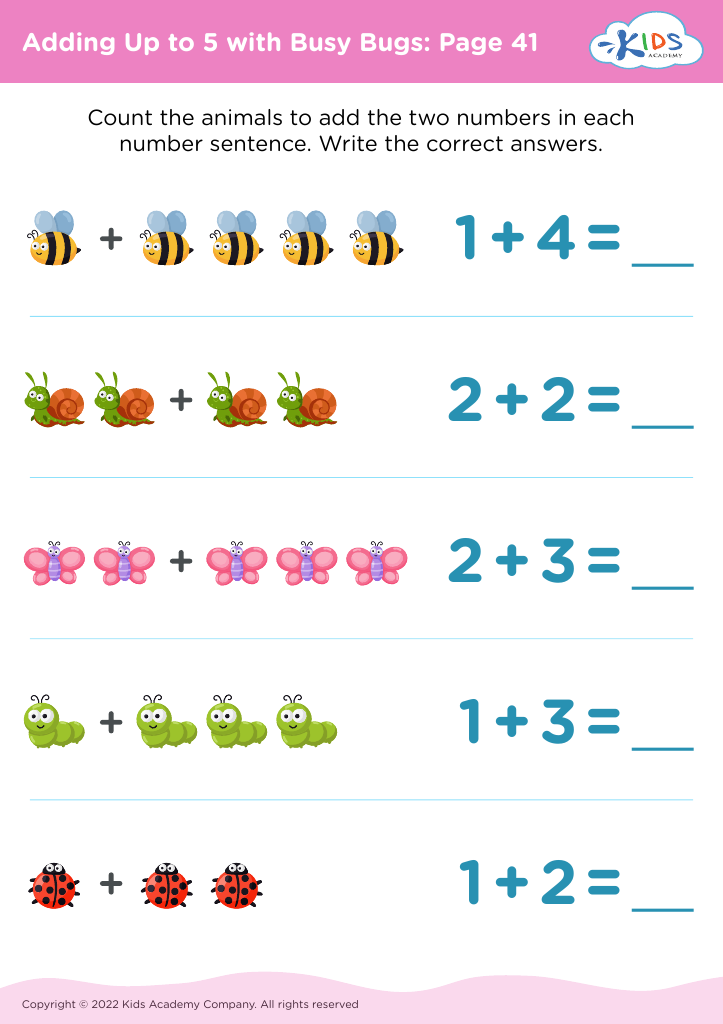
Adding Up to 5 with Busy Bugs: Page 41
Worksheet
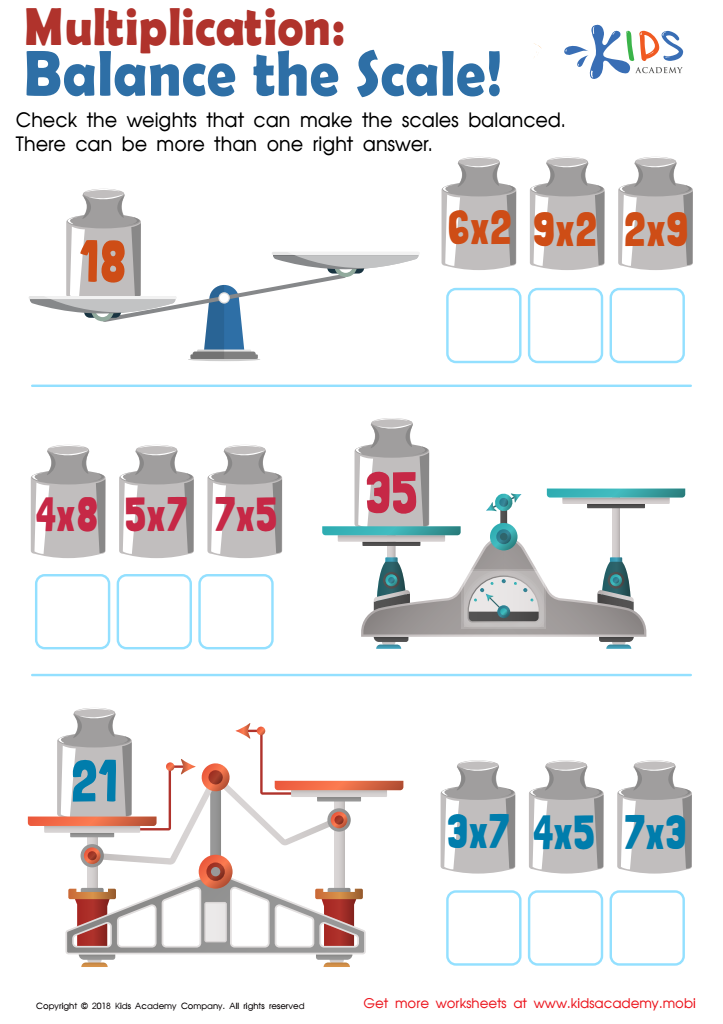
Balance the scales multiplication worksheet

Balance the Scales Multiplication Worksheet
Challenge your child to practice math with our 'Balance the Scales' multiplication worksheet! Get them to solve each multiplication problem and select the weights that make them equal. Hint: it might be more than one!
Balance the Scales Multiplication Worksheet
Worksheet
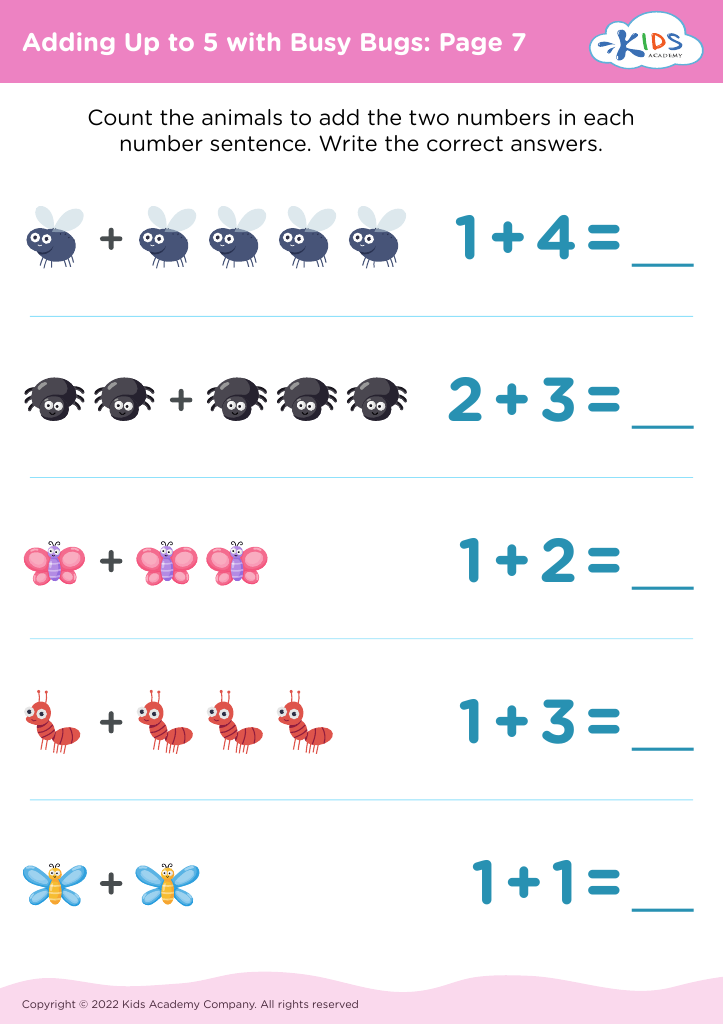
Adding Up to 5 with Busy Bugs: Page 7
Worksheet
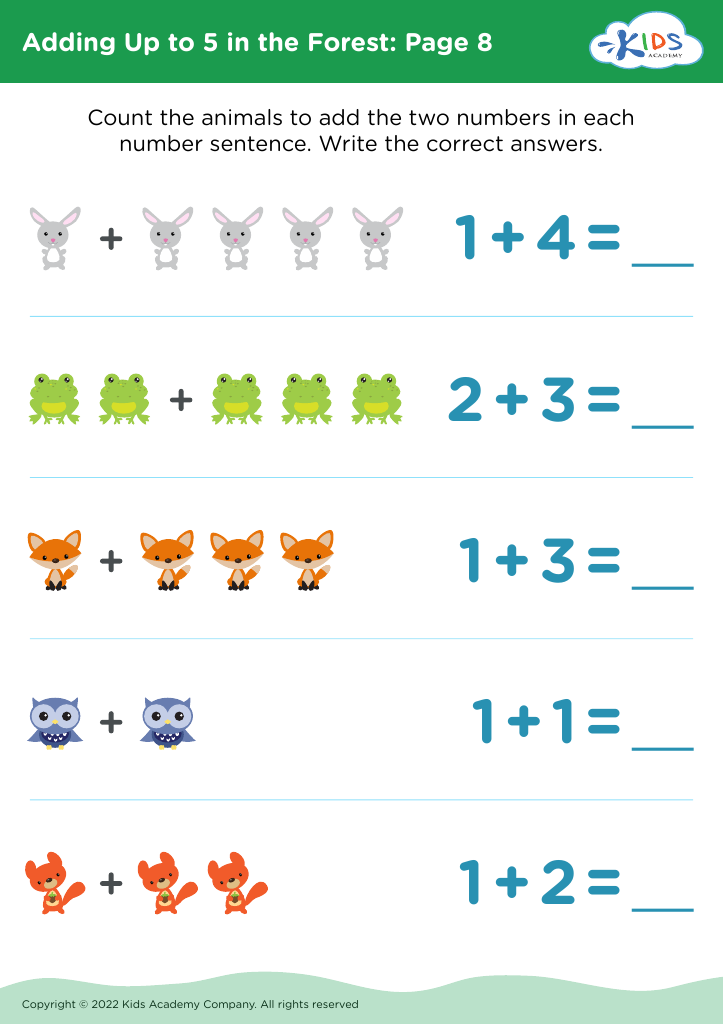
Adding Up to 5 in the Forest: Page 8
Worksheet
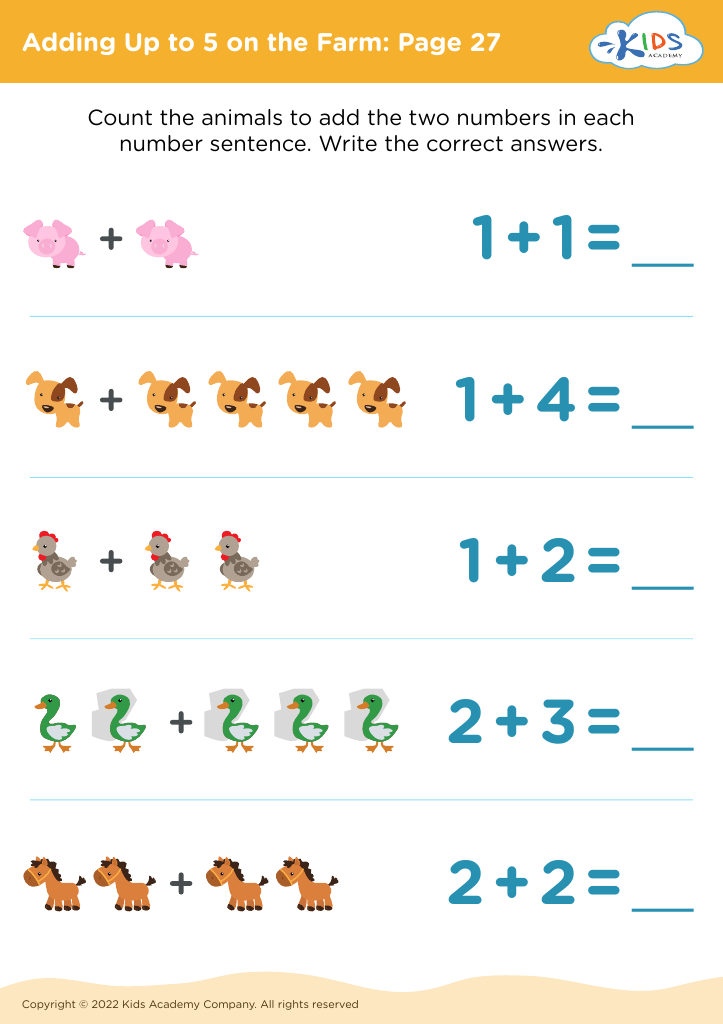
Adding Up to 5 on the Farm: Page 27
Worksheet
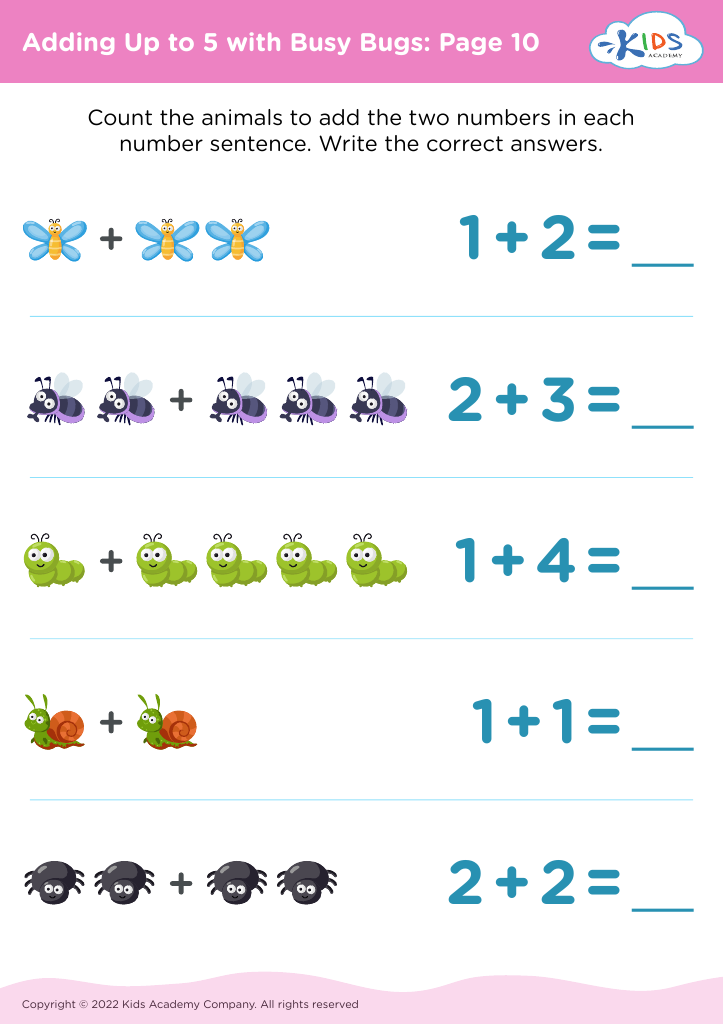
Adding Up to 5 with Busy Bugs: Page 10
Worksheet
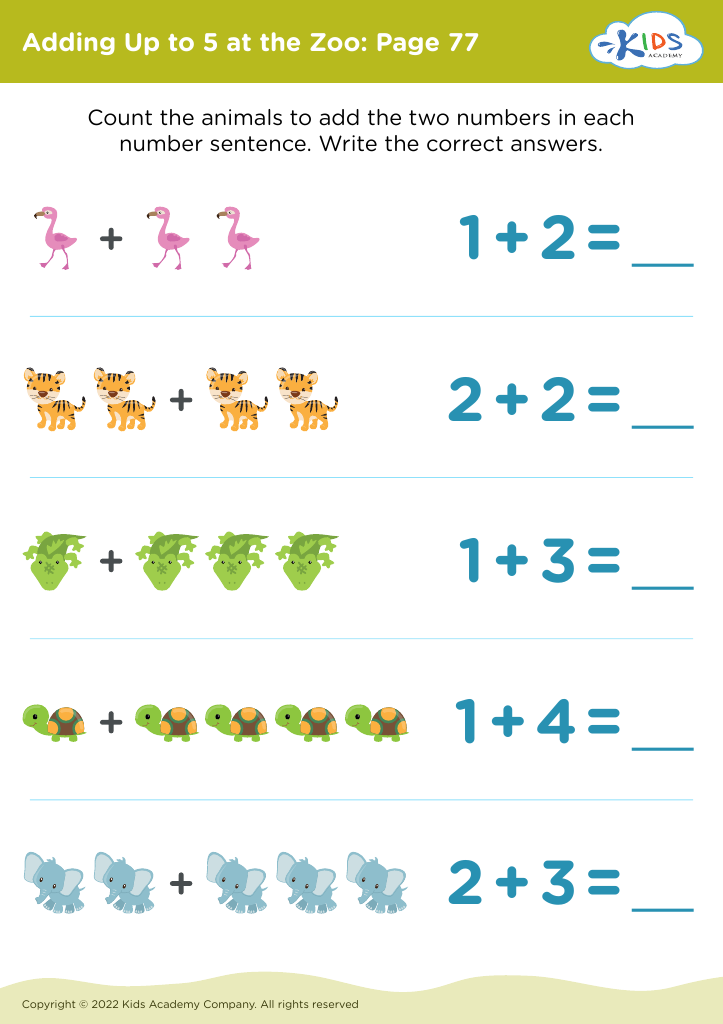
Adding Up to 5 at the Zoo: Page 77
Worksheet
Adding Up to 5 in the Sea: Page 13
Worksheet
Adding Up to 5 with Busy Bugs: Page 63
Worksheet
Adding Up to 5 in the Sea: Page 55
Worksheet
Adding Up to 5 on the Farm: Page 54
Worksheet
Adding Up to 5 on the Farm: Page 9
Worksheet


Basic addition skills are foundational to a child's overall mathematical development and critical for their future academic success. For children aged 4-8, mastering addition is not just about numbers; it builds the confidence and cognitive skills necessary for more complex concepts later on. Early math skills are linked to numerous educational outcomes, including problem-solving abilities and logical reasoning.

Parents and teachers play crucial roles in nurturing these skills. Engaging in addition activities helps children learn to group, compare, and quantify—essential skills that extend beyond math. Through fun games, interactive lessons, and everyday situations like cooking or shopping, adults can creating a positive association with math, reducing anxiety around the subject.

Additionally, adding supportive communication with children about their learning reinforces their understanding and retention. Encouraging curiosity about numbers sparks a lifelong interest in mathematics, making kids better prepared for more advanced topics.

Ultimately, focusing on basic addition skills equips children with the tools to navigate their daily lives while fostering a love for learning that will benefit them in all subjects. Teachers and parents should invest effort into nurturing these early skills to ensure children face future challenges with resilience and a solid foundation.