Cognitive skill development Worksheets for Ages 4-8
6 filtered results
-
From - To
Discover fun and engaging Cognitive Skill Development Worksheets for ages 4-8 at Kids Academy! Our expertly designed printable activities boost essential thinking abilities through colorful and playful exercises. Each worksheet targets key cognitive skills such as memory, logic, attention, and problem-solving to stimulate young minds and encourage learning with joy. Perfect for parents and teachers alike, our resources cater to preschool and elementary-age children, providing a strong foundation for future academic success. Transform everyday learning into an exciting adventure with our diverse collection of age-appropriate activities. Visit Kids Academy and start exploring today!
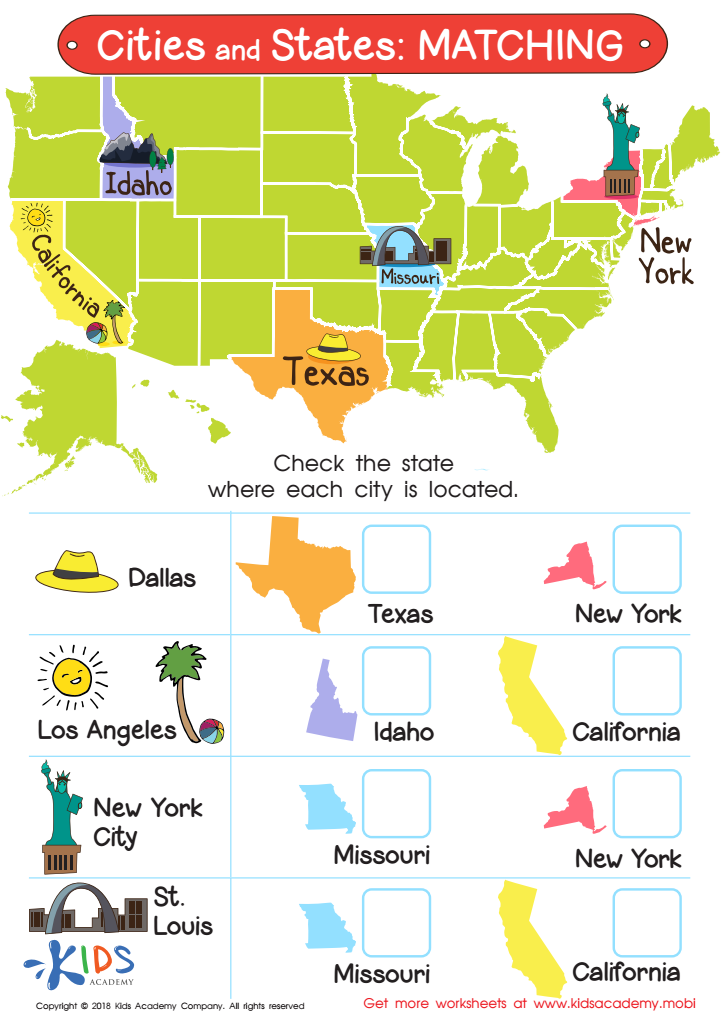
Cities and States: Matching Worksheet
 Assign to My Students
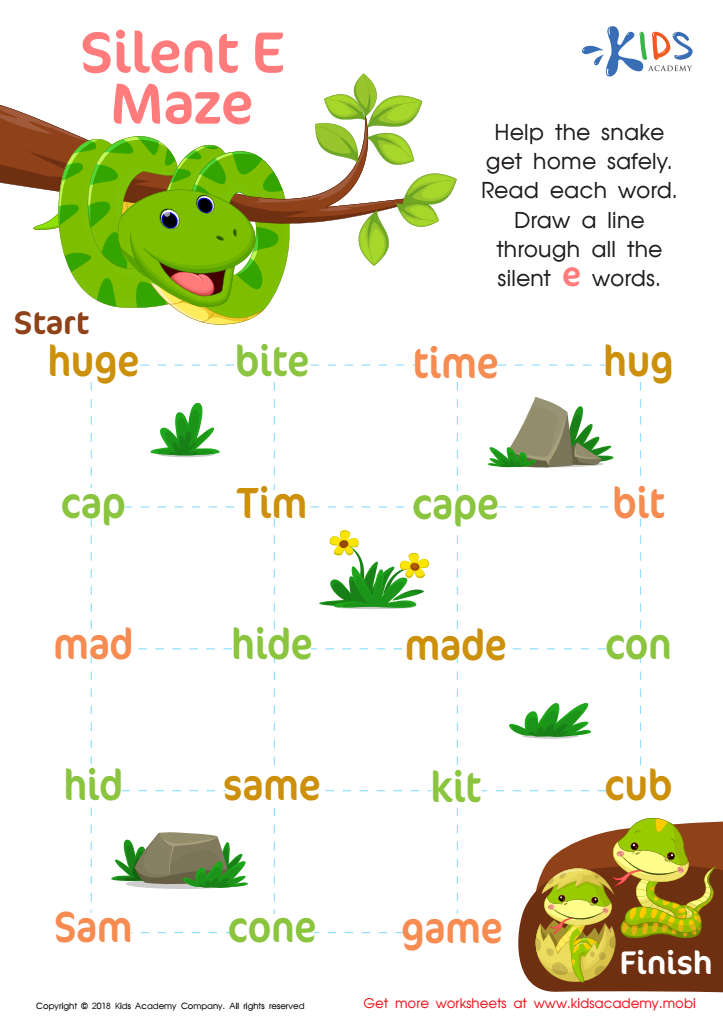
Silent E Maze Worksheet
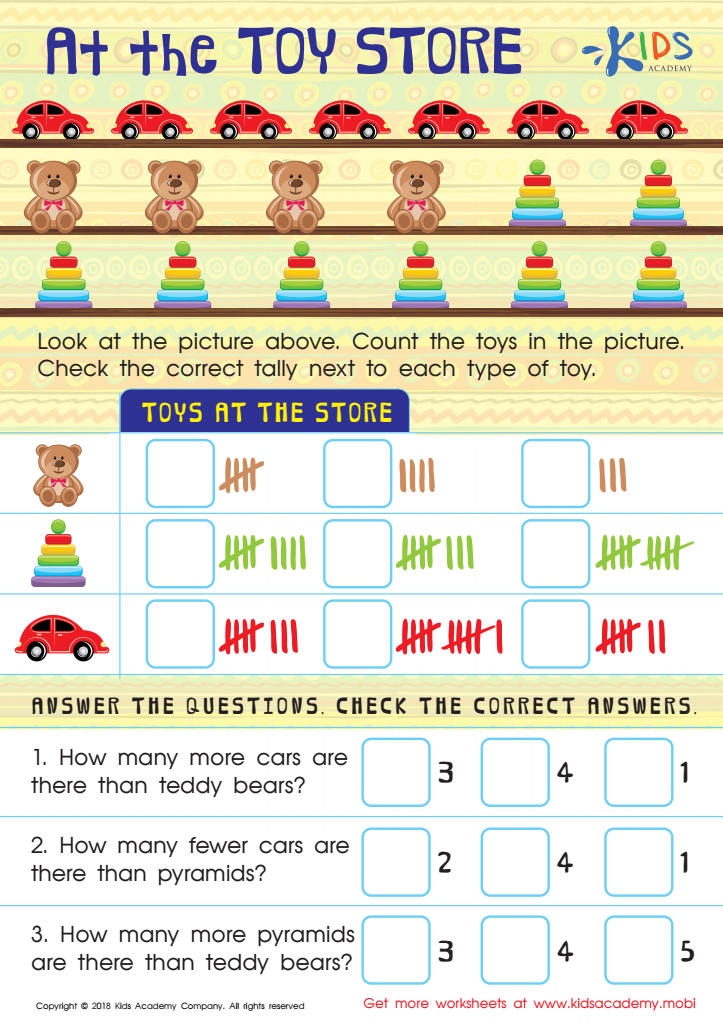
Tally Chart: At the Toy Store Worksheet
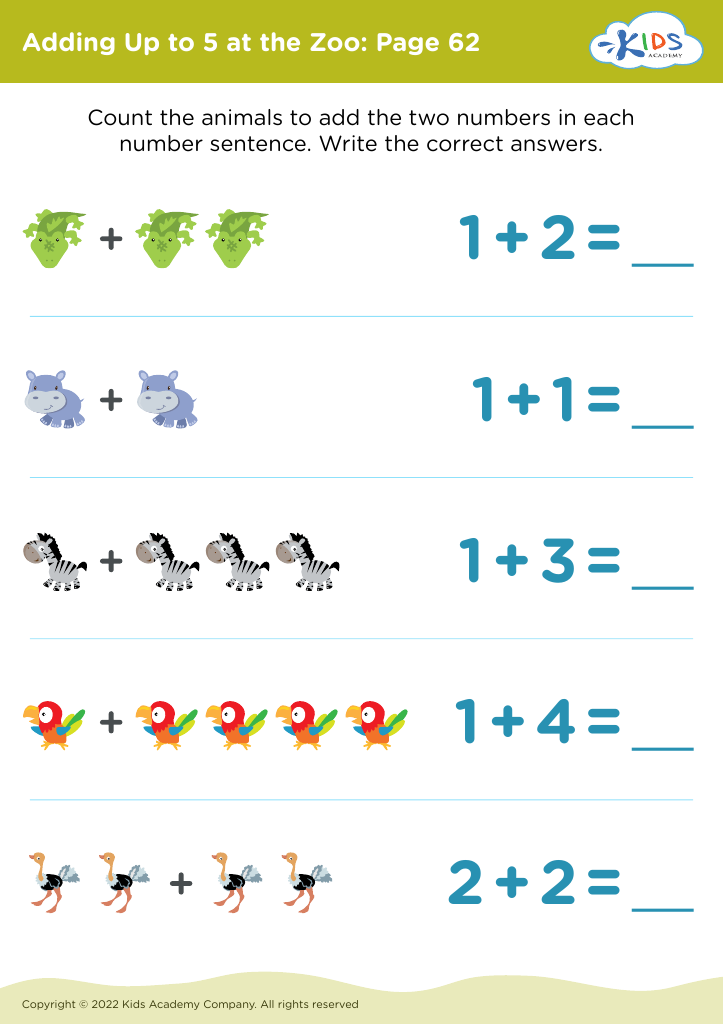
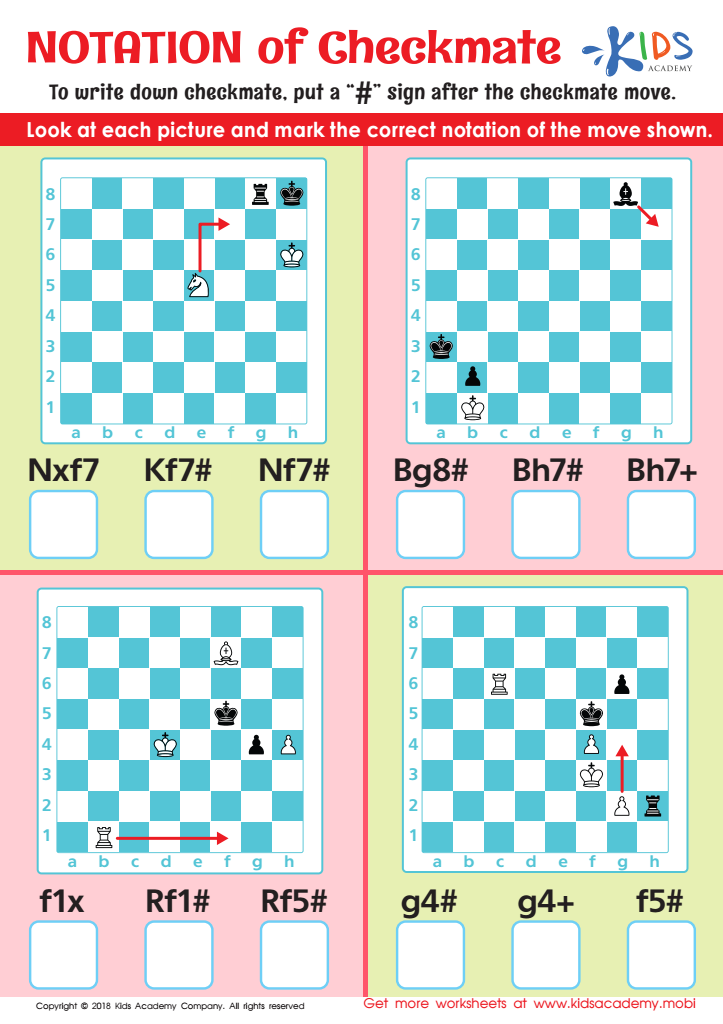
Notation of Checkmate Worksheet








Cognitive skill development in children aged 4-8 is a critical foundation for lifelong learning, problem-solving, and personal growth. During this period, children's brains are exceptionally receptive to new information and experiences, making it a prime time to nurture key cognitive skills such as memory, attention, language, and reasoning.
Fostering these skills supports academic success, as strong cognitive abilities are directly linked to improved reading, writing, and math performance. Crucially, cognitive development lays the groundwork for critical thinking and decision-making in both academic and social situations. For instance, honing attention skills helps children concentrate better in class, while enhancing memory aids in the retention of new concepts.
Furthermore, cognitive skills contribute to emotional and social development. When children can effectively process information and solve problems, they experience greater self-confidence and resilience. They are also better equipped to understand and interact with others, leading to healthier relationships.
Parents and teachers play pivotal roles in this developmental phase by providing stimulating environments that challenge and engage children's minds. Activities such as puzzles, storytelling, and interactive play can enhance cognitive growth. By prioritizing cognitive skill development, we set children on a path toward academic achievement, emotional well-being, and a lifetime of curiosity and learning.








