Our "Comparing Numbers Worksheets for Ages 4-8" are designed to make learning fun and engaging for young learners. These worksheets help children master key math skills, from counting and comparing quantities to understanding greater than, less than, and equal to concepts. With colorful illustrations and relatable scenarios, kids will enjoy practicing their numerical skills while gaining confidence in their math abilities. Perfect for classroom use or at-home practice, these worksheets adapt to different learning styles, ensuring that every child can succeed. Explore our range of printable sheets today to support early math proficiency in a playful and effective manner!

Check out this FREE "Comparing numbers" Trial Lesson for age 4-8!

Comparing Numbers based on Place Value #2

Favorites
With answer key
Interactive
  • 4-8
  • Comparing numbers
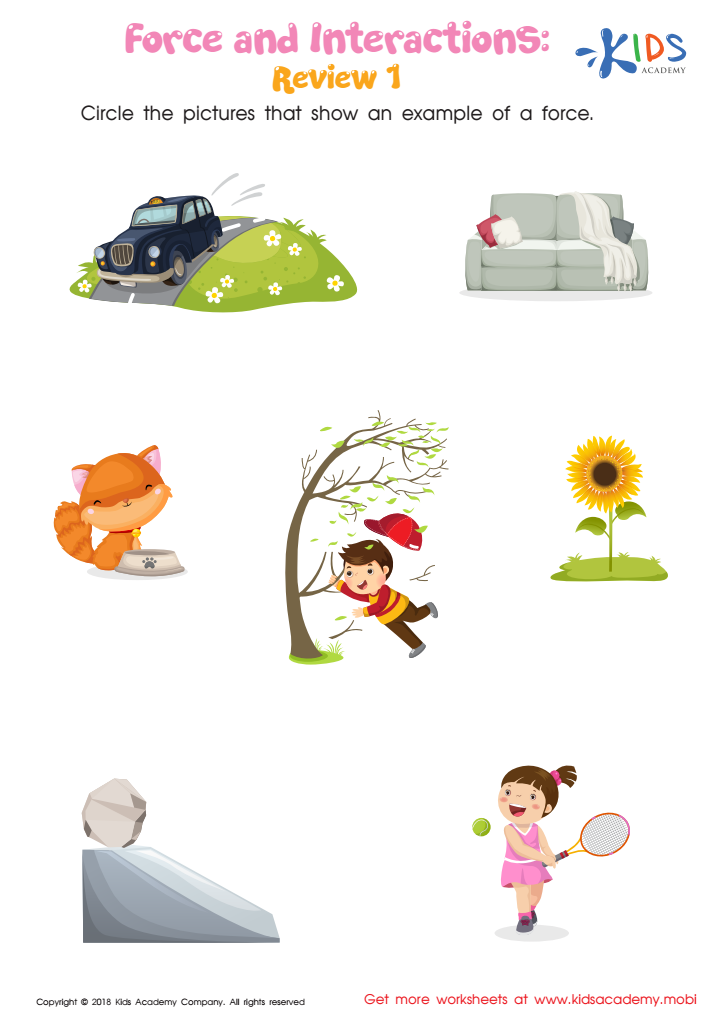
Force and Interactions: Review 1 Worksheet

Force and Interactions: Review 1 Worksheet

See how well your child can identify the different forces. Explain to your child that force is what causes objects to move, such as wind blowing a branch or an object going down a ramp. Ask them to circle images that show a force and assess how well they can identify them.
Force and Interactions: Review 1 Worksheet
Worksheet
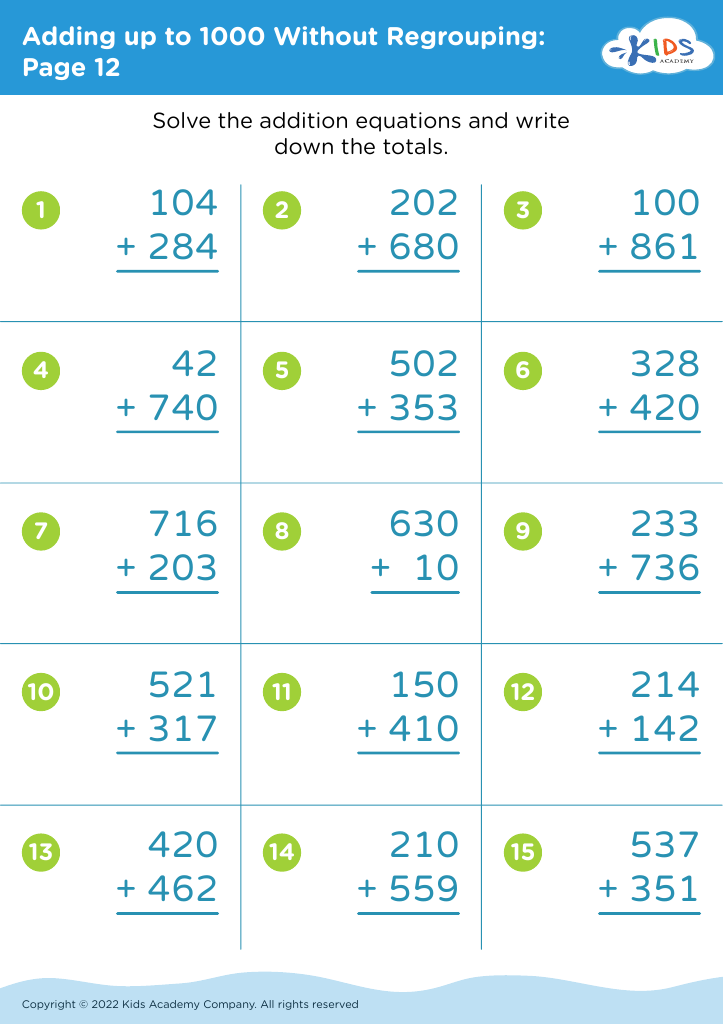
Adding up to 1000 Without Regrouping: Page 12
Worksheet
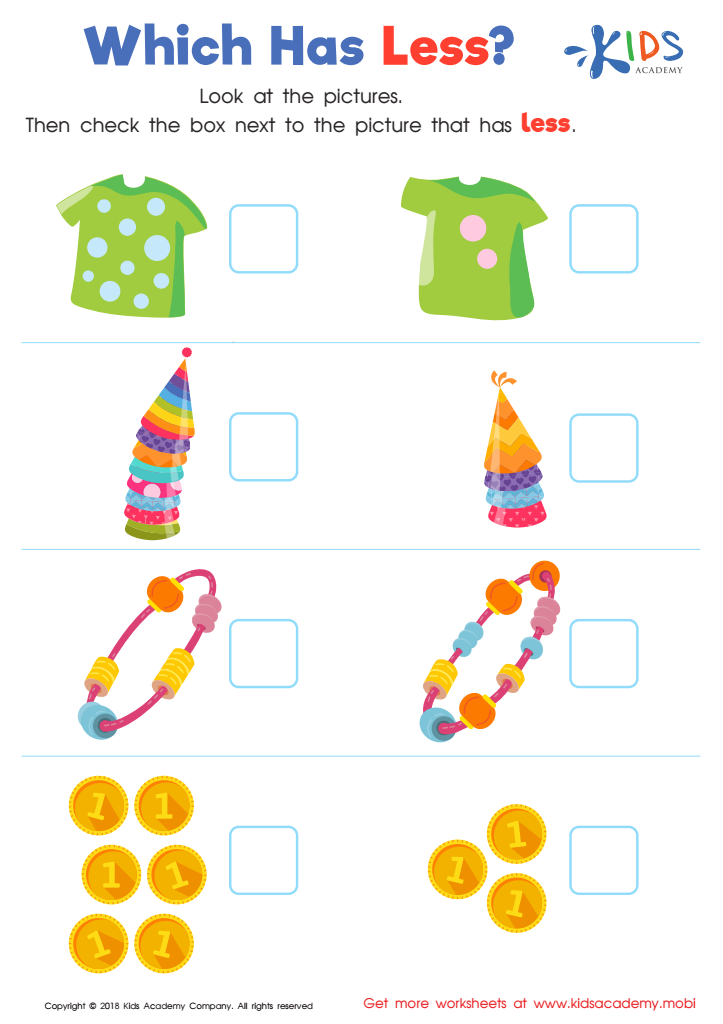
Which Has Less? Worksheet

Which Has Less? Worksheet

Kids can develop their number sense by comparing and contrasting objects to identify which has less. This worksheet helps them practice: it's bright and colorful, featuring familiar objects and pictures to count, strengthening basic counting skills. It's the perfect warm-up for comparing and contrasting larger numbers.
Which Has Less? Worksheet
Worksheet
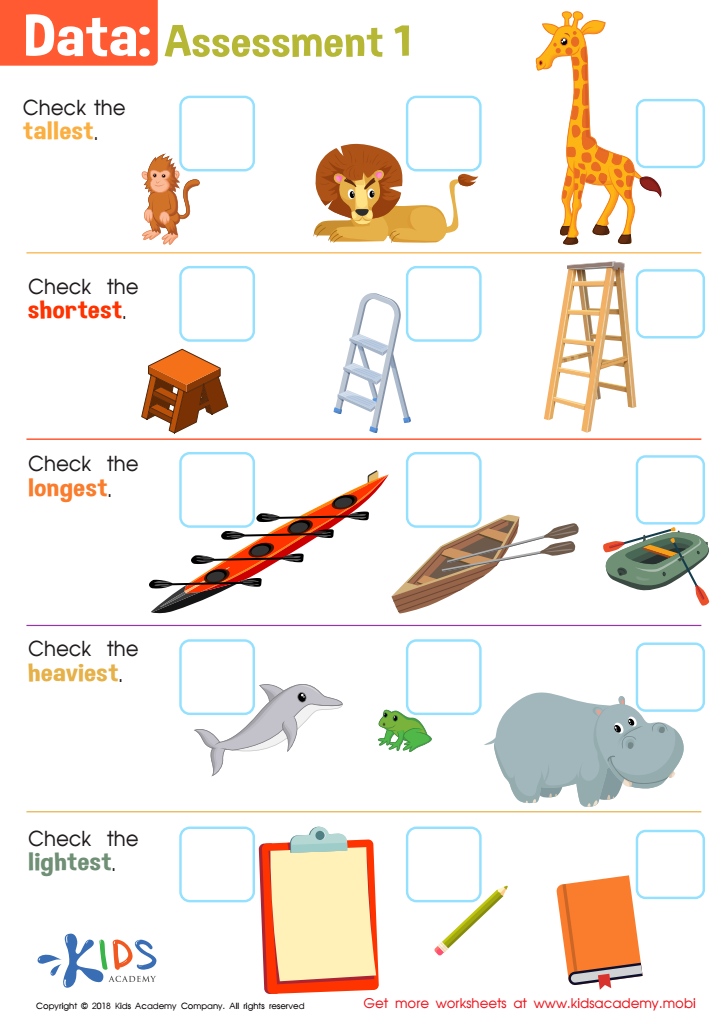
Data: Assessment 1 Worksheet

Data: Assessment 1 Worksheet

This free worksheet helps you assess where your young students are with measurement superlatives like tallest, shortest, heaviest, longest and lightest. It features cute, colorful pics of familiar objects so your kids have a reference, and helps you identify areas to work on.
Data: Assessment 1 Worksheet
Worksheet
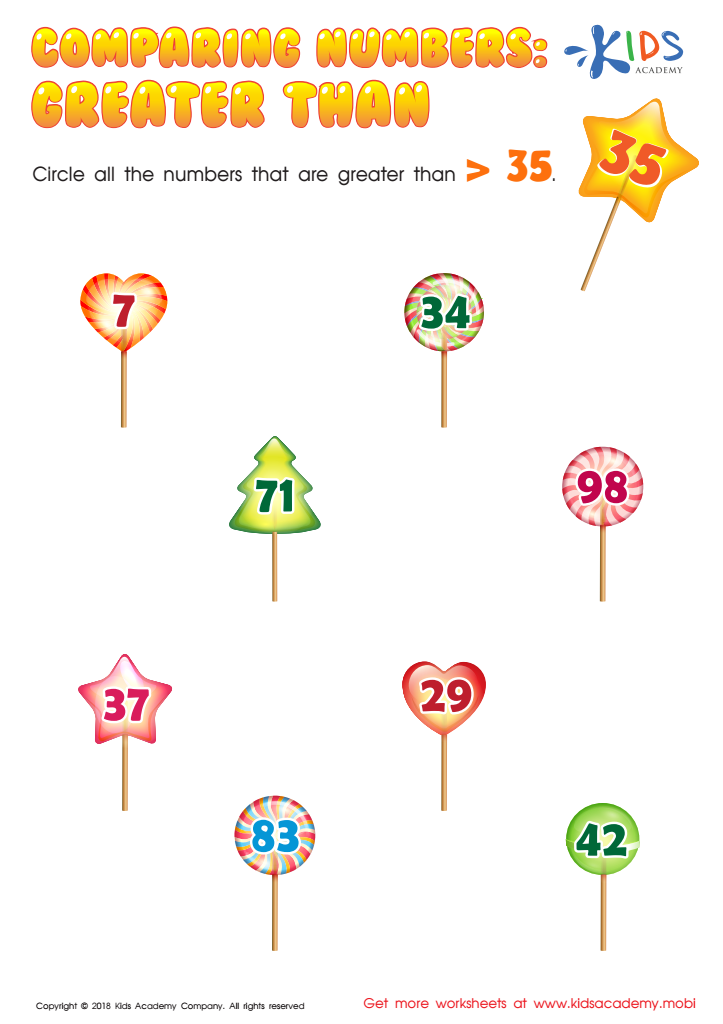
Greater Than Worksheet

Greater Than Worksheet

Tired of generic maths problems? Try this fun pdf worksheet! With your child or student, carefully look through the numbers in the balloon and circle those greater than 35. Enjoyable and educational!
Greater Than Worksheet
Worksheet
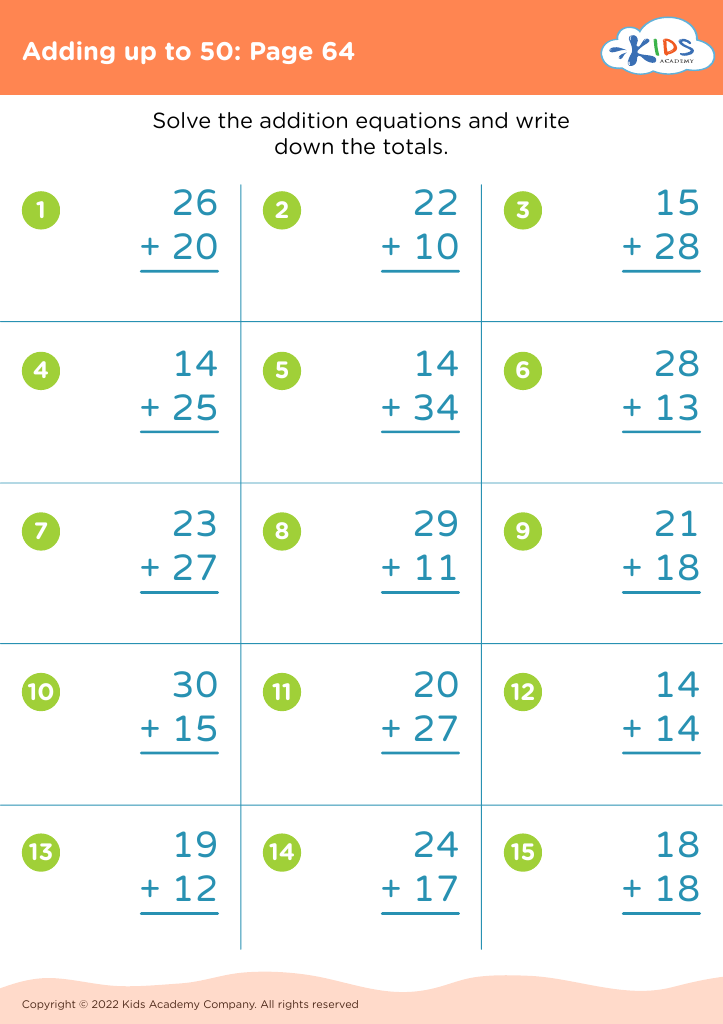
Adding up to 50: Page 64

Adding up to 50: Page 64

Adding up to 50: Page 64
Worksheet
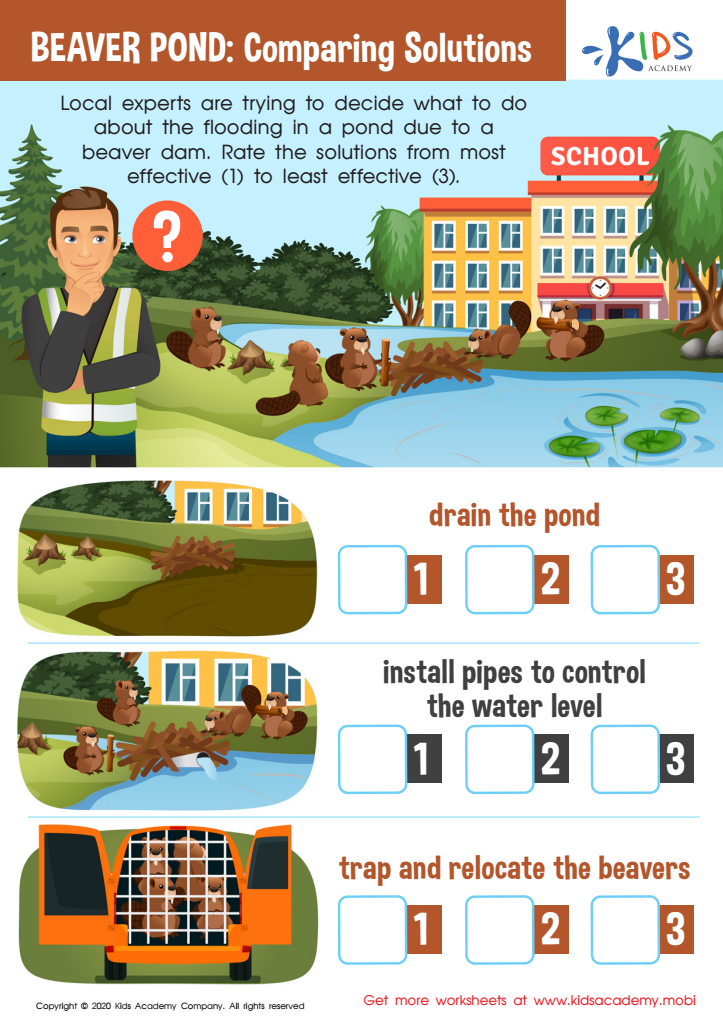
Beaver Pond: Comparing Solutions Worksheet

Beaver Pond: Comparing Solutions Worksheet

Got a problem? This science worksheet is great for helping your child compare solutions and pick the best one. Kids get to rate each option's effectiveness by ticking off boxes, from most to least. It's a great way to encourage problem-solving skills, while having fun!
Beaver Pond: Comparing Solutions Worksheet
Worksheet
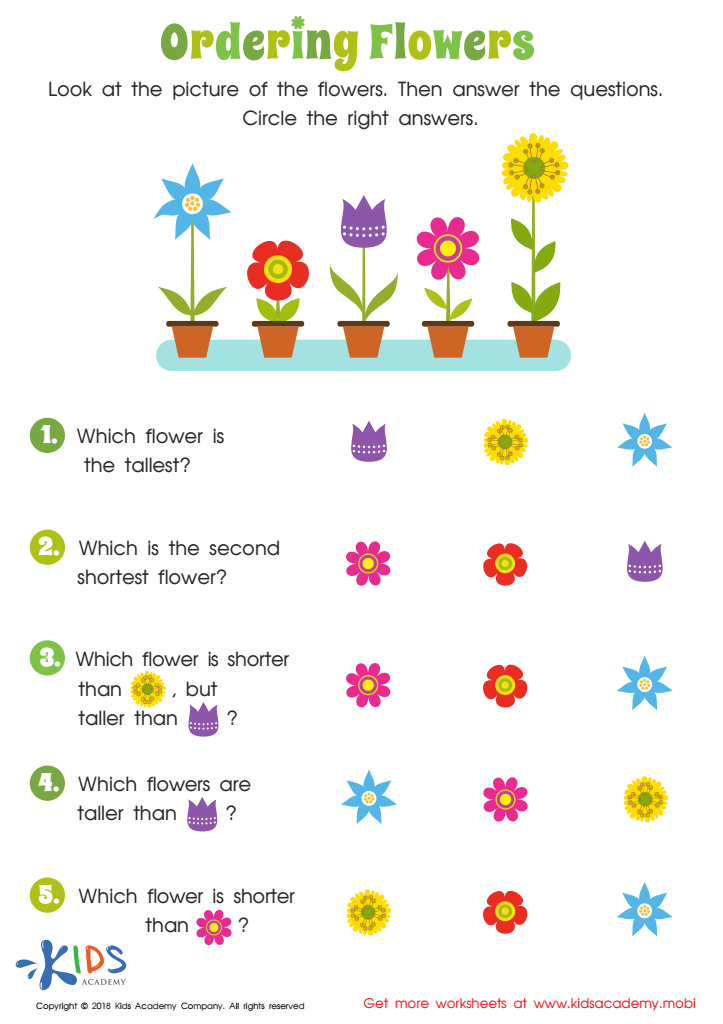
Ordering Flowers Worksheet
Ordering Flowers Worksheet
Preschoolers can start learning measurement with visuals! This worksheet uses colorful flowers of different heights. Ask your learner to observe the flowers, then help them compare/answer which is taller/shorter. It's an easy way for them to begin learning about measurement.
Ordering Flowers Worksheet
Worksheet
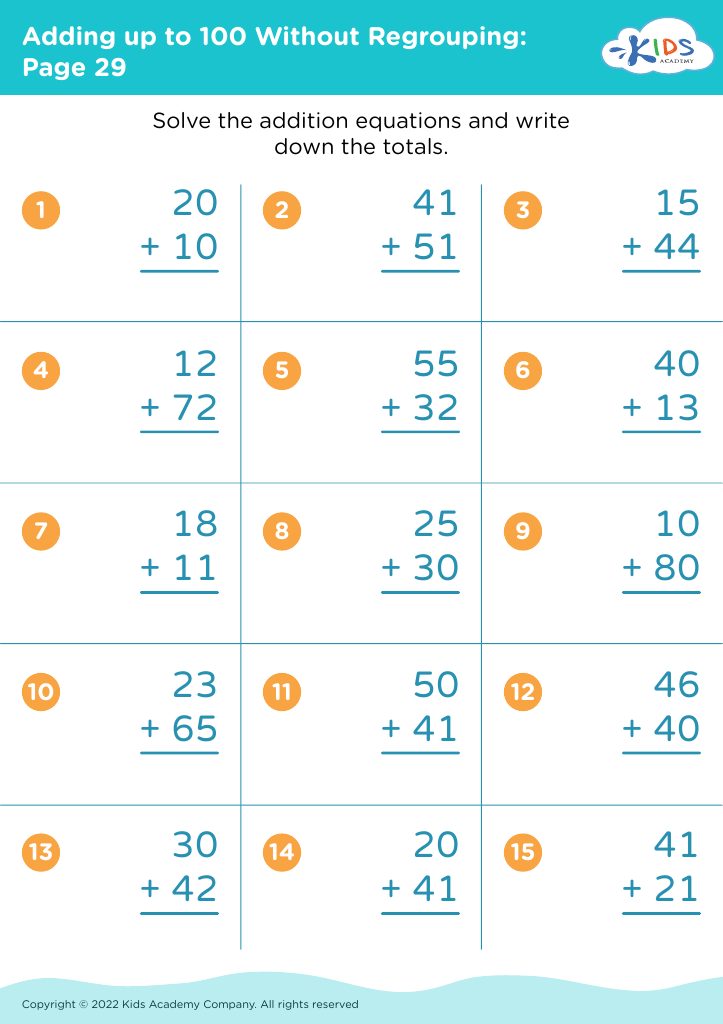
Adding up to 100 Without Regrouping: Page 29
Worksheet
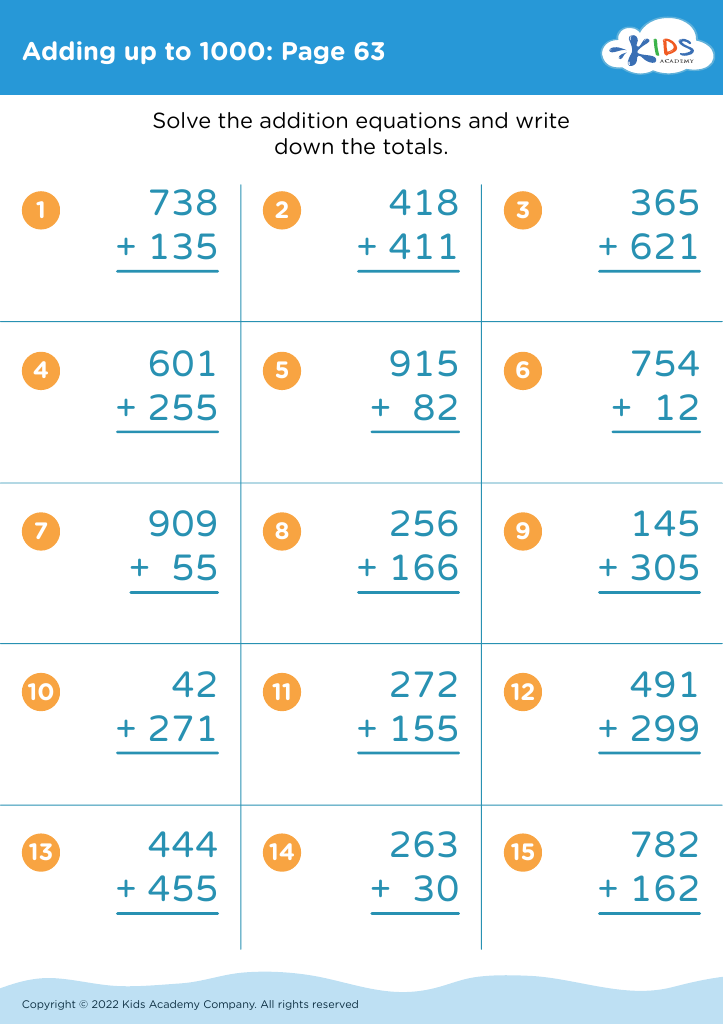
Adding up to 1000: Page 63

Adding up to 1000: Page 63

Adding up to 1000: Page 63
Worksheet
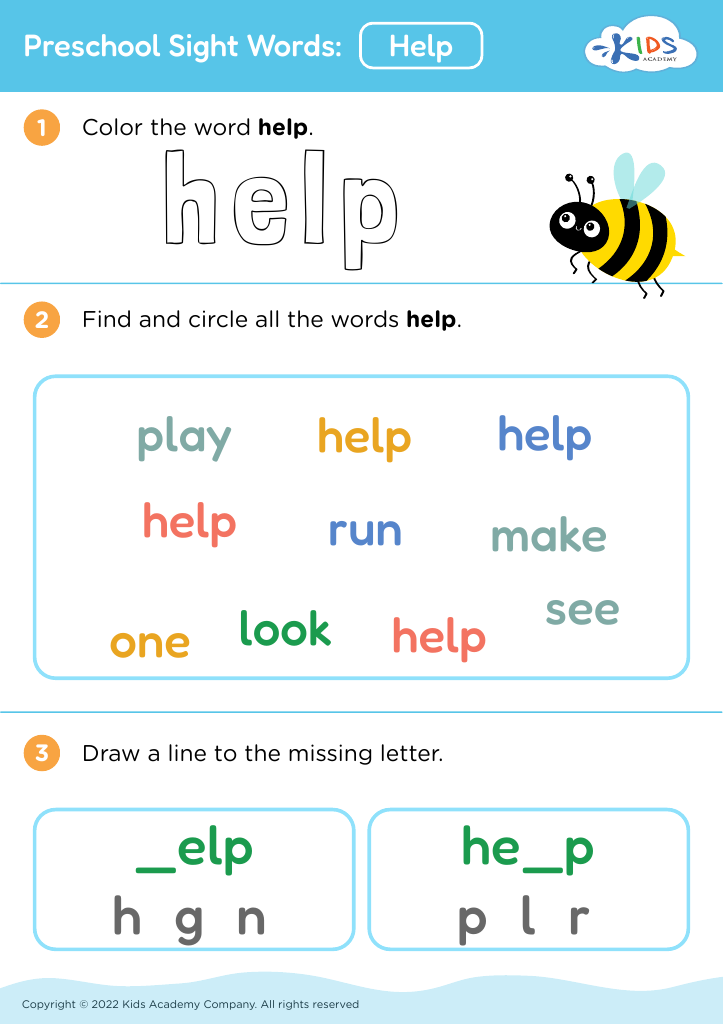
Preschool Sight Words: Help

Preschool Sight Words: Help

Preschool Sight Words: Help
Worksheet
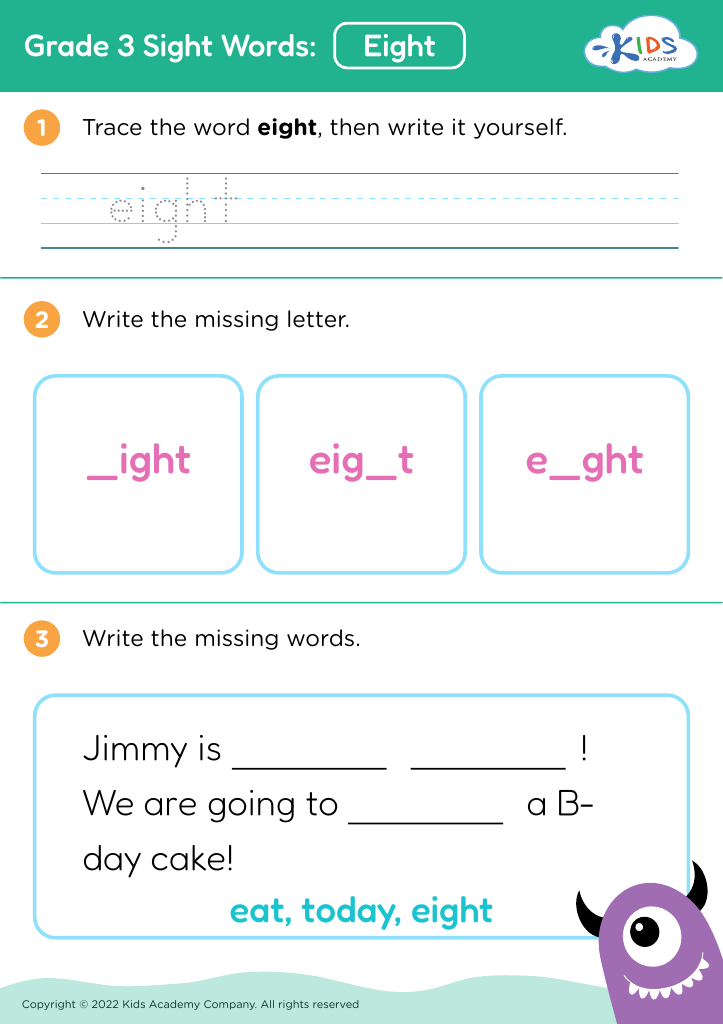
Grade 3 Sight Words: Eight

Grade 3 Sight Words: Eight

Grade 3 Sight Words: Eight
Worksheet


Introducing the concept of comparing numbers to children aged 4-8 is fundamental in fostering their early mathematical development. At this age, children are beginning to navigate the world of numbers, and understanding how to compare them lays the groundwork for more complex arithmetic skills.

First, comparing numbers helps young learners develop number sense, the intuitive understanding of numbers and their relationships. Number sense is crucial for everyday tasks such as measuring, using money, and later on, tackling higher-level math concepts. For example, recognizing that 7 is more than 5 provides a concrete understanding that can be applied to real-world scenarios like counting objects or making decisions based on quantity.

Second, the process of comparing nurtures critical thinking and problem-solving skills. When children compare numbers, they must think analytically, decide on criteria (greater than, less than), and make conclusions based on those criteria. This boosts cognitive development and prepares them for more advanced concepts in both mathematics and other subjects that require logical reasoning.

Lastly, mastering number comparison skills at an early age builds confidence. When children efficiently compare numbers, they experience success in math activities, enhancing their enthusiasm and motivation to engage with new and challenging material. This positive attitude towards math in early years often leads to better academic performance in the future.

In conclusion, teaching number comparison to children ages 4-8 is not just about learning mathematics; it’s about instilling lifelong skills and attitudes that will support their overall cognitive growth and academic journey.