Critical thinking skills Worksheets for Ages 4-8 - Page 2
41 filtered results
-
From - To
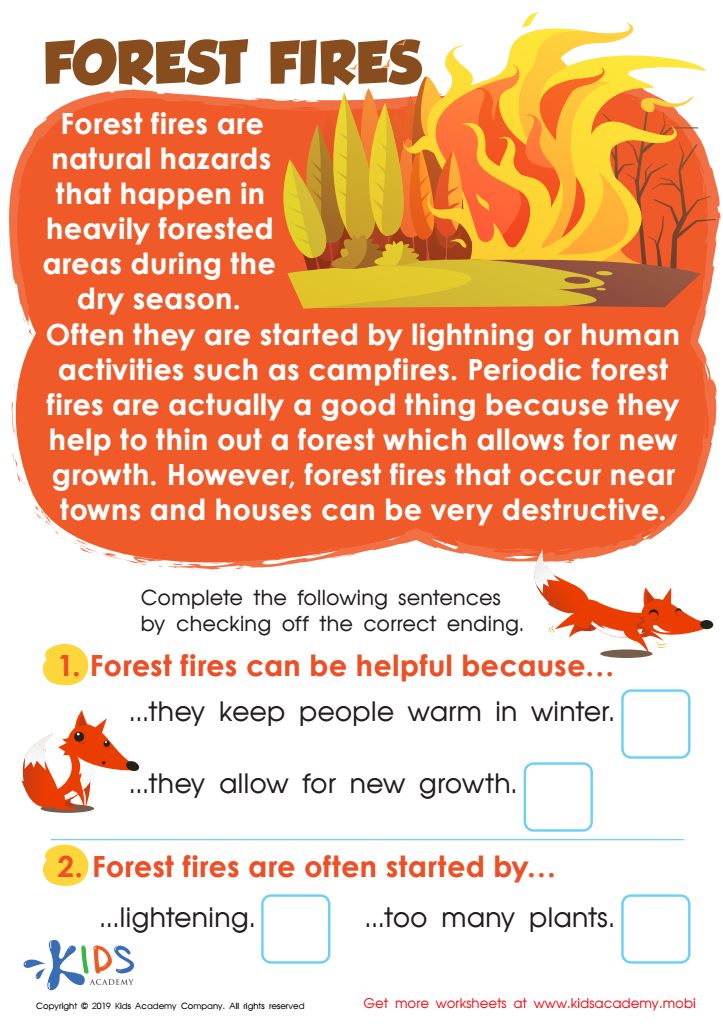
Forest Fires Worksheet
 Assign to My Students
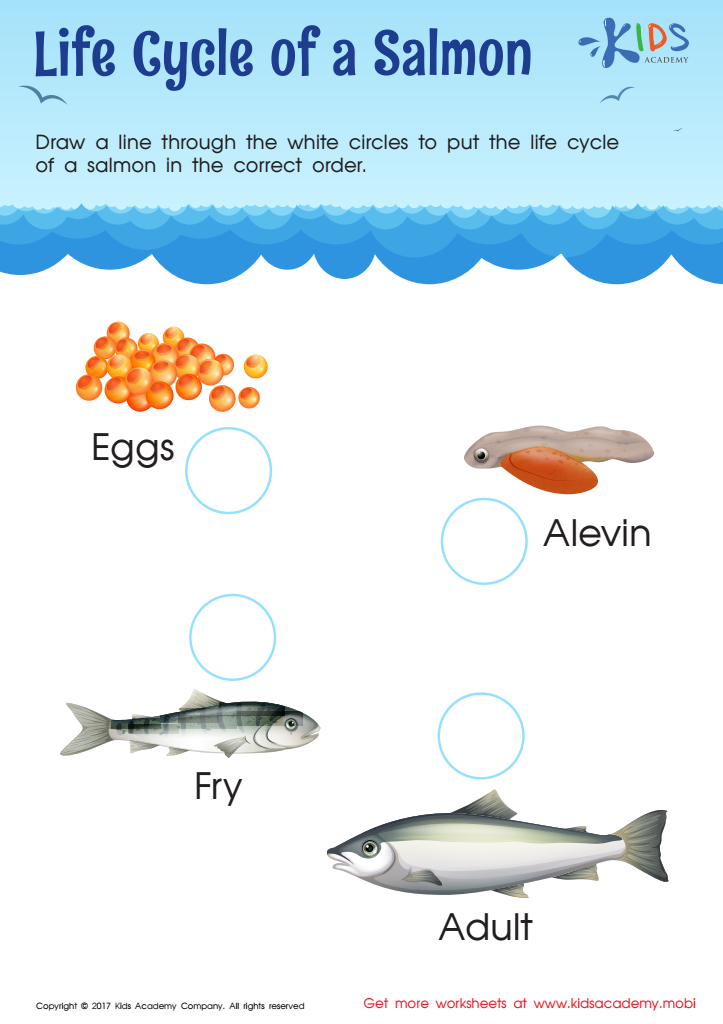
Cycle Of Salmon Worksheet
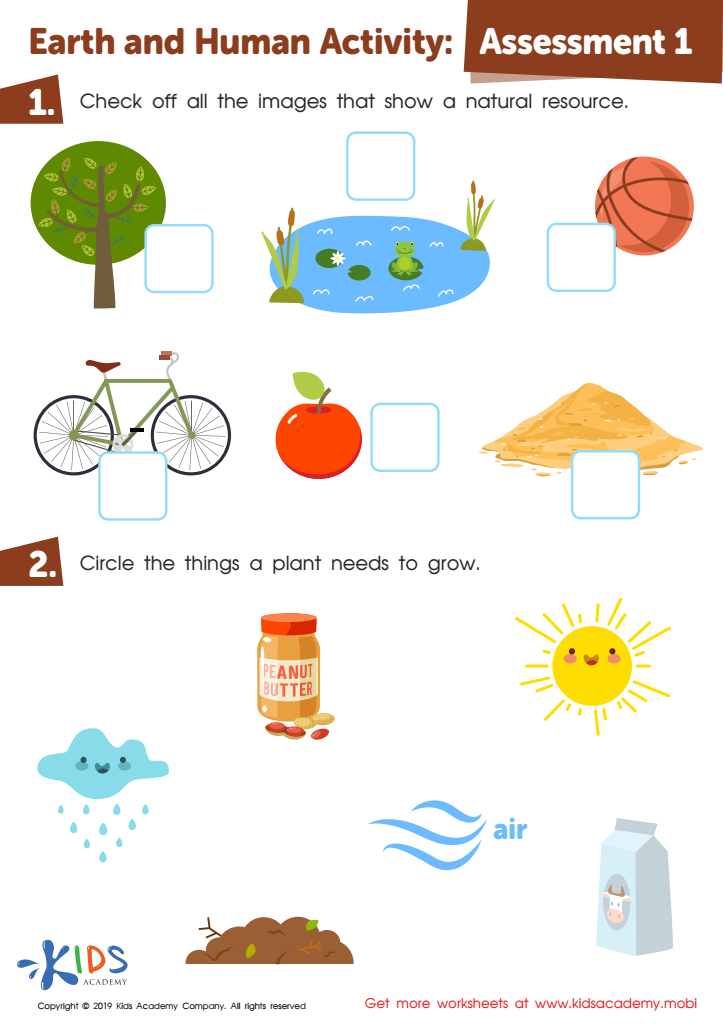
Earth and Human Activity: Assessment 1 Worksheet
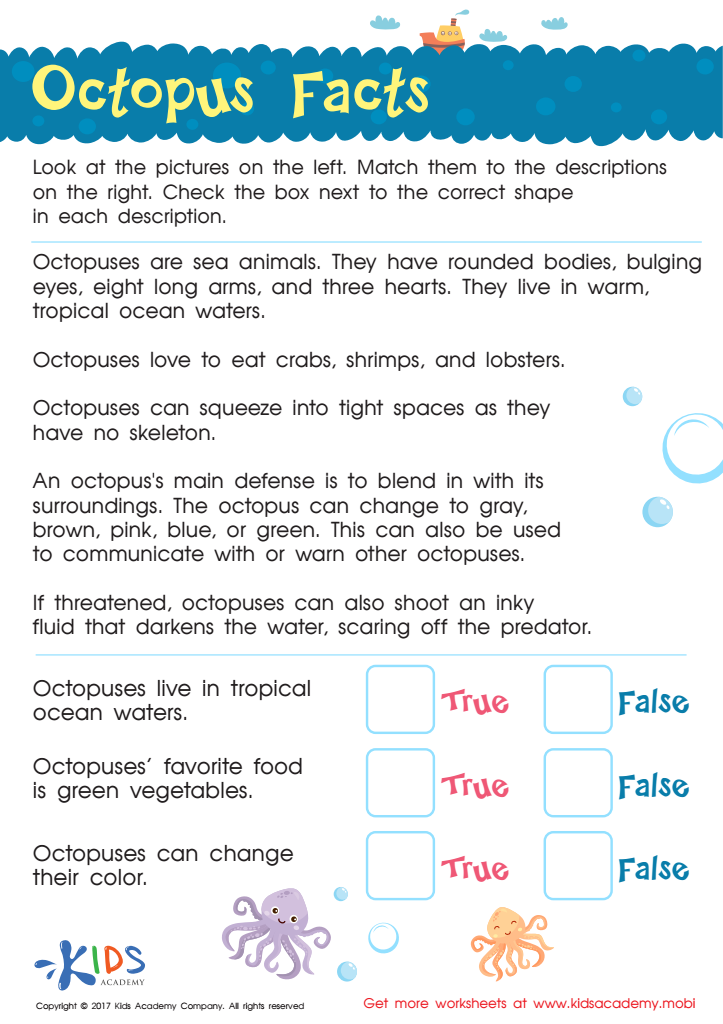
Octopus Facts Worksheet For Kids
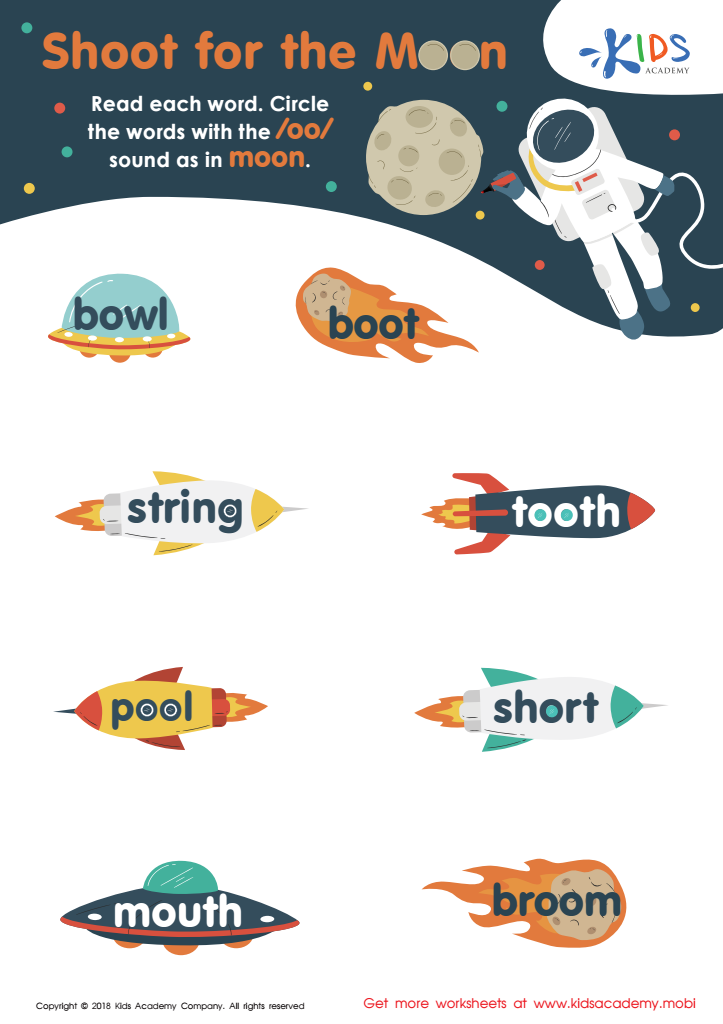
Reading: Shoot for the Moon Worksheet
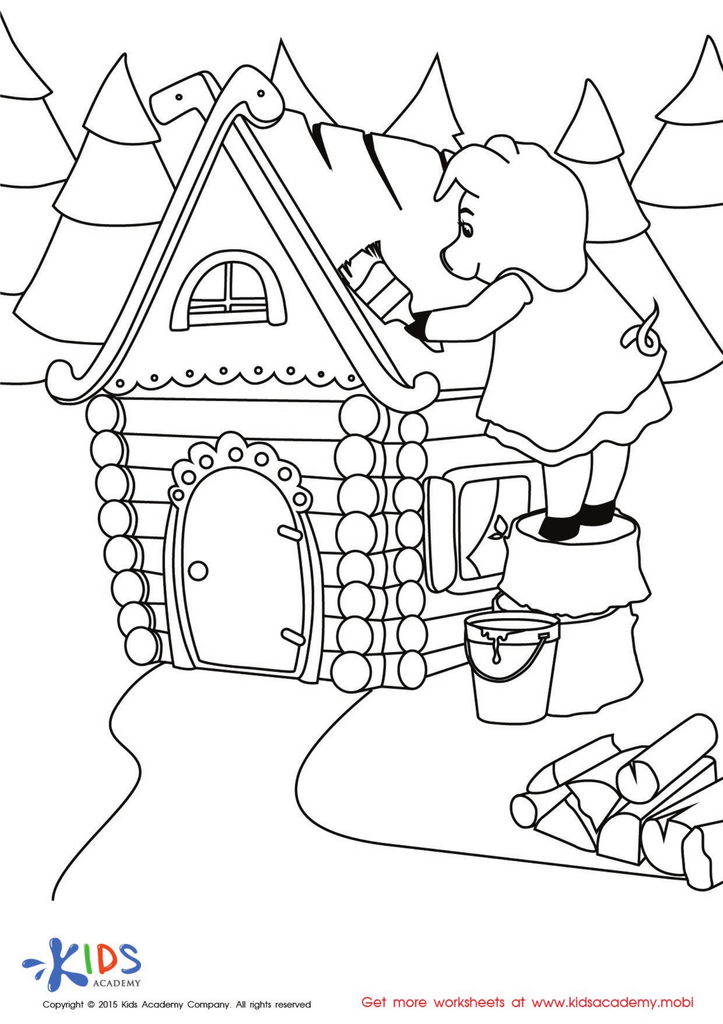
The Three Little Pigs Worksheet
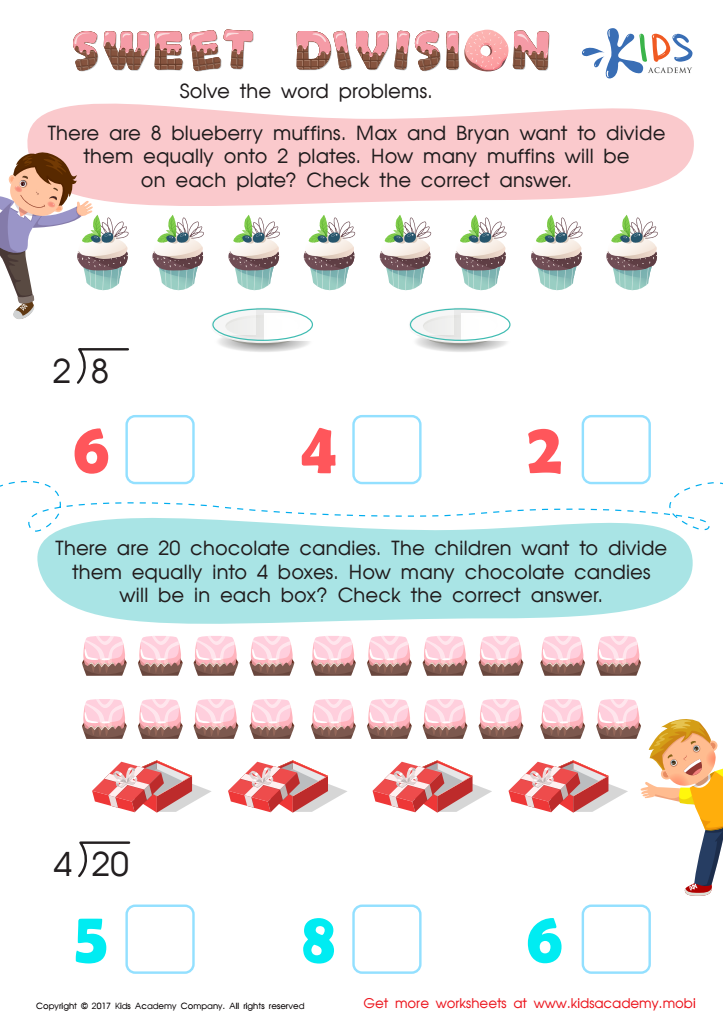
Division Word Problems Worksheet
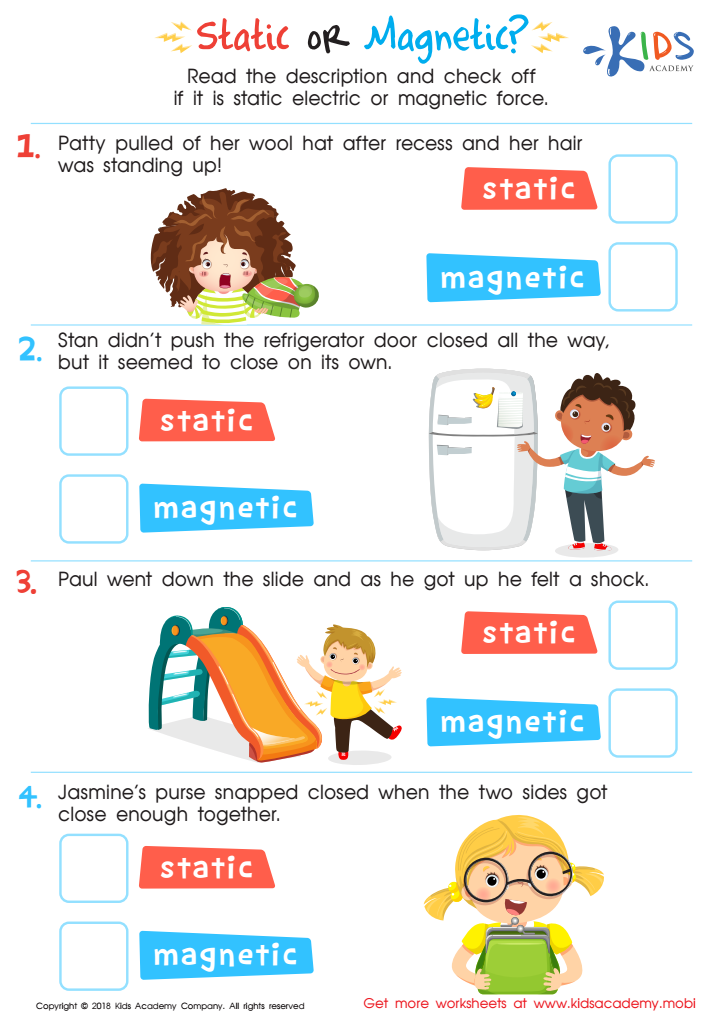
Static or Magnetic Printable Worksheet
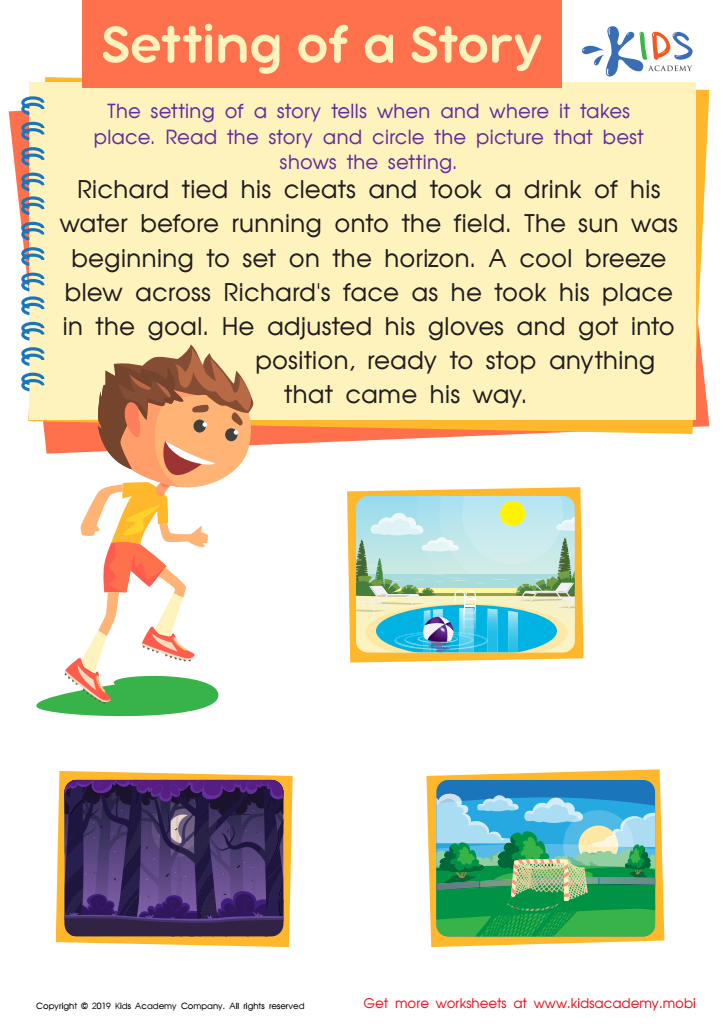
Setting of a Story Worksheet
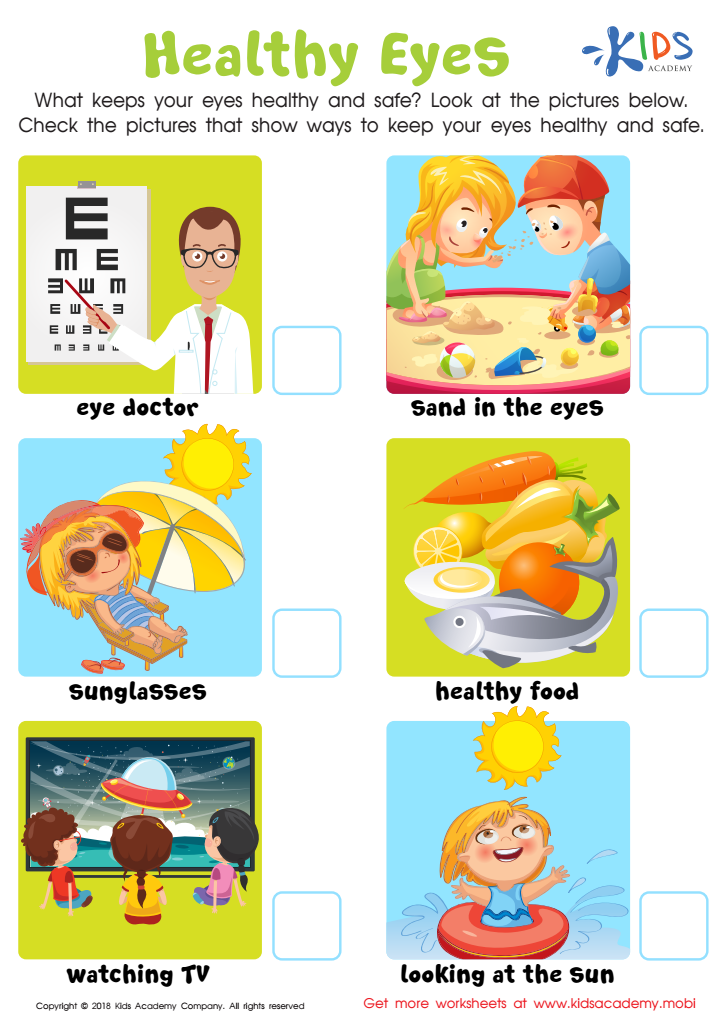
Healthy Eyes Worksheet
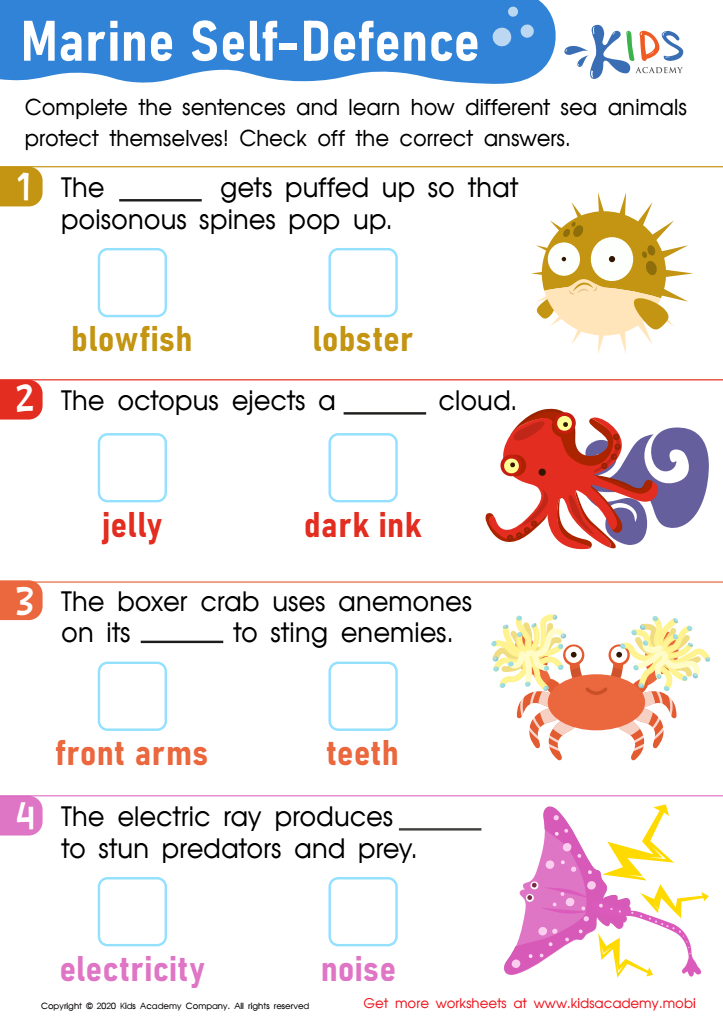
Marine Self-Defence Worksheet
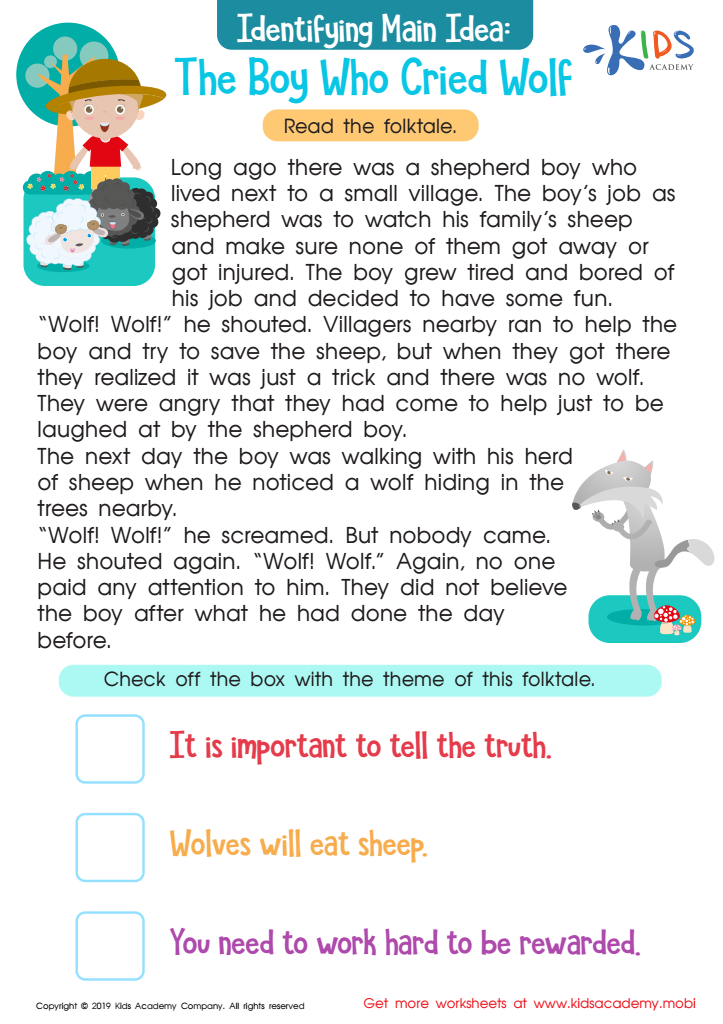
The Boy Who Cried Wolf Part 2 Worksheet
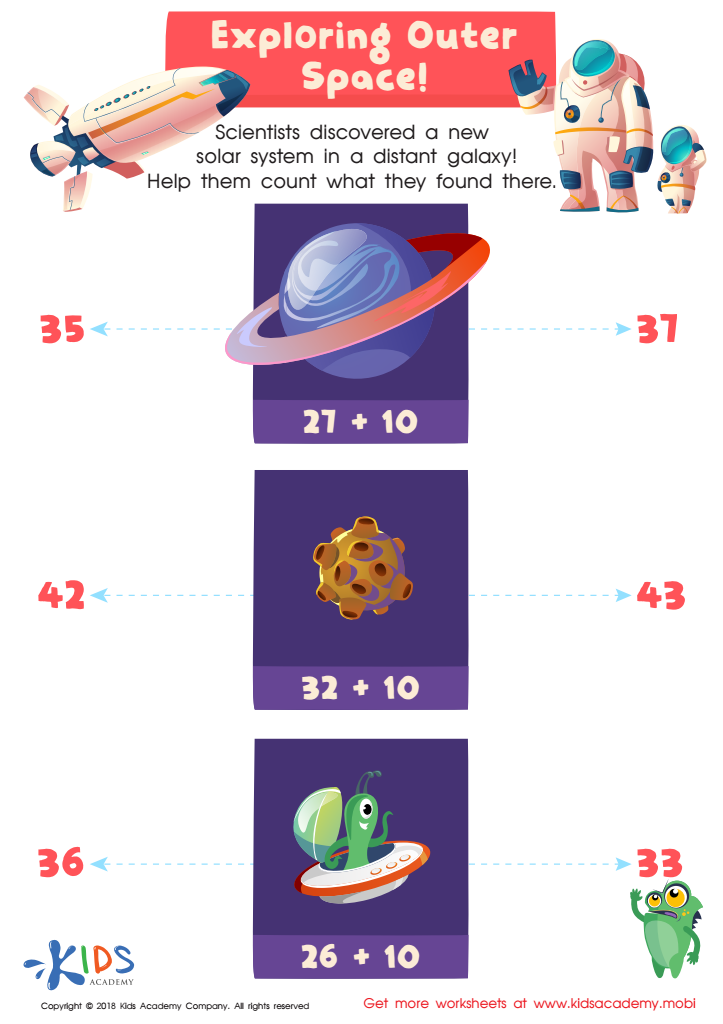
Exploring Outer Space Worksheet
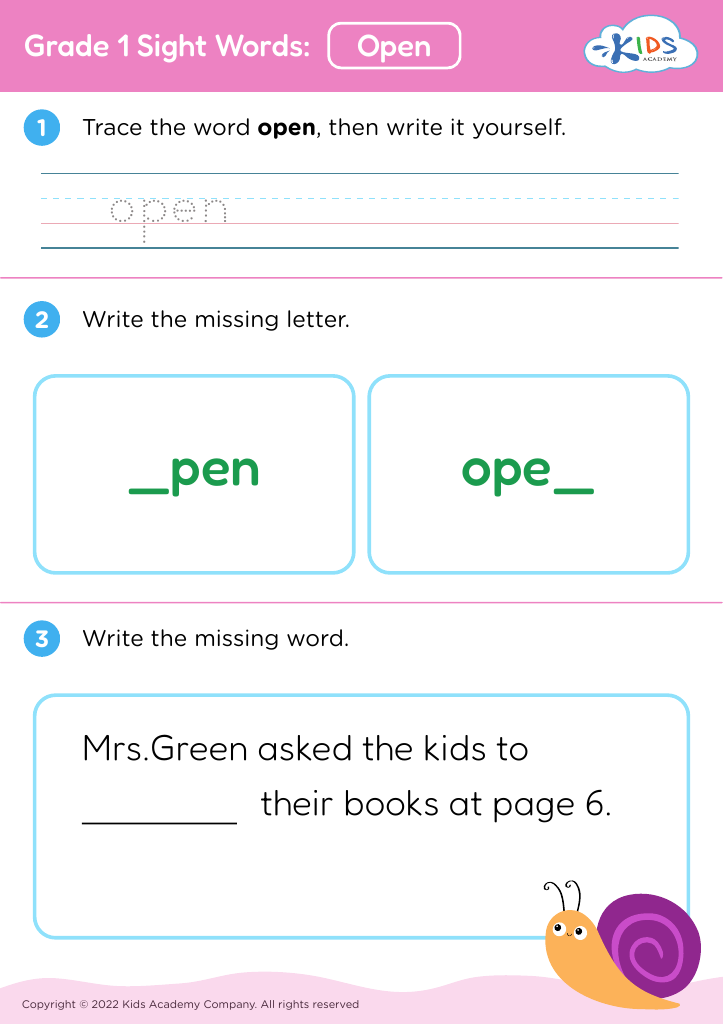
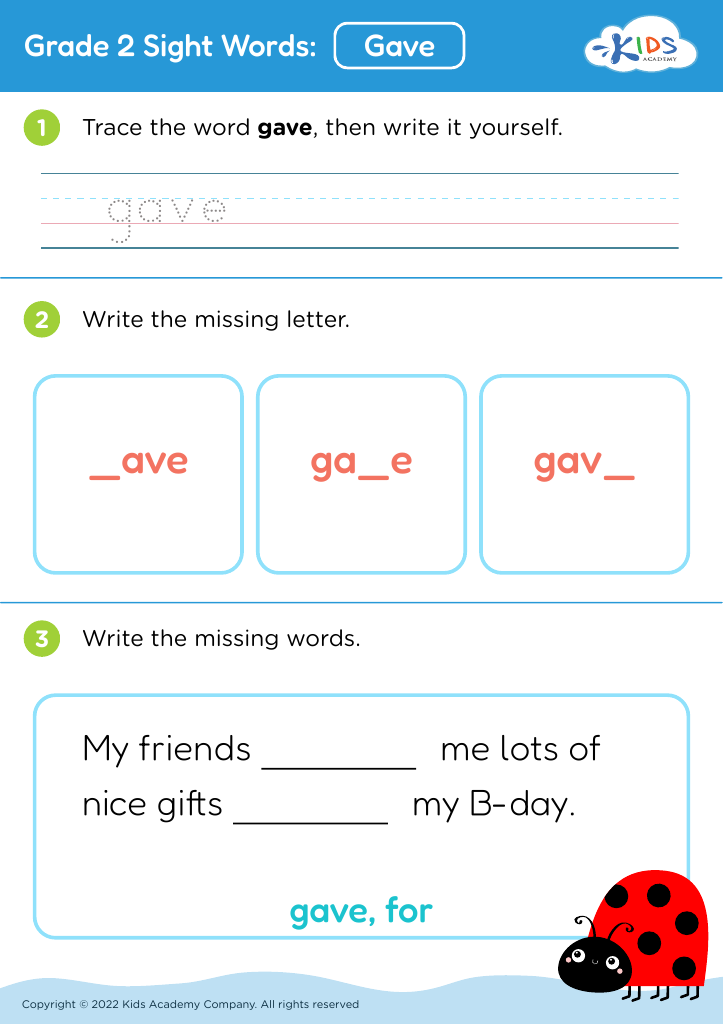







Critical thinking skills are essential for children aged 4-8 as they form the foundation for lifelong learning. At this developmental stage, children are naturally curious and eager to explore the world around them. By nurturing critical thinking, parents and teachers can enhance this curiosity, helping children to analyze, evaluate, and synthesize information effectively.
Developing critical thinking skills enables young learners to make informed decisions and solve problems creatively. For example, when faced with a challenge, children who have strong critical thinking abilities can assess different options, weigh consequences, and choose the best course of action. This skill set not only aids academic success but also fosters confidence, resilience, and independence.
Moreover, critical thinking encourages open-mindedness and the ability to understand multiple perspectives. In an increasingly complex world, these qualities are vital for effective communication and collaboration. When parents and teachers prioritize critical thinking, they empower children to question assumptions and think beyond surface-level information.
Ultimately, fostering critical thinkers helps children navigate challenges both in school and life, setting them up for a brighter future. By valuing and supporting the development of these skills, adults play a crucial role in preparing the next generation for success in an ever-evolving society.








