Cultural awareness Worksheets for Ages 4-8 - Page 2
29 filtered results
-
From - To
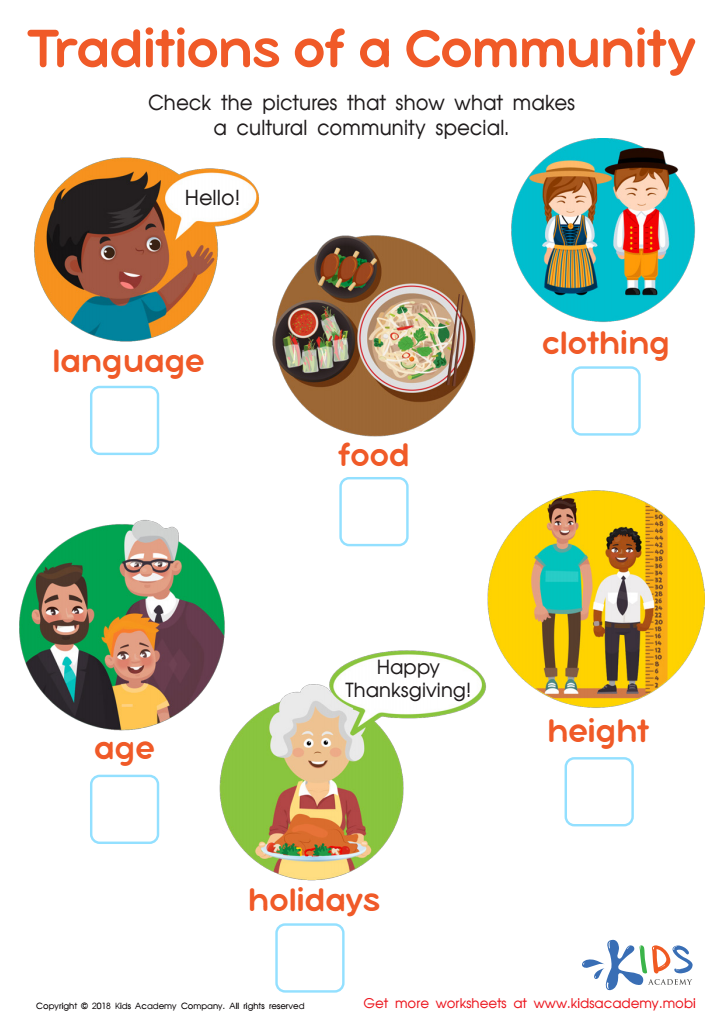
Traditions of a Community Worksheet
 Assign to My Students
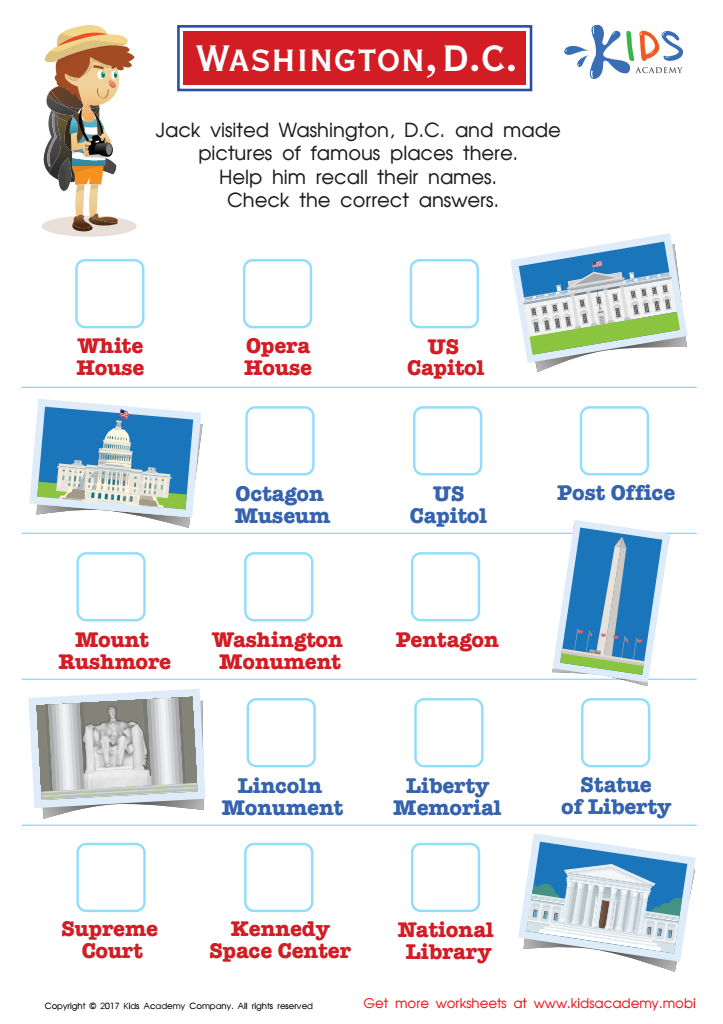
Washington D.C. Printable Worksheet
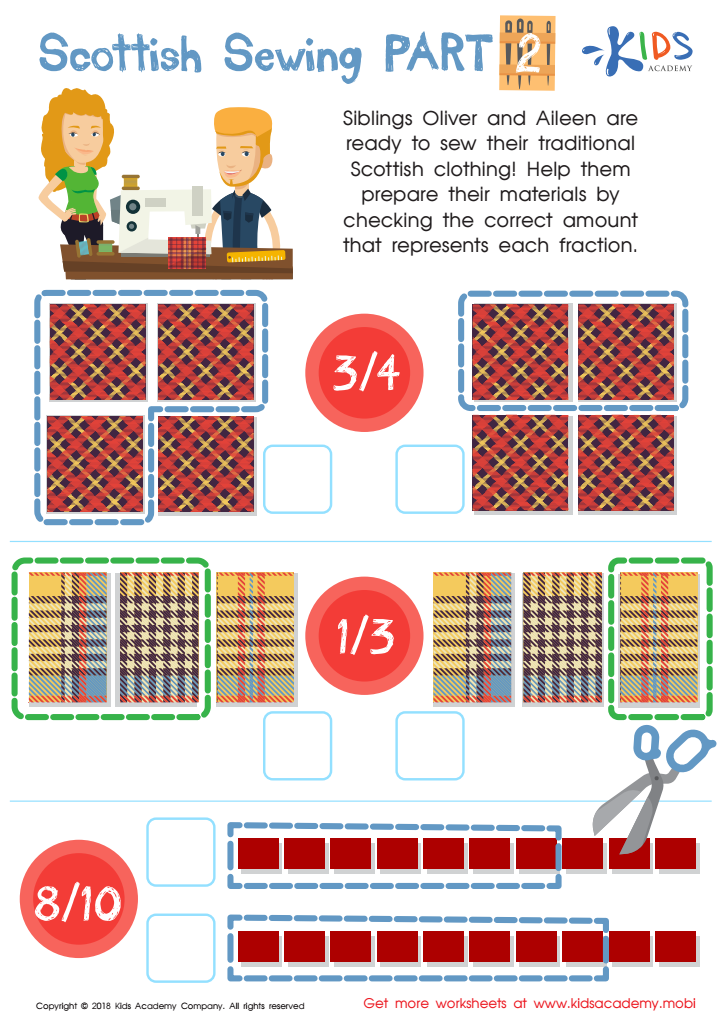
Scottish Sewing Part 2 Worksheet
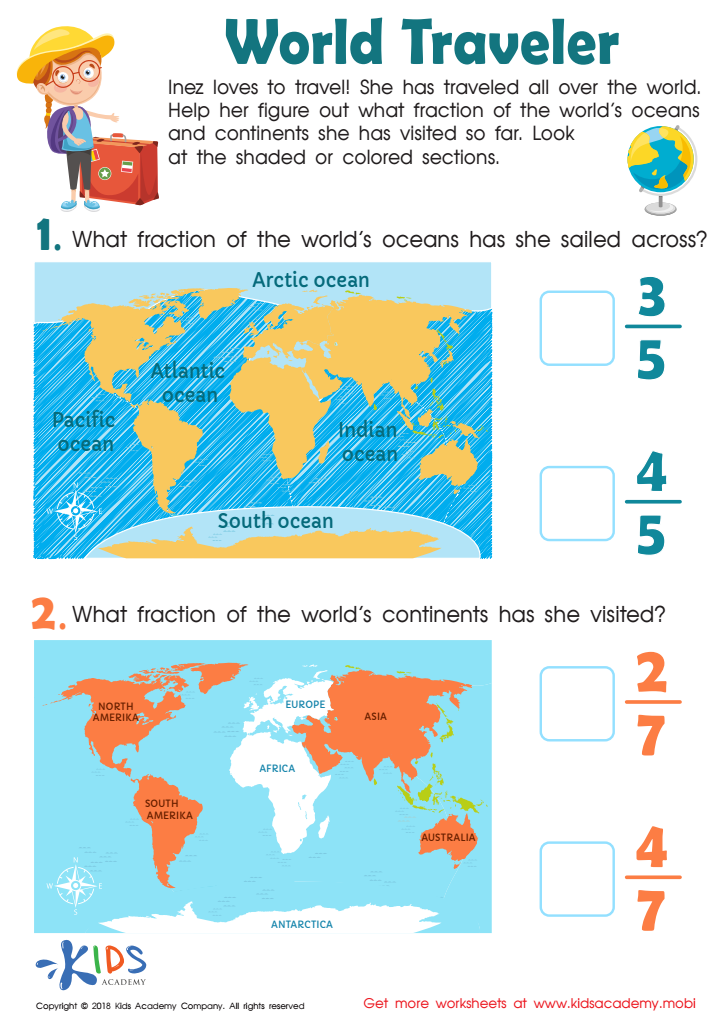
World Traveler Worksheet








Cultural awareness is essential for young children ages 4-8 because this formative stage sets the foundation for their understanding of the world and helps to develop their social and interpersonal skills. Introducing children to diverse cultures at an early age fosters empathy, inclusivity, and respect for differences. When children learn about various traditions, languages, and customs, they begin to appreciate the richness of diversity, laying the groundwork for acceptance and reducing prejudices.
Parents and teachers play a critical role in guiding this learning process. By exposing children to multicultural stories, celebrations, and role models, adults help build a more inclusive mindset. This cultivates a positive environment where all children feel valued and understood, promoting self-esteem and a sense of belonging for those from different backgrounds.
Moreover, developing cultural awareness enhances cognitive skills, such as critical thinking and problem-solving. It encourages children to see situations from multiple perspectives, broadening their worldview. As our society becomes increasingly globalized, equipping children with the ability to interact effectively with people from different cultures becomes increasingly important.
In essence, nurturing cultural awareness helps in creating conscientious, open-minded, and socially adept individuals, prepared for a diverse world. This early investment in understanding and respecting cultural diversity pays lifelong dividends for both the individual and the community.








