Cultural Understanding Worksheets for Ages 4-8
3 filtered results
-
From - To
Unlock cultural awareness with our fun and educational Cultural Understanding Worksheets for ages 4-8. These engaging activities help young learners explore diverse traditions, languages, and lifestyles from around the world. Each worksheet is thoughtfully designed to develop kids' empathy, respect, and appreciation for different cultures through hands-on activities, puzzles, and stories. Perfect for classrooms and at-home learning, these printables foster inclusivity and global awareness from an early age. Start your child's journey toward becoming a global citizen with our colorful and interactive worksheets, laying the foundation for a more understanding and compassionate future. Download yours today!
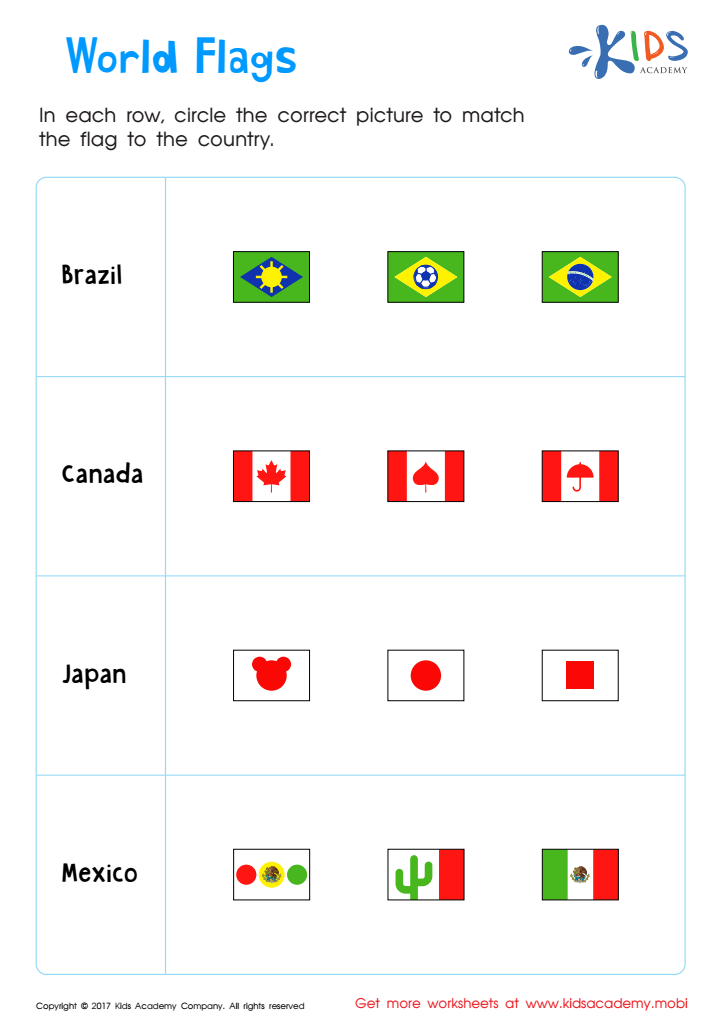
World Flags Printable
 Assign to My Students
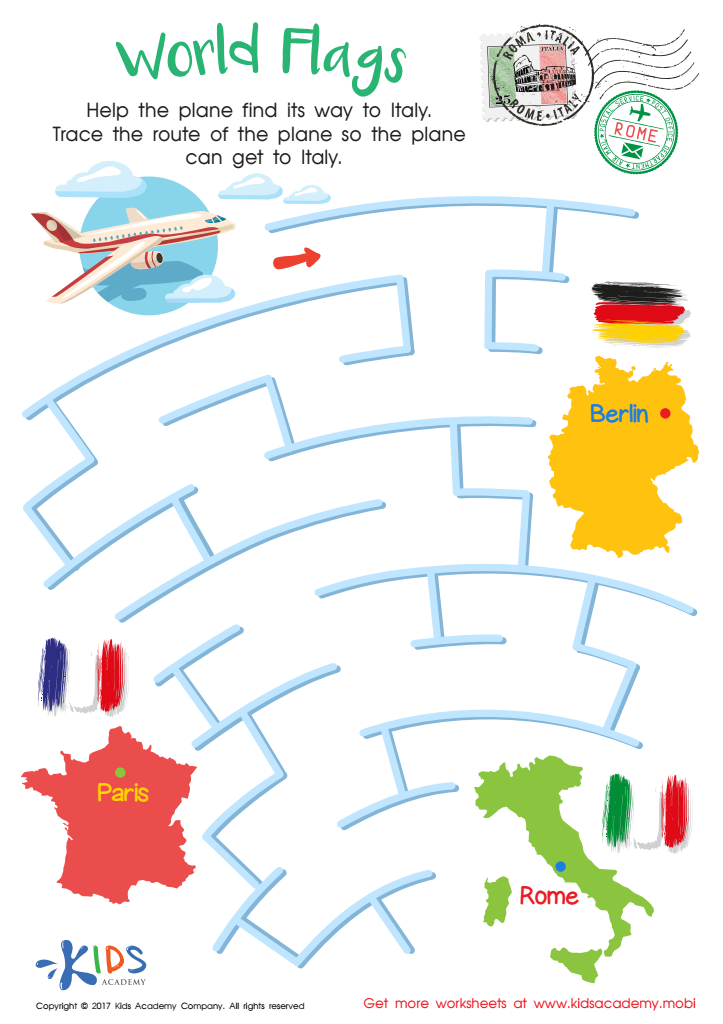
World Flags Maze Worksheet




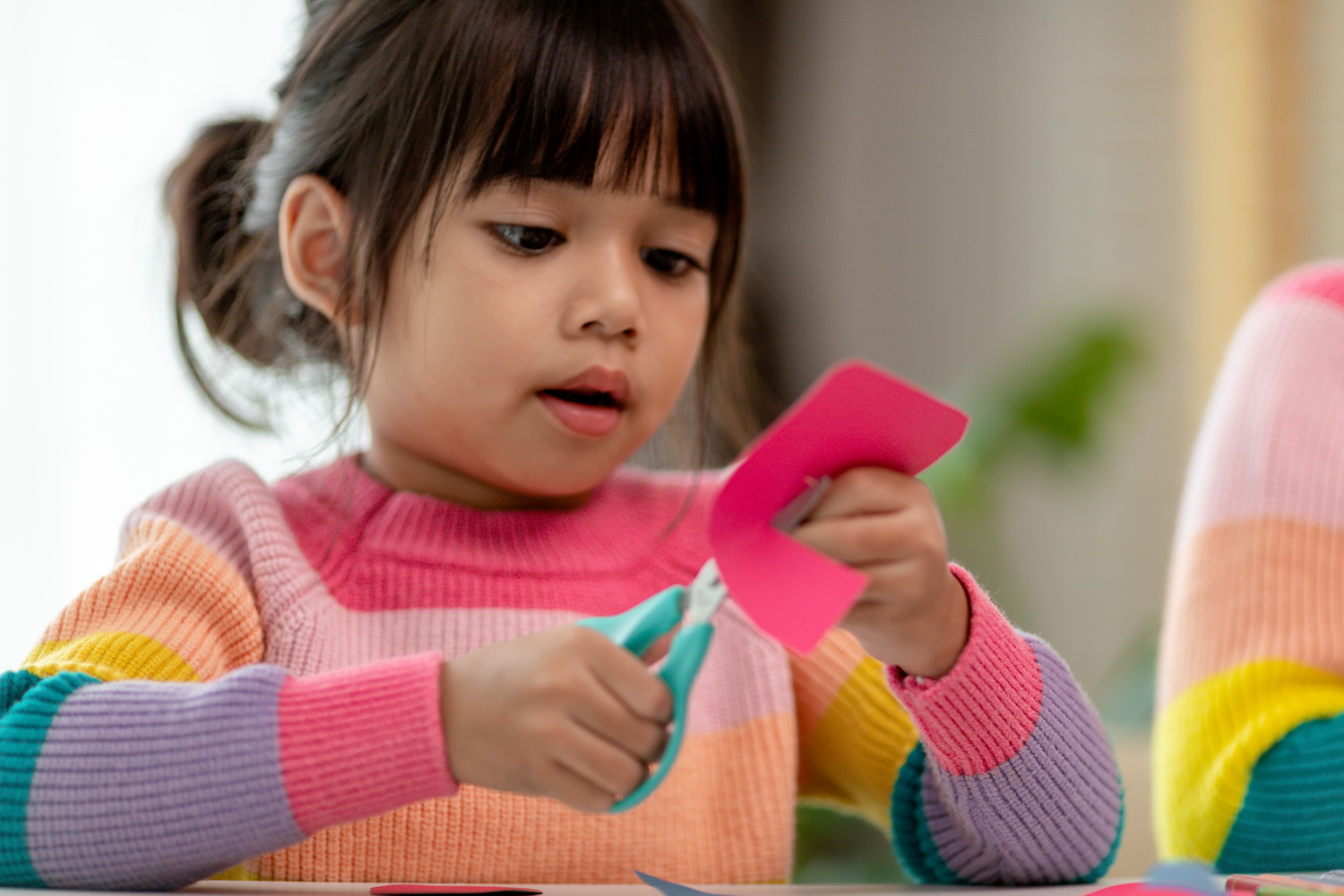
Teaching cultural understanding to children ages 4-8 is crucial for their overall development and sets a groundwork for a more harmonious and empathetic society. At this age, children are highly impressionable and begin to form their worldviews; instilling an appreciation for diverse cultures early on can foster respect and empathy, paving the way for more meaningful social interactions.
Children who are exposed to different cultures early learn that diversity makes the world interesting and vibrant. They become more open-minded, accepting, and less likely to harbor prejudices when they grow older. When parents and teachers encourage cultural understanding, they help prevent the stereotypical mindset that can lead to bullying and social exclusions.
Moreover, understanding cultural differences enhances cognitive skills such as critical thinking and problem-solving. Children start to see issues from various perspectives, making them more adaptable and innovative.
In the globalized world, cultural competence is an invaluable skill. It prepares children for future interactions in diverse settings, whether in school, work, or social environments, allowing them to collaborate more effectively.
Therefore, by emphasizing cultural understanding, parents and teachers play a significant role in shaping compassionate, aware, and socially responsible individuals who are prepared to thrive in a multicultural world.








