Enhancing Counting Skills Worksheets for Ages 4-8 - Page 2
29 filtered results
-
From - To
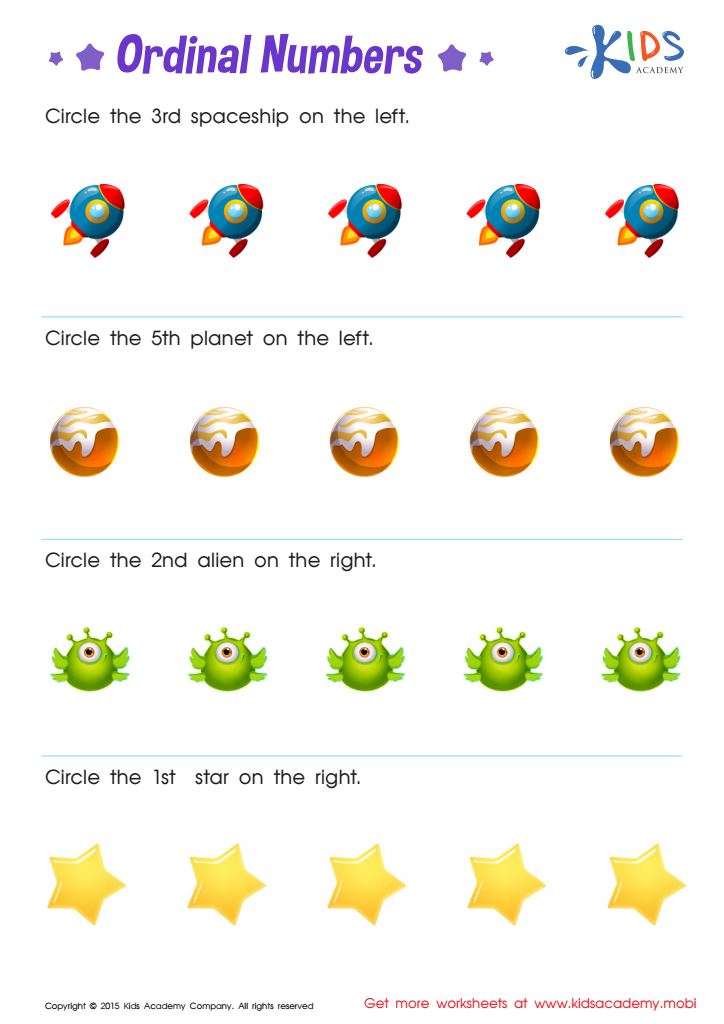
Ordinal Numbers: Space Ordinals Worksheet
 Assign to My Students
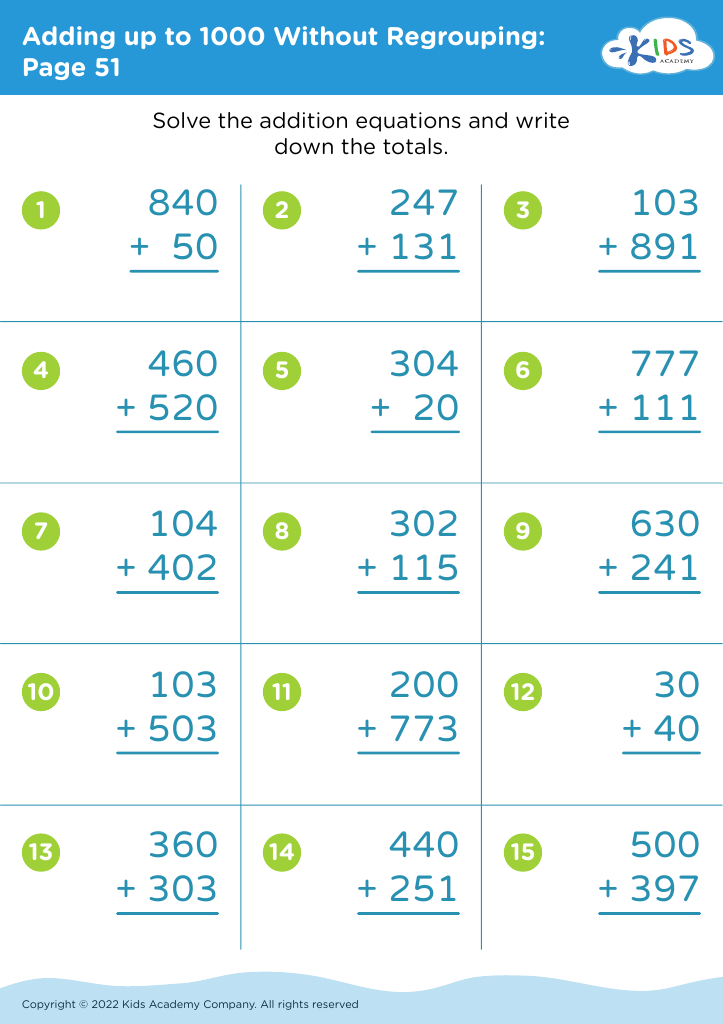
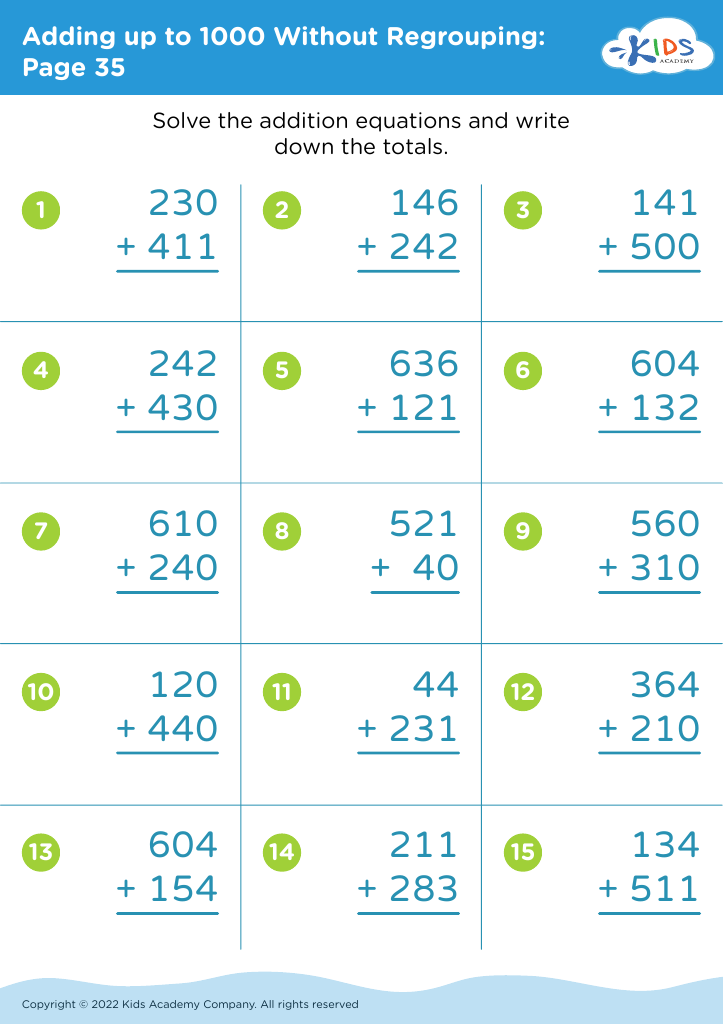
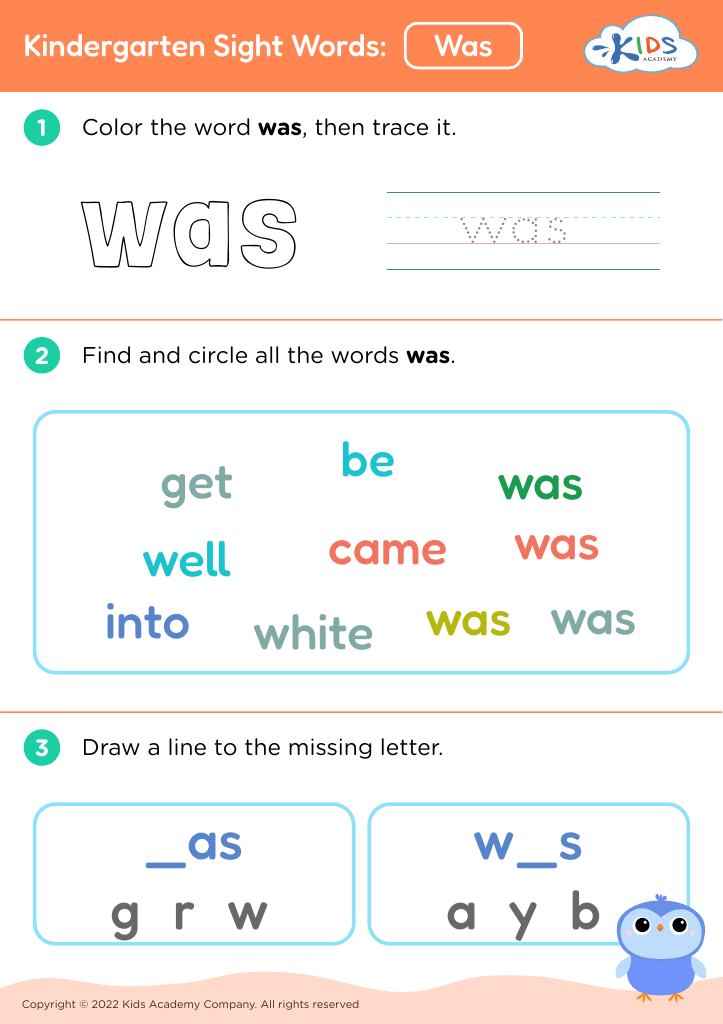








Enhancing counting skills in children ages 4-8 is fundamental for their cognitive development and future academic success. During this critical period, children are building the foundational numeracy skills that they will carry with them throughout their educational journey. Proficiency in counting establishes the basis for more complex mathematical operations, such as addition, subtraction, multiplication, and division. By fostering strong counting abilities early on, parents and teachers equip children with tools to approach problem-solving with confidence.
Enhancing counting skills also promotes cognitive development beyond mathematics. Counting requires memory, concentration, and attention to detail, all of which are crucial cognitive skills. It also gives children a way to interact with their environment in a quantitative manner, fostering logical thinking and pattern recognition as they notice numerals in daily contexts, from counting toys to noting numbers in a storybook.
In addition, the social and emotional advantages are significant. Being competent in early math skills can boost a child’s self-esteem and confidence, making them more likely to participate in classroom activities and engage with their peers. This early success creates a positive feedback loop where children are motivated to learn and explore further. Therefore, investing time and effort in nurturing counting skills not only benefits academic performance but also contributes to the holistic development of children.








