
Event ordering Worksheets for Ages 4-8
3 filtered results
Difficulty Level
Grade
Age
-
From - To
Subject
Activity
Standards
Introduce young learners to the magical world of sequences with our Event Ordering Worksheets for ages 4-8. At Kids Academy, we offer fun, educational activities designed to help children strengthen their understanding of order and sequence through colorful and engaging exercises. These worksheets guide kids in organizing everyday events and stories into logical progressions, enhancing their cognitive development and narrative skills. Perfect for both classroom and home use, our event ordering resources are an excellent way to promote critical thinking and time management. Dive into a playful learning experience that prepares your child for more complex concepts in the future.
Favorites
With answer key
Interactive
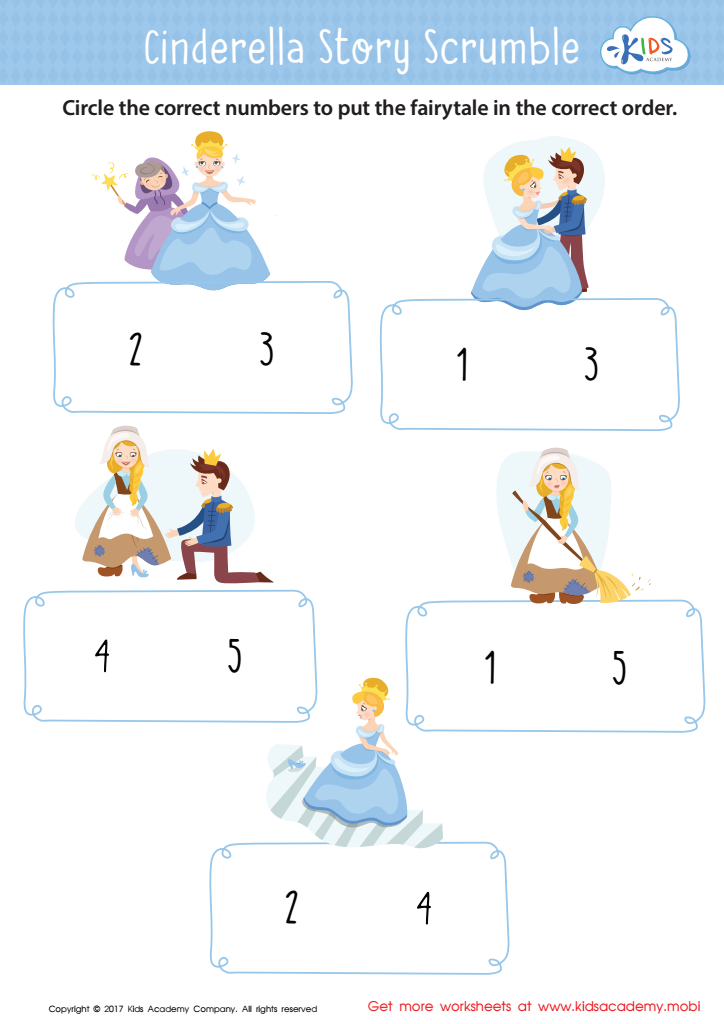
Cinderella Story Sequencing Worksheet
This worksheet helps strengthen reading comprehension skills by getting your child to remember key moments from the Cinderella story. They'll be asked to place pictures in the right order to tell the story.
 Assign to My Students
Cinderella Story Sequencing Worksheet
Worksheet
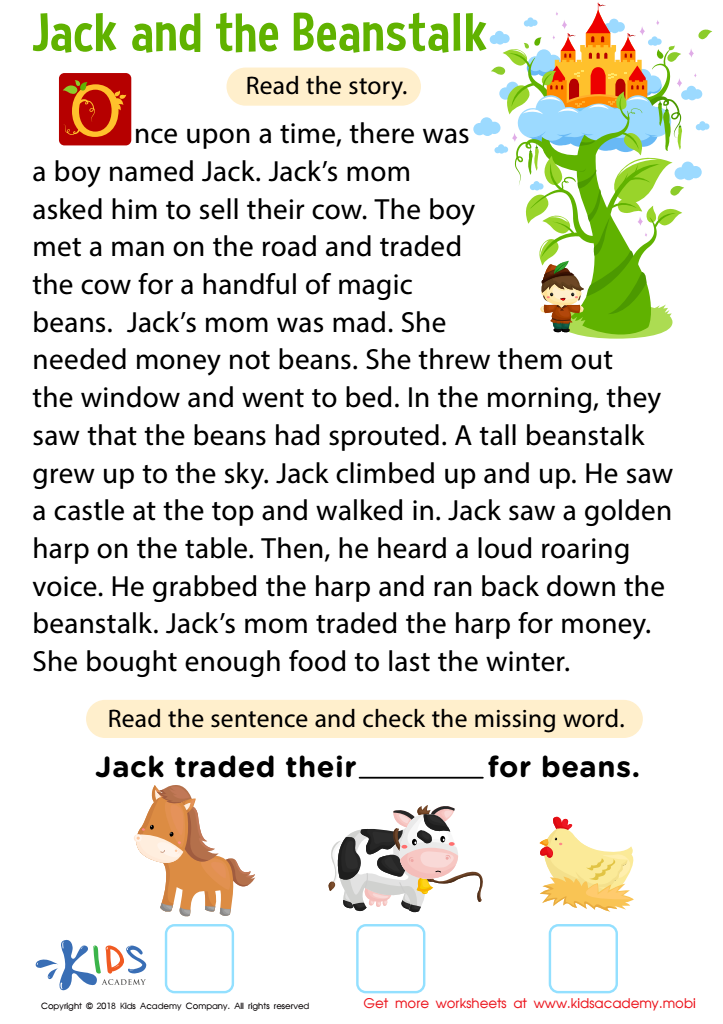
Jack and Beanstalk Worksheet
Story time can be a fun and educational experience for your kids. Read them the classic Jack and the Beanstalk - and even read it twice to help them pay attention. Afterwards, help them fill in the blank on the worksheet to expand their vocabulary and learn more from the story.
Jack and Beanstalk Worksheet
Worksheet
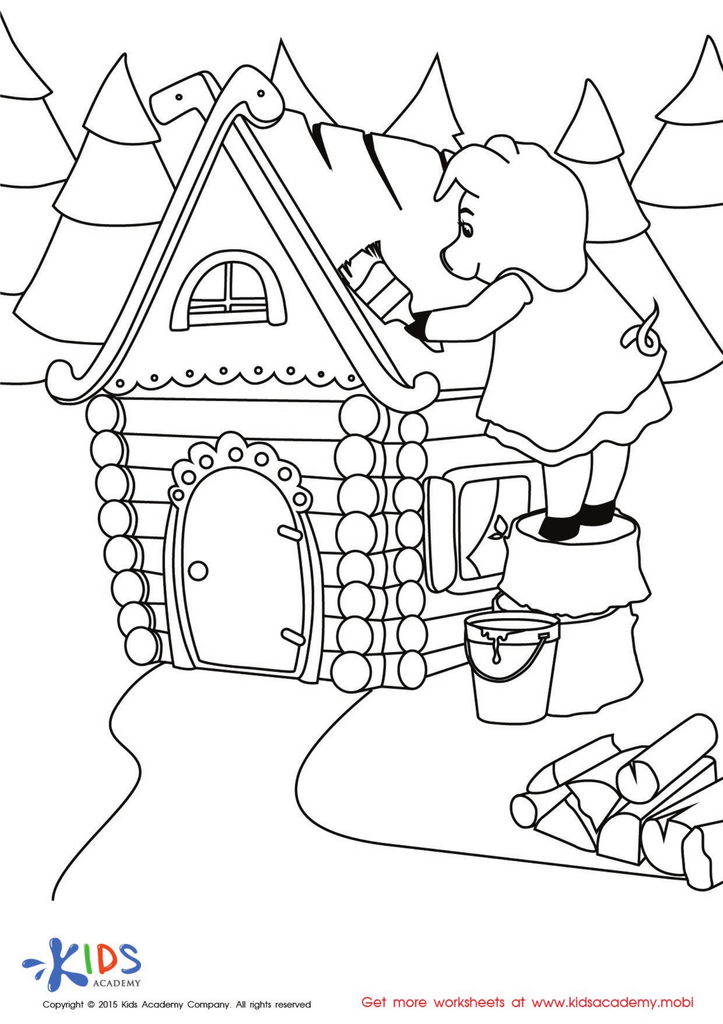
The Three Little Pigs Worksheet
Print out this fun coloring page and unleash your creativity! It features a cute little pig painting her new sticks house. What color will you choose? Work those fine motor muscles and enjoy the picture come to life! See what happens next to the three little pigs.
The Three Little Pigs Worksheet
Worksheet
Join Kids Academy for Free
Who is primarily going to use this learning content?





Event ordering refers to the ability to understand and sequence events in their correct order. For children aged 4-8, mastering this skill is crucial for several developmental reasons, and parents and teachers should come together to support this learning process.
Firstly, event ordering helps children grasp the concept of time. Understanding sequences—what happened first, next, and last—builds a child's awareness of past, present, and future. This is foundational knowledge for telling time, planning activities, and organizing oneself.
Secondly, strong sequencing skills bolster language development and comprehension. When children can order events correctly, they can better recount stories or personal experiences. This enhances their narrative skills and vocabulary, forming a solid groundwork for reading and writing.
Additionally, it aids in logical thinking and problem-solving. Sequencing requires children to use memory and critical thinking, promoting mental organization and cognitive flexibility. These skills are vital for day-to-day tasks and academic success.
Parents and teachers should therefore care about event ordering because it nurtures a child's intellectual, linguistic, and social development. By engaging in activities like storytelling, picture sequencing, and discussing daily routines, adults can guide children in understanding sequences, making them prepared for more complex cognitive tasks ahead.








