Fine motor skills (tracing) Worksheets for Ages 4-8
3 filtered results
-
From - To
Unlock your child's potential with our engaging fine motor skills tracing worksheets designed for ages 4-8. These printable activities promote essential hand-eye coordination and dexterity, helping young learners master the art of tracing shapes, letters, and patterns. Perfect for preschool and early elementary students, our worksheets offer a fun and interactive way to enhance your child's fine motor abilities while fostering creativity and concentration. With varying levels of difficulty, children will gain confidence as they progress from simple to more challenging tasks. Download our fine motor skills tracing worksheets today and lay the foundation for your child's future learning success!

The Night Sky: Leo Worksheet
 Assign to My Students
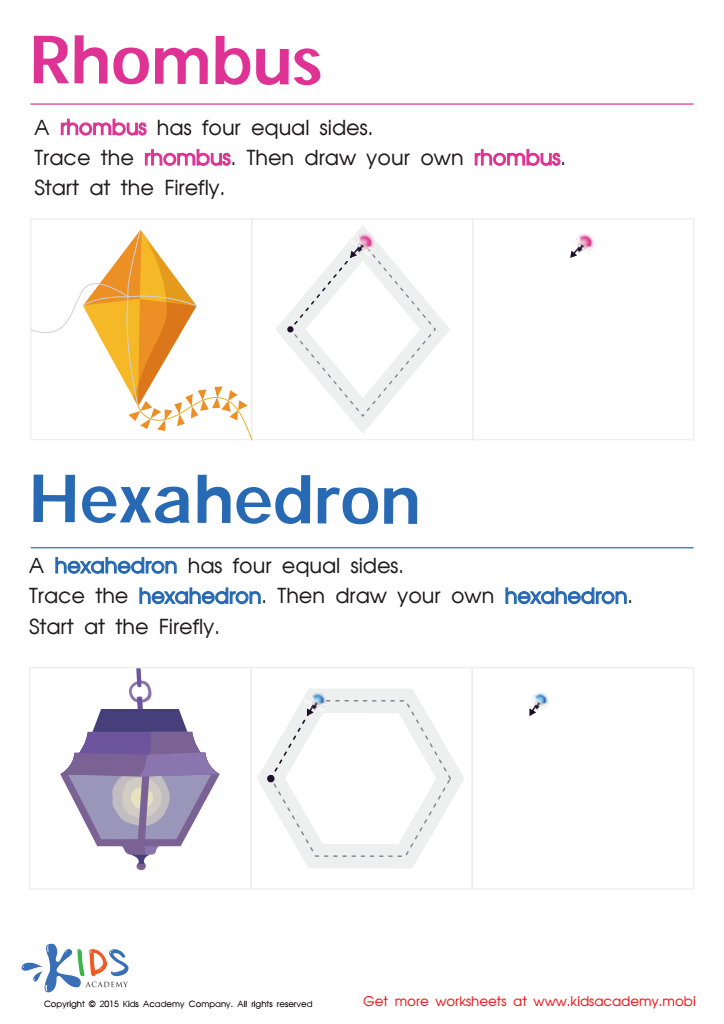
Draw a Rhombus And a Hexahedron Printable
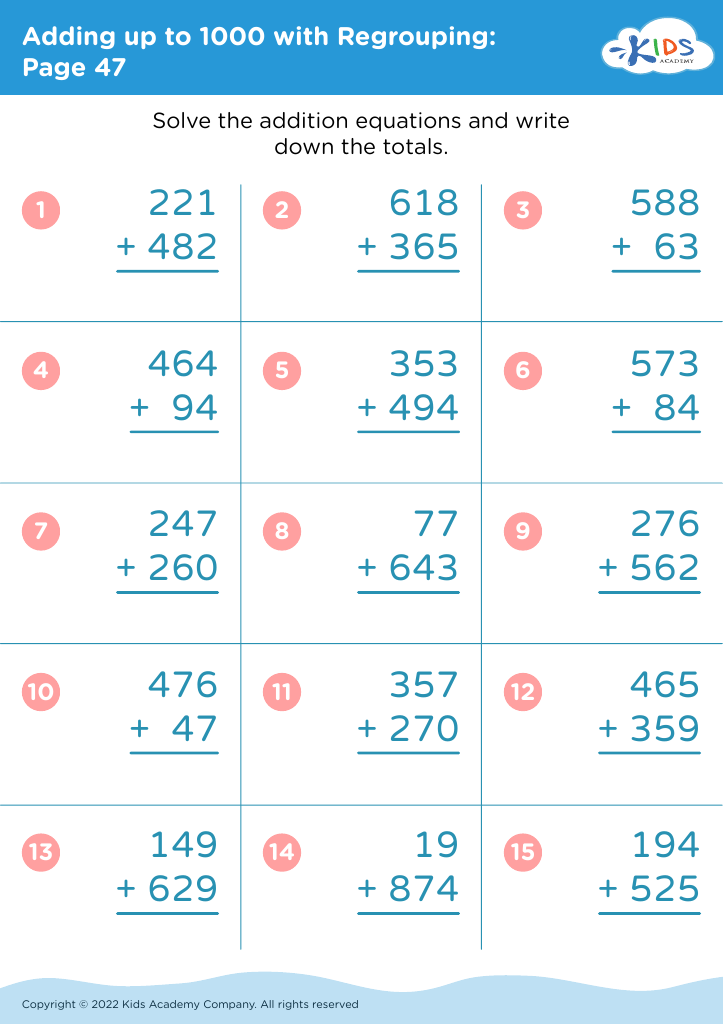








Fine motor skills are essential for children's overall development, particularly between the ages of 4 to 8, when they are rapidly growing and learning. Tracing activities specifically enhance these skills by encouraging hand-eye coordination, dexterity, and control. When children practice tracing shapes, letters, or numbers, they learn to manipulate writing instruments effectively, which is crucial for their later academic success.
Moreover, strong fine motor skills are linked to increased confidence in academic settings. As children learn to write more neatly and control their movements, they experience a sense of accomplishment that boosts their self-esteem. This can lead to a greater willingness to engage in other learning activities, from art to problem-solving.
Additionally, fine motor development has cognitive benefits; it requires focus and concentration, helping to build patience and perseverance. Lastly, these skills play a significant role in everyday tasks, such as buttoning clothes, using utensils, and crafting, leading to increased independence.
For these reasons, parents and teachers should pay attention to and support the development of fine motor skills through enjoyable and engaging activities, ultimately fostering both academic success and essential life skills in children.








