Fine motor skills (writing) Worksheets for Ages 4-8 - Page 2
46 filtered results
-
From - To

Thanksgiving Holiday Printable
 Assign to My Students
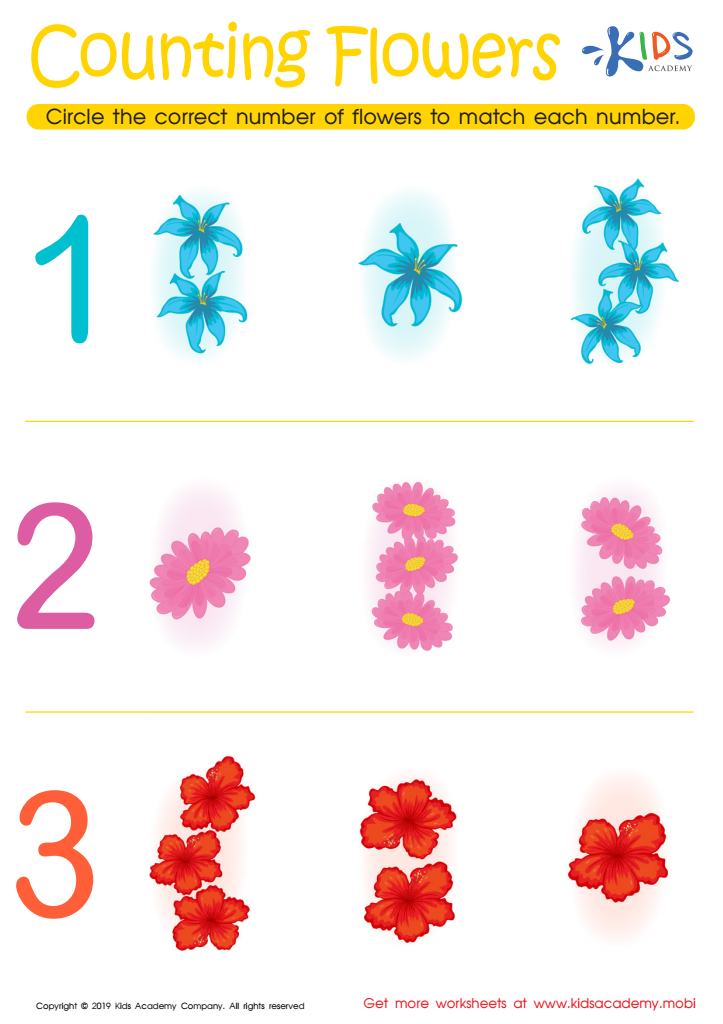
Counting Flowers Worksheet
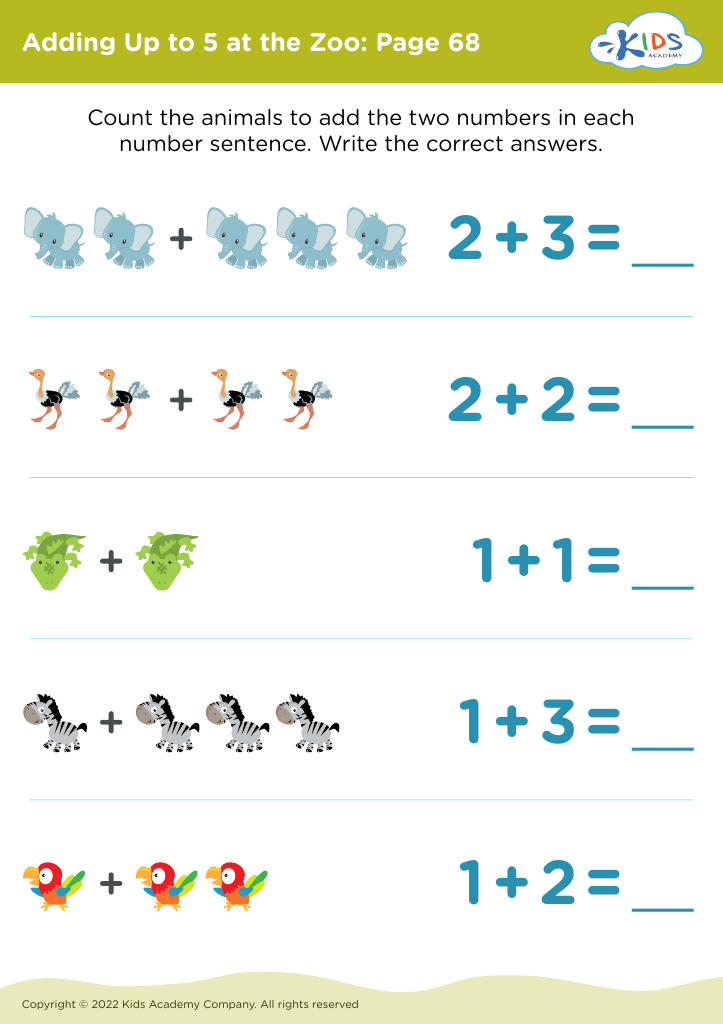
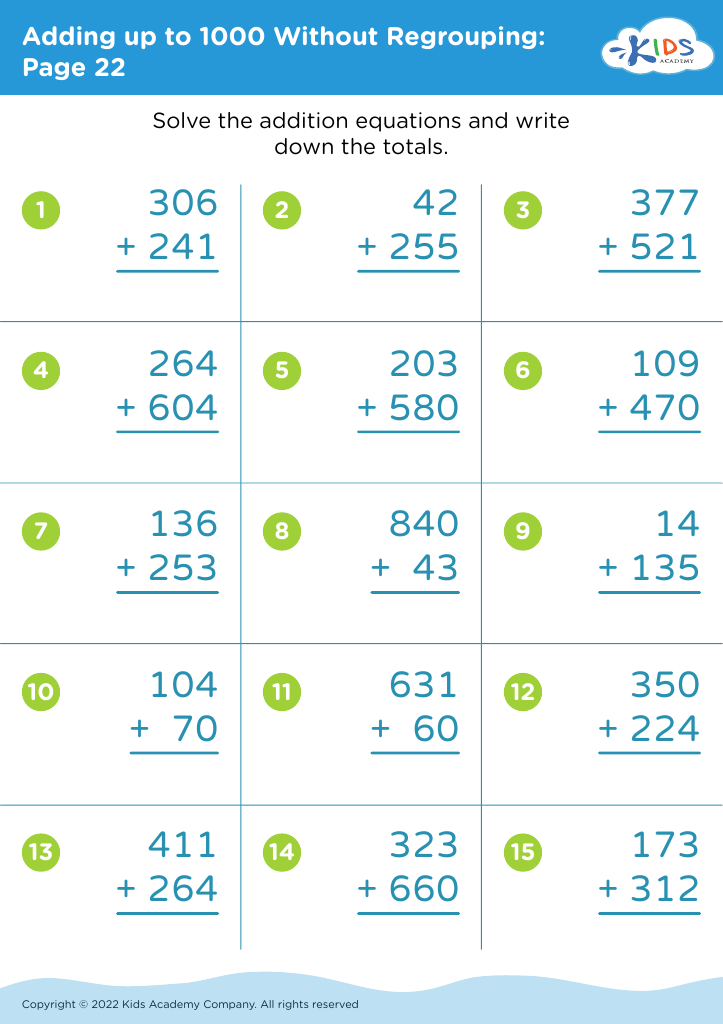
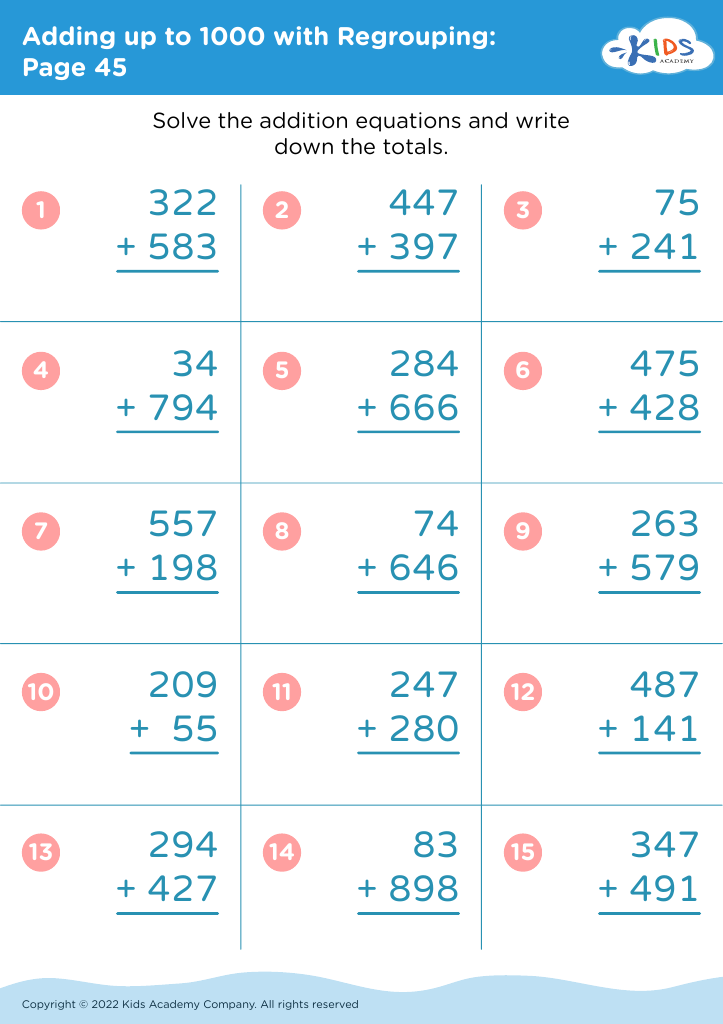
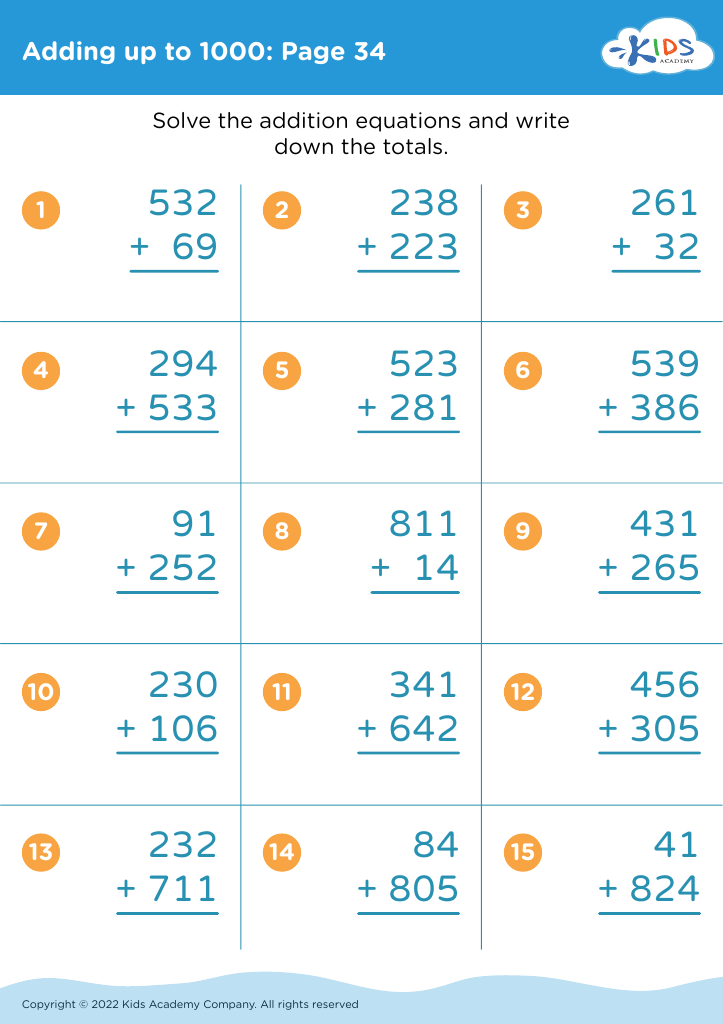
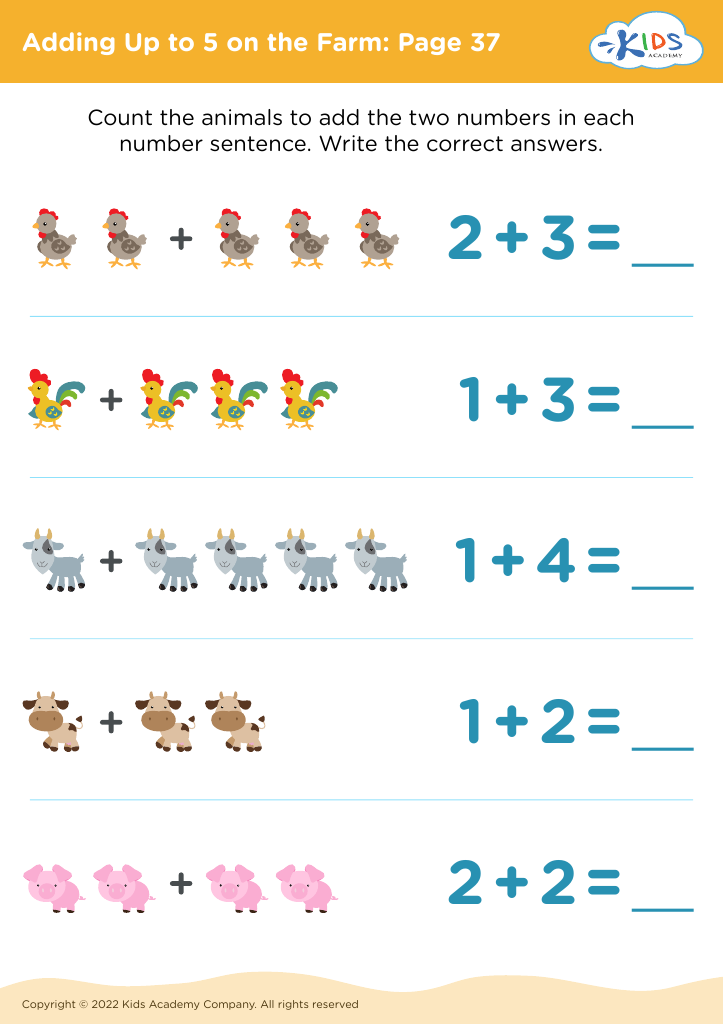
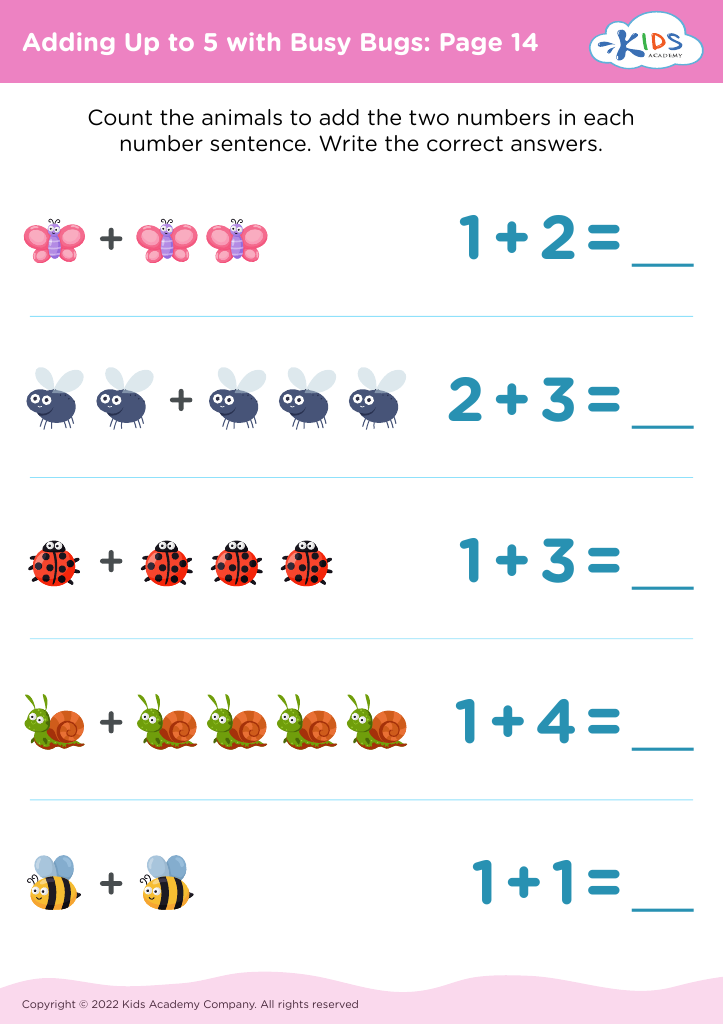
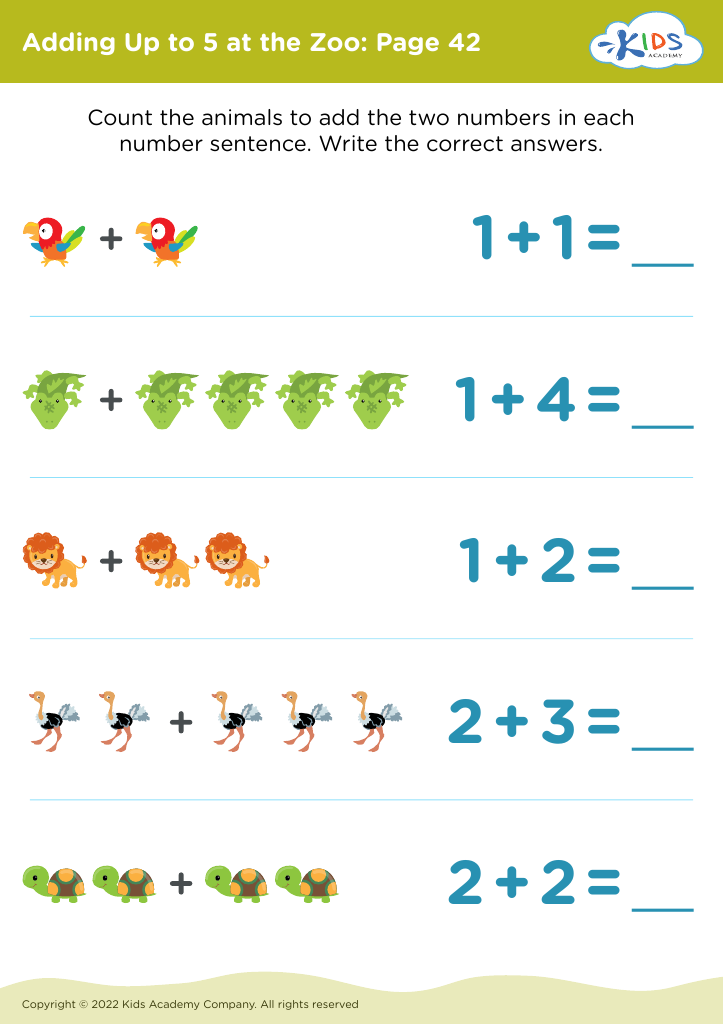
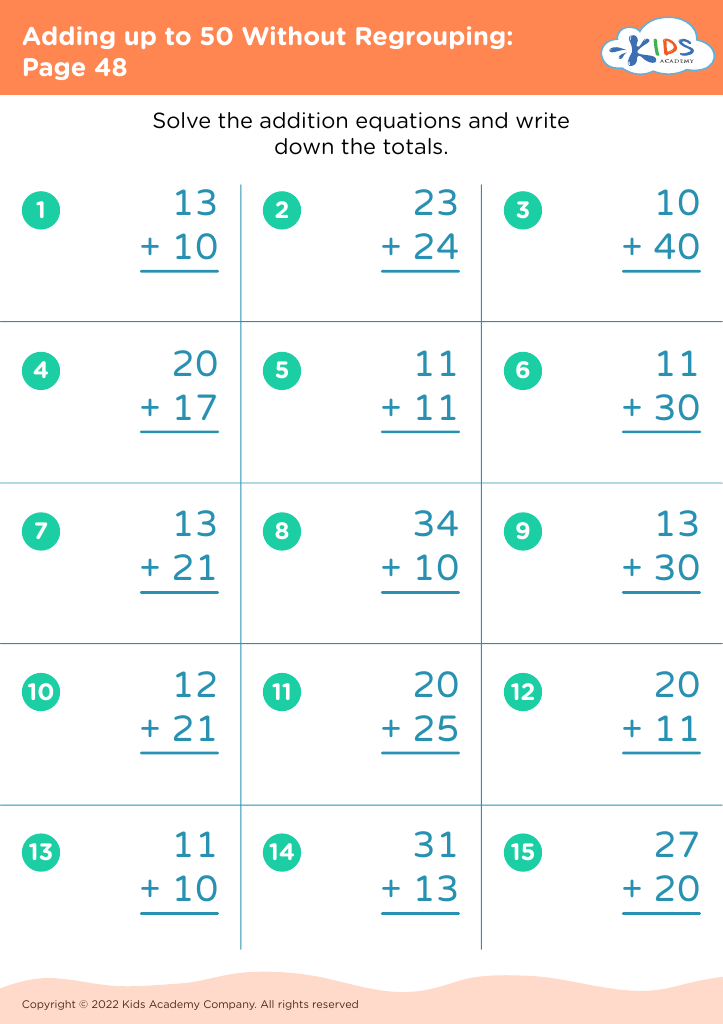
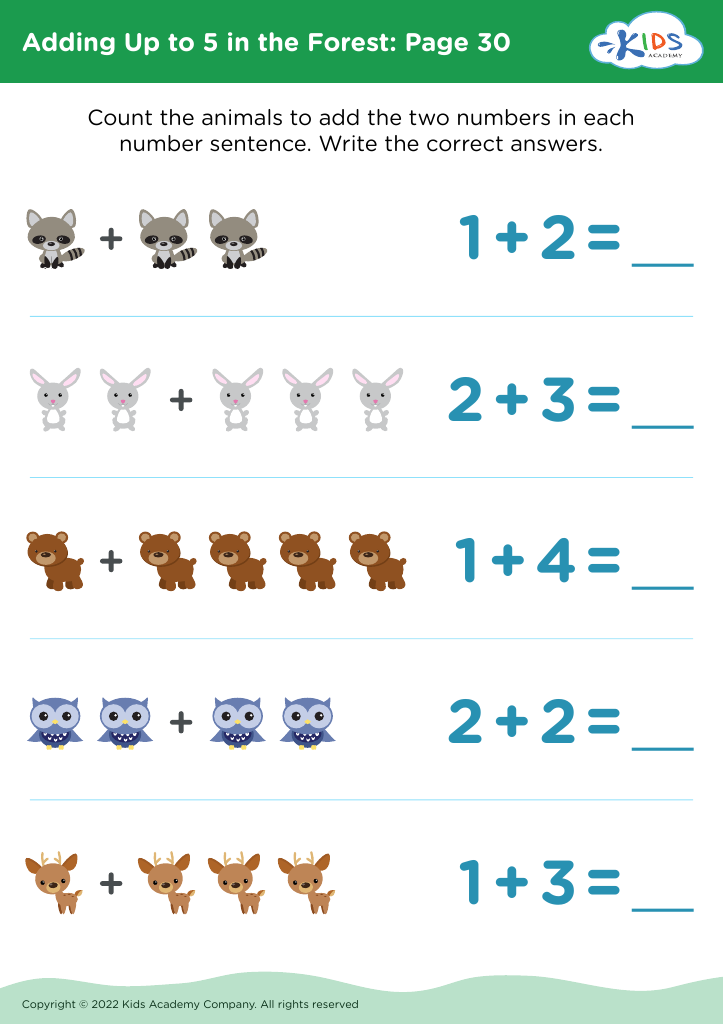
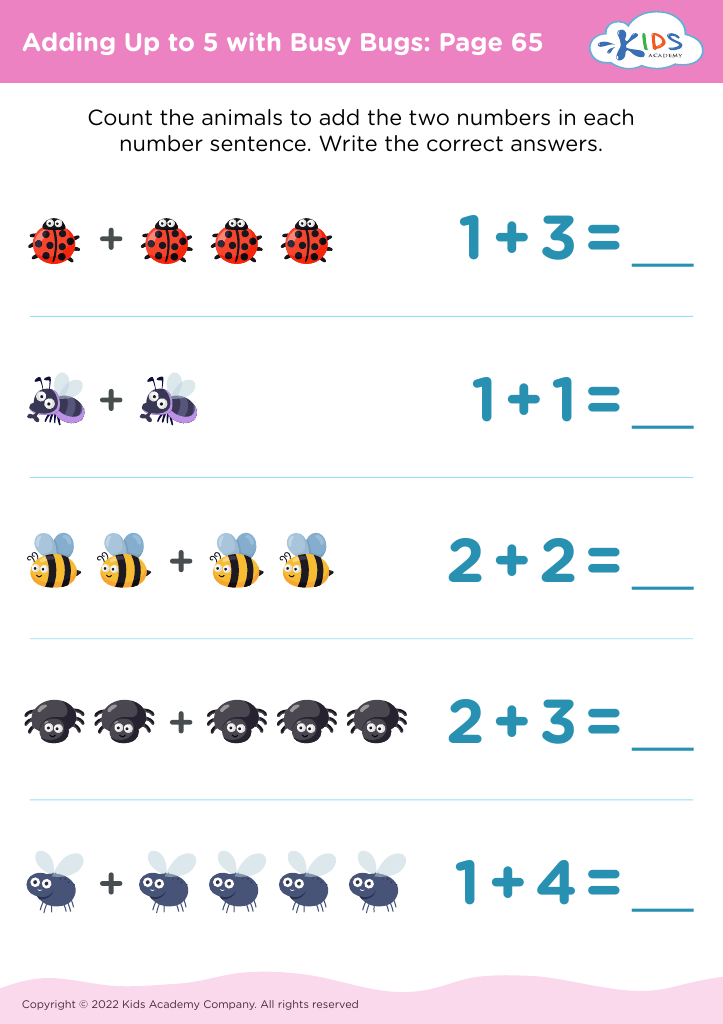
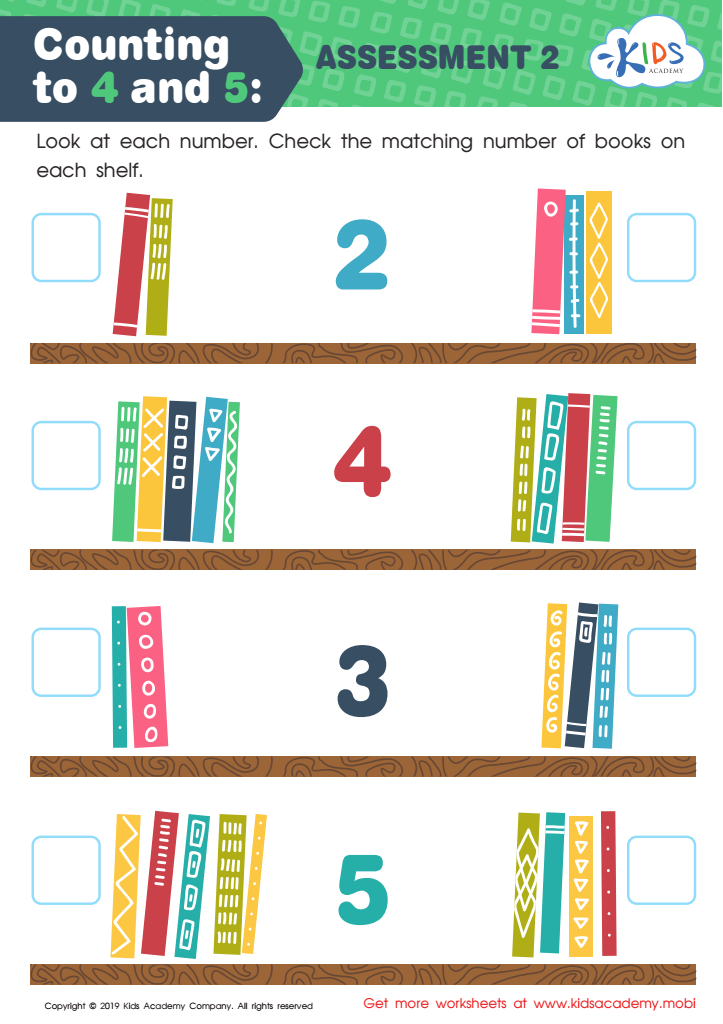
Counting to 4 and 5: Assessment 2 Worksheet
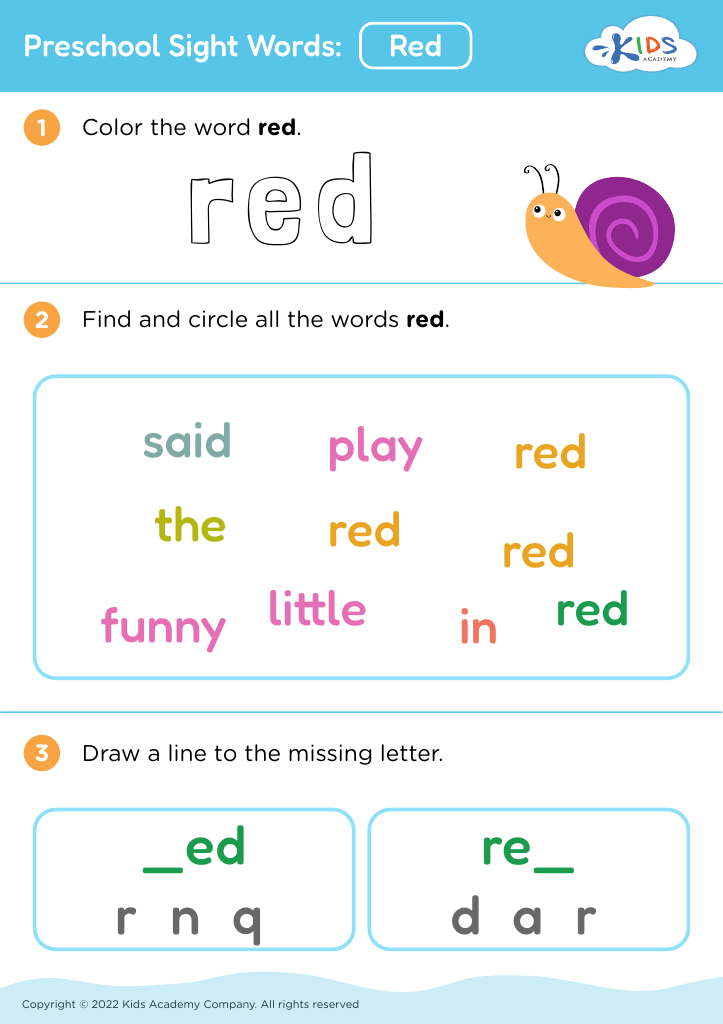








Fine motor skills, particularly writing, are crucial for children aged 4-8 because they form the foundation for essential academic and everyday tasks. During these formative years, children's brains undergo significant development, and mastering fine motor skills is vital for cognitive growth and learning readiness.
Fine motor skills involve the coordination of small muscles in the hands and fingers, integral for tasks such as writing, buttoning clothes, and using utensils. Proficient writing skills enable children to express ideas, complete assignments, and engage in activities that foster creativity and critical thinking. Difficulty in writing can lead to frustration and hinder academic progress, while proficiency bolsters confidence and interest in school.
Parents and teachers who prioritize the development of these skills help children build strong neural connections, improve hand-eye coordination, and gain dexterity. No less important, writing practice enhances patience and attention to detail, traits beneficial beyond academics.
Investing time in activities like drawing, building with blocks, and playing with clay can significantly benefit fine motor skills. As children become more adept in writing, they unlock greater autonomy and self-assurance in their abilities. Thus, caring about fine motor skills is a cornerstone of nurturing well-rounded, successful learners.








