Geographic knowledge Worksheets for Ages 4-8
5 filtered results
-
From - To
Discover our engaging Geographic Knowledge Worksheets designed specifically for children ages 4-8! These worksheets offer a fun and interactive way for kids to explore the world around them, enhancing their understanding of geography through captivating activities. From identifying continents and oceans to recognizing maps and community places, our resources help foster critical thinking and early map skills. Ideal for home or classroom use, these printables blend learning with creativity, ensuring your little learners develop essential geographic skills while enjoying the process. Download, print, and watch your child's geographic knowledge flourish as they embark on their exploration of the world!
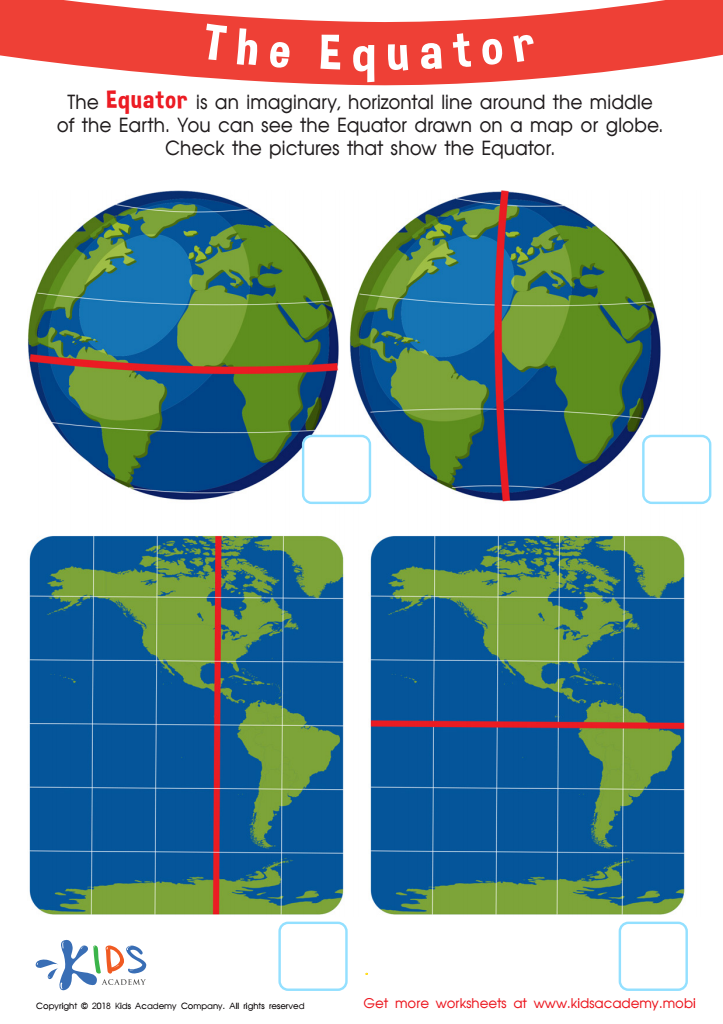
The Equator Worksheet
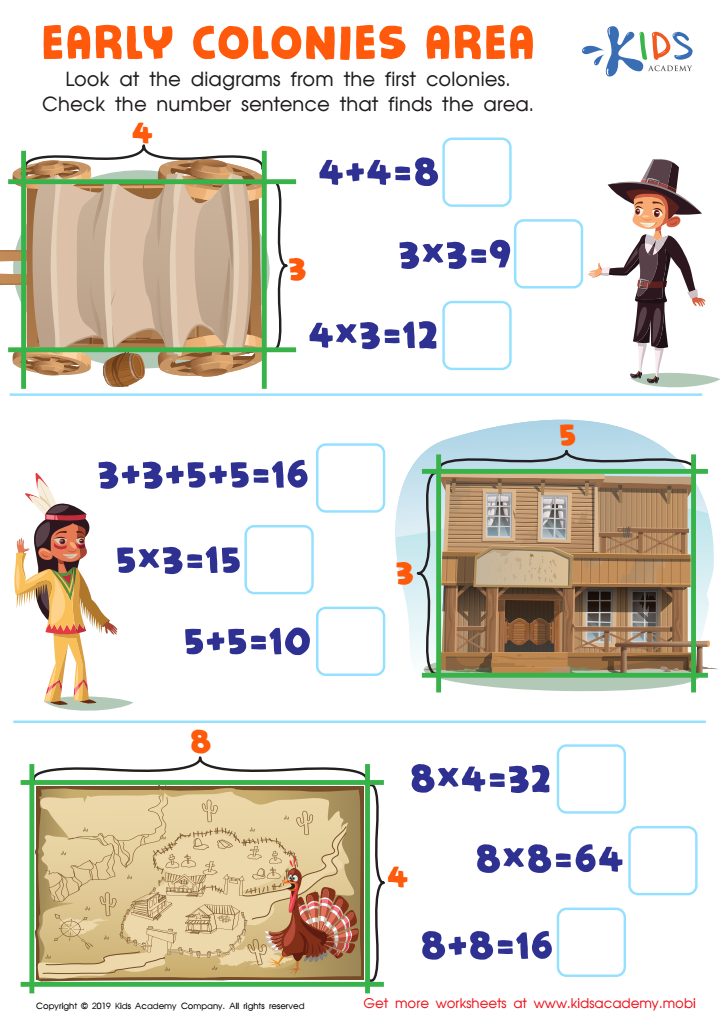
Early Colonies Area Worksheet
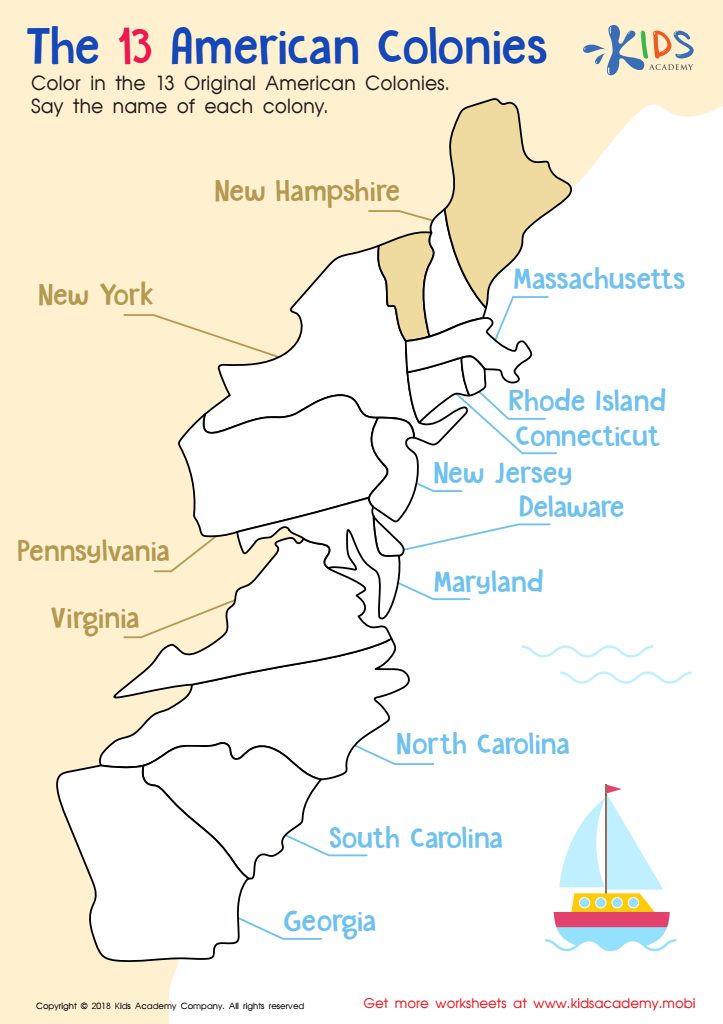
The 13 American Colonies Worksheet
 Assign to My Students
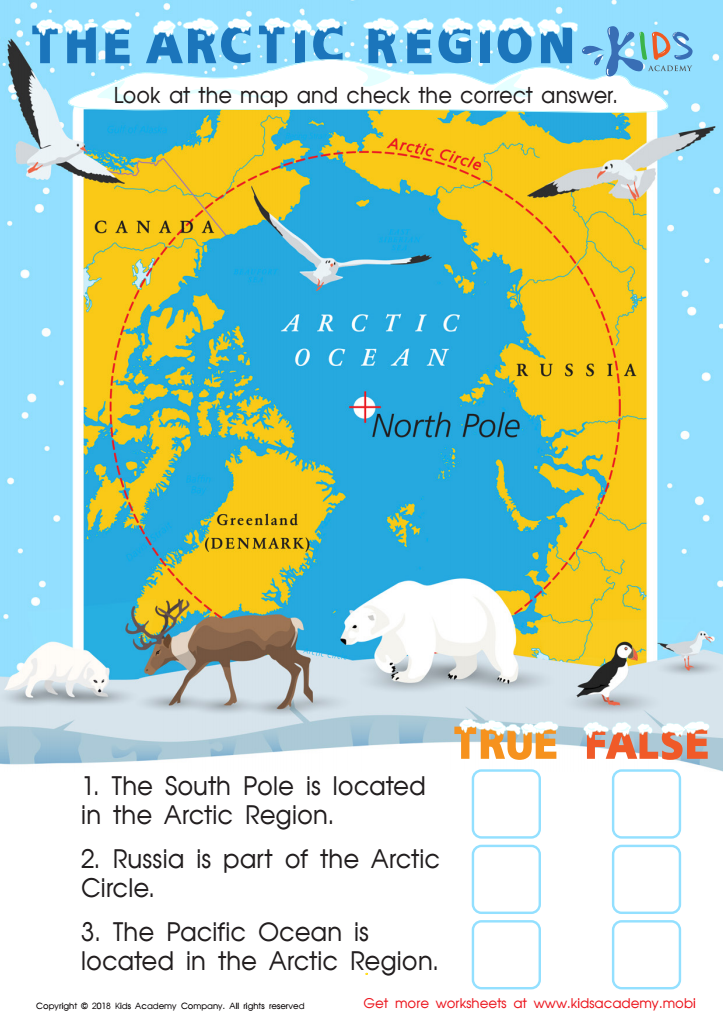
The Arctic Region Worksheet
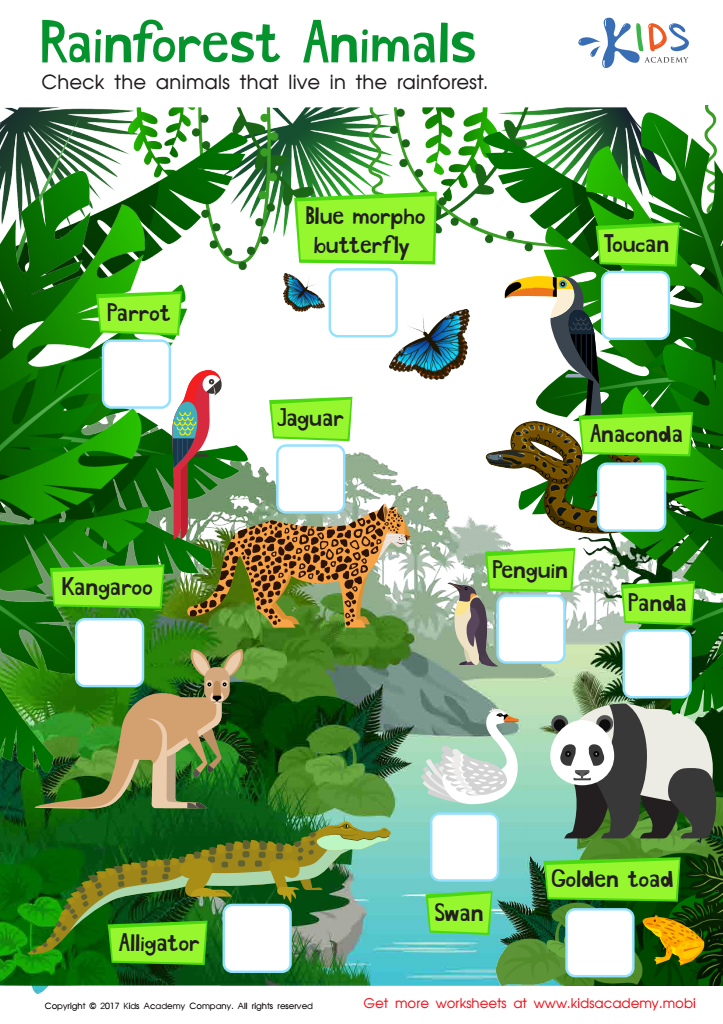
Rainforest Animals Worksheet






Geographic knowledge is essential for children aged 4-8 as it lays the foundation for a well-rounded understanding of the world around them. At this crucial developmental stage, children are naturally curious about their environment, and introducing them to geographic concepts can enhance their cognitive skills. Understanding geography helps young learners make connections between places, cultures, and communities, fostering empathy and social awareness.
Moreover, spatial awareness developed through geography aids in critical thinking and problem-solving abilities. Students learn to interpret symbols, read maps, and understand physical spaces, which are vital skills for academic success. Geographic knowledge also contributes to a child’s sense of identity, as they understand where they fit in the larger global community.
Furthermore, with the growing emphasis on global citizenship, teaching geographic concepts promotes awareness of environmental issues and encourages responsibility for the planet. In an increasingly interconnected world, educating young children about geography cultivates open-mindedness and respect for diversity.
Parents and teachers who prioritize geographic knowledge empower children to be informed and engaged learners, paving the way for a greater understanding of the world throughout their lives. By instilling these critical concepts early on, we equip the next generation with the tools they need to navigate our complex world.








