Identifying objects Worksheets for Ages 4-8
5 filtered results
-
From - To
Discover our engaging Identifying Objects Worksheets designed for children aged 4-8! These worksheets are perfect for helping young learners develop their observation and categorization skills through fun and interactive activities. Children will explore various objects, enhance their vocabulary, and learn to associate items based on their characteristics and uses. Each worksheet is crafted to captivate their interest while promoting critical thinking and attention to detail. Ideal for both classroom and home use, our worksheets make learning enjoyable and effective. Boost your child's confidence in identifying everyday objects by visiting our site today and downloading these valuable resources!
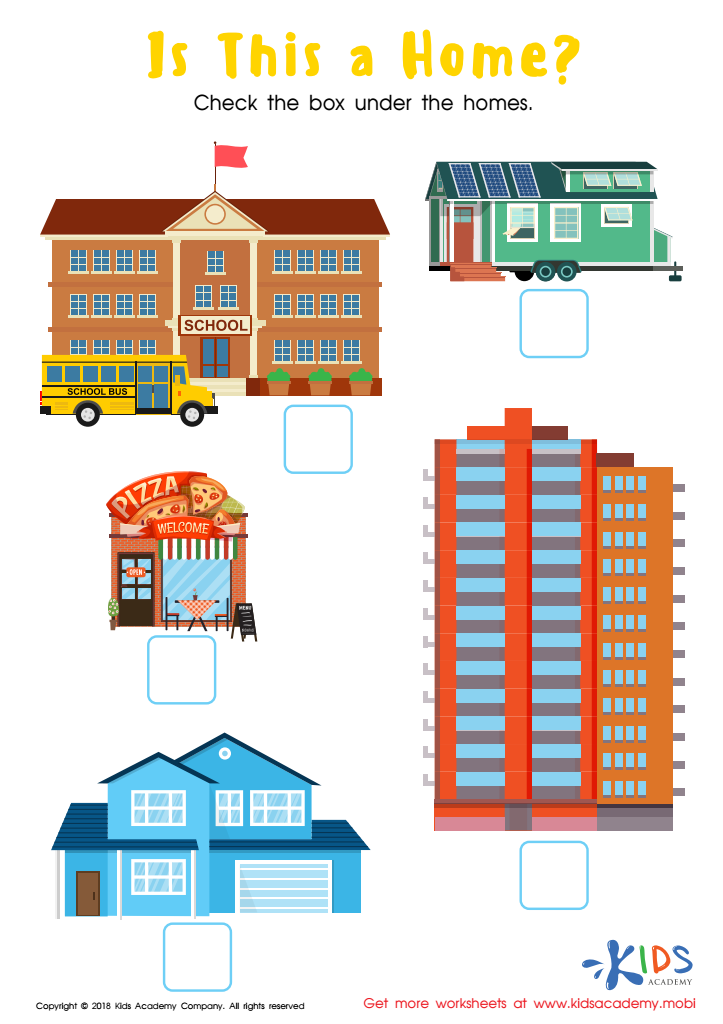
Is this a Home? Worksheet
 Assign to My Students
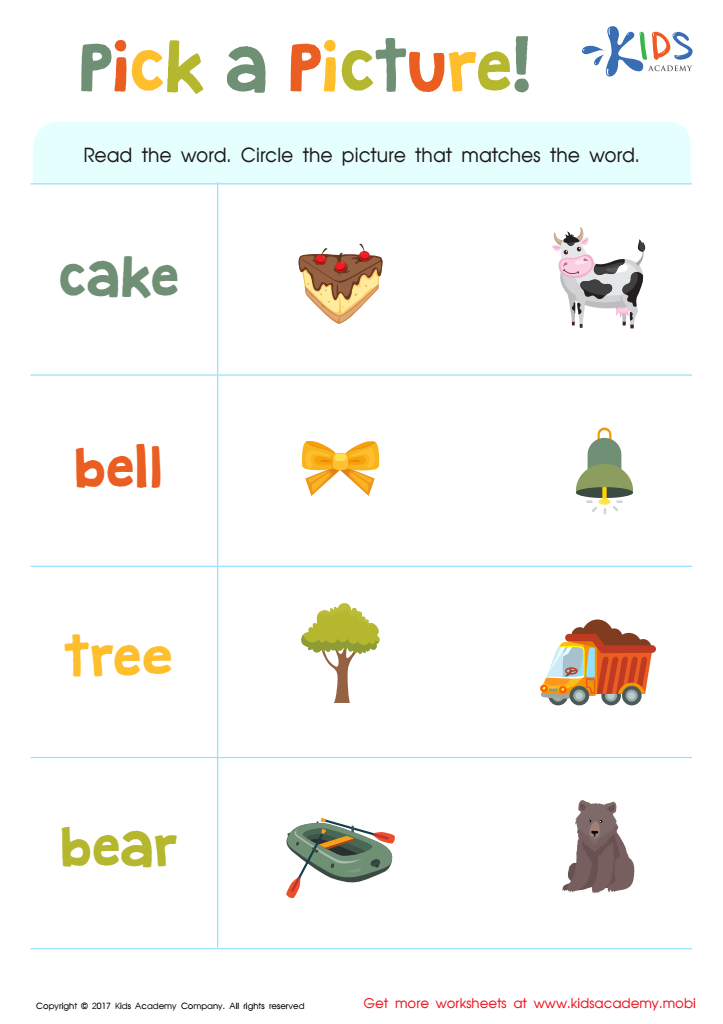
Pick a Picture Word Recognition Worksheet
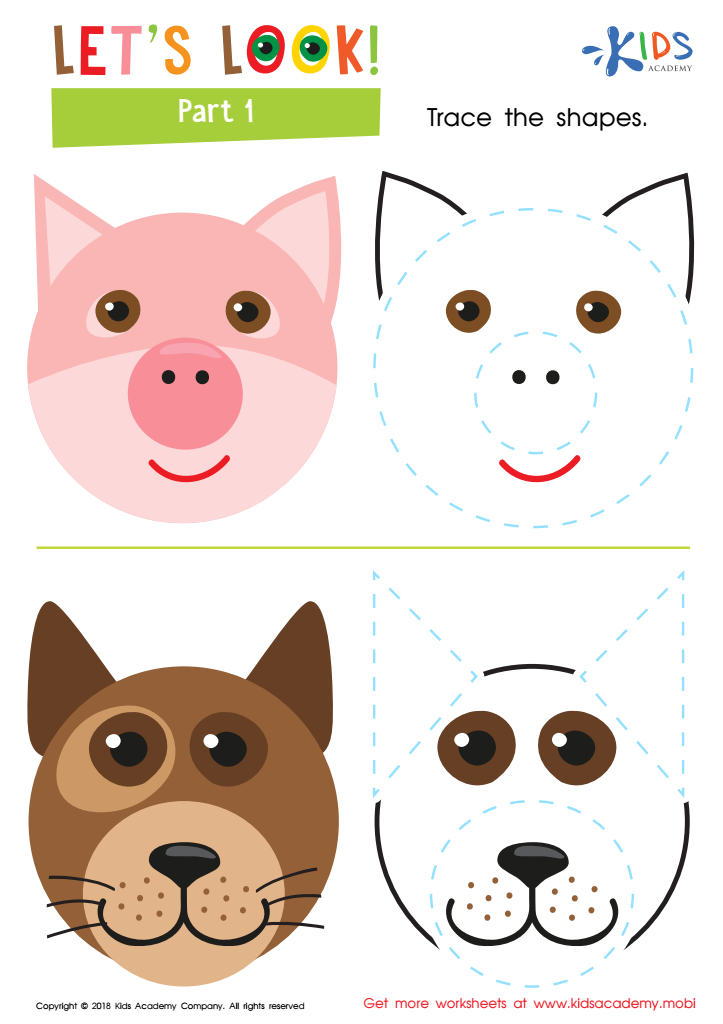
Let's Look! Part 1 Worksheet
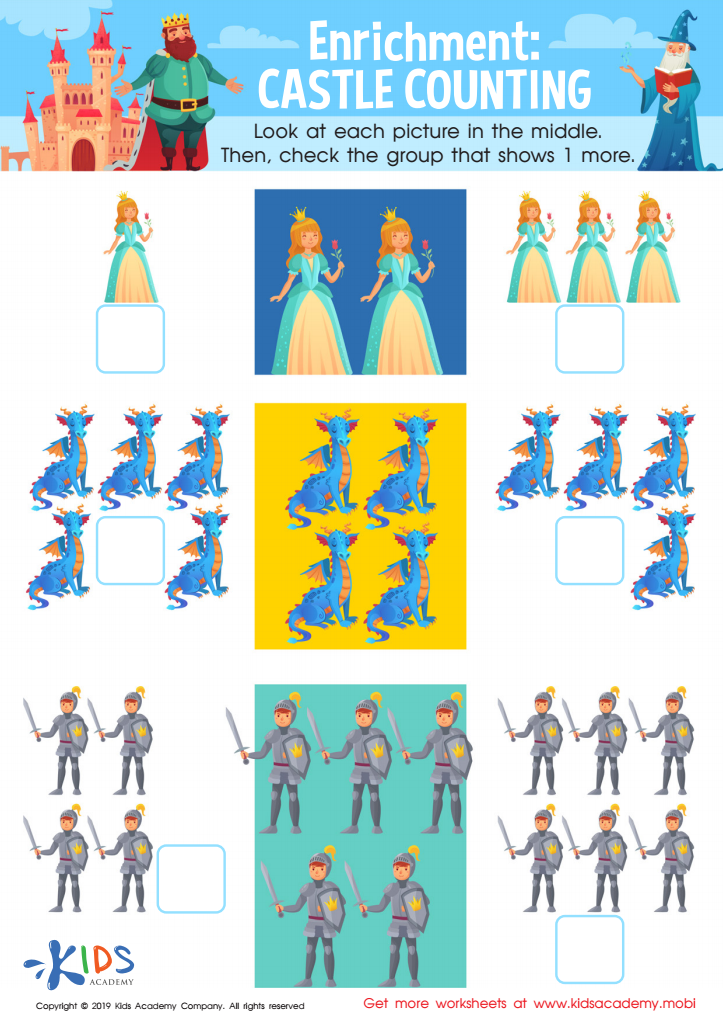
Enrichment: Castle Counting Worksheet
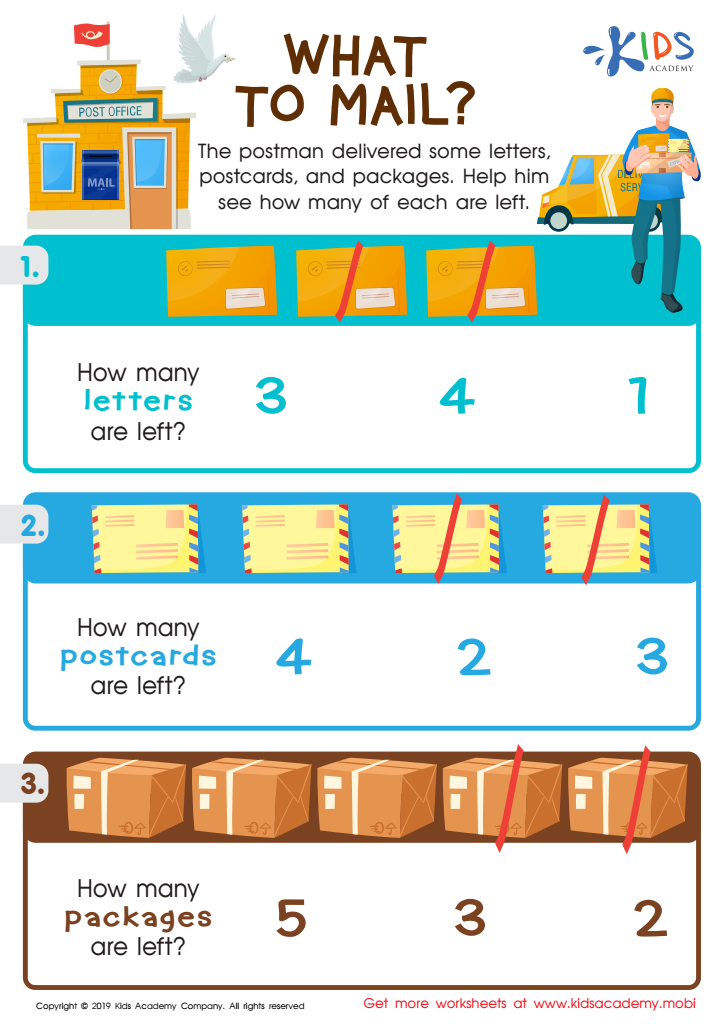
What to Mail? Worksheet






Identifying objects is a fundamental skill for children ages 4-8, essential for their cognitive and linguistic development. This skill lays the groundwork for critical thinking, as it fosters observation and reasoning abilities. When children learn to identify objects, they enhance their vocabulary, allowing them to articulate their thoughts and experiences more effectively.
Moreover, visual identification helps younger learners make sense of their environment. It supports the concept of categorization, which furthers their understanding of relationships between objects, enhancing their problem-solving skills. This foundational skill is also closely linked to early literacy; recognizing objects contributes to reading comprehension, as children learn to associate words with corresponding images.
Parents and teachers play crucial roles in this learning process. Engaging children through interactive activities—like scavenger hunts, matching games, or storytelling—can make identification fun and memorable. It also strengthens the parent-child or teacher-student bond through collaborative exploration.
Furthermore, watching children successfully identify objects boosts their self-esteem and reinforces their sense of achievement. In summary, focusing on object identification nurtures essential skills for cognitive growth, language development, and social interaction, making it a priority for both parents and educators.








