Improves hand-eye coordination Worksheets for Ages 4-8
3 filtered results
-
From - To
Enhance your child’s hand-eye coordination with our engaging worksheets designed specifically for ages 4-8! Our collection features fun, age-appropriate activities that nurture essential motor skills through playful learning. These interactive exercises include tracing, matching, and connecting dots, all aimed at helping young learners develop precision and control in their movements. Ideal for home or classroom use, these worksheets make practicing vital coordination skills enjoyable and effective. Empower your child to improve their focus, dexterity, and confidence with our thoughtfully crafted resources. Download now and watch them thrive as they explore the joy of learning while honing their motor abilities!
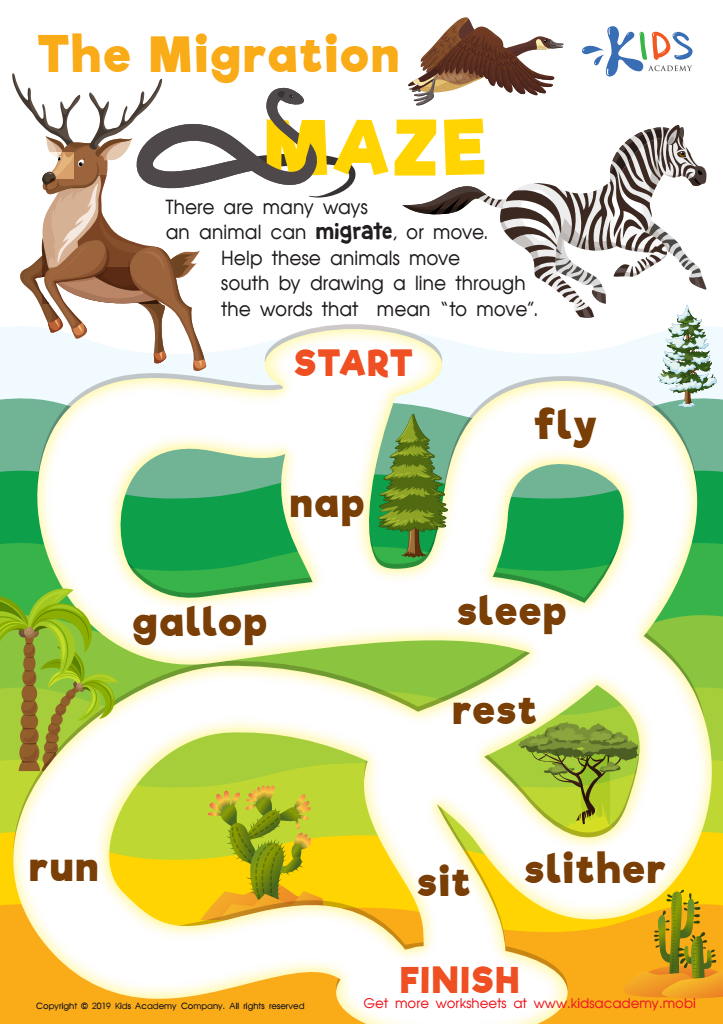
The Migration Maze Worksheet
 Assign to My Students
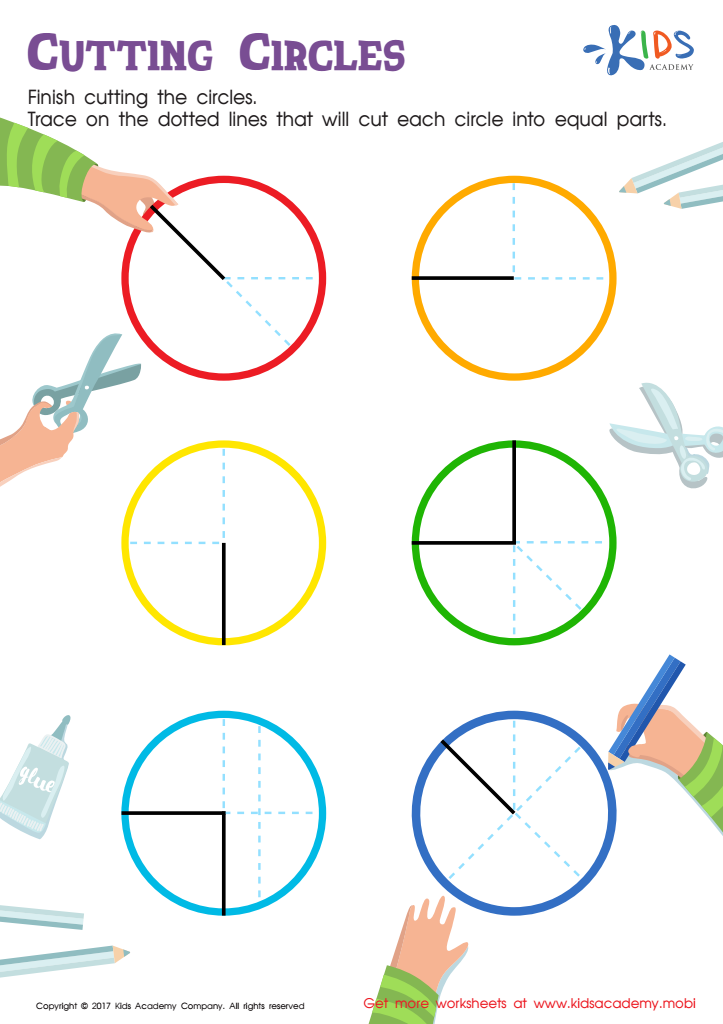
Cutting Circles Worksheet
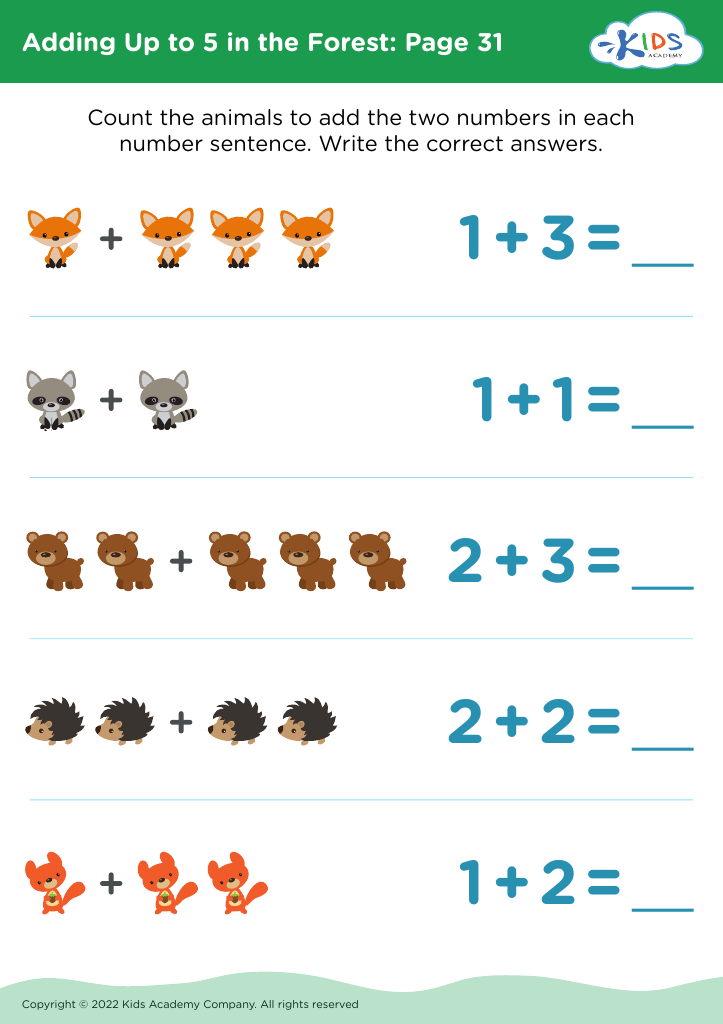







Improving hand-eye coordination is crucial for children aged 4-8, as it underpins various fundamental skills necessary for their development. This coordination is essential for everyday tasks, such as writing, drawing, and playing sports, which require precise movements and timing. As children engage in activities that enhance this skill, they also build their confidence and independence, making them more willing to take on new challenges.
For parents and teachers, fostering hand-eye coordination goes beyond physical skills; it impacts cognitive development as well. Activities that require coordination often involve following instructions, problem-solving, and critical thinking, all of which enrich a child's learning experience. Moreover, enhanced coordination can lead to improved performance in school, particularly in subjects that rely on fine motor skills, like art and math.
Encouraging students to participate in games, crafts, or sports that promote hand-eye coordination not only helps in physical development but also strengthens social skills as they learn to collaborate with peers. In essence, prioritizing hand-eye coordination activities is a holistic approach to supporting foundational physical, cognitive, and social skills, leading to comprehensive growth in young children.








