Money recognition Worksheets for Ages 4-8
9 filtered results
-
From - To
Boost your child's financial literacy with our "Money Recognition Worksheets for Ages 4-8." Designed to make learning about money fun and engaging, these printable worksheets help young learners identify, count, and understand the value of coins and bills. Perfect for preschool and early elementary students, our activities include coloring, matching, and simple math challenges. With a focus on real-life skills, our worksheets support your child's development in a playful, age-appropriate way. Visit our site now and start your child on the path to smart financial habits with resources trusted by parents and educators alike!
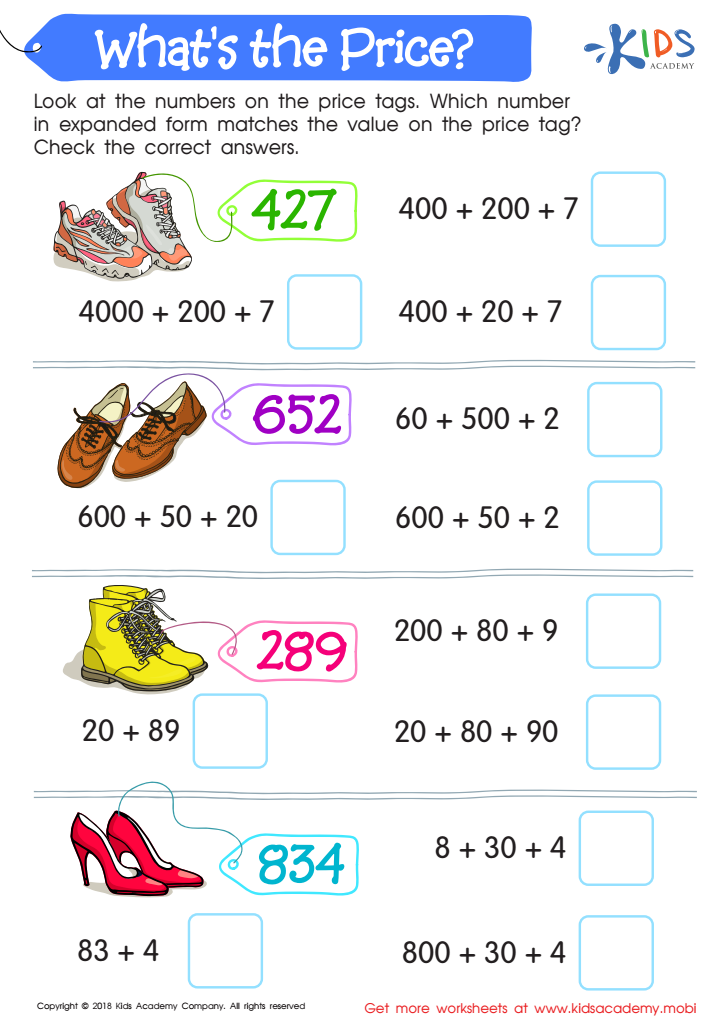
What's the Price? Worksheet
 Assign to My Students
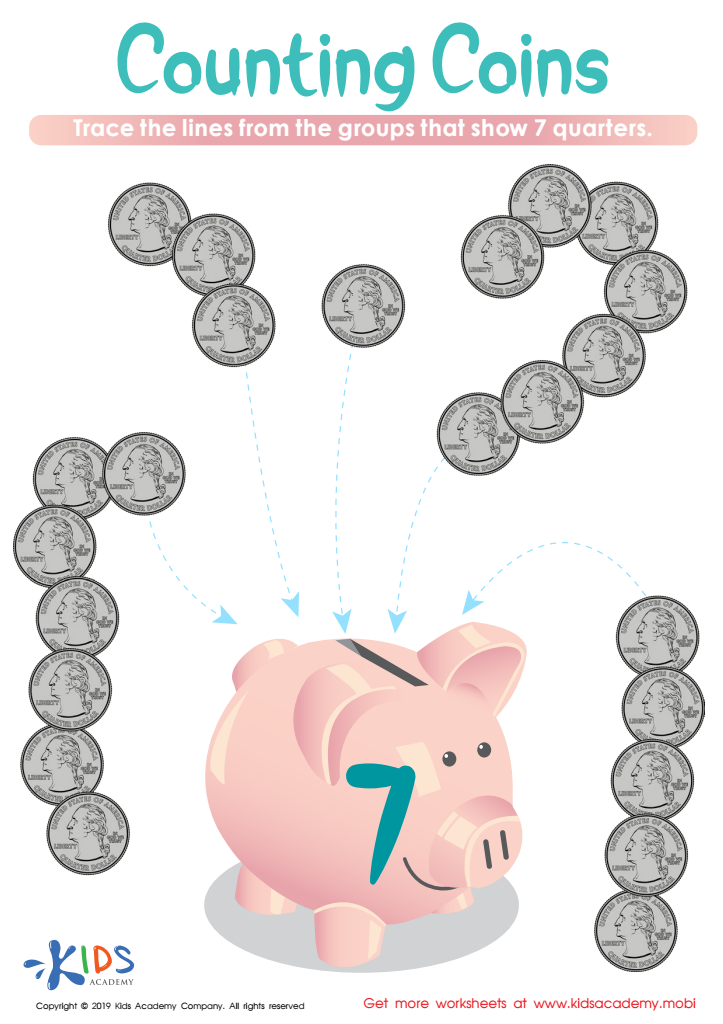
Counting Coins Worksheet
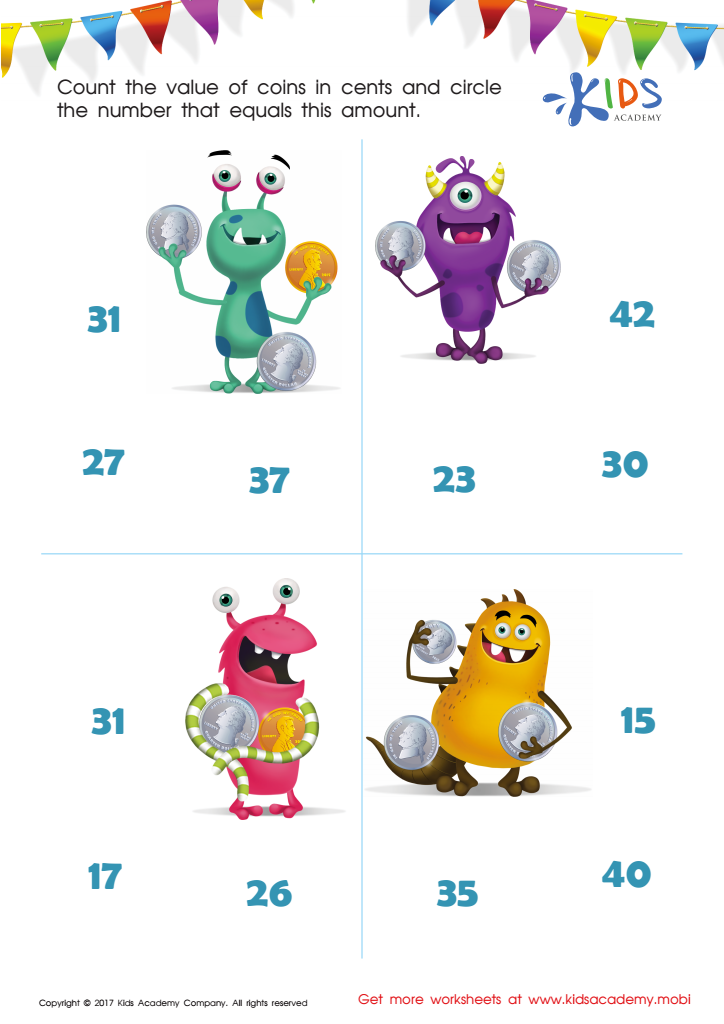
How Many Coins Money Worksheet
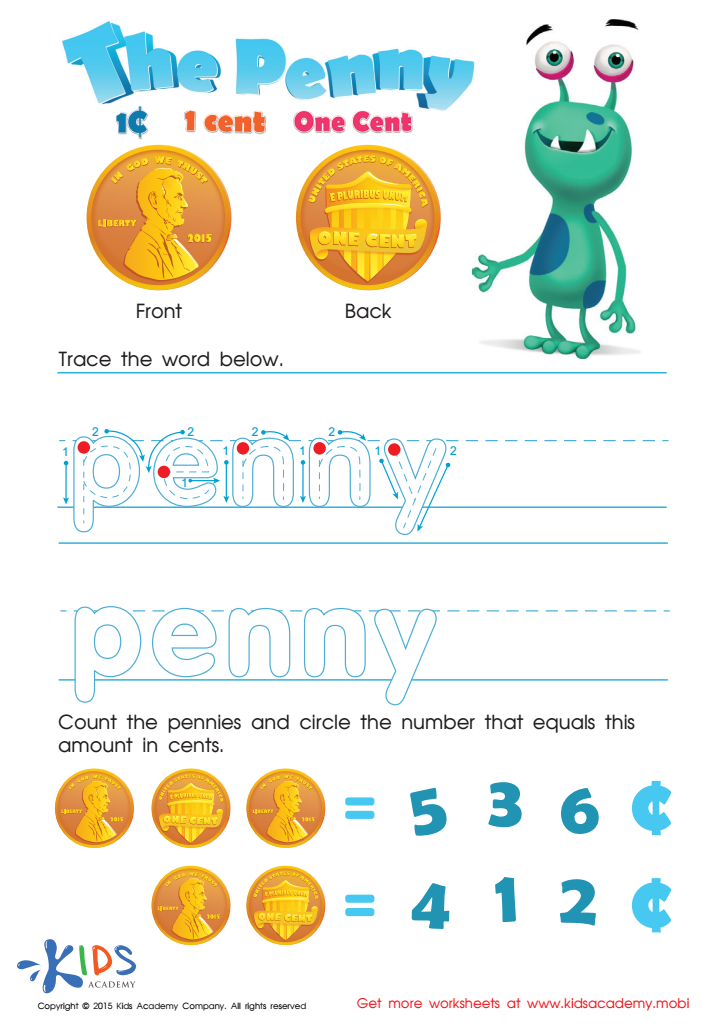
One Cent or the Penny Money Worksheet
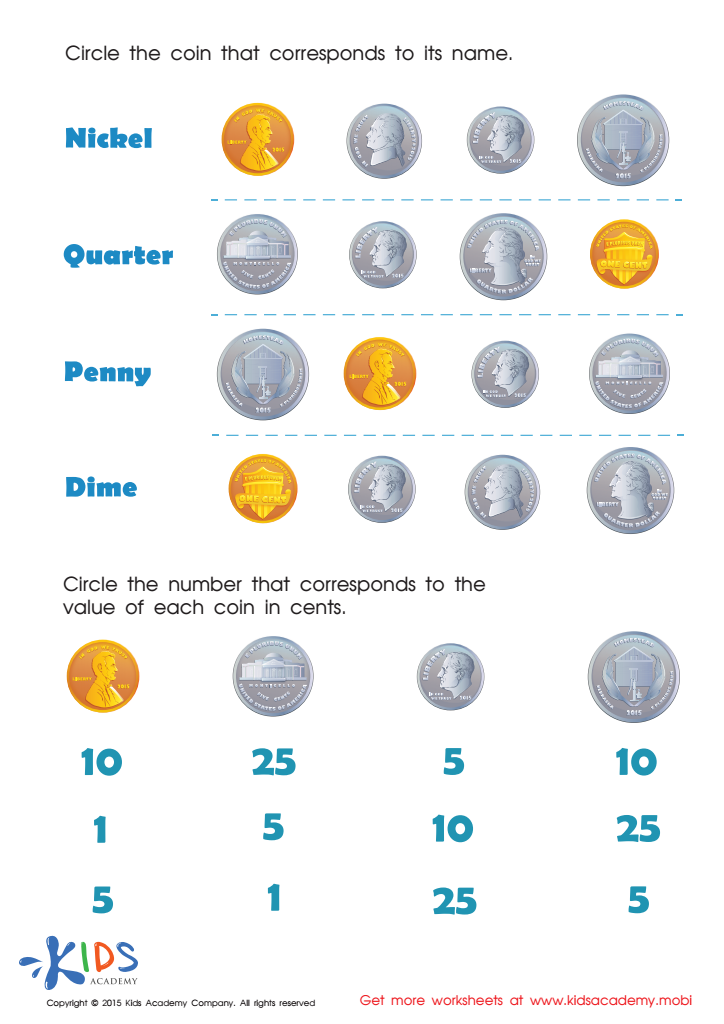
Coin Names and Values Money Worksheet
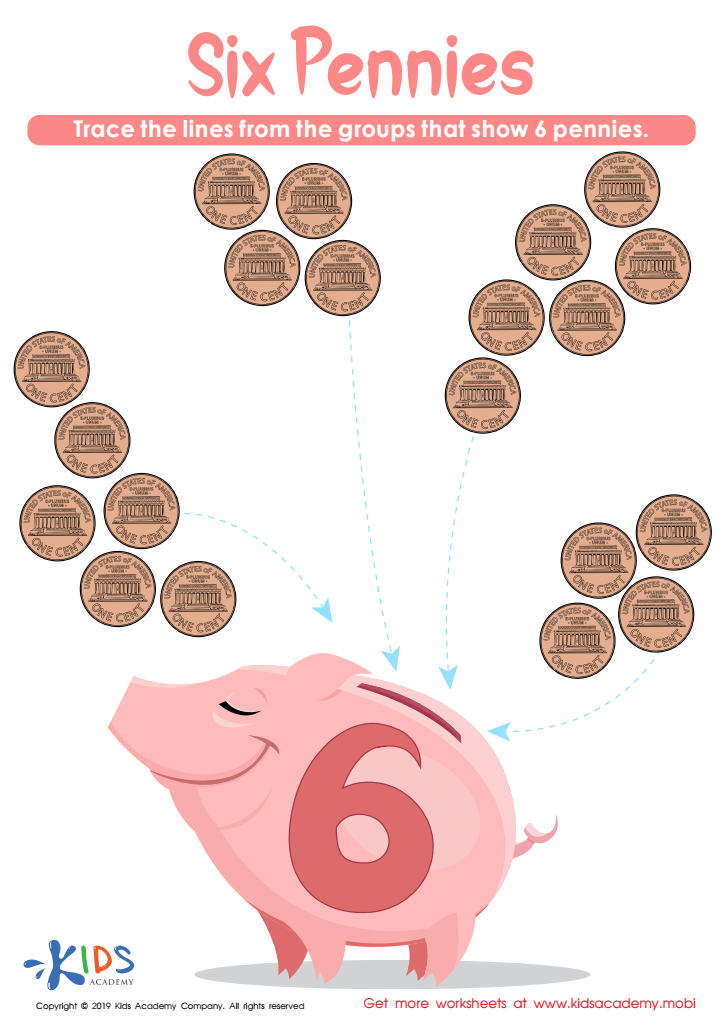
Six Pennies Worksheet
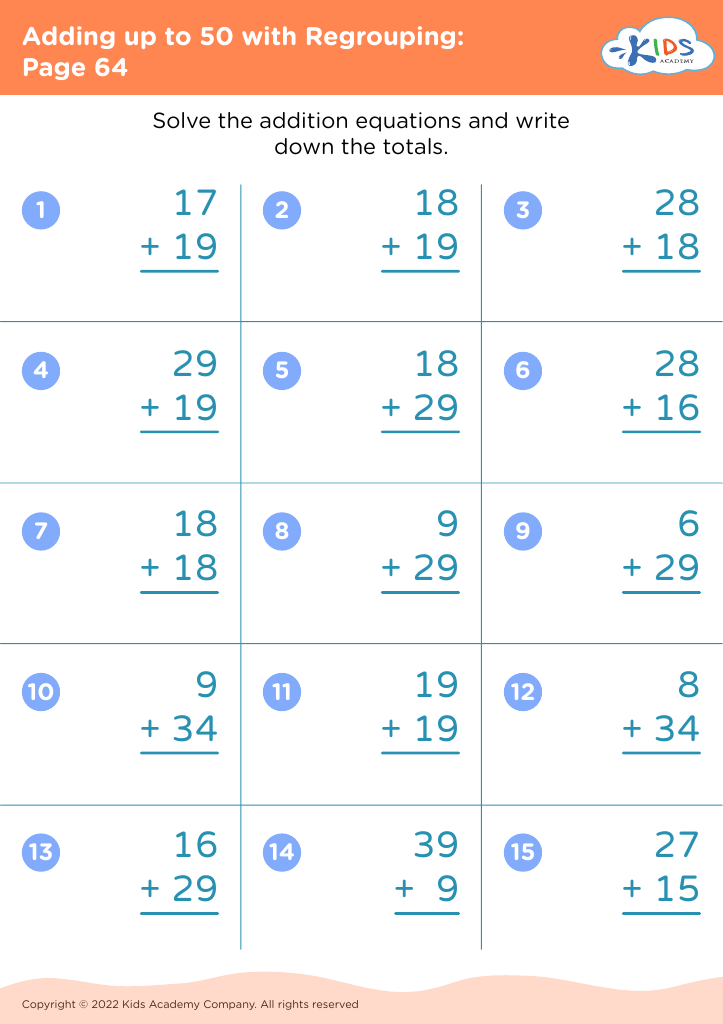
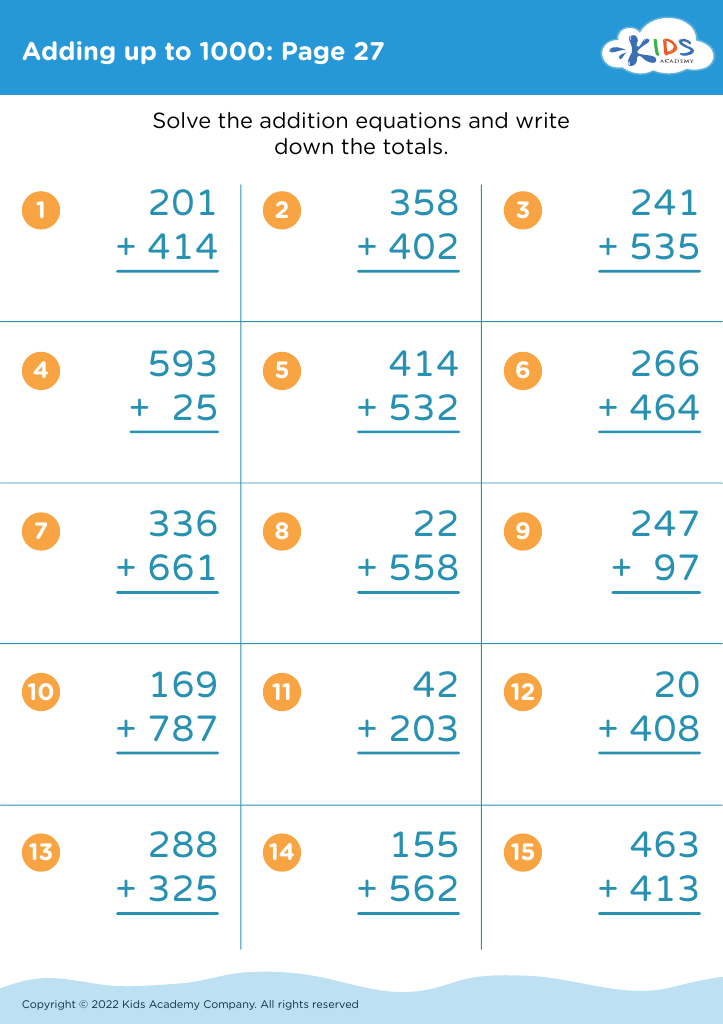
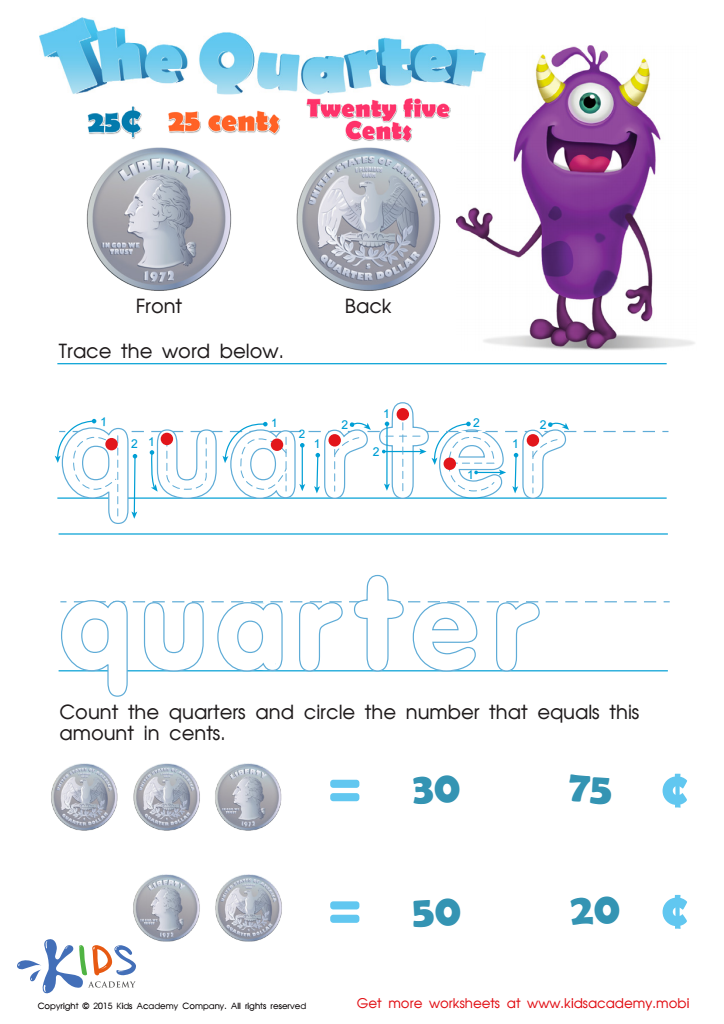
Twenty Five Cents or the Quarter Money Worksheet







Money recognition is a crucial life skill that parents and teachers should prioritize teaching to children aged 4-8. Early introduction to this concept serves multiple purposes essential for the child's development. Firstly, it builds fundamental mathematical skills. Recognizing different denominations and understanding their values encourage counting, addition, subtraction, and even the basics of multiplication and division.
Secondly, money recognition fosters cognitive development. Handling and identifying money requires focus, memory, and decision-making skills, which are vital for overall intellectual growth. Besides academic benefits, it helps in developing financial literacy early on. Children acquire the basics of budgeting, saving, and responsible spending, laying the groundwork for future financial stability.
In social contexts, understanding money empowers children to engage more confidently in real-life activities such as small purchases or games involving currency, promoting independence. It also serves as an entry point for discussions on needs versus wants, delayed gratification, and the concept of earning through chores or other activities, introducing children to the value of labor and reward.
Lastly, teaching money recognition can strengthen parent-child and teacher-student bonds through shared learning experiences. Interactive and fun activities around money can make abstract mathematical concepts concrete and relatable, ensuring the lessons are both enjoyable and profound. This layered approach equips children with skills they will use throughout their lives.








