
Numerical problem solving Worksheets for Ages 4-8
6 filtered results
Difficulty Level
Grade
Age
-
From - To
Subject
Activity
Standards
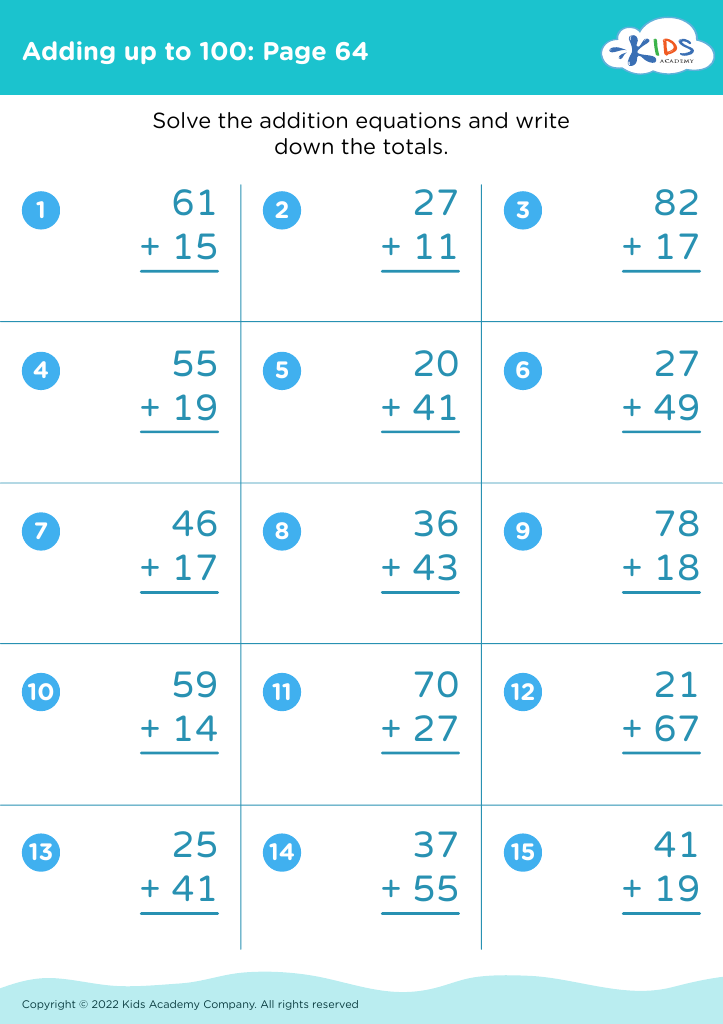
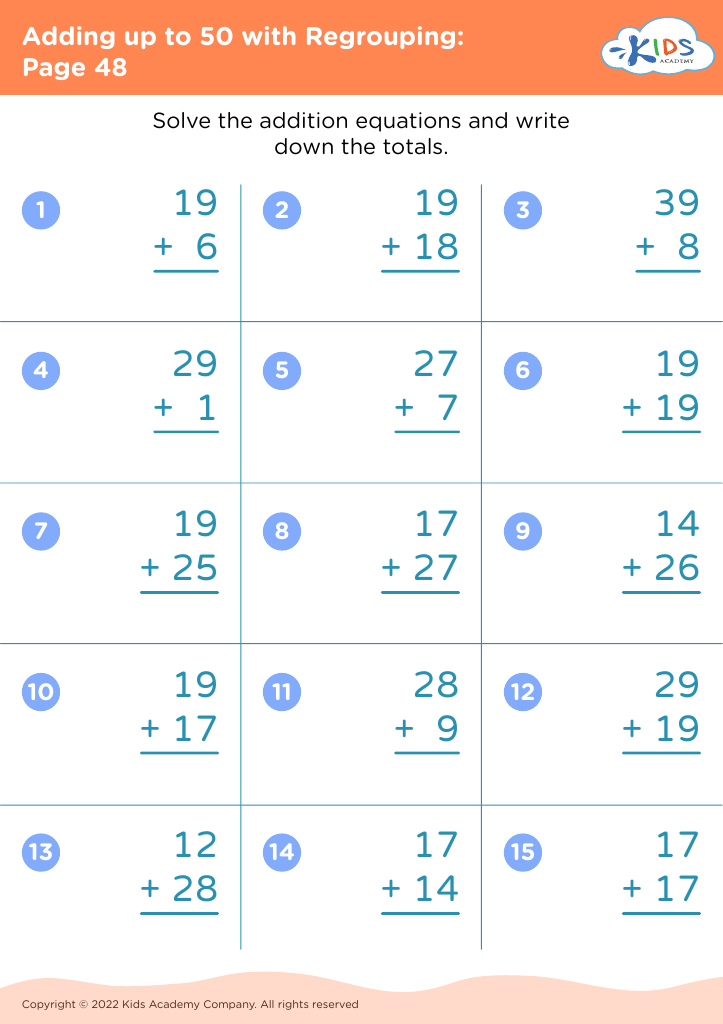
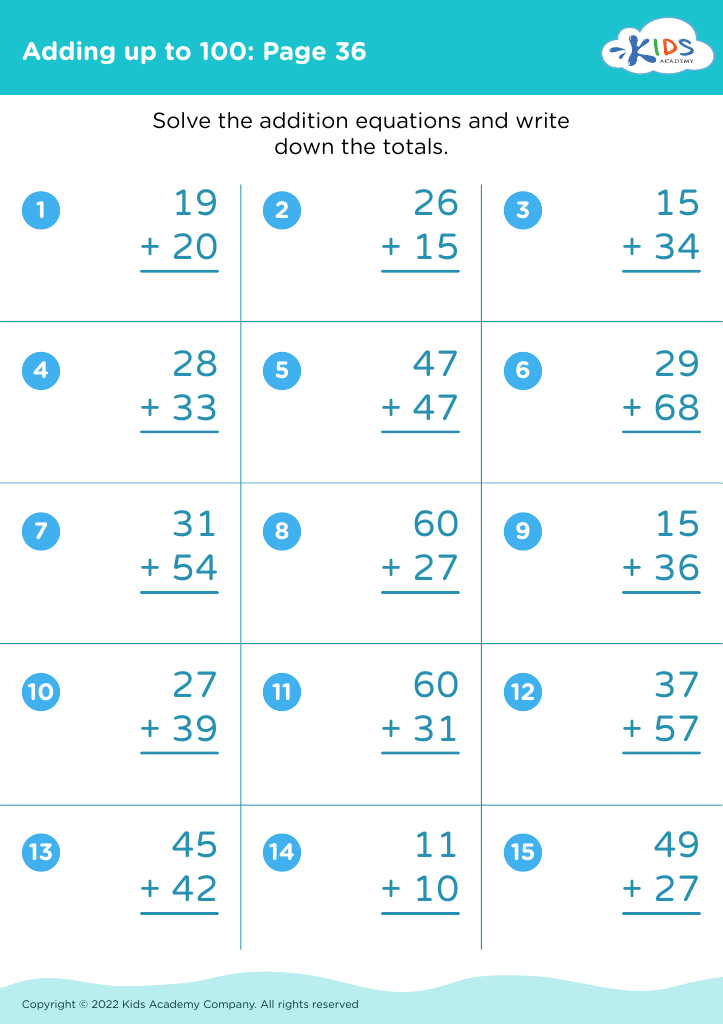
Introduce young learners to the world of numbers with our Numerical Problem Solving Worksheets designed for ages 4-8. Tailored to enhance early math skills, these worksheets make learning fun and engaging through colorful and interactive activities. Children will enjoy exercises that range from basic addition and subtraction to more challenging word problems. As they navigate through various scenarios, they'll develop critical thinking and reasoning abilities essential for future academic success. Ideal for classroom and home use, our worksheets offer a solid foundation in math, fostering a love for learning in a supportive and stimulating environment. Explore now and help your child excel!
Favorites
With answer key
Interactive
Join Kids Academy for Free
Who is primarily going to use this learning content?






Numerical problem solving for children ages 4-8 is foundational for their cognitive development and future academic success. At this critical period, young learners are developing their abilities to think abstractly, recognize patterns, and make connections between concepts. Introducing numerical problem solving early establishes a robust mathematical foundation, equipping children with essential skills they will use throughout their lives.
Firstly, numerical problem solving nurtures critical thinking and reasoning skills. When children are engaged in playful, age-appropriate math activities, they learn to approach problems logically and devise strategies to find solutions. This cognitive flexibility is crucial not just for mathematics, but for everyday decision-making and for approaching new learning situations positively and confidently.
Moreover, early engagement in numerical problem solving promotes a positive attitude towards mathematics. By making math fun and accessible, teachers and parents can help children associate math with enjoyment rather than anxiety. This positive experience increases the likelihood of future success and enthusiasm for the subject.
Lastly, understanding basic numerical concepts at a young age paves the way for more complex mathematical learning. As children grow, a solid grasp of early math concepts like number sense, addition, and subtraction serves as the groundwork for advanced topics like multiplication, division, and critical-thinking scenarios involving math. Therefore, prioritizing numerical problem solving in early childhood sets a trajectory for lifelong learning and adaptation in an increasingly numbers-driven world.








