Phonics improvement Worksheets for Ages 4-8
6 filtered results
-
From - To
Enhance your child’s literacy skills with our engaging Phonics Improvement Worksheets designed for ages 4-8! These printables foster a strong foundation in phonics, helping young learners decode words and pronounce them correctly. Our worksheets feature fun activities, including letter sounds, blending exercises, and rhyming tasks that make learning enjoyable. Tailored for various skill levels, they support differentiated learning, ensuring that each child progresses at their own pace. Perfect for both classroom and home use, these resources empower teachers and parents to cultivate a love for reading and promote essential phonetic awareness. Explore our collection and boost your child’s confidence in reading today!
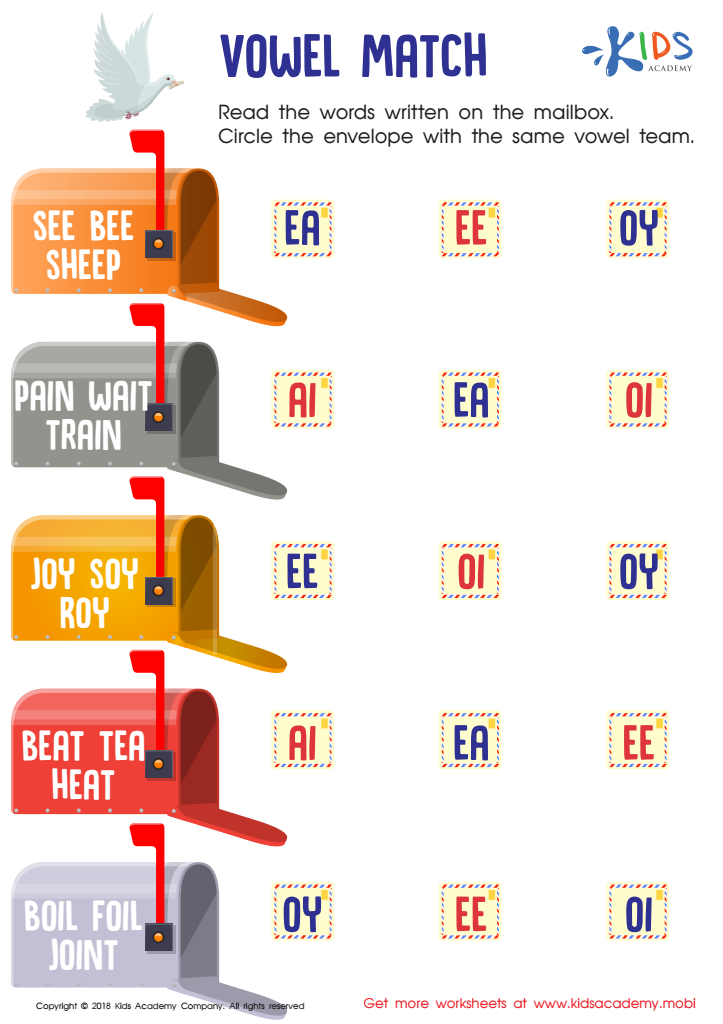
Vowel match Worksheet
 Assign to My Students
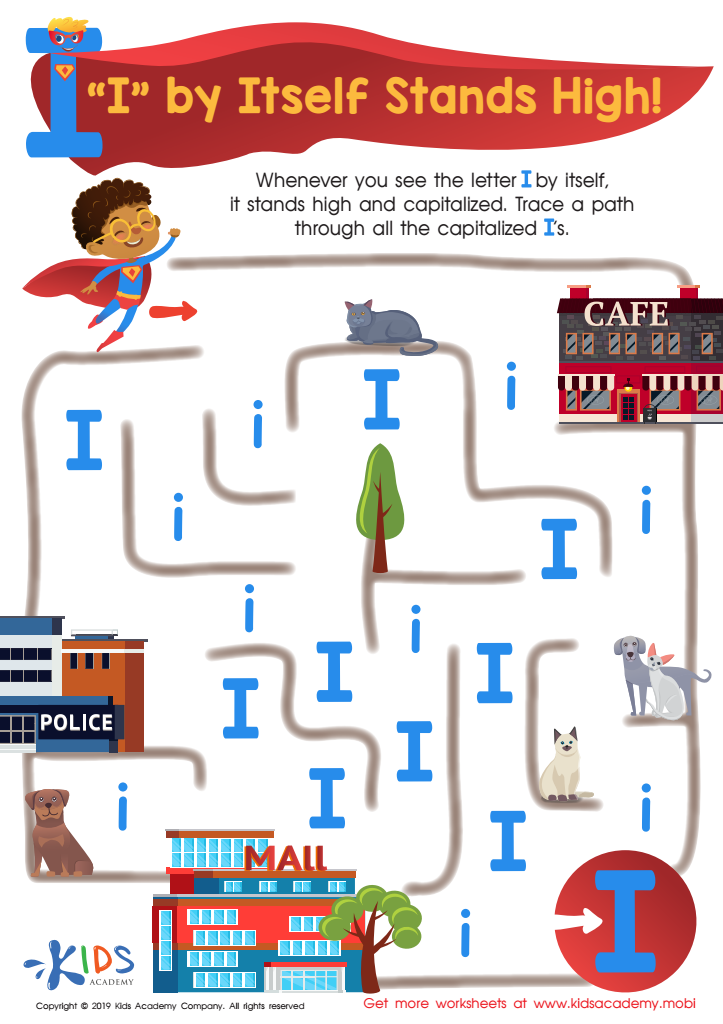
I Stands High Worksheet
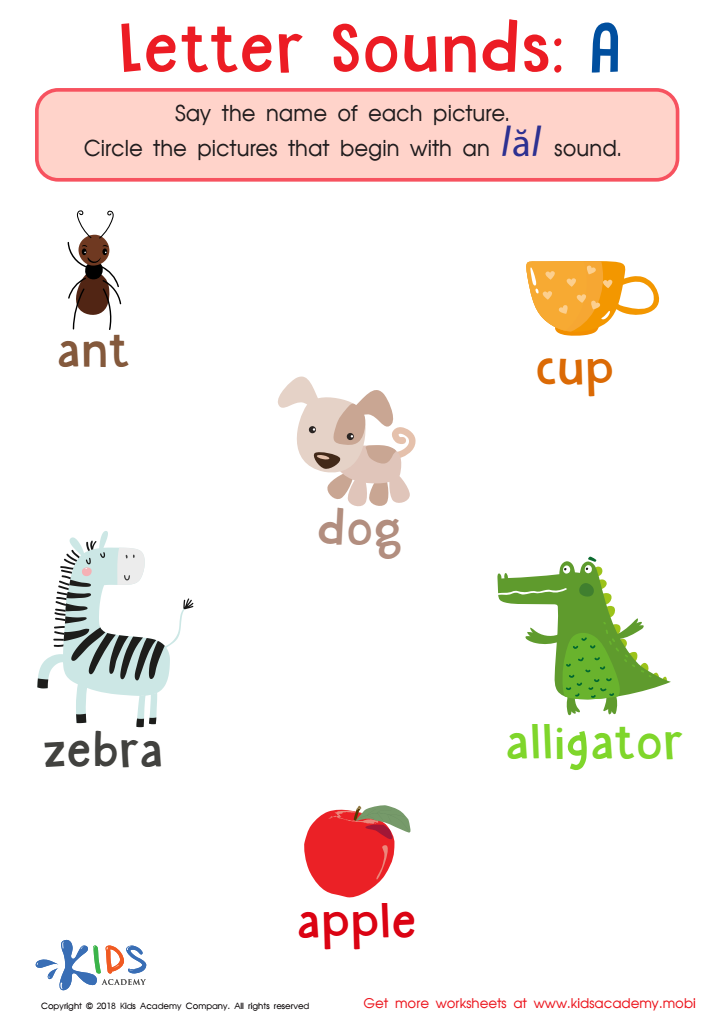
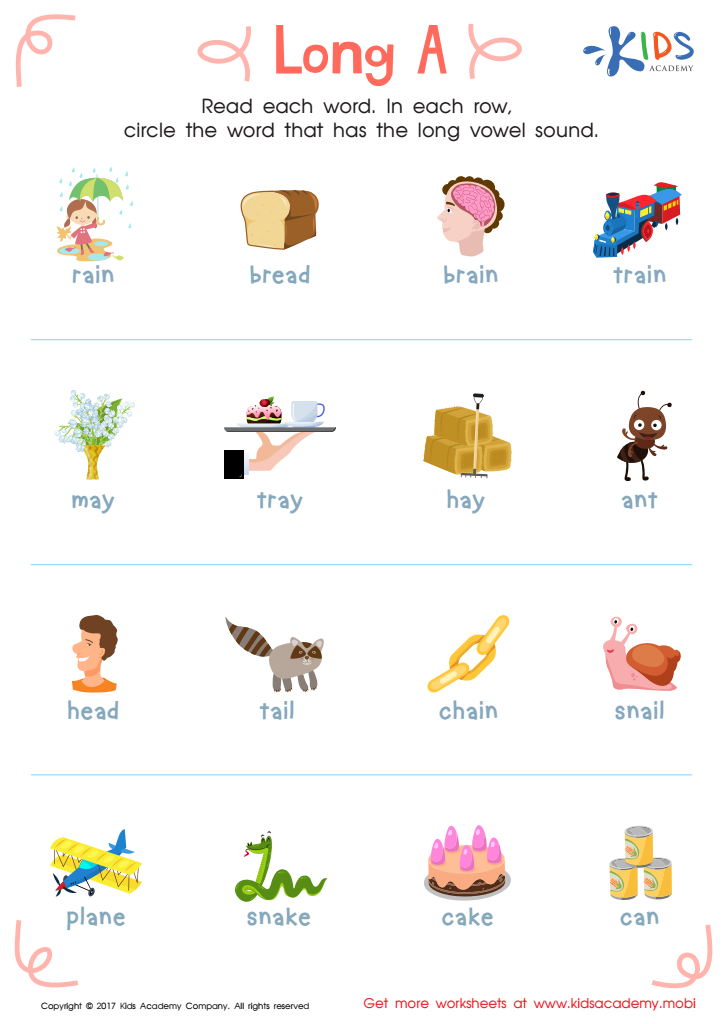
Letter A Sounds Worksheet
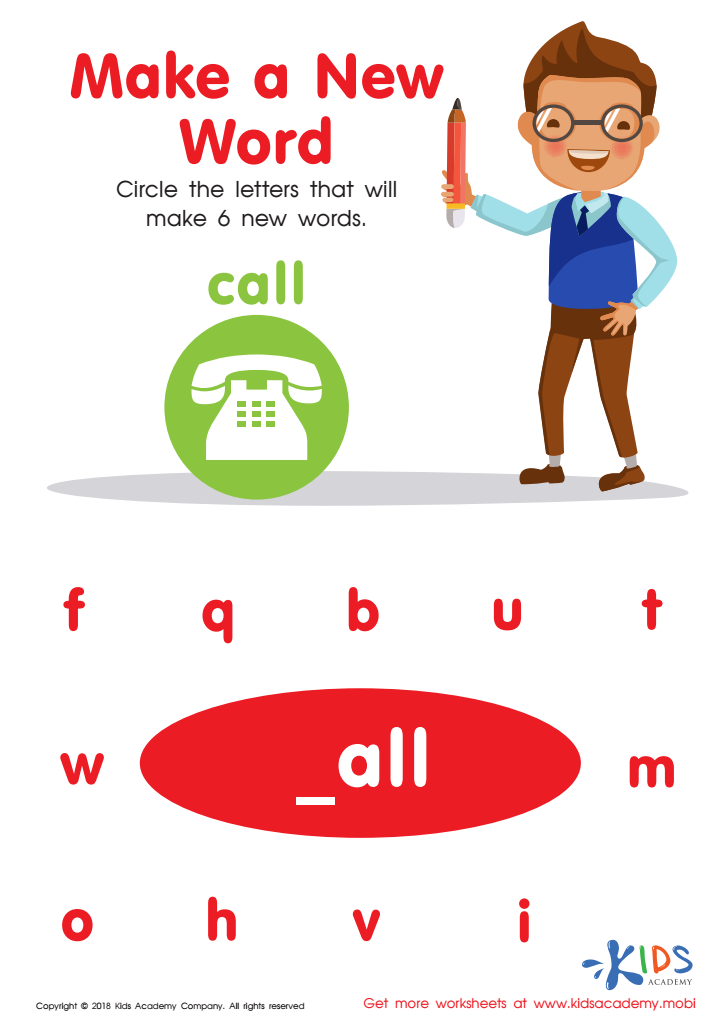
Make a New Word Worksheet
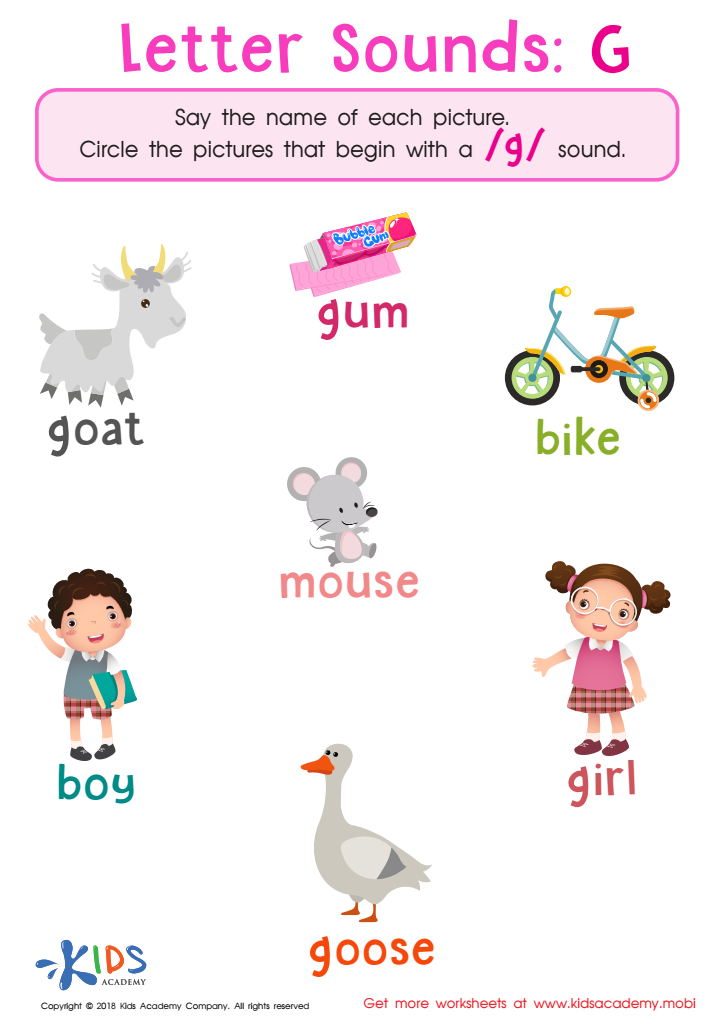
Letter G Sounds Worksheet







Phonics instruction is crucial for children aged 4-8 as it lays the foundation for reading and writing skills, key components of academic success. By understanding the relationship between letters and sounds, children can decode words, which boosts their confidence and fluency in reading. This early mastery of phonics fosters better comprehension skills, enabling kids to engage with texts meaningfully, which is essential in their formative educational years.
Parents and teachers should prioritize phonics improvement because it significantly impacts a child's literacy development. Strong phonetic skills can prevent reading difficulties, often leading to confident, independent learners. Research shows that children who receive effective phonics instruction are more likely to perform well in school and develop a lifelong love for reading.
Moreover, early phonics learning supports language development and enhances vocabulary acquisition. By engaging with text, children can connect sounds with letters and understand spelling patterns, benefiting their overall communication skills. Encouraging phonics practice at home or in classrooms creates a positive learning environment where children feel motivated to explore language. Ultimately, investing in phonics not only helps children succeed academically but also equips them with essential tools for critical thinking and self-expression. This makes phonics improvement a key concern for both parents and educators.








