Understand number relationships Worksheets for Ages 4-8
5 filtered results
-
From - To
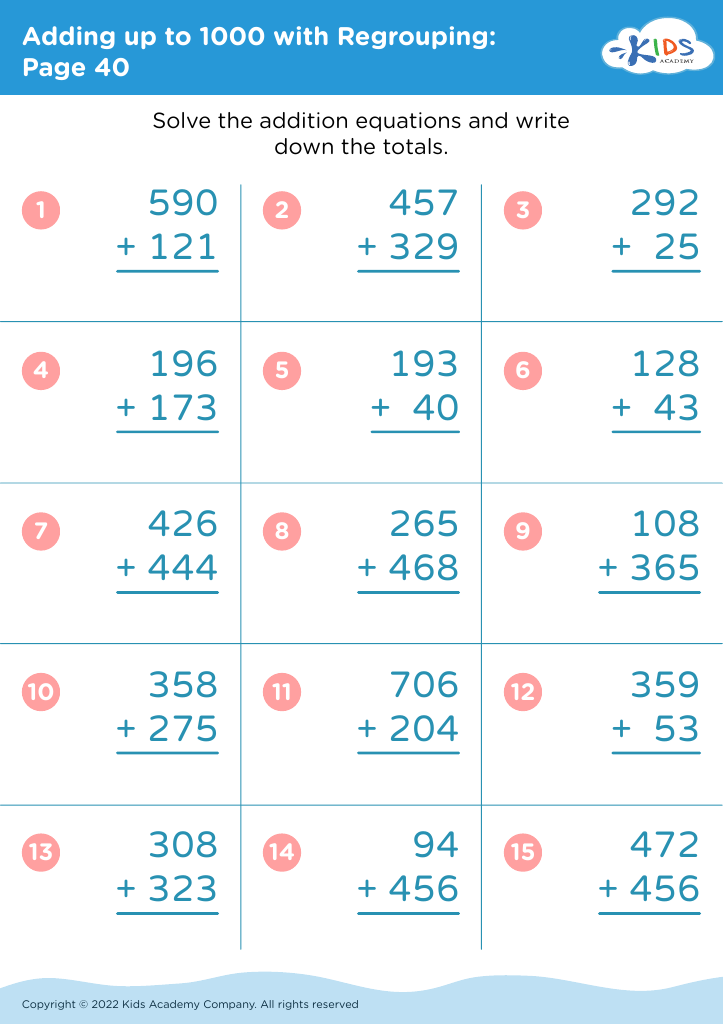
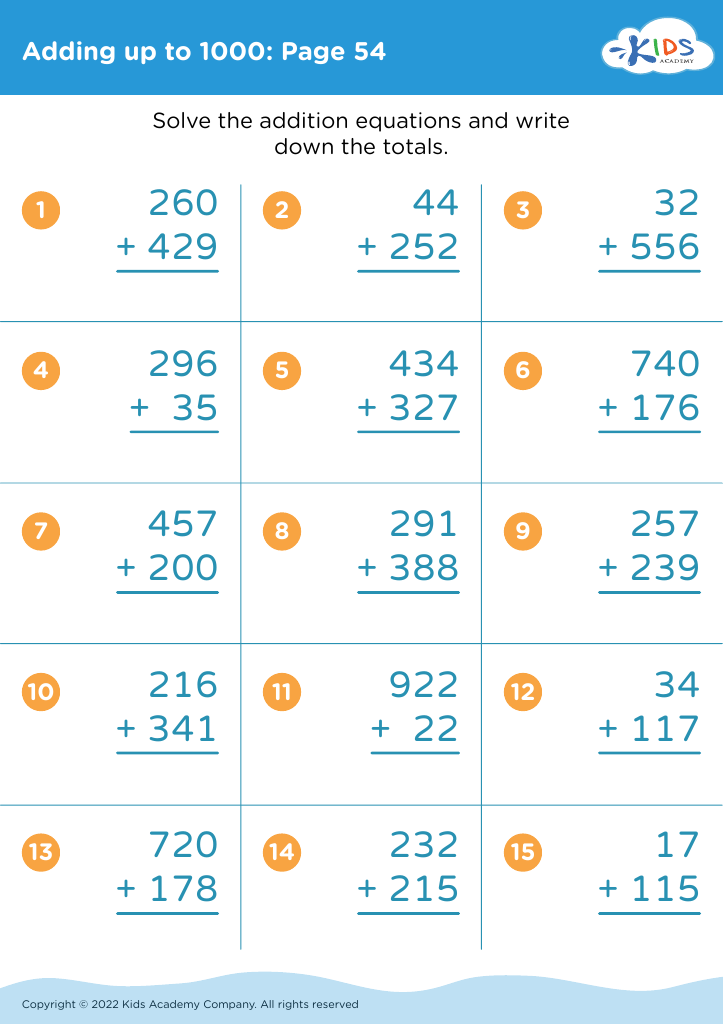
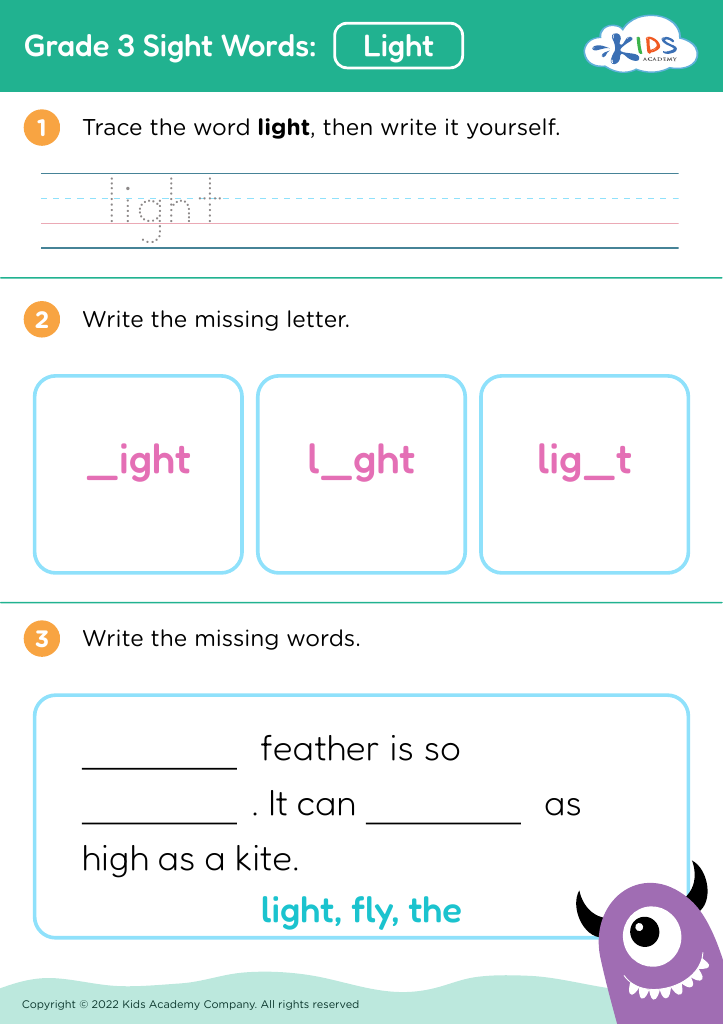
Explore our "Understand Number Relationships Worksheets" designed for children aged 4 to 8! These engaging, interactive worksheets help young learners develop a strong foundation in number relationships through fun activities and colorful visuals. Kids will strengthen their math skills as they explore concepts like greater than, less than, and equal to. Our resources encourage critical thinking and problem-solving while making learning enjoyable. Perfect for both classroom and home use, these worksheets foster a love for math in early learners, setting them up for future success. Download now to support your child’s journey in mastering essential number concepts!
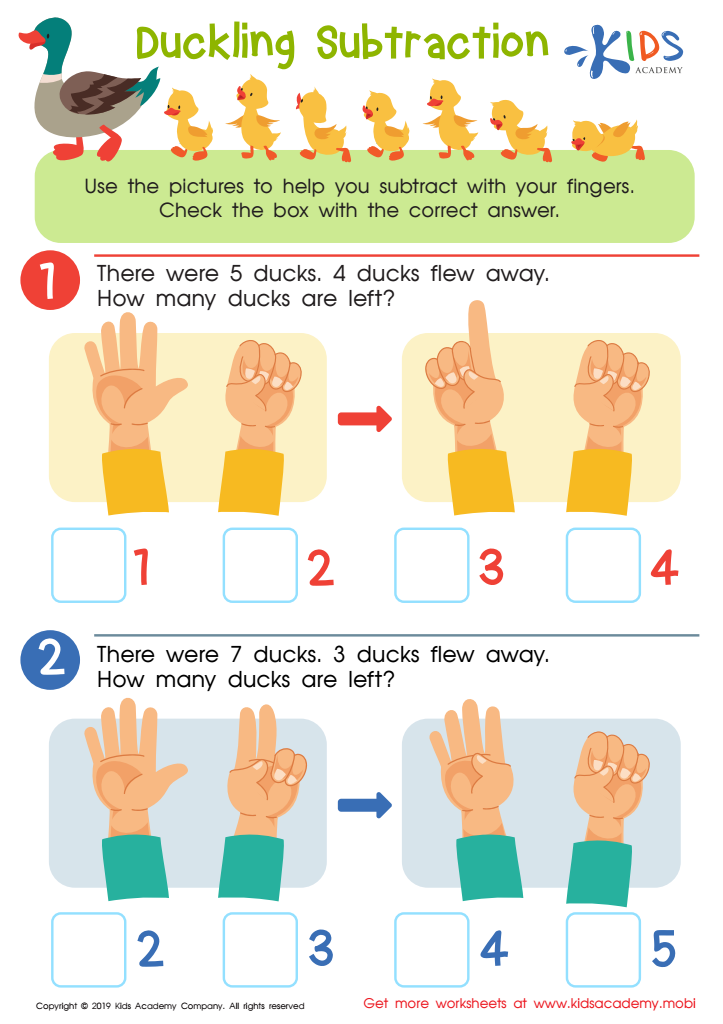
Duckling Subtraction Worksheet
 Assign to My Students







Understanding number relationships is fundamental for children aged 4-8 as it lays the groundwork for their mathematical journey. During these formative years, children begin to grasp essential concepts such as addition, subtraction, and the significance of numbers in everyday life. By recognizing number relationships—such as greater than, less than, equivalent, and the basic operations—children develop critical thinking and problem-solving skills that extend beyond math itself.
Furthermore, these early skills promote mathematical fluency, enabling students to approach complex concepts with confidence. Parents and teachers play a crucial role in facilitating this understanding by engaging children in interactive activities that highlight numerical connections. This could include games, storytelling, or everyday scenarios like sharing snacks, which make learning practical and enjoyable.
Additionally, fostering an understanding of number relationships enhances children's ability to cooperate, share, and negotiate, contributing to their social development. As children engage with numbers, they also build resilience through trial and error, learning that mistakes are a part of the learning process. For parents and teachers, encouraging a strong foundation in number relationships not only sets the stage for academic success but also prepares children for the increasingly complex world around them.








