Understand sequencing Worksheets for Ages 4-8
4 filtered results
-
From - To
Discover the importance of sequencing for children aged 4-8 with our engaging worksheets! Sequencing helps young learners develop vital skills such as comprehension, logic, and critical thinking. Our carefully designed worksheets make understanding sequencing fun and easy, featuring colorful illustrations and age-appropriate activities. Kids will learn to connect events, organize information, and follow step-by-step instructions. Whether it's telling a story or completing a simple task, our resources provide the perfect tools for enhancing cognitive development. Ideal for teachers or parents, these worksheets create an interactive learning experience that can be used at home or in the classroom. Start building essential skills today!
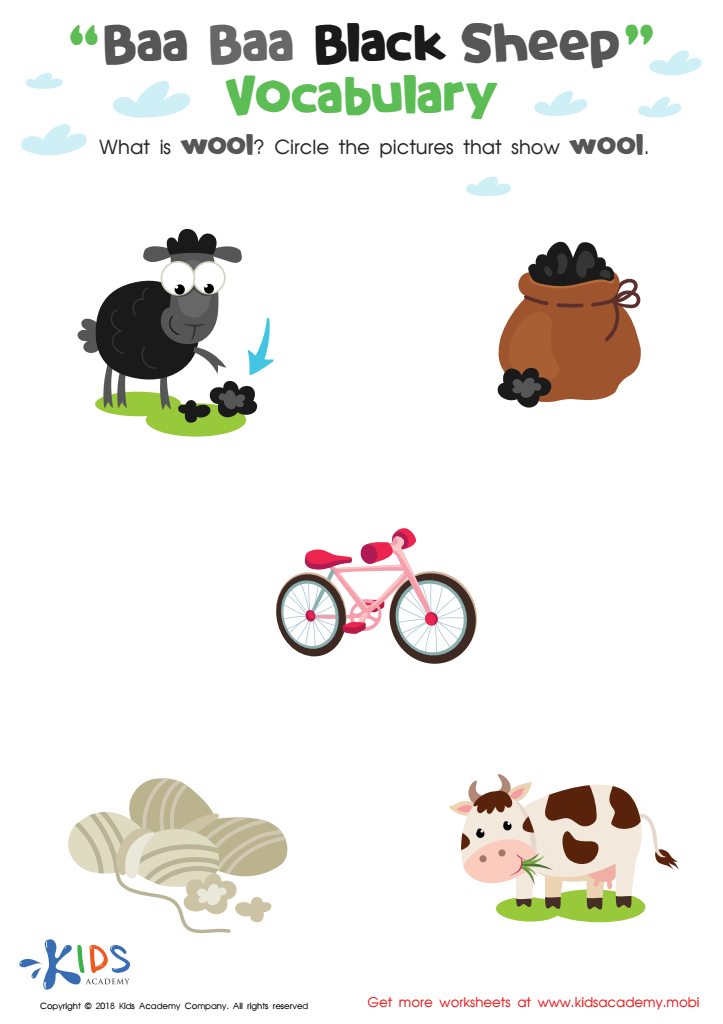
Baa Baa Black Sheep: Vocabulary Worksheet
 Assign to My Students
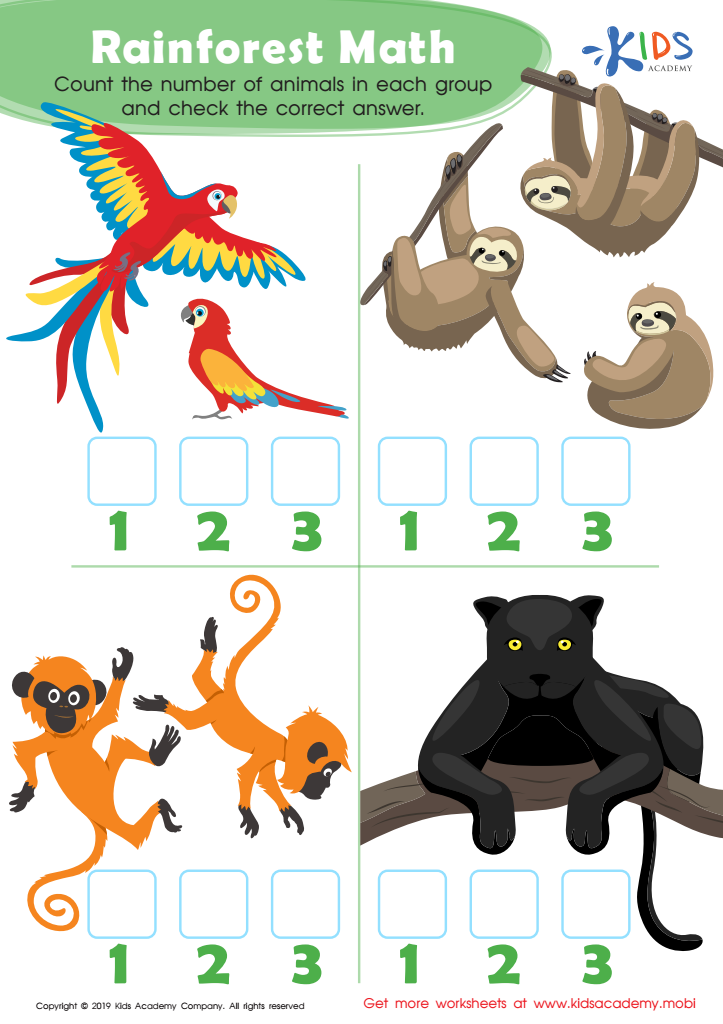
Rainforest Math Worksheet
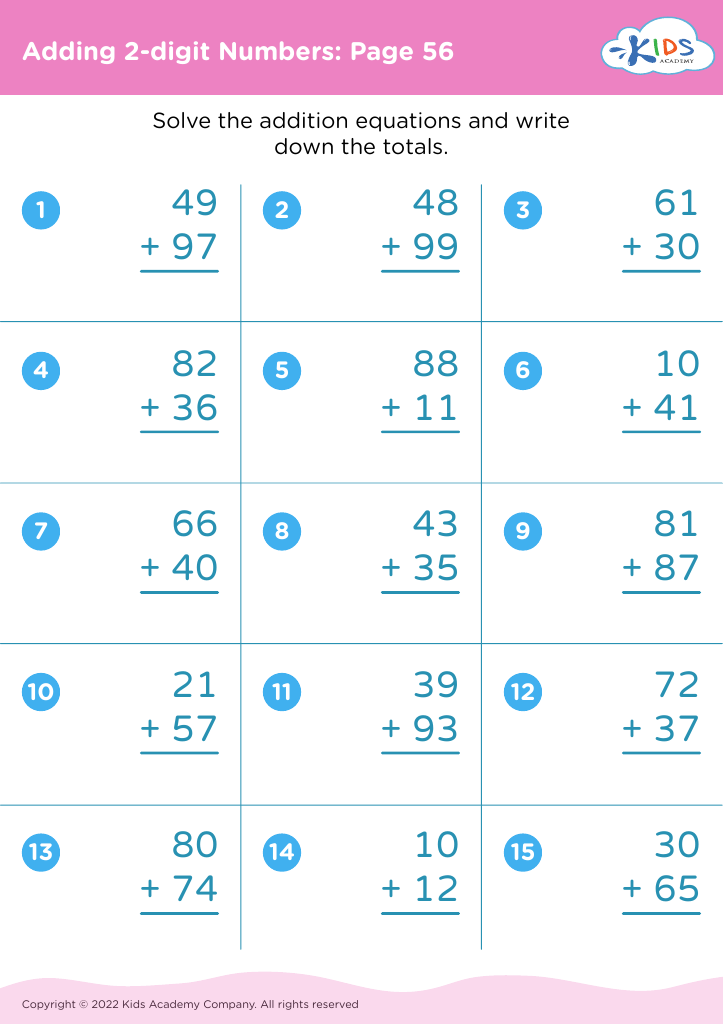
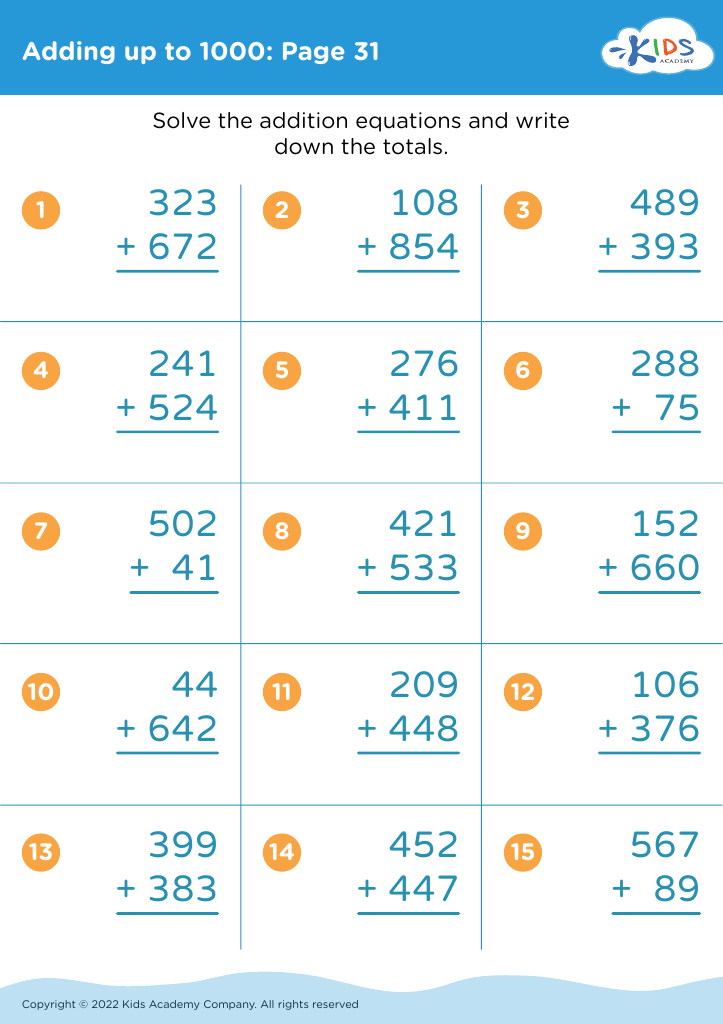








Understanding sequencing is crucial for children aged 4-8 as it lays the foundation for essential cognitive and literacy skills. At this developmental stage, children begin to grasp the concept of order and organization, which is vital for effective communication and comprehension. Sequencing helps children make sense of narratives, whether they’re shifting through a storybook or recounting their day.
Parents and teachers should care about sequencing because it enhances critical thinking and problem-solving abilities. By learning to arrange events, children develop the ability to plan and predict outcomes, fostering decision-making skills that will serve them throughout their education and daily lives. Furthermore, sequencing supports mathematical concepts, as children learn to recognize patterns and develop a sense of time—both of which are integral to their overall academic growth.
Incorporating activities such as storytelling, sorting games, or following directions can promote sequencing skills in a fun and engaging way. This not only fosters creativity and imagination but also strengthens memory retention. Ultimately, nurturing these skills can lead to greater confidence, better academic performance, and improved social interactions as children learn to navigate their world.








