Understanding life cycles Worksheets for Ages 4-8
8 filtered results
-
From - To
Discover our engaging "Understanding Life Cycles Worksheets" designed for children ages 4-8! These fun and educational resources help young learners explore the fascinating stages of different organisms' life cycles, from butterflies to plants, fostering curiosity about the natural world. Our worksheets offer a variety of activities, including tracing, coloring, and sequencing exercises, to reinforce key concepts in a playful manner. Perfect for home or classroom use, these worksheets not only enhance critical thinking skills but also support early science education. Dive into a world of discovery with our beautifully crafted worksheets and inspire your child's passion for learning today!
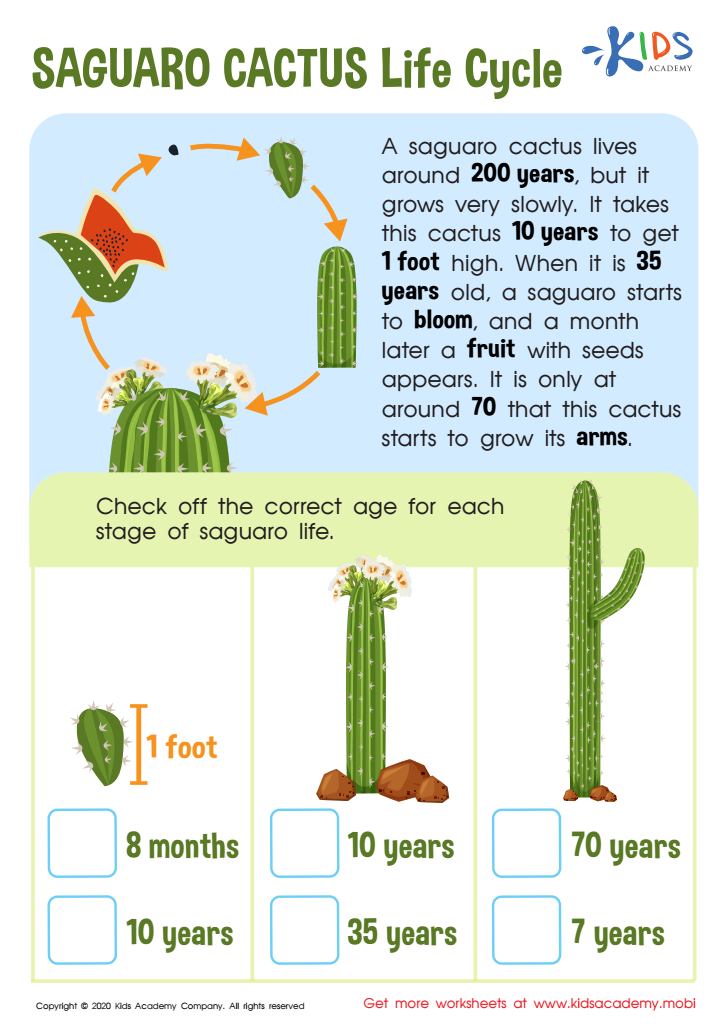
Saguaro Cactus Life Cycle Worksheet
 Assign to My Students
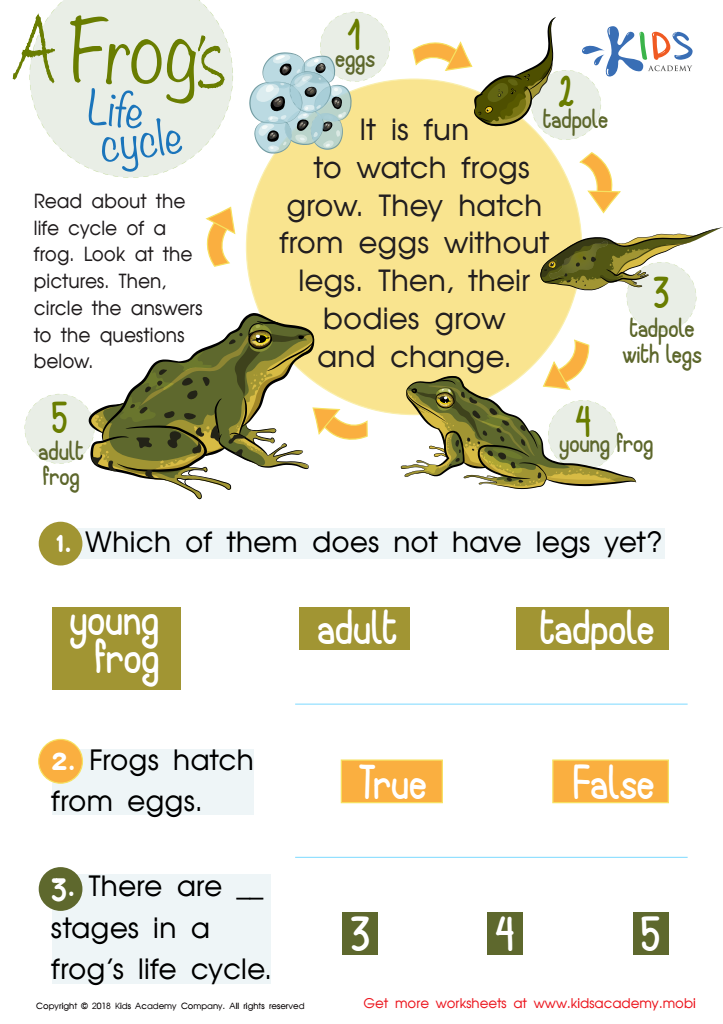
A Frog’s Life Cycle Worksheet
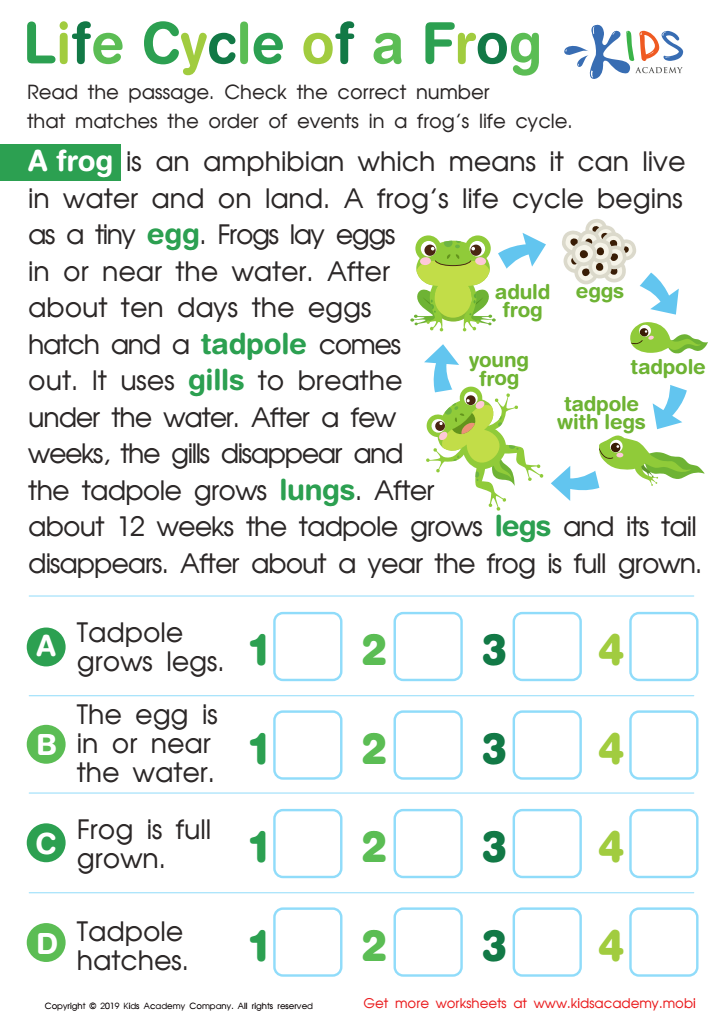
Life Cycle of a Frog Worksheet
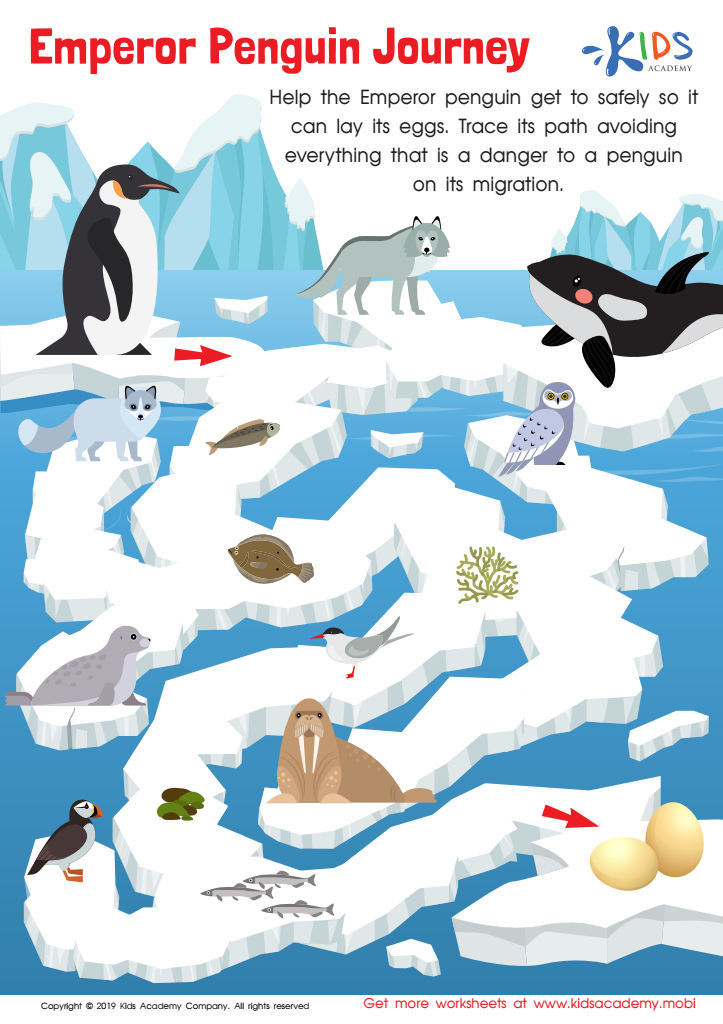
Emperor Penguin Journey Worksheet
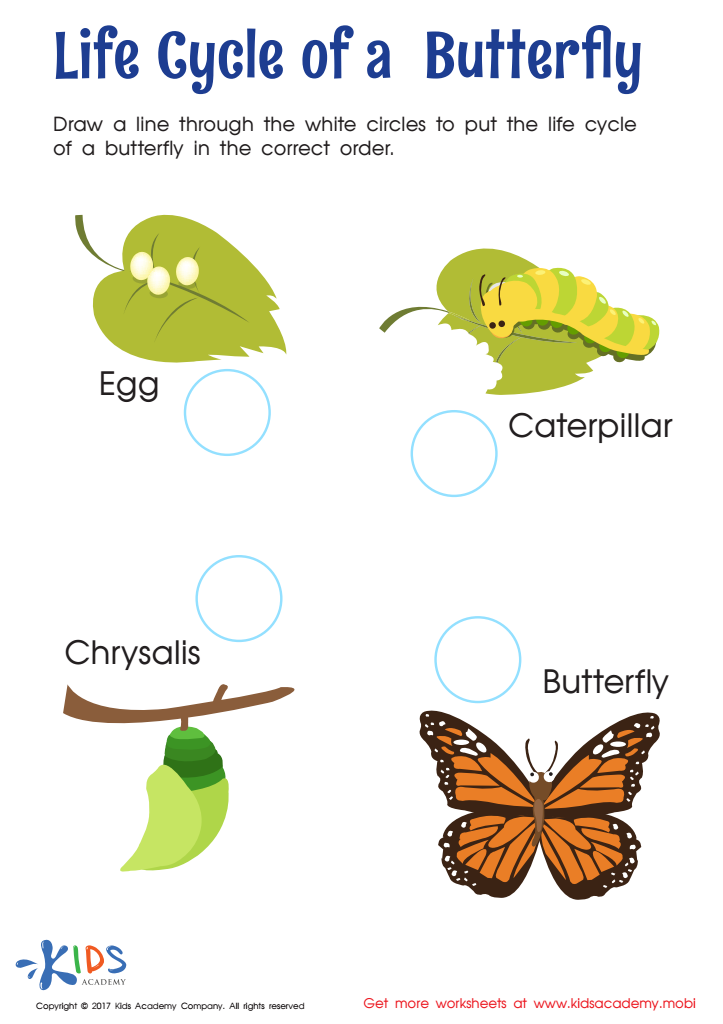
Life Cycle of Butterfly Worksheet
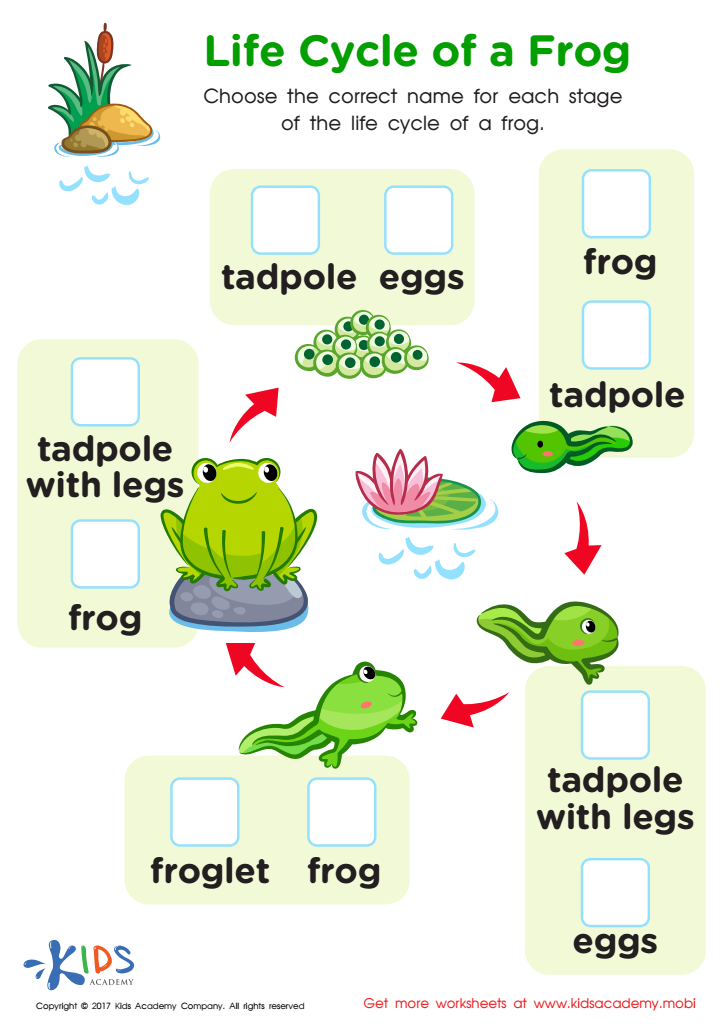
Life Cycle Frog Printable
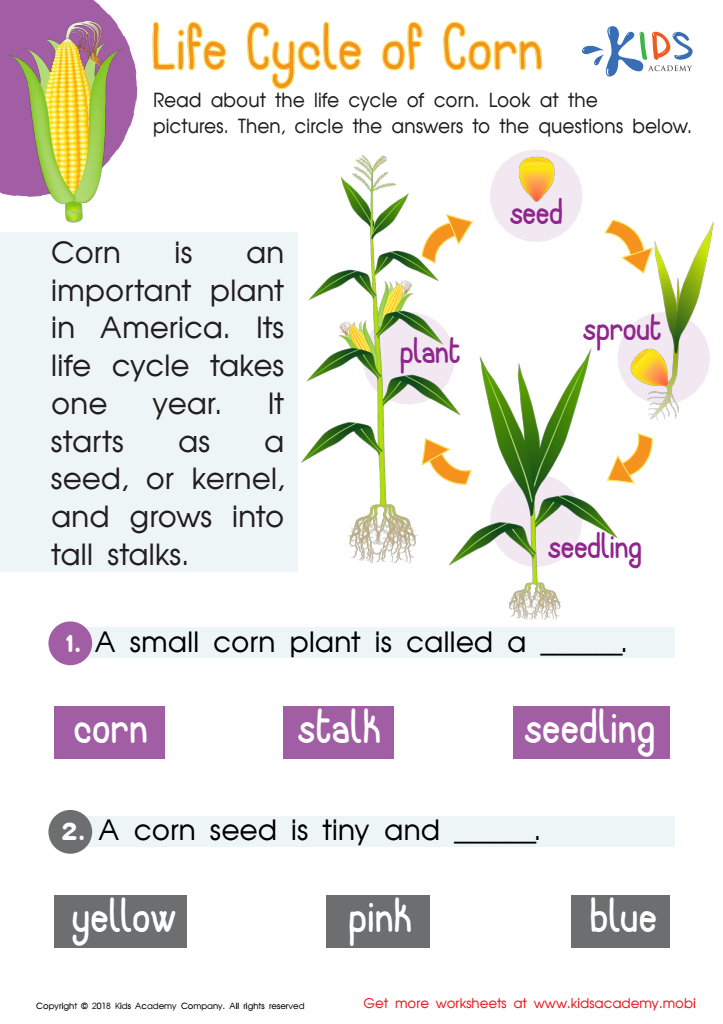
Life Cycle of Corn Worksheet
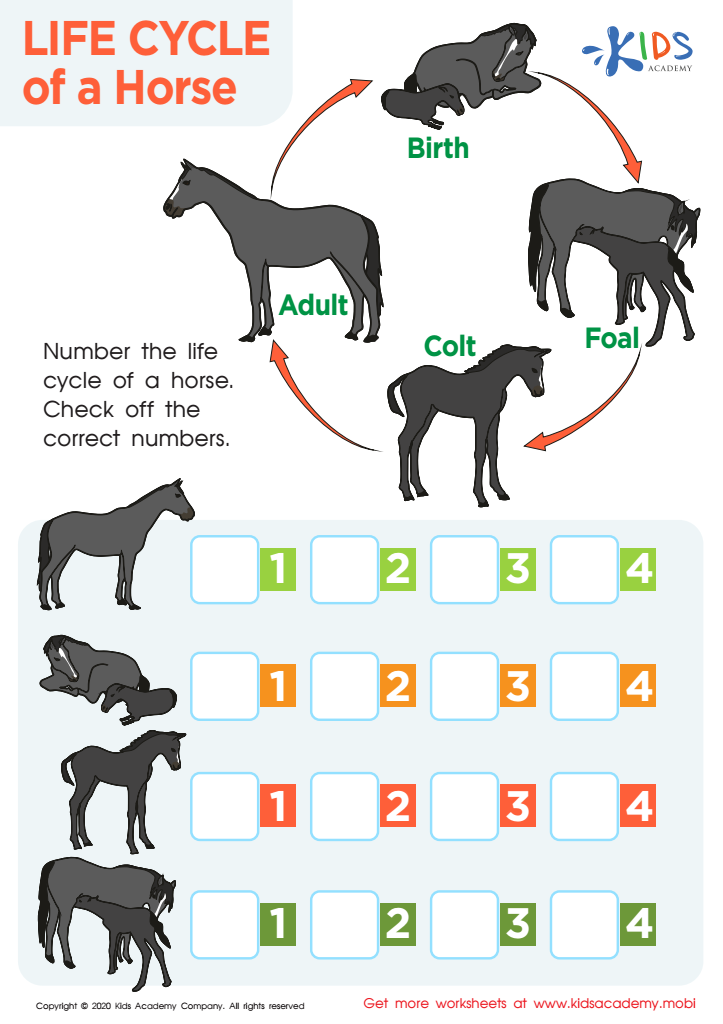
Life Cycle of a Horse Worksheet





Understanding life cycles is crucial for children aged 4-8 because it cultivates a sense of wonder and respect for the natural world. At this formative stage, children are naturally curious, and exploring life cycles—such as those of plants, animals, and even insects—can significantly enhance their cognitive development. It helps them grasp fundamental biological concepts, such as growth, change, and reproduction, laying the groundwork for future scientific learning.
Moreover, studying life cycles promotes critical thinking and observational skills. As children engage with the process of life—from birth to growth, reproduction, and death—they learn to make connections and develop an appreciation for the interrelatedness of life. This understanding can sow the seeds of environmental stewardship, encouraging youngsters to foster care for living things and their habitats.
Furthermore, integrating life cycle education into activities can enhance literacy and creativity. Storytelling, art projects, and hands-on experiences, like planting seeds or observing caterpillars transform into butterflies, can ignite a passion for learning. Overall, emphasizing life cycles in early education nurtures informed, empathetic individuals who recognize their place within the broader ecological community. This foundational knowledge not only enhances their education but also supports the development of responsible citizens.








