Understanding more/less concept Worksheets for Ages 4-8
3 filtered results
-
From - To
Explore our engaging "Understanding More/Less Concept Worksheets" designed for children ages 4-8! These worksheets make learning fundamental math concepts fun and interactive. Kids will grasp the idea of comparing quantities through vibrant illustrations and relatable examples. Each worksheet encourages critical thinking and problem-solving skills by allowing young learners to identify which group has more or less, fostering their numerical understanding. Ideal for both classroom settings and at-home learning, these resources aim to build a strong foundation in early math skills. Watch your child's confidence grow as they master the concept of more and less while enjoying the learning experience!
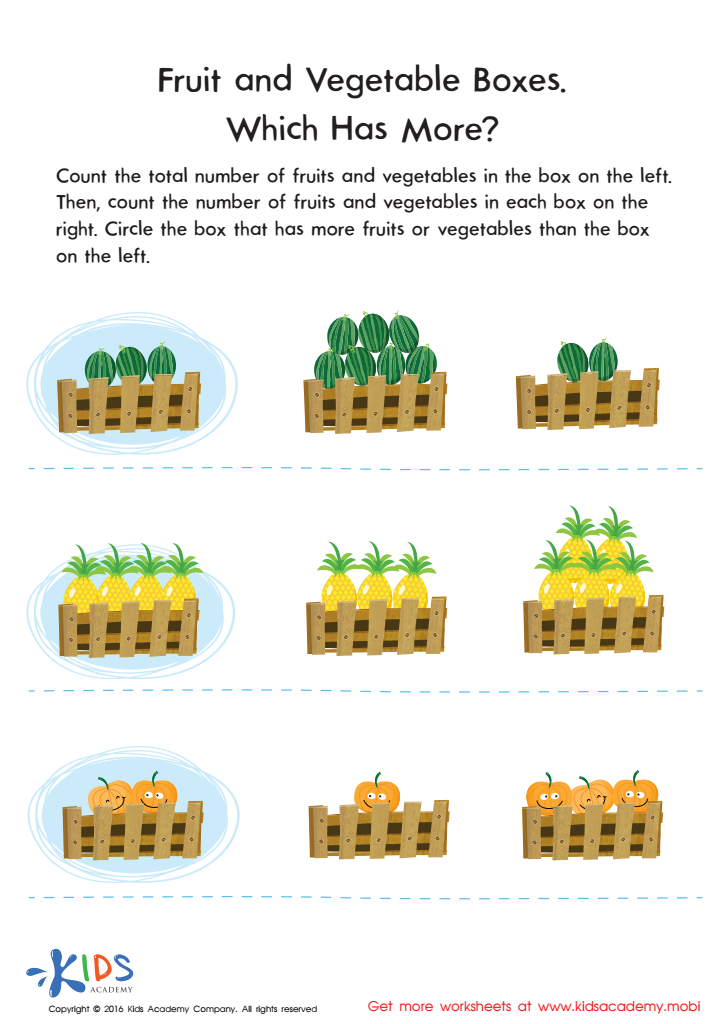
Which Has More? Size Worksheet
 Assign to My Students
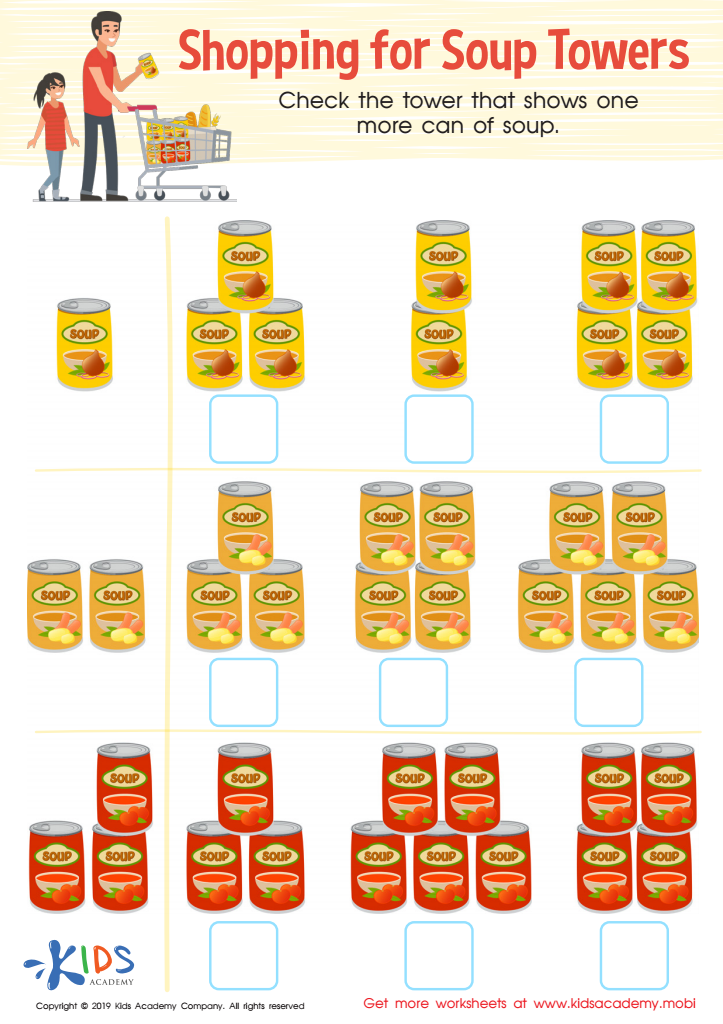
Soup Towers Worksheet
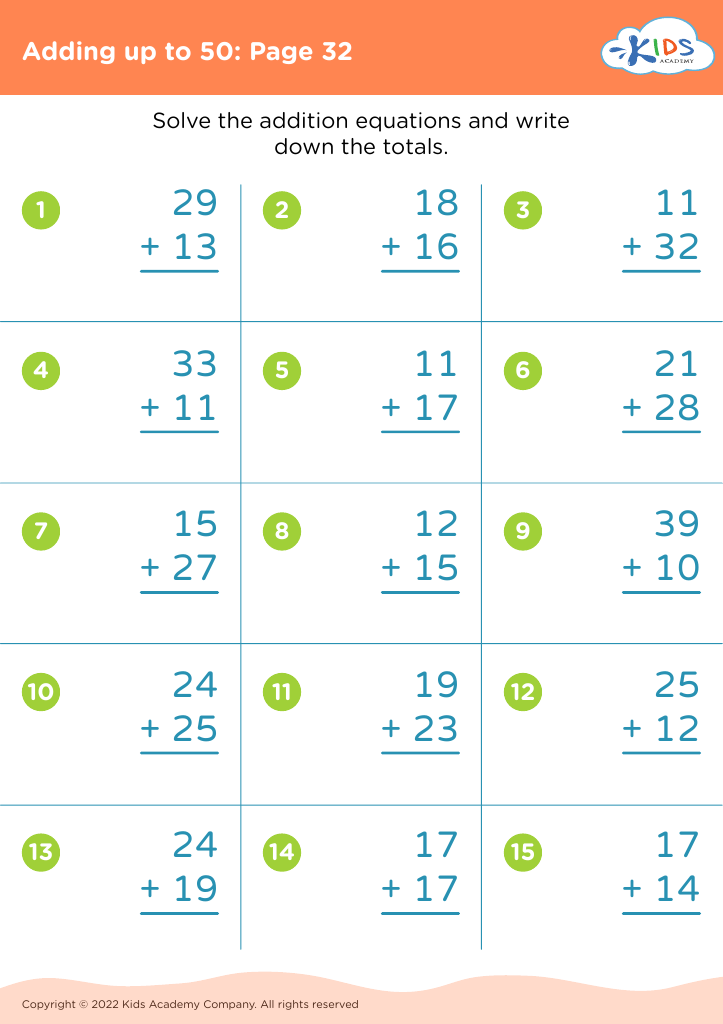








Understanding the concepts of "more" and "less" is crucial for children aged 4-8 as it forms a foundational skill not only in mathematics but also in their cognitive development and daily life. At this stage, children are developing their reasoning and problem-solving abilities. Recognizing quantities helps them make sense of their environment—whether they are sharing toys, understanding time limitations, or organizing their space.
When parents and teachers emphasize the understanding of "more" and "less," children enhance their mathematical thinking. They learn to compare quantities, which lays the groundwork for addition and subtraction in later years. Moreover, mastering these concepts fosters language development, as children begin to articulate their needs and understand the relationship between numbers and objects.
Additionally, these concepts have real-world implications; for instance, children might need to determine how to distribute snacks equitably among friends. Incorporating games and activities that encourage dialogue around "more" and "less" nurtures social skills and cooperation. Ultimately, by prioritizing these foundational skills, parents and teachers contribute to a child's overall development, preparing them for future academic success and helping them navigate their everyday lives with confidence.








