Understanding number sequence Worksheets for Ages 4-8
8 filtered results
-
From - To
Enhance your child's numerical skills with our "Understanding Number Sequence Worksheets for Ages 4-8" at Kids Academy. Our expertly designed, printable worksheets guide young learners through recognizing and creating number sequences. Each activity is crafted to build foundational math skills, improve counting abilities, and boost confidence in number order. Engaging visuals and age-appropriate challenges ensure that children stay motivated and enjoy their math practice. Perfect for at-home learning or classroom use, these worksheets provide a strong basis for future math success, making learning fun and effective. Start exploring today to support your child's mathematical journey!
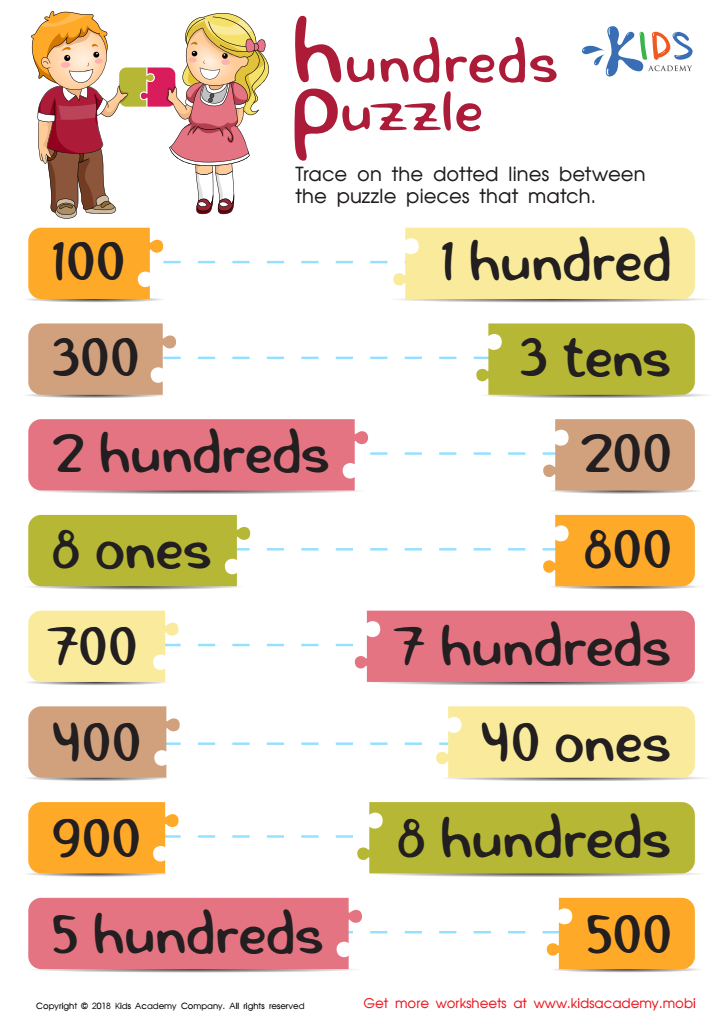
Hundreds Puzzle Worksheet
 Assign to My Students
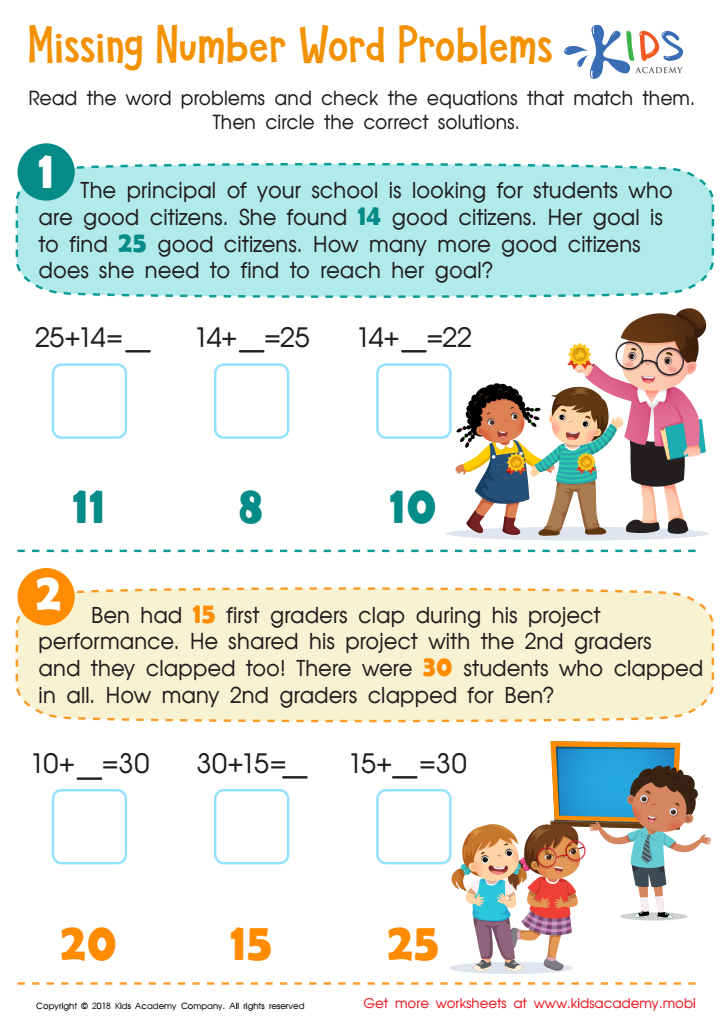
Missing Number Word Problems Worksheet
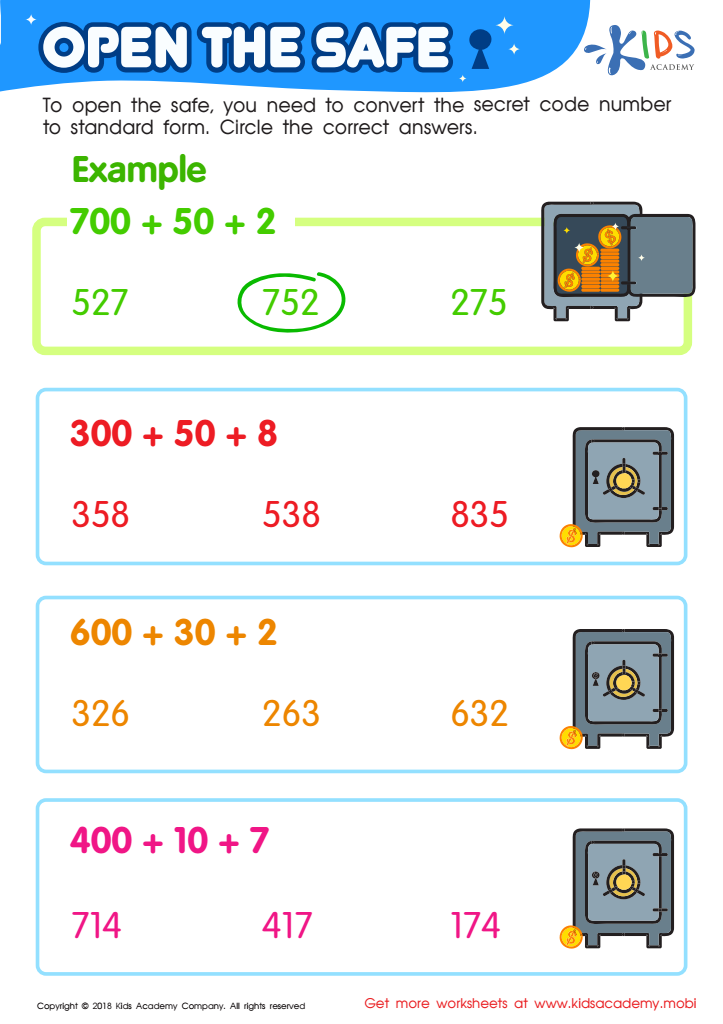
Open the Safe Worksheet
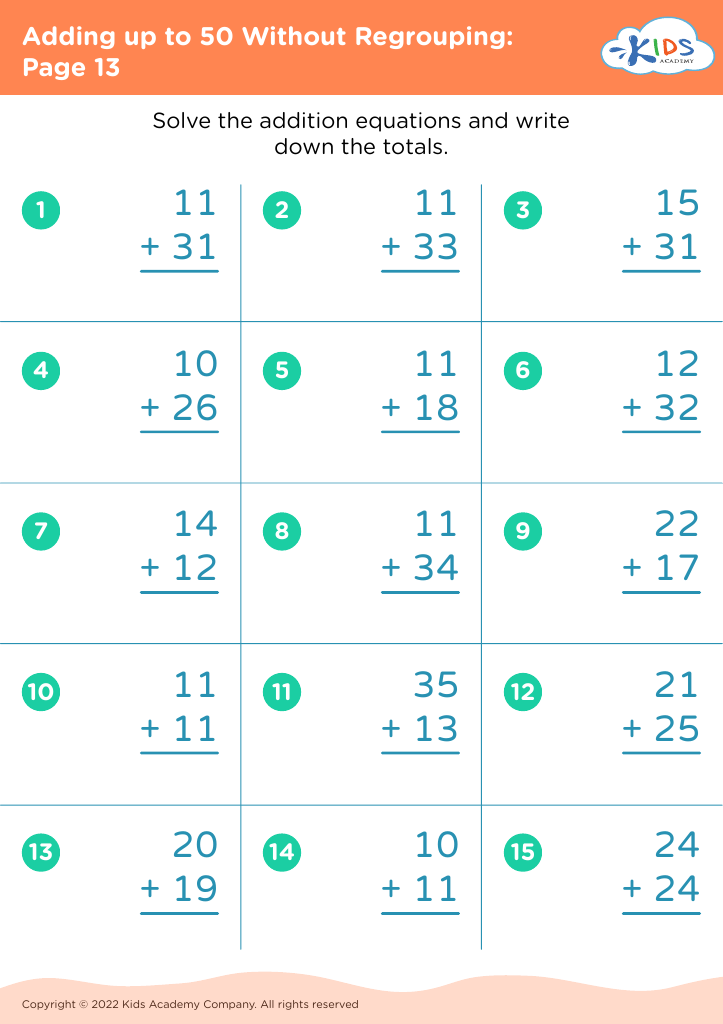
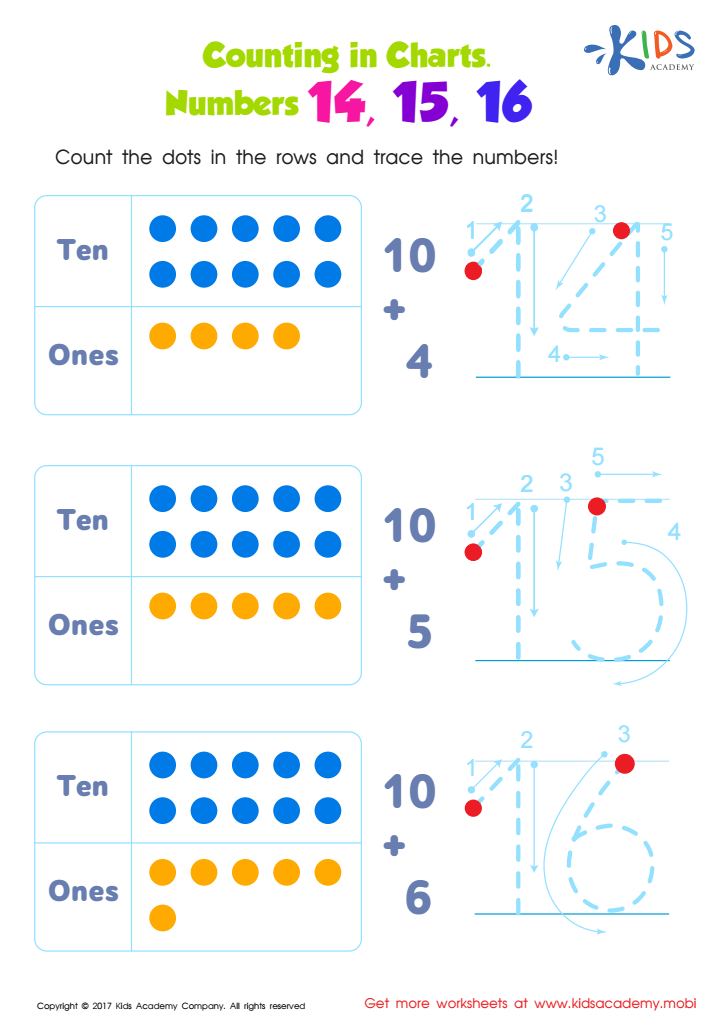
Number Tracing Worksheet







Understanding number sequence for children aged 4-8 is crucial in laying the foundation for their mathematical development and overall cognitive growth. At this age, children are highly receptive and begin to form fundamental concepts that will influence their future learning. By grasping number sequences, children develop critical skills such as counting, understanding order, and recognizing patterns, all of which are vital for more complex mathematical operations like addition, subtraction, and problem-solving.
Engaging with number sequences also enhances children's memory and attention to detail, as they learn to anticipate and predict the sequence of numbers. For parents and teachers, recognizing the importance of these skills allows them to create a structured learning environment where children can explore and master these concepts through play-based and interactive activities. Games involving counting, sequencing, and number puzzles can make learning enjoyable and foster a positive attitude towards mathematics.
Moreover, understanding number sequences promotes logical thinking and builds confidence. As children succeed in recognizing and completing sequences, their self-esteem rises, encouraging a love for learning and curiosity. Ultimately, investing time in teaching number sequences to young learners equips them with essential life skills that go beyond the classroom, supporting their overall academic journey and personal development.








