Understanding number values Worksheets for Ages 4-8
4 filtered results
-
From - To
Unlock the world of numbers with our "Understanding Number Values Worksheets" designed for ages 4-8. These engaging and interactive worksheets help young learners grasp the foundational concept of number values through fun activities and colorful illustrations. Students will explore topics such as counting, comparing numbers, and recognizing place values. Each worksheet encourages critical thinking and problem-solving skills, making math enjoyable and accessible. Perfect for both home and classroom use, these resources aid in building confidence and proficiency in early math skills. Get your little ones ready to explore and understand numbers with our thoughtfully crafted worksheets!
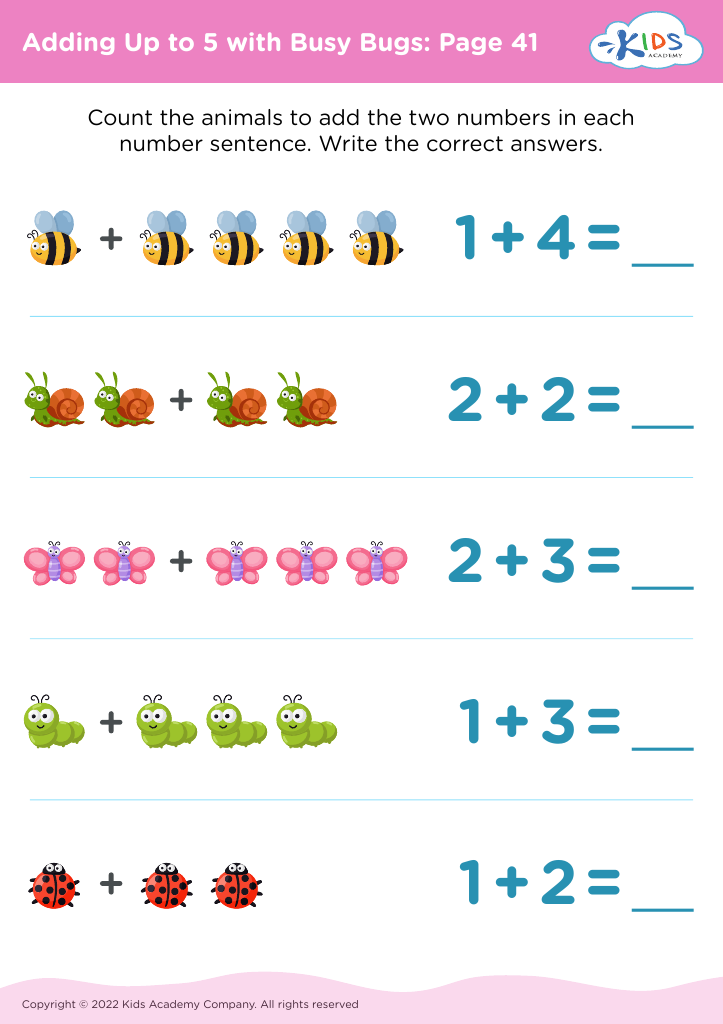
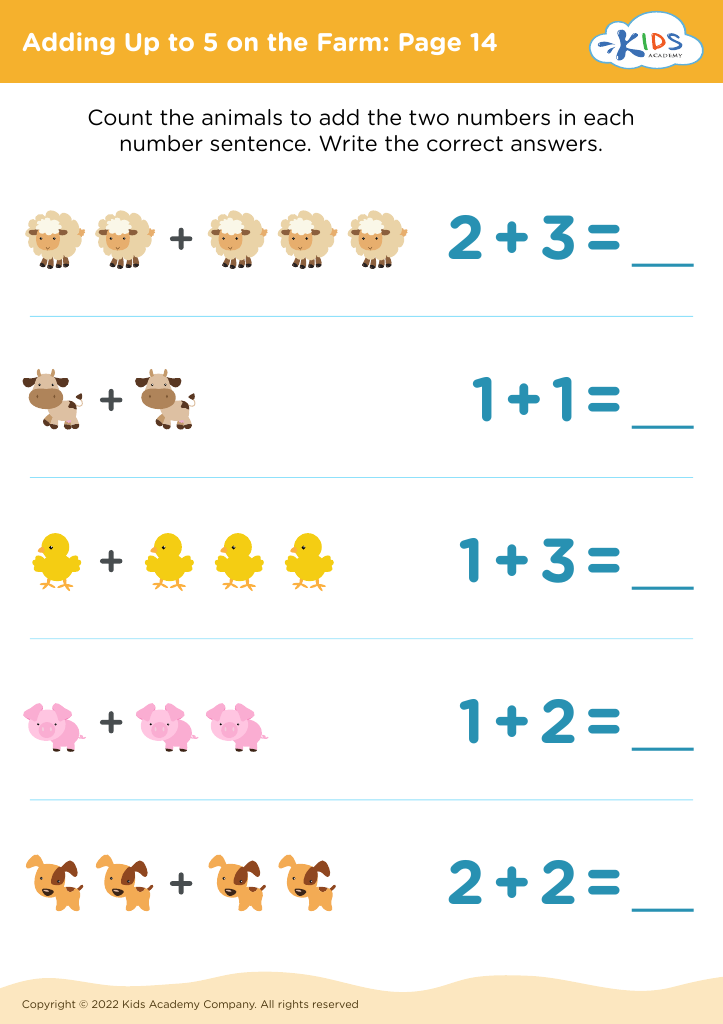
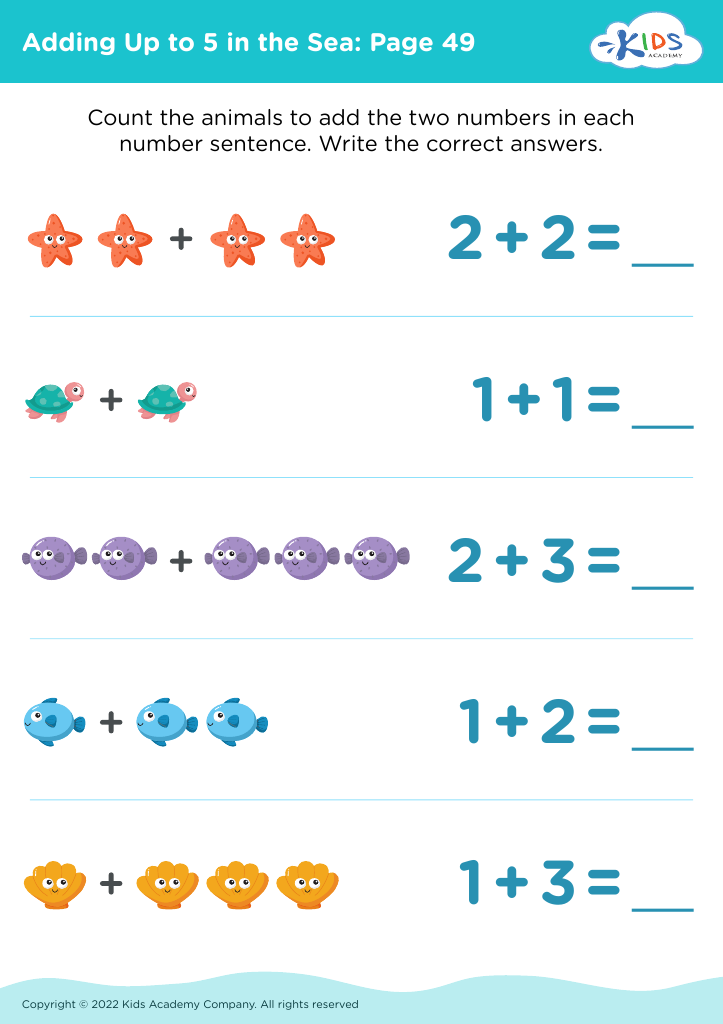
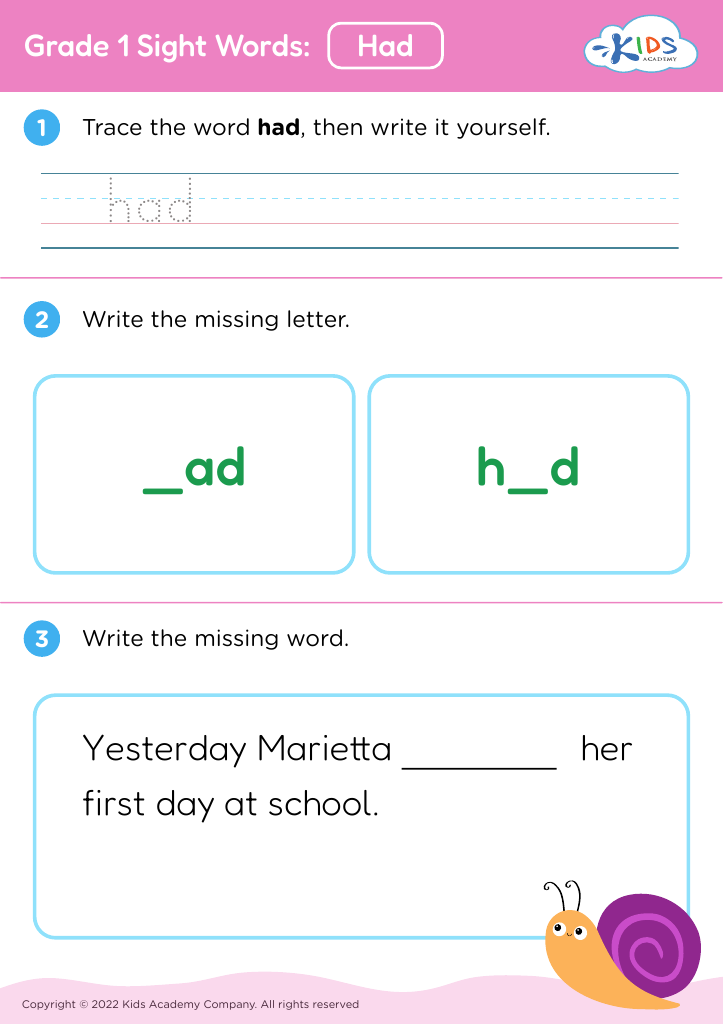








Understanding number values is essential for children ages 4-8, as it lays the foundation for their mathematical development and everyday problem-solving skills. During these formative years, kids begin to grasp essential concepts such as counting, comparing numbers, and recognizing the significance of zero. By cultivating a strong understanding of number values, children learn to identify how quantities relate to one another, which is critical for more advanced arithmetic in later years.
Moreover, a solid grasp of number values fosters confidence and competence in math, subjects that often form the core of academic performance. When children understand numbers, they can tackle word problems, make sense of quantities in real-life scenarios (like counting change or measuring ingredients), and develop logical thinking skills essential in all subjects.
Parents and teachers play a vital role in this developmental phase. They can provide meaningful experiences and rich interactions with numbers through games, daily routines, and hands-on activities. These engagements not only reinforce mathematical concepts but also promote a positive attitude toward math, making learning enjoyable and relevant. Therefore, prioritizing number value comprehension in early education is crucial, nurturing a generation equipped with essential skills for future success.








