Understanding numeracy Worksheets for Ages 4-8
4 filtered results
-
From - To
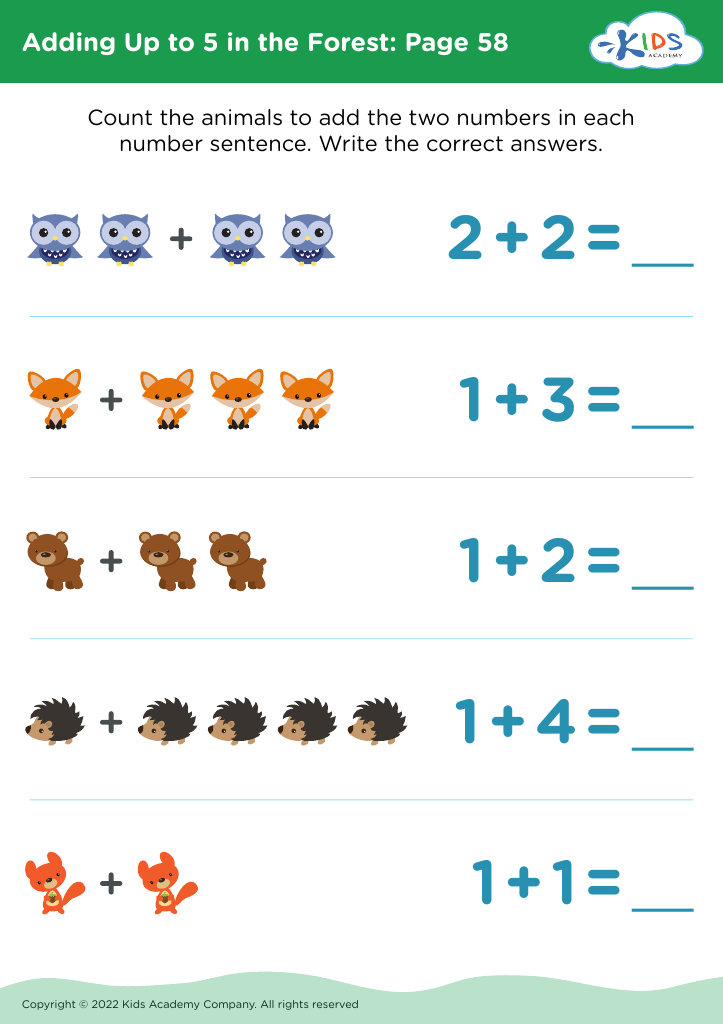
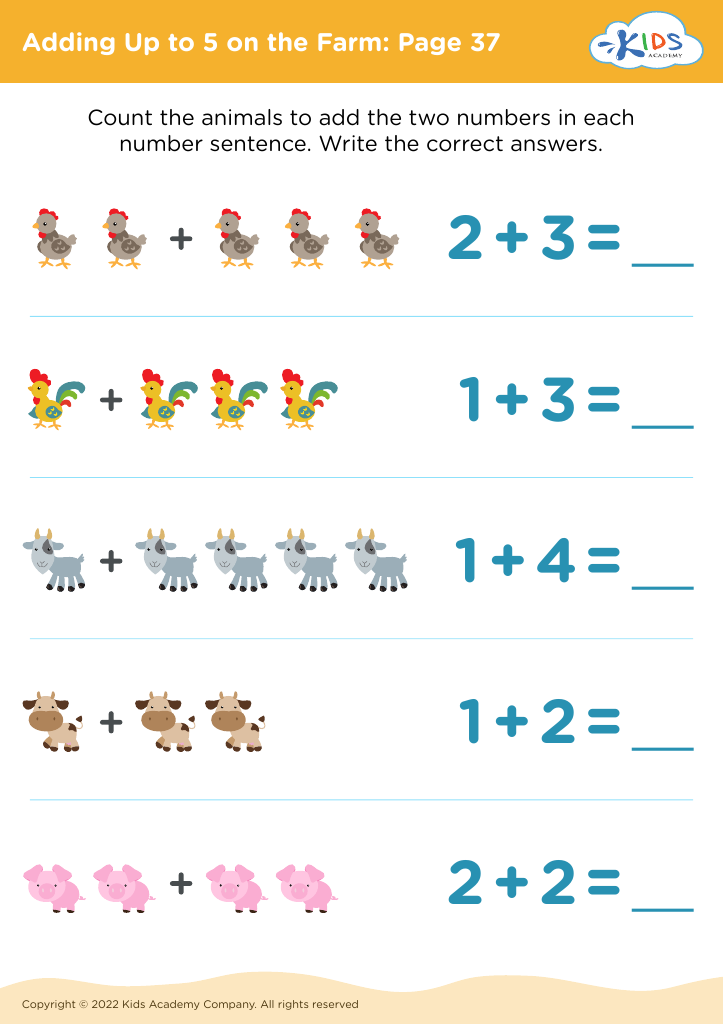
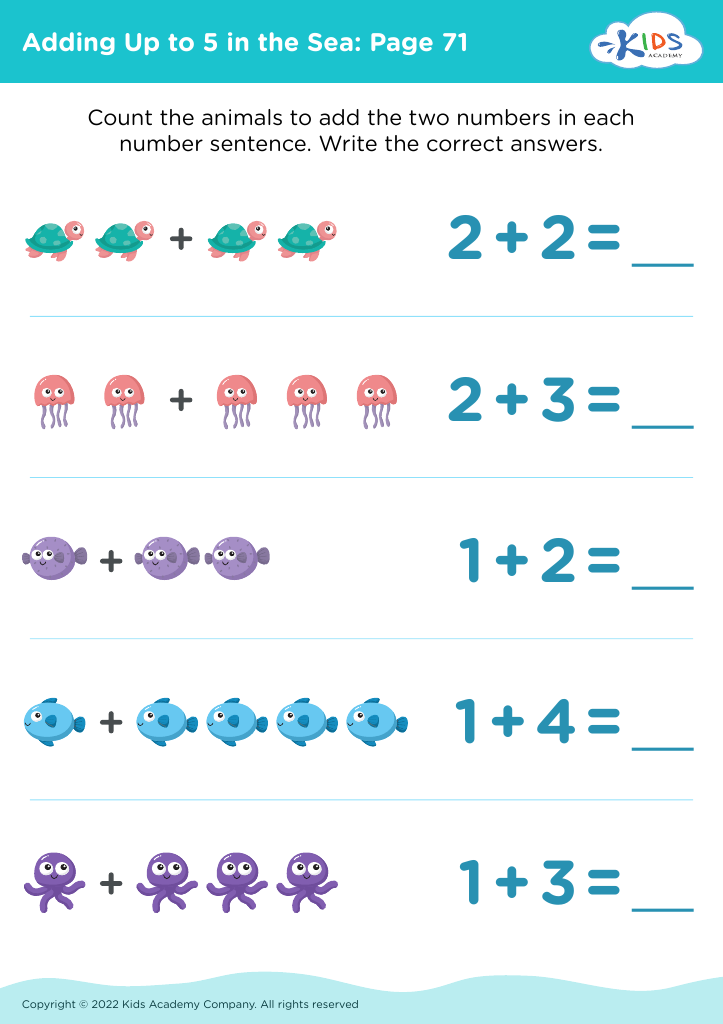
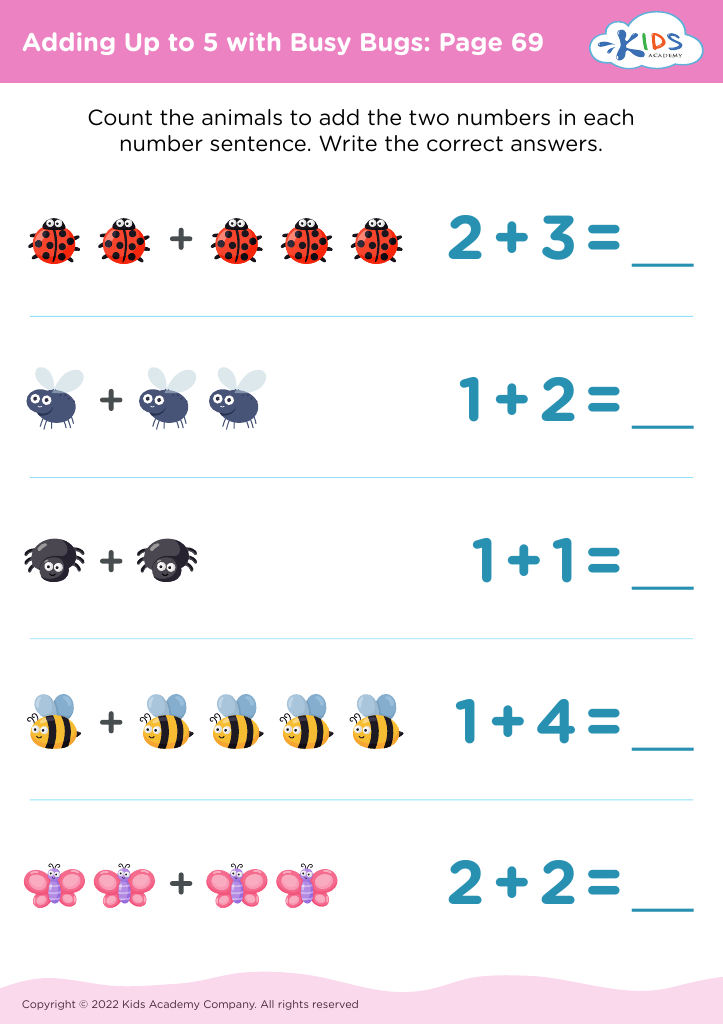
Discover a variety of engaging numeracy worksheets designed specifically for children ages 4-8 on our webpage. These worksheets aim to enhance foundational math skills through fun and interactive activities, providing essential practice in counting, number recognition, basic operations, and problem-solving. Tailored to accommodate diverse learning styles, our resources encourage exploration and build confidence in young learners. By integrating playful elements, kids stay motivated while developing critical thinking skills. Whether at home or in the classroom, our understanding numeracy worksheets support early math education, setting the stage for future success in more advanced mathematical concepts. Start your child’s numeracy journey today!


.jpg)



Understanding numeracy for children aged 4-8 is crucial for their overall development and future learning. During these formative years, children are introduced to fundamental mathematical concepts that form the foundation for all future math learning. A solid grasp of numeracy skills—such as number recognition, counting, and basic arithmetic—enables children to approach more complex math concepts with confidence later on.
Moreover, early numeracy skills support cognitive development, critical thinking, and problem-solving abilities. Parents and teachers play a vital role in nurturing these skills through engaging, hands-on activities that make learning enjoyable. Moreover, numeracy is deeply connected to everyday life; understanding these concepts helps children make sense of the world around them, from sharing snacks to measuring ingredients while cooking.
Fostering strong numeracy skills can also enhance a child's self-esteem and independence. When children feel competent in math, they are more likely to participate actively in class and seek help when needed. Parents and teachers who prioritize numeracy cultivate not only academically successful students but also lifelong learners who appreciate the value of mathematics in making informed decisions in their daily lives. In essence, understanding numeracy sets the stage for academic achievement and personal growth.








