Visual analysis Worksheets for Ages 4-8
3 filtered results
-
From - To
Introduce your child to our engaging Visual Analysis Worksheets for Ages 4-8. Designed to sharpen perceptual skills, these worksheets are fun and educational, offering a variety of activities aimed at enhancing visual discrimination, pattern recognition, and memory. With colorful images and interactive tasks, children will develop essential skills that lay the foundation for reading, math, and problem-solving. Perfect for young learners, our worksheets make learning an enjoyable adventure. Ensure your child’s visual and cognitive development with our expertly crafted worksheets from Kids Academy!
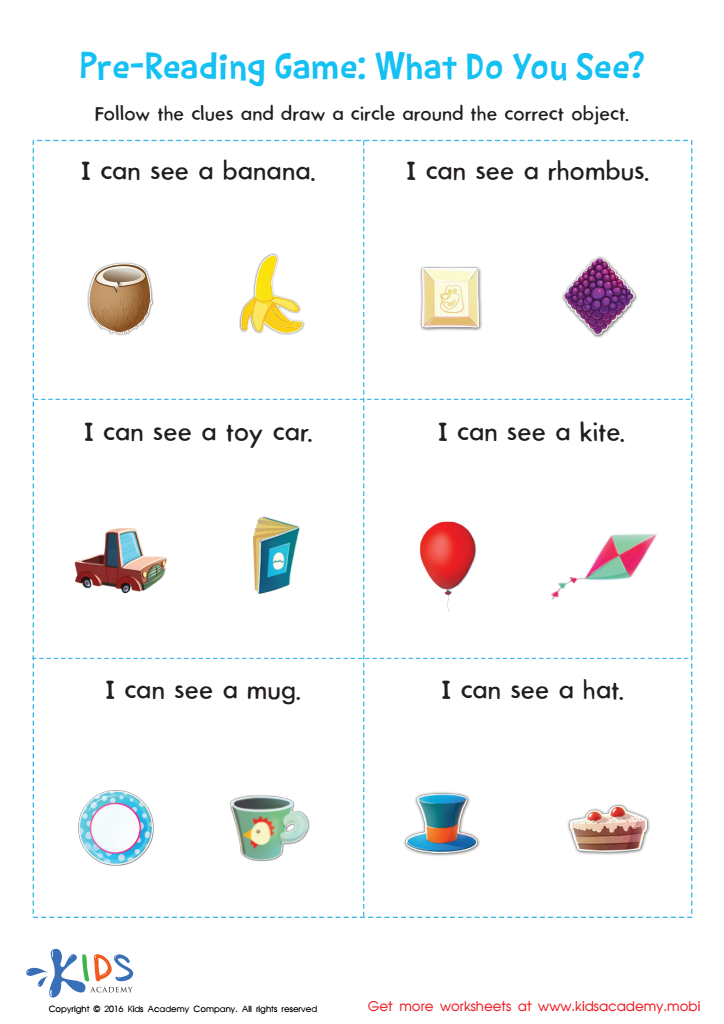
Pre–reading Worksheet: What Do You See?
 Assign to My Students
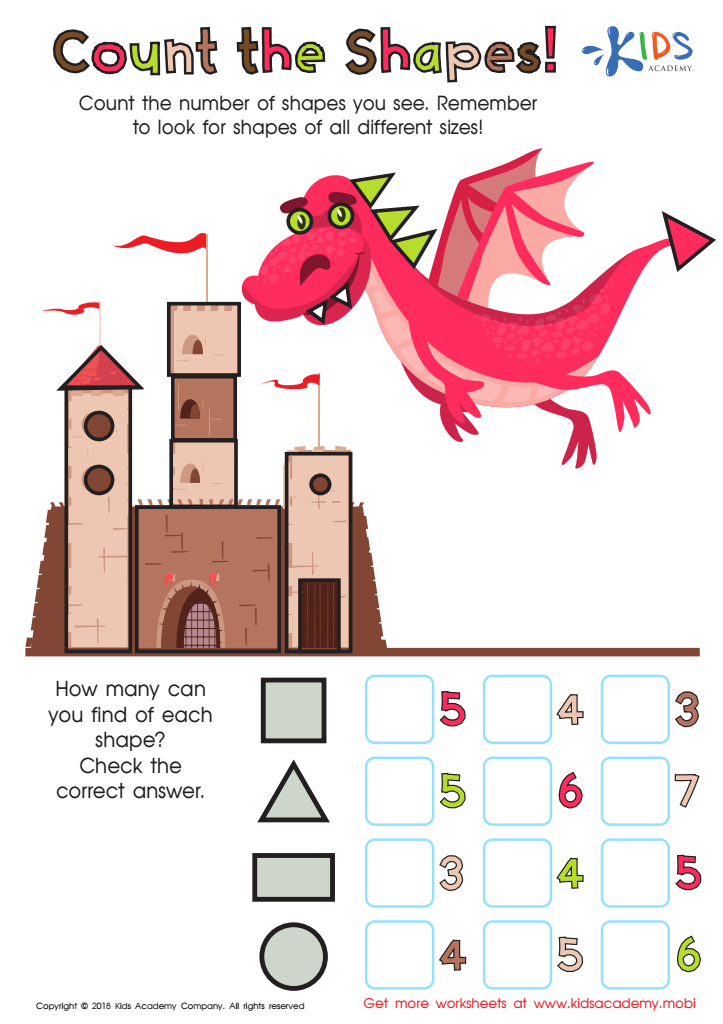
Count the Shapes Worksheet
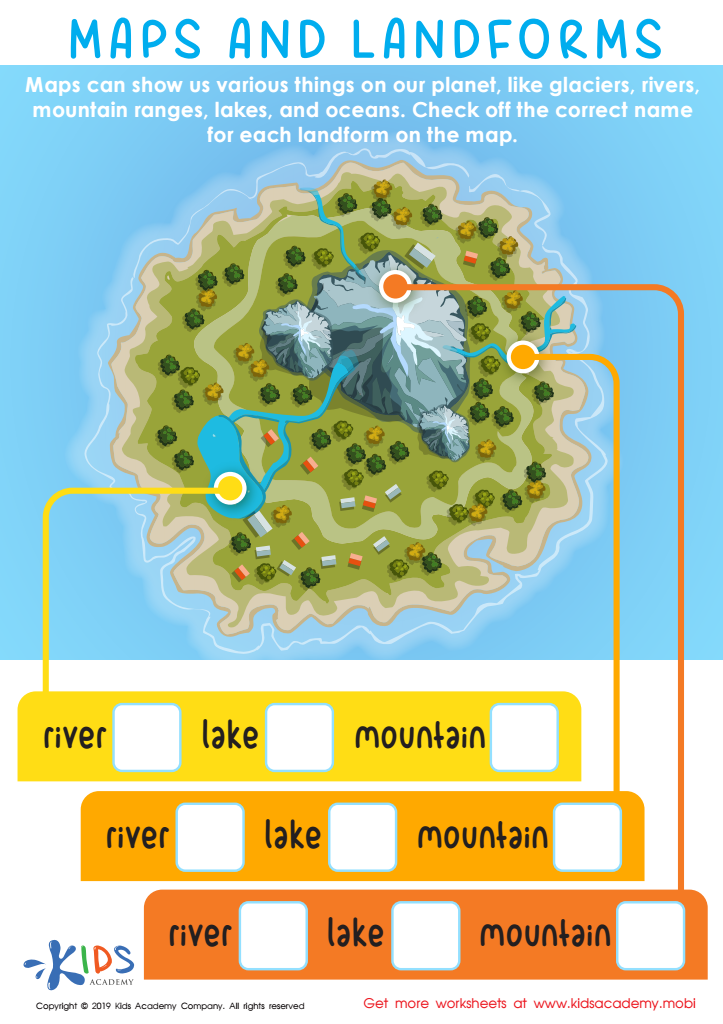
Maps and Landforms Worksheet








Visual analysis is a crucial skill for children aged 4-8 that lays the foundation for successful learning across various subjects. For parents and teachers, fostering this skill is essential because it enhances children's ability to observe, interpret, and understand visual information, which is abundant in their daily interactions and educational materials.
At this young age, children are naturally curious and their visual acuity is still developing. Visual analysis activities, such as examining pictures, identifying patterns, and describing scenes, help to fine-tune their observation skills. This not only aids in their cognitive development but also strengthens their attention to detail, essential for reading and comprehending text.
Moreover, visual analysis supports communication skills. As children describe what they see, they expand their vocabulary and learn to express thoughts more clearly. This interaction is beneficial for language development and improves their ability to articulate ideas both verbally and in writing.
For teachers, incorporating visual analysis into lessons can make learning more engaging and accessible. Visual elements can capture children’s attention and make abstract concepts concrete. For parents, encouraging visual exploration during play can deepen the child's learning experiences at home.
Overall, nurturing visual analysis skills fosters critical thinking, supports language development, and enhances educational engagement, making it an invaluable focus for those guiding young learners.








