Visual comprehension Worksheets for Ages 4-8
11 filtered results
-
From - To
Enhance your child's learning journey with our Visual Comprehension Worksheets, designed specifically for ages 4-8. These engaging resources help develop critical thinking and observation skills through colorful images and fun activities. Each worksheet encourages children to analyze visuals, make connections, and draw conclusions, laying the foundation for stronger reading and comprehension abilities. Perfect for at-home learning or classroom use, our visual comprehension activities promote creativity and cognitive development. Browse our diverse selection of worksheets to inspire the young learner in your life and make understanding visual information both enjoyable and educational! Start exploring today for a well-rounded learning experience!
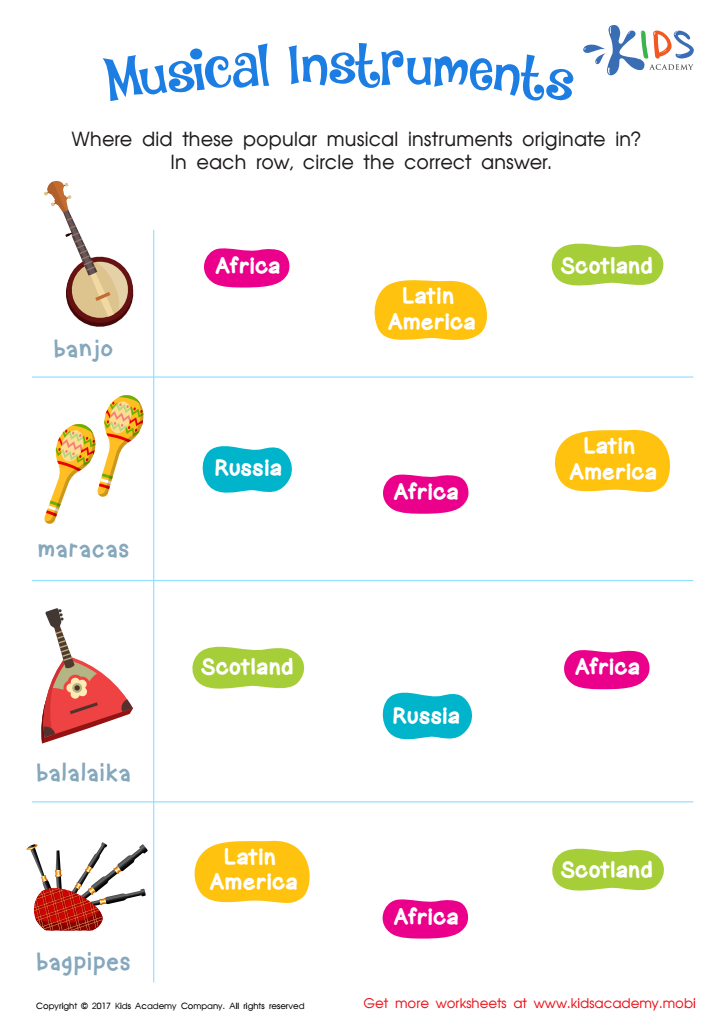
Musical Instruments Printable
 Assign to My Students
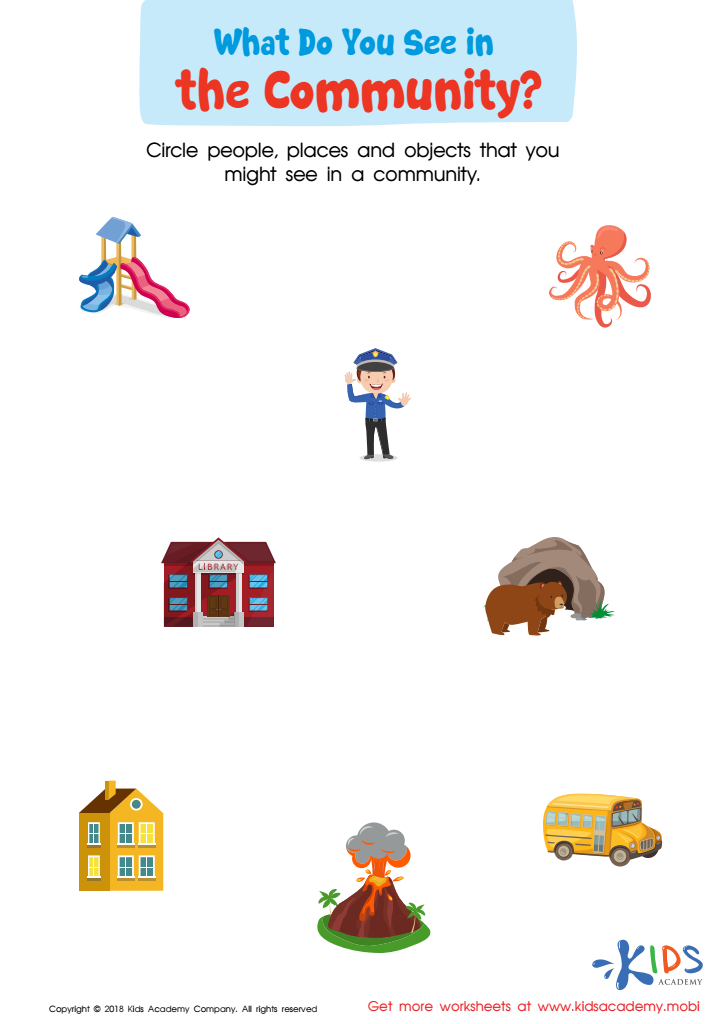
What Do You See in the Community Worksheet
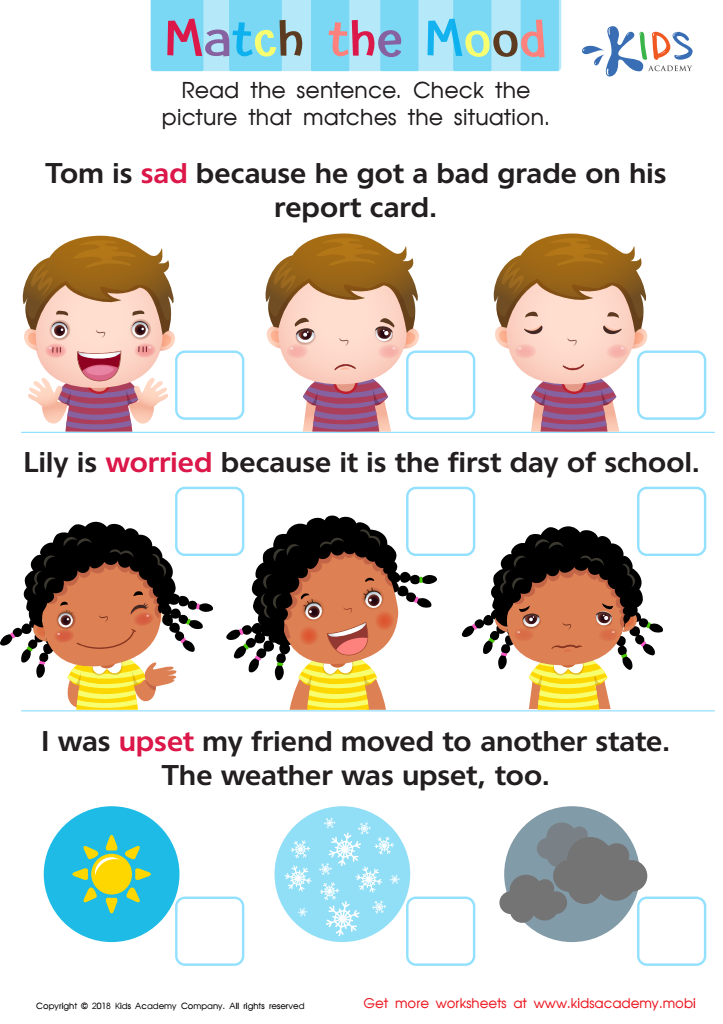
Match The Mood Worksheet
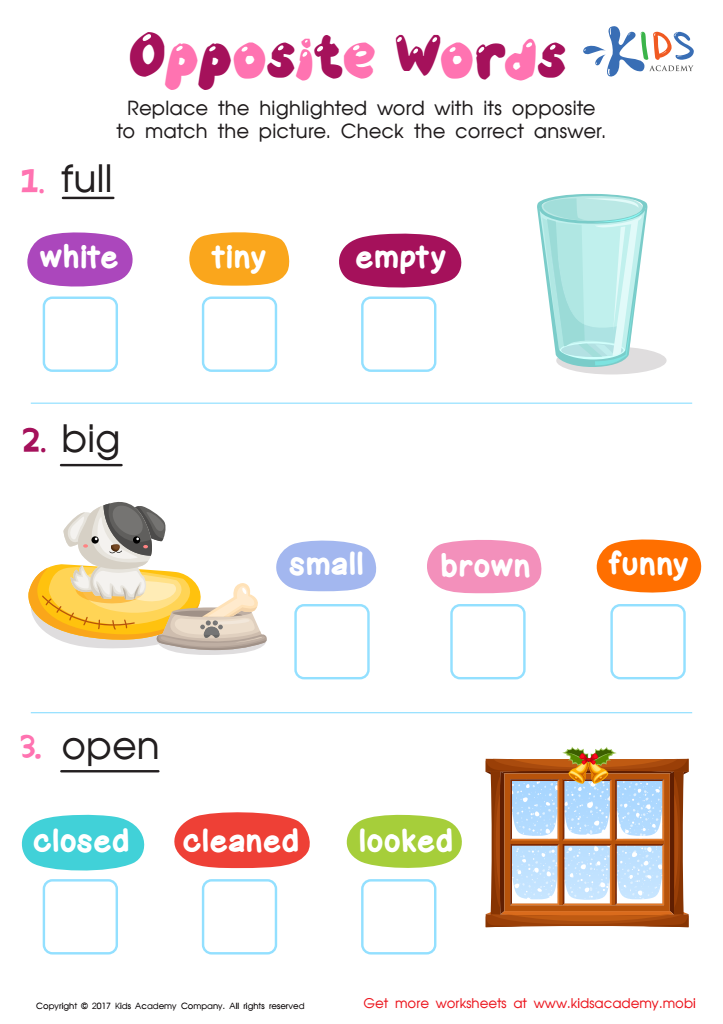
Opposite Words Worksheet
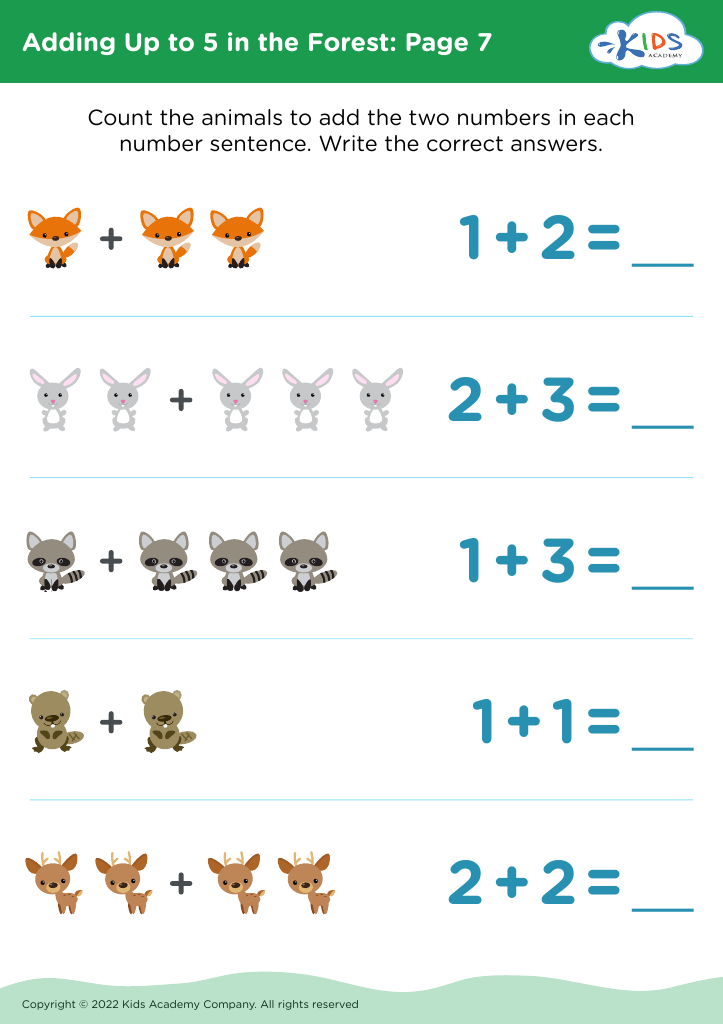
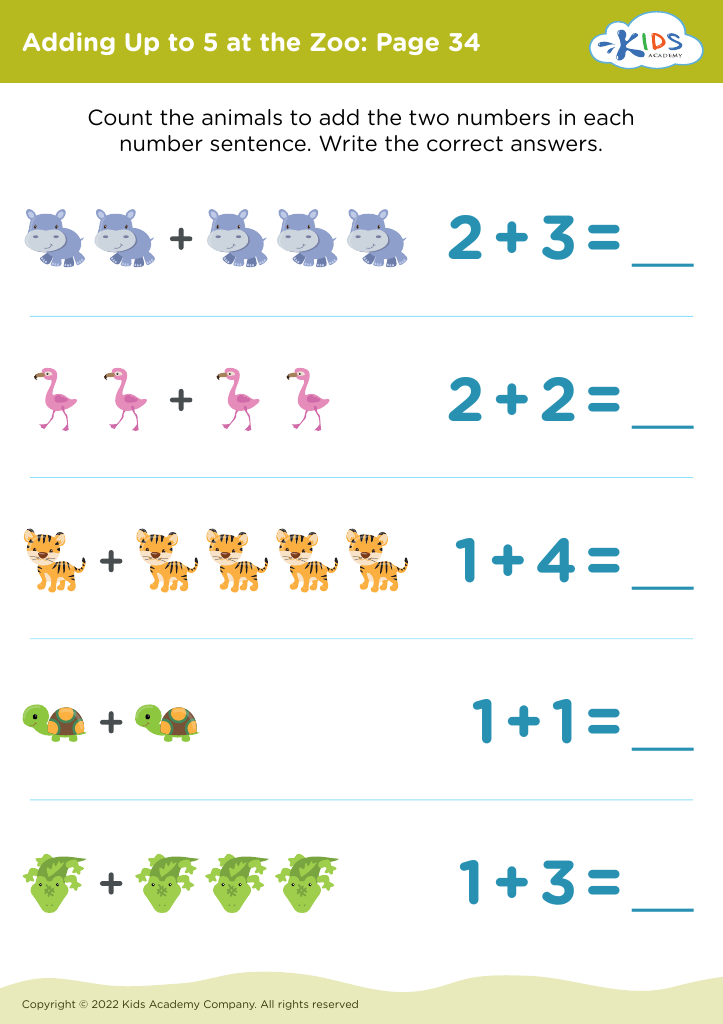








Visual comprehension is crucial for children aged 4-8 as it serves as the foundation for their learning and development. At this stage, children are immersed in various forms of visual stimuli, from picture books to educational games. Understanding and interpreting visuals enhances their ability to grasp concepts, make connections, and engage with content. Parents and teachers should prioritize visual comprehension because it supports literacy, critical thinking, and problem-solving skills.
Moreover, visual comprehension encourages creativity and imagination. Children learn to express ideas visually, fostering skills in drawing, painting, or crafting, which are vital for cognitive and emotional development. As children enhance their ability to understand visuals, they become better communicators and can articulate their thoughts and preferences more effectively.
Additionally, many learning environments incorporate visuals, and students who struggle with comprehension may fall behind academically. By fostering visual comprehension early on, parents and teachers can help avoid learning difficulties in later years. Therefore, promoting activities that strengthen visual literacy—such as storytelling through pictures, interactive art projects, and educational videos—can create engaging learning experiences that benefit children’s overall development and readiness for future learning. Emphasizing visual comprehension during these formative years sets the stage for lifelong learning success.








