Visual-spatial skills Worksheets for Ages 4-8
3 filtered results
-
From - To
Unlock your child's potential with our captivating visual-spatial skills worksheets, designed specifically for ages 4-8. These expertly crafted activities enhance critical thinking and problem-solving abilities through engaging puzzle and pattern exercises. Perfect for nurturing cognitive development, each worksheet aids in sharpening memory, spatial awareness, and hand-eye coordination. Whether at home or in the classroom, these fun and educational resources guide kids on the exciting path to mastering visual-spatial skills. Help your child flourish academically and creatively with practice that feels like play! Visit our page to access a comprehensive collection curated for optimal learning and growth.
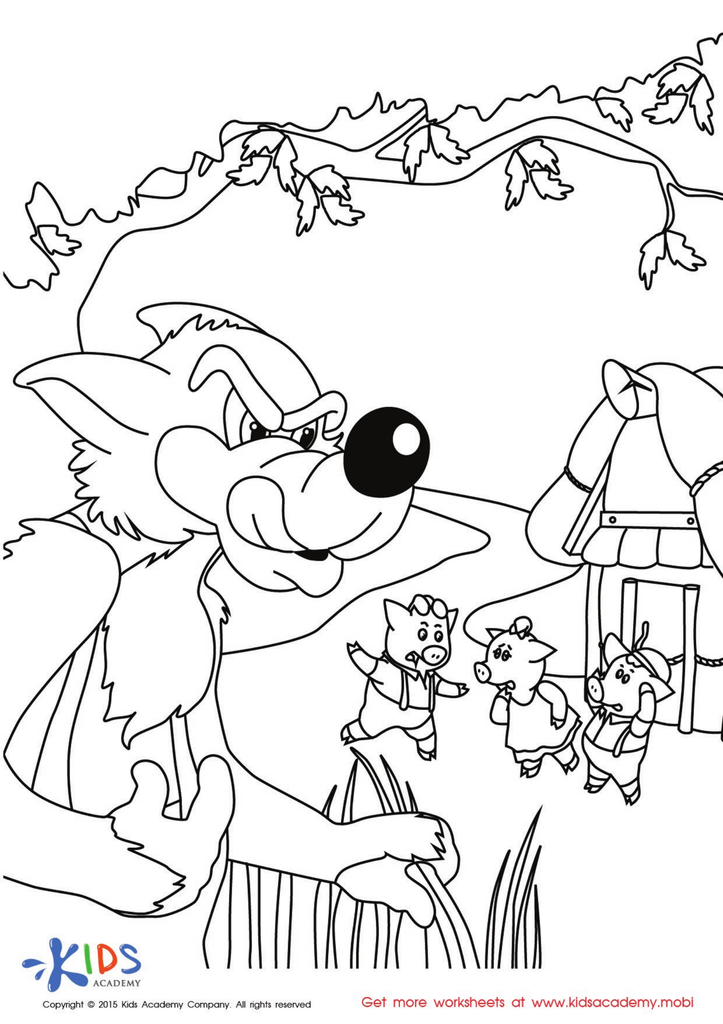
The Story of the Three Little Pigs Coloring Worksheet
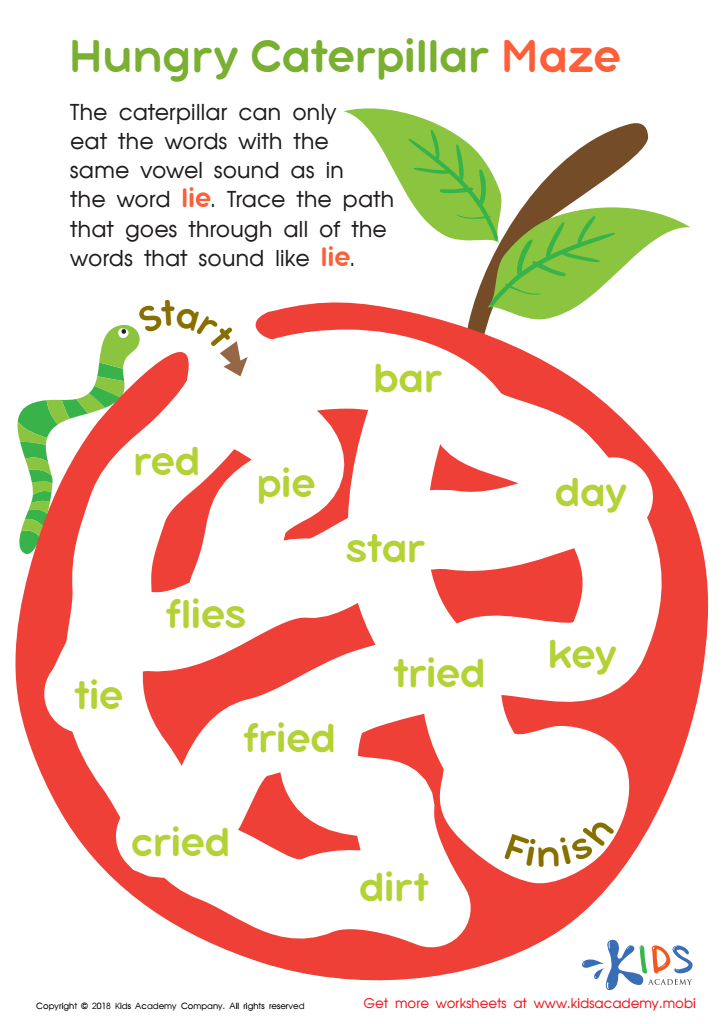
Hungry Caterpillar Maze Worksheet
 Assign to My Students
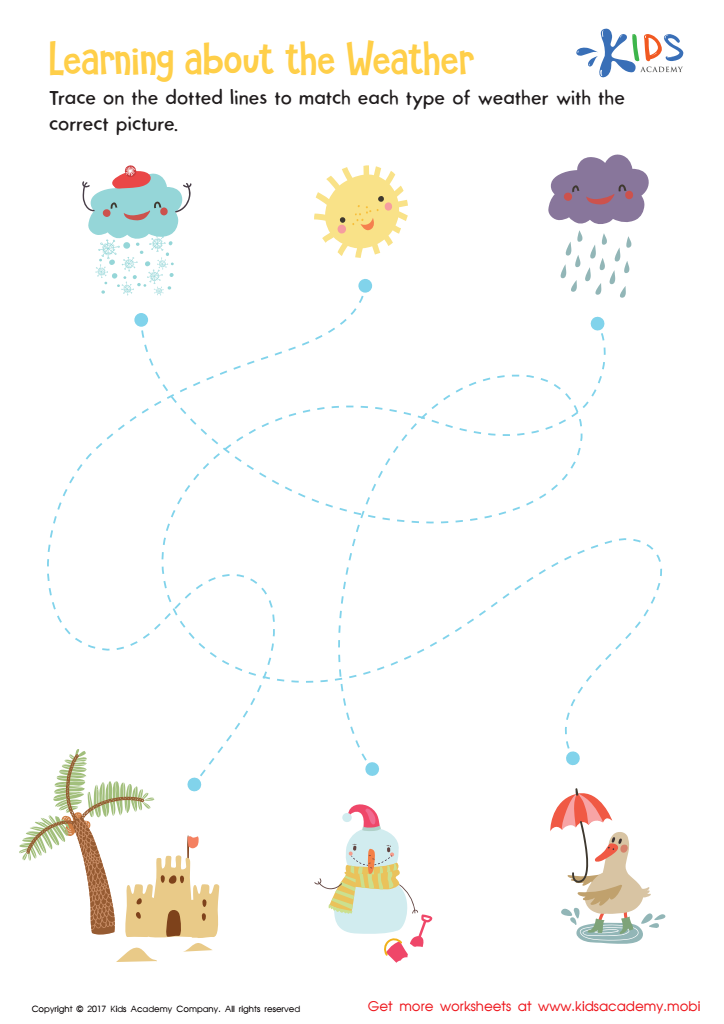








Visual-spatial skills are crucial for young children aged 4–8, as they form the foundation for many aspects of learning and day-to-day functioning. These skills enable children to understand, interpret, and navigate the world around them. For parents and teachers, prioritizing the development of visual-spatial skills can significantly impact a child's academic success and overall cognitive development.
Firstly, strong visual-spatial skills are closely linked to achievements in STEM (science, technology, engineering, and mathematics) subjects. For example, recognizing patterns, understanding geometric relationships, and visualizing objects in space are foundational skills for future learning in these areas. Early encouragement and development in these skills lay the groundwork for long-term academic success.
Secondly, visual-spatial skills help children with everyday tasks such as reading and writing. Being able to discern and remember the shapes of letters and words enhances reading proficiency. Understanding spatial relationships directly impacts handwriting and the ability to organize written work effectively.
Lastly, these skills play a crucial role in problem-solving and creativity. Games, puzzles, and activities that enhance spatial reasoning not only entertain but also foster innovative thinking, strategic planning, and resilience.
Overall, nurturing visual-spatial skills from an early age enriches a child's educational experiences and builds foundational skills necessary for lifelong learning and success.








