Filters

18 filtered results

Clear all filters
Favorites
With answer key
Interactive

18 filtered results

Difficulty Level

Grade


Subject

    Explore our engaging "Cognitive Development Adding at the Zoo" worksheets designed for children ages 4-8! These fun and interactive activities offer a unique way to enhance math skills through the theme of a zoo, making learning both educational and enjoyable. Kids will improve their counting and addition abilities while learning about animals in an entertaining setting. With colorful illustrations and relatable scenarios, these worksheets promote cognitive development by encouraging problem-solving and critical thinking. Perfect for home or classroom use, these activities will inspire young learners to build a solid foundation in math while fostering a love for exploration and Discovery!
    Check out this FREE Trial Lesson on Adding at the Zoo for age 4-8!

    Match Objects that Fit Together

    Favorites
    With answer key
    Interactive
    • 4-8
    • Cognitive Development
    • Adding at the Zoo
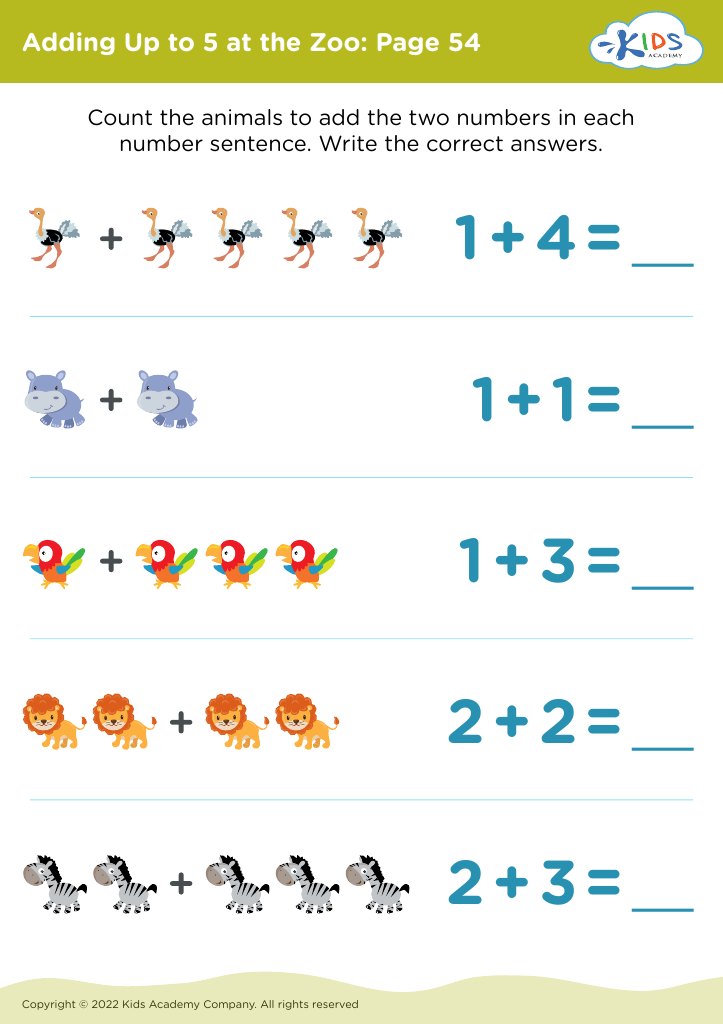
    Adding Up to 5 at the Zoo: Page 54
    Adding Up to 5 at the Zoo: Page 54
    Adding Up to 5 at the Zoo: Page 54
    Worksheet
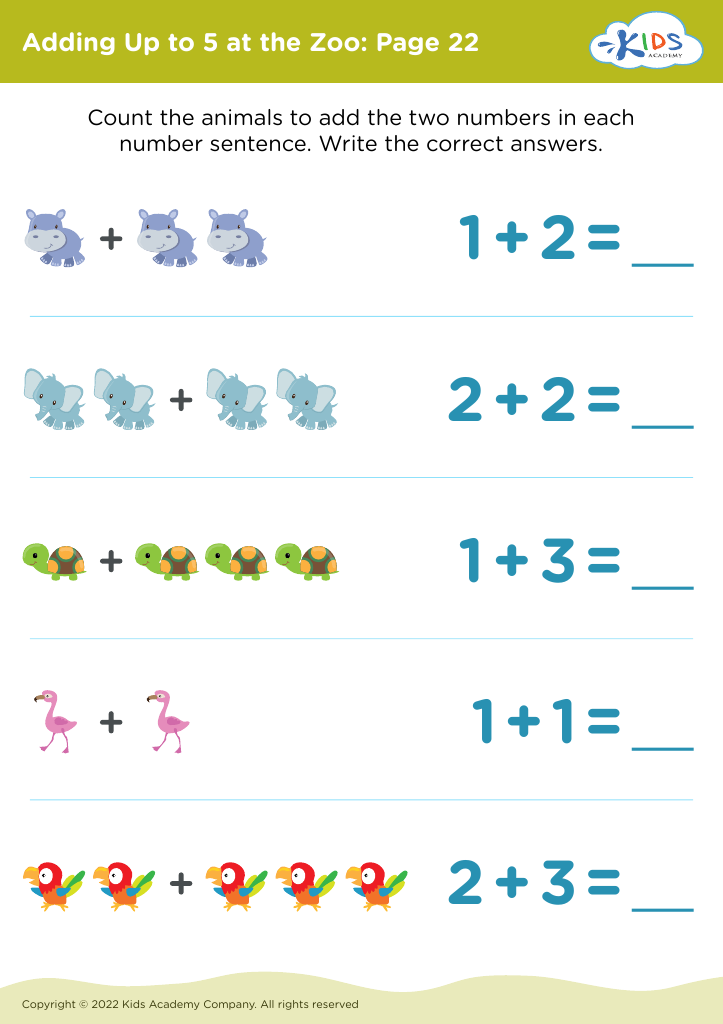
    Adding Up to 5 at the Zoo: Page 22
    Adding Up to 5 at the Zoo: Page 22
    Adding Up to 5 at the Zoo: Page 22
    Worksheet
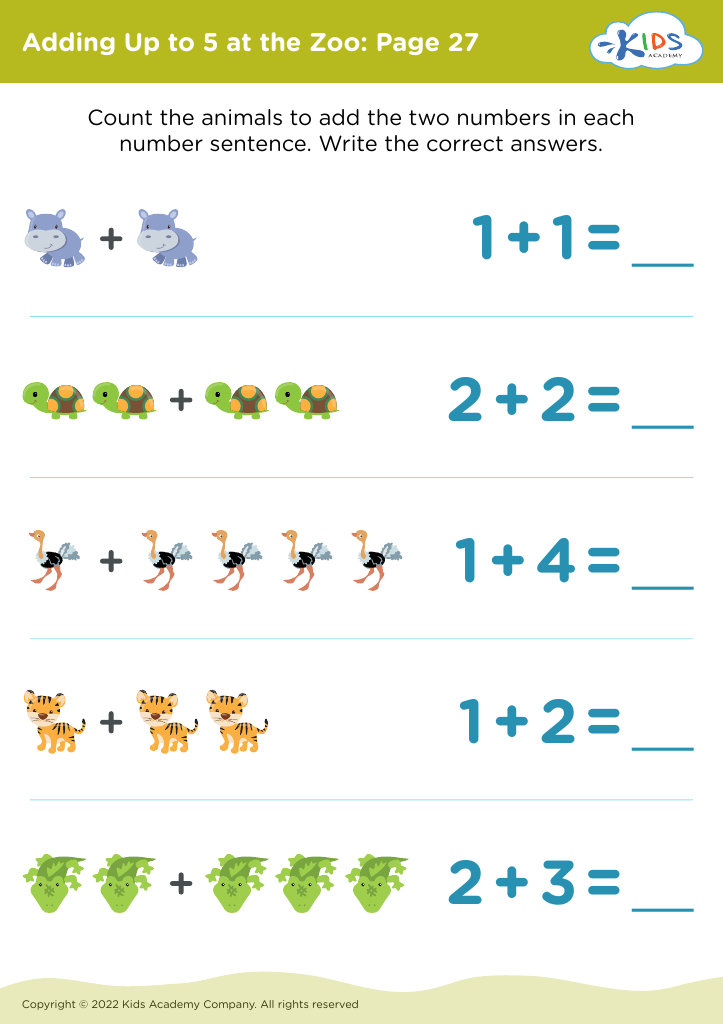
    Adding Up to 5 at the Zoo: Page 27
    Adding Up to 5 at the Zoo: Page 27
    Adding Up to 5 at the Zoo: Page 27
    Worksheet
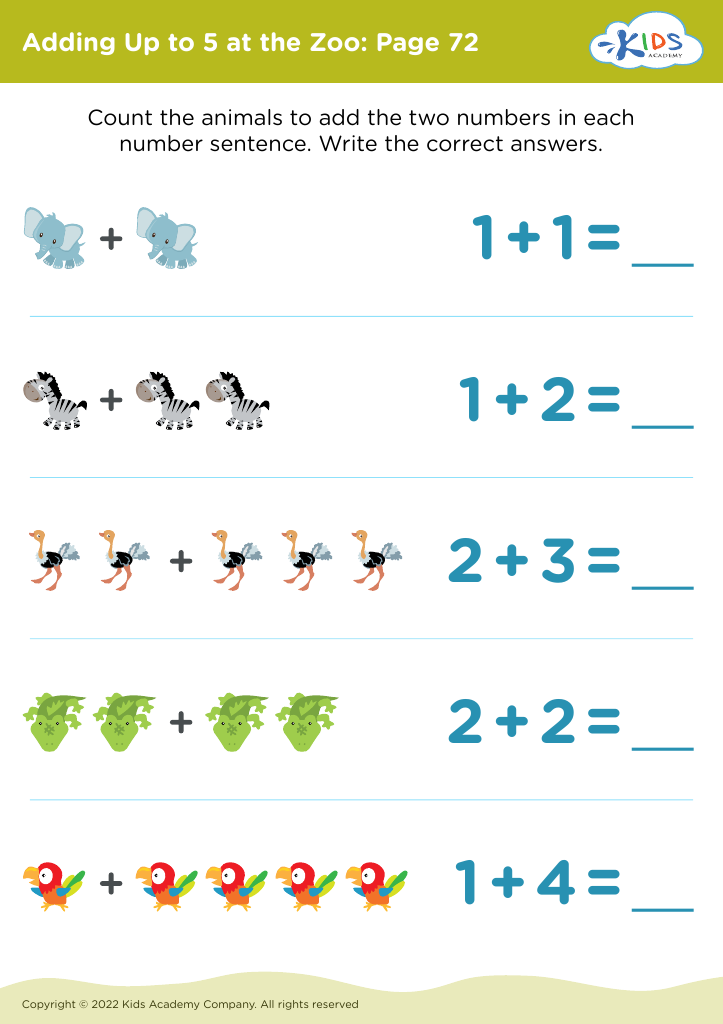
    Adding Up to 5 at the Zoo: Page 72
    Adding Up to 5 at the Zoo: Page 72
    Adding Up to 5 at the Zoo: Page 72
    Worksheet
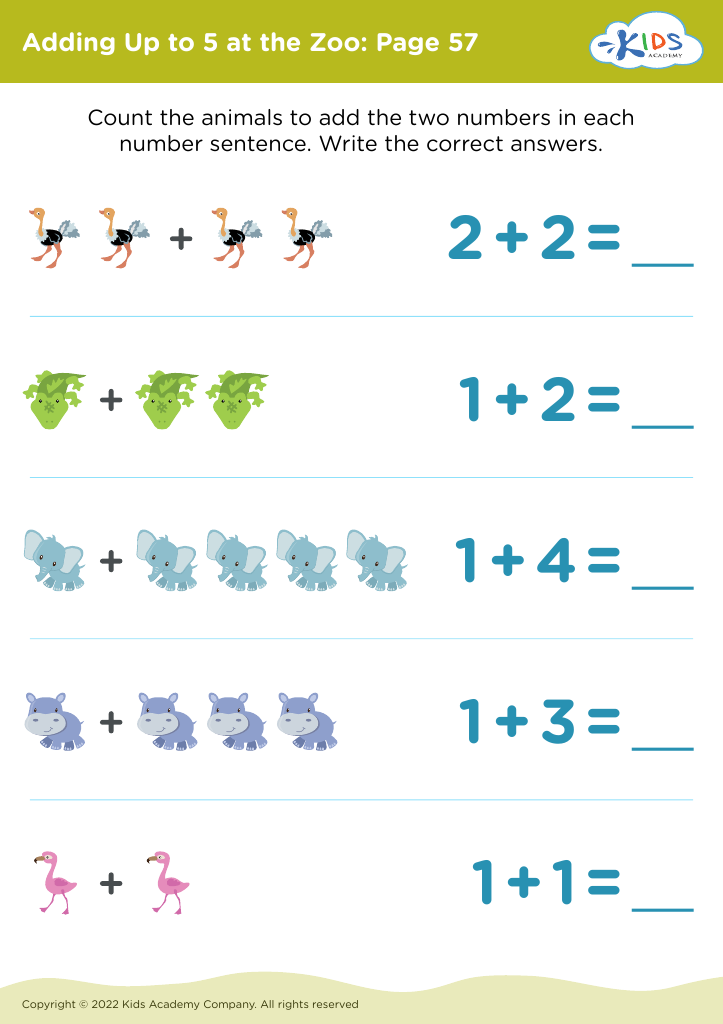
    Adding Up to 5 at the Zoo: Page 57
    Adding Up to 5 at the Zoo: Page 57
    Adding Up to 5 at the Zoo: Page 57
    Worksheet
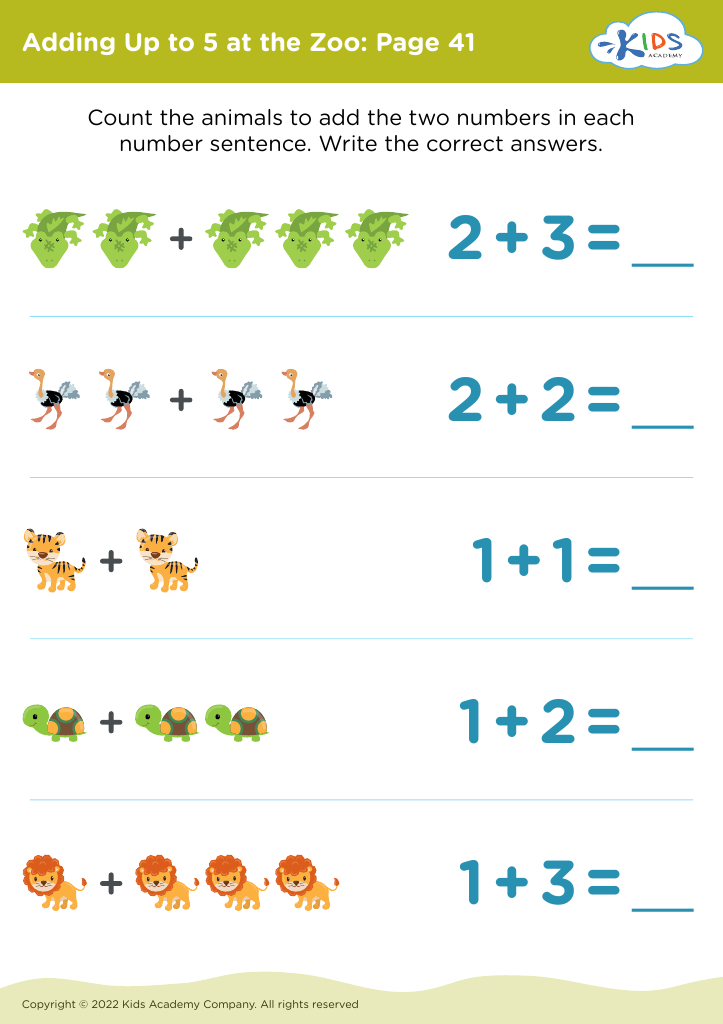
    Adding Up to 5 at the Zoo: Page 41
    Adding Up to 5 at the Zoo: Page 41
    Adding Up to 5 at the Zoo: Page 41
    Worksheet
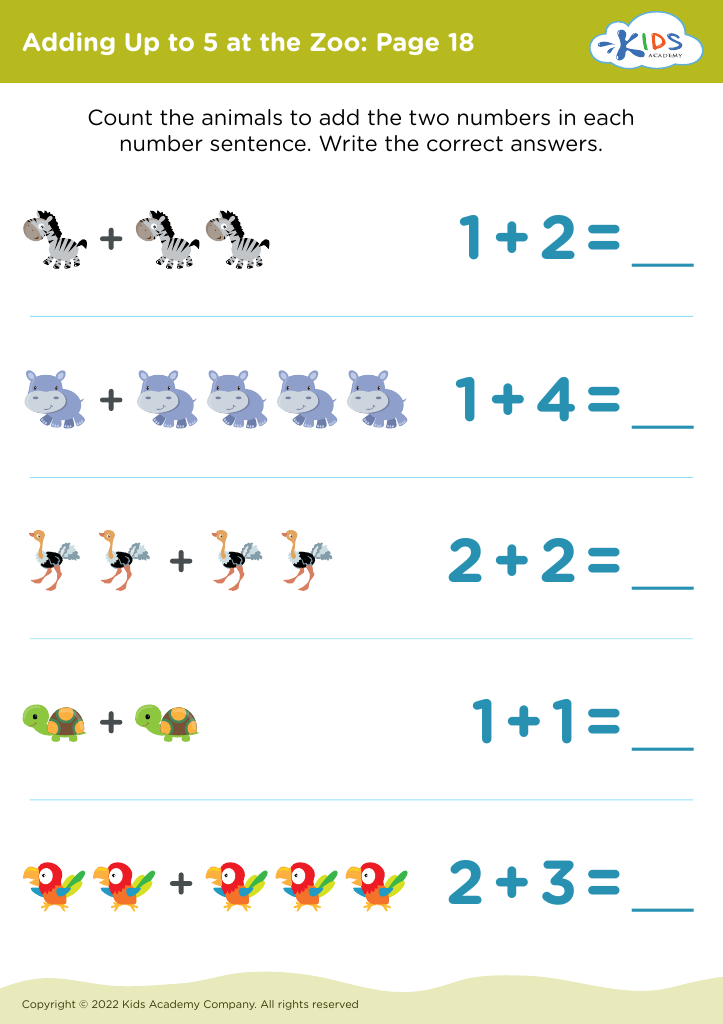
    Adding Up to 5 at the Zoo: Page 18
    Adding Up to 5 at the Zoo: Page 18
    Adding Up to 5 at the Zoo: Page 18
    Worksheet
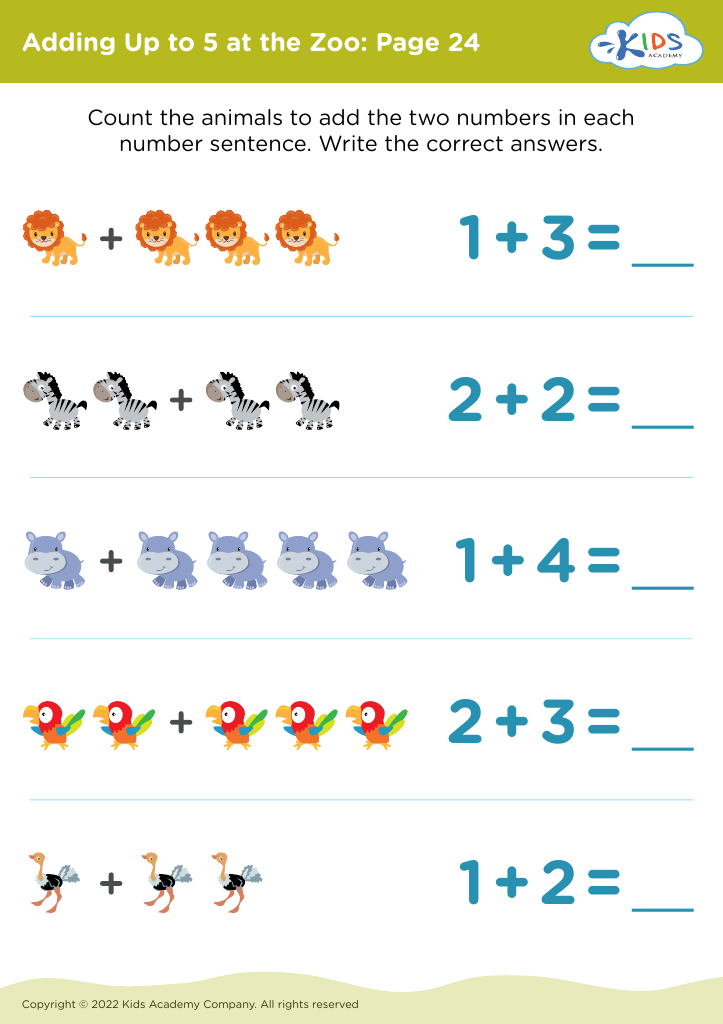
    Adding Up to 5 at the Zoo: Page 24
    Adding Up to 5 at the Zoo: Page 24
    Adding Up to 5 at the Zoo: Page 24
    Worksheet
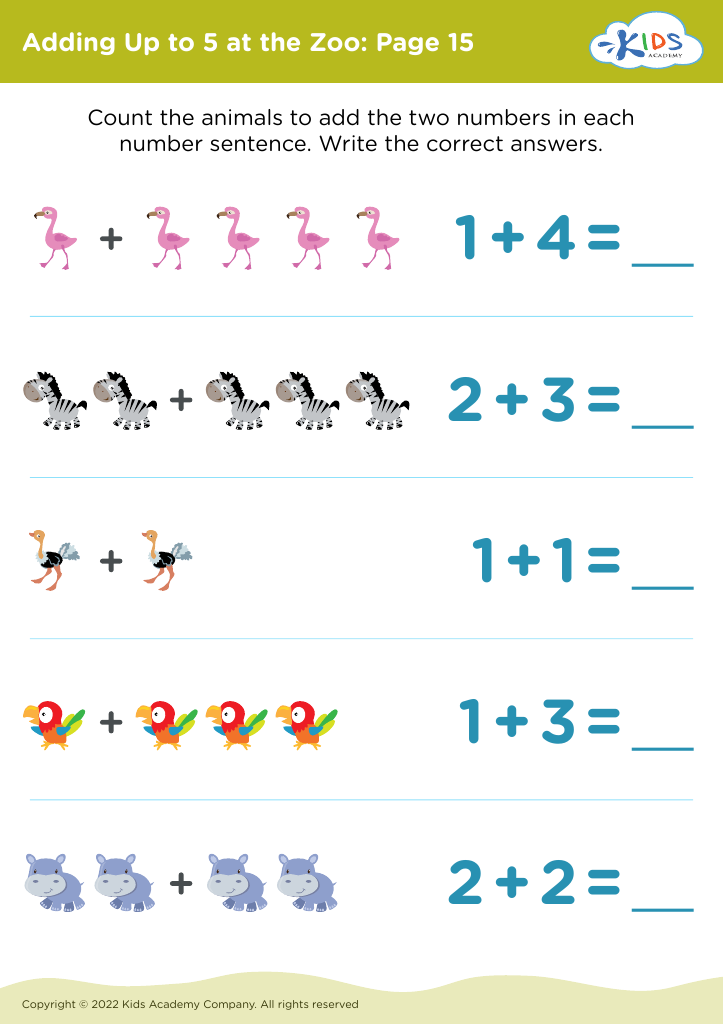
    Adding Up to 5 at the Zoo: Page 15
    Adding Up to 5 at the Zoo: Page 15
    Adding Up to 5 at the Zoo: Page 15
    Worksheet
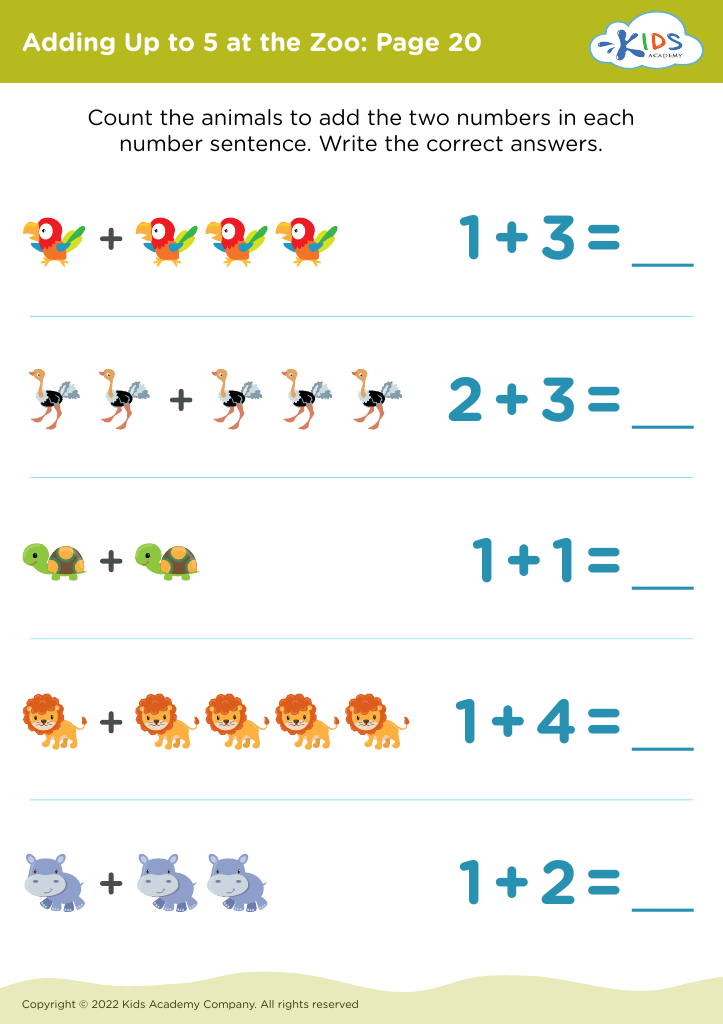
    Adding Up to 5 at the Zoo: Page 20
    Adding Up to 5 at the Zoo: Page 20
    Adding Up to 5 at the Zoo: Page 20
    Worksheet
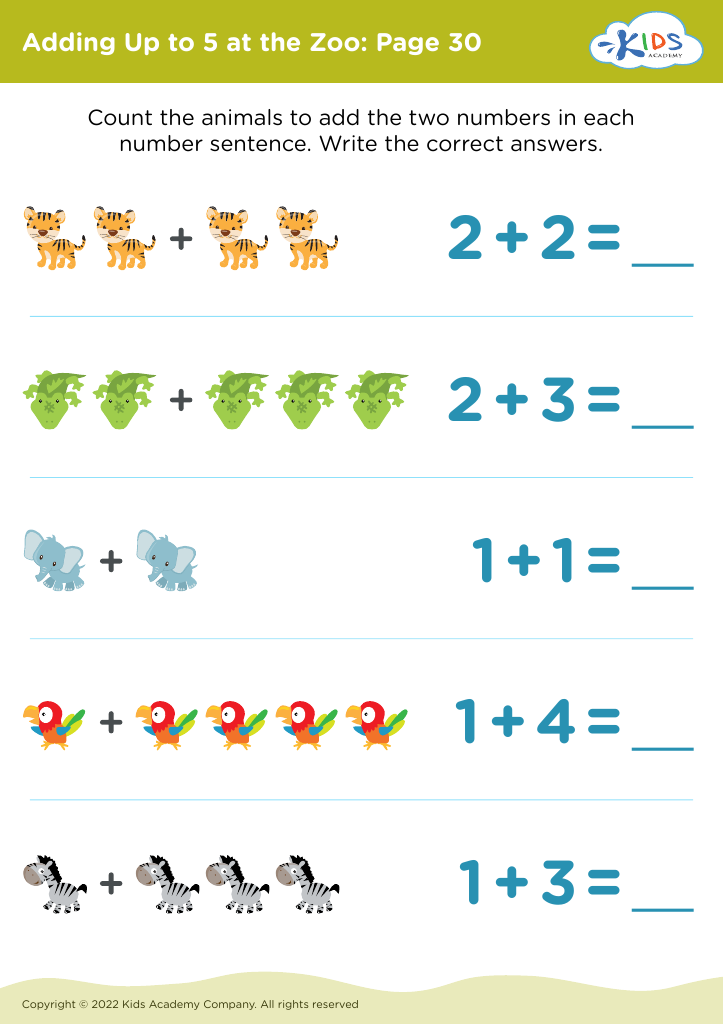
    Adding Up to 5 at the Zoo: Page 30
    Adding Up to 5 at the Zoo: Page 30
    Adding Up to 5 at the Zoo: Page 30
    Worksheet
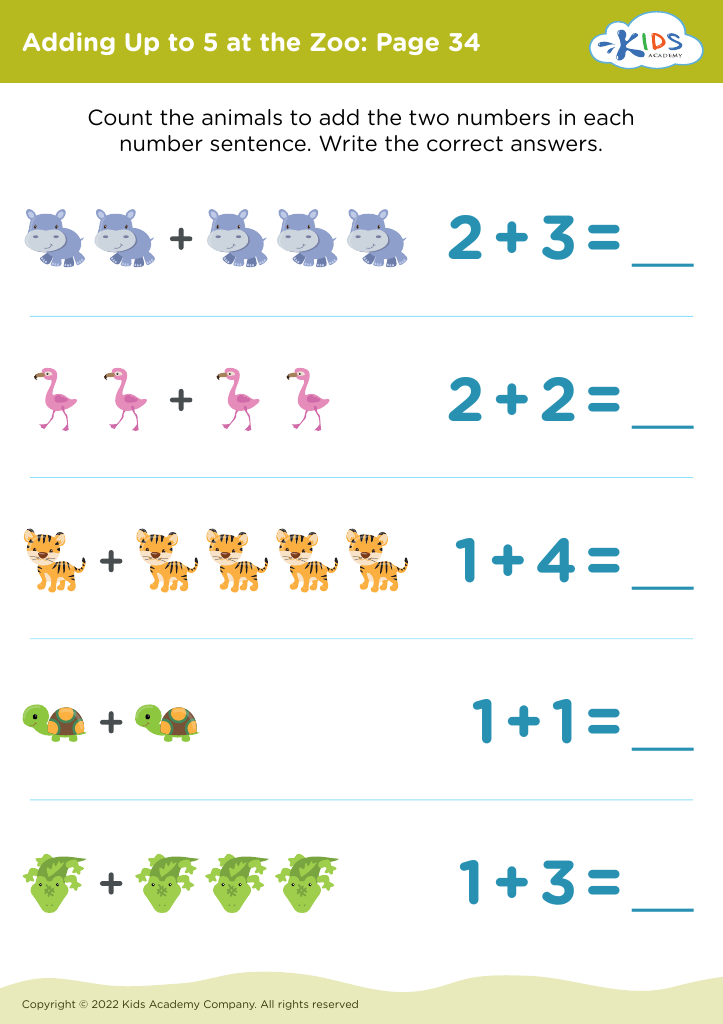
    Adding Up to 5 at the Zoo: Page 34
    Adding Up to 5 at the Zoo: Page 34
    Adding Up to 5 at the Zoo: Page 34
    Worksheet
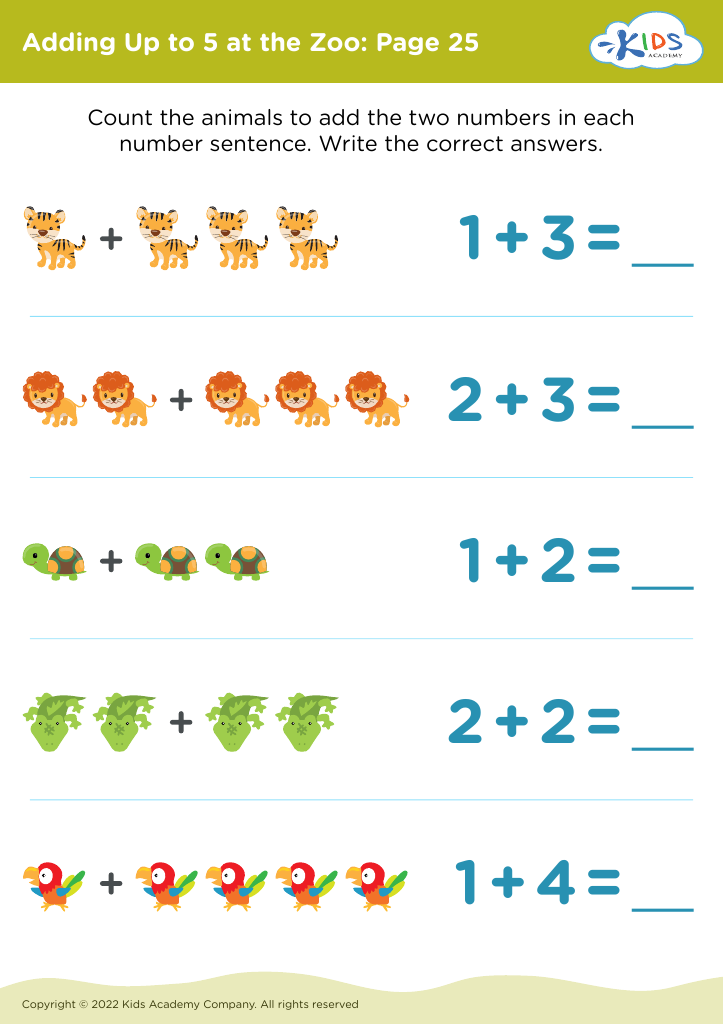
    Adding Up to 5 at the Zoo: Page 25
    Adding Up to 5 at the Zoo: Page 25
    Adding Up to 5 at the Zoo: Page 25
    Worksheet
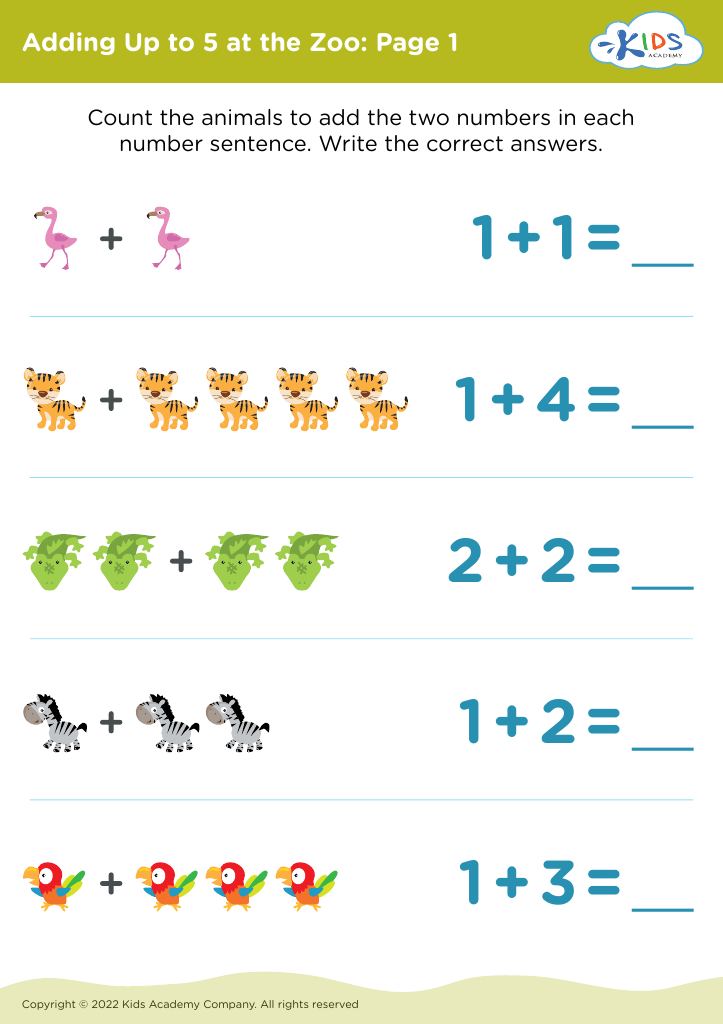
    Adding Up to 5 at the Zoo: Page 1
    Adding Up to 5 at the Zoo: Page 1

    Adding Up to 5 at the Zoo: Page 1

    Adding Up to 5 at the Zoo: Page 1
    Worksheet
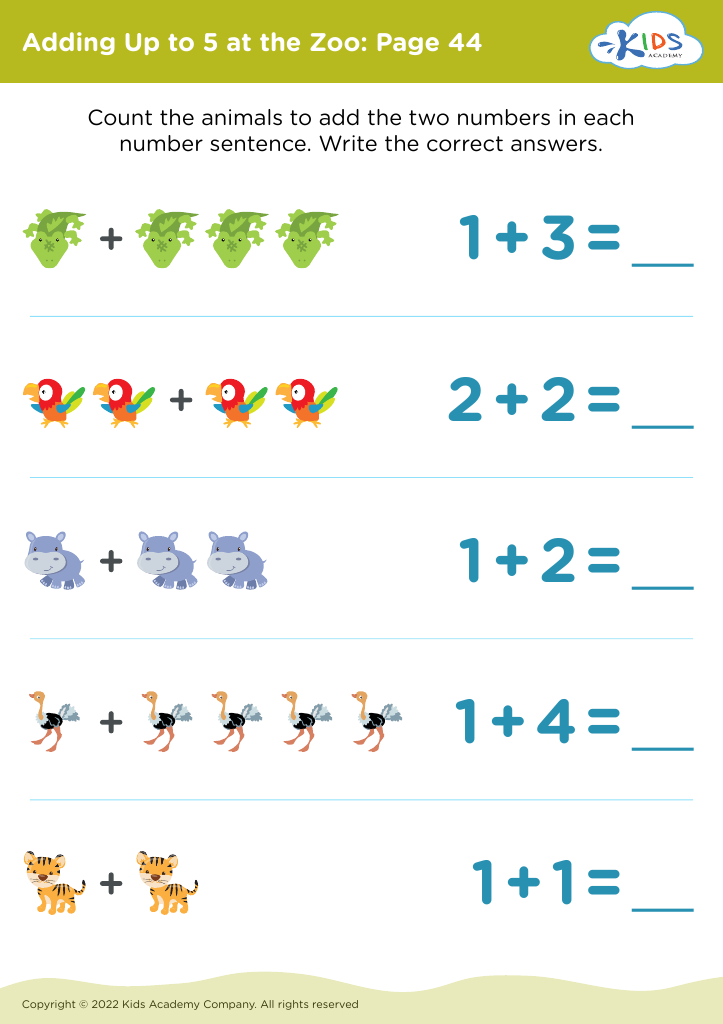
    Adding Up to 5 at the Zoo: Page 44
    Adding Up to 5 at the Zoo: Page 44
    Adding Up to 5 at the Zoo: Page 44
    Worksheet
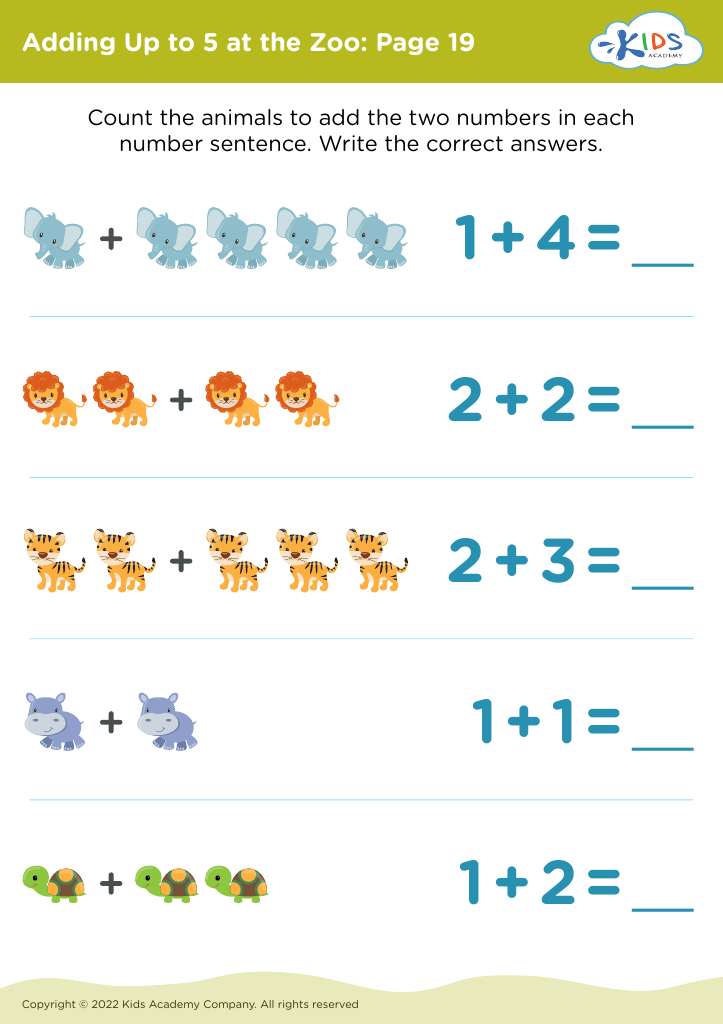
    Adding Up to 5 at the Zoo: Page 19
    Adding Up to 5 at the Zoo: Page 19
    Adding Up to 5 at the Zoo: Page 19
    Worksheet
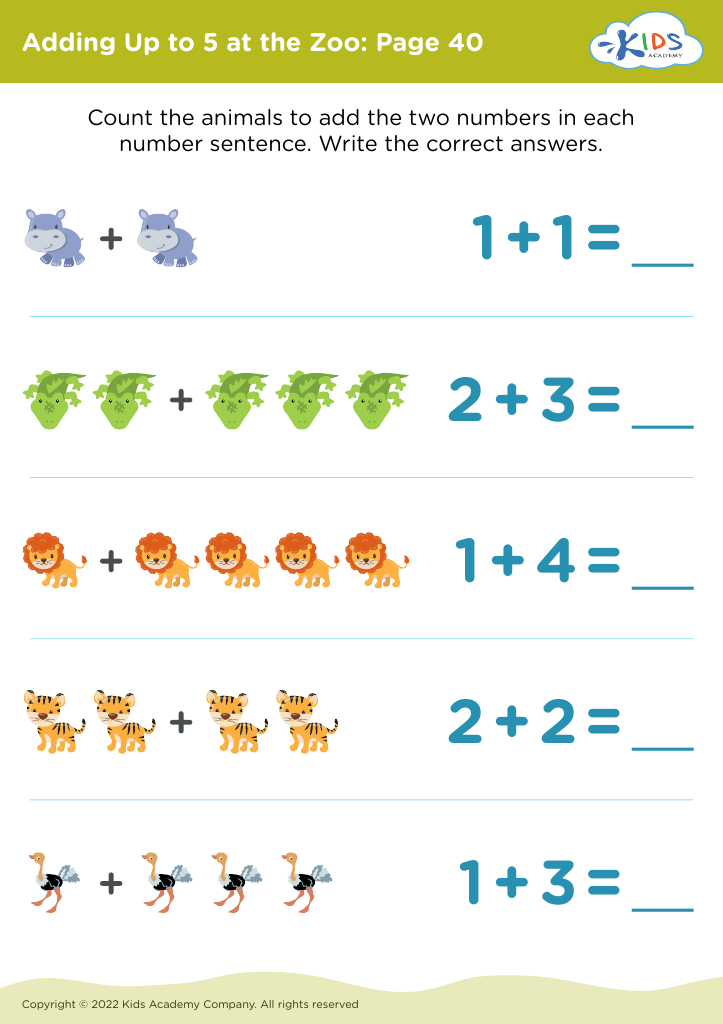
    Adding Up to 5 at the Zoo: Page 40
    Adding Up to 5 at the Zoo: Page 40
    Adding Up to 5 at the Zoo: Page 40
    Worksheet
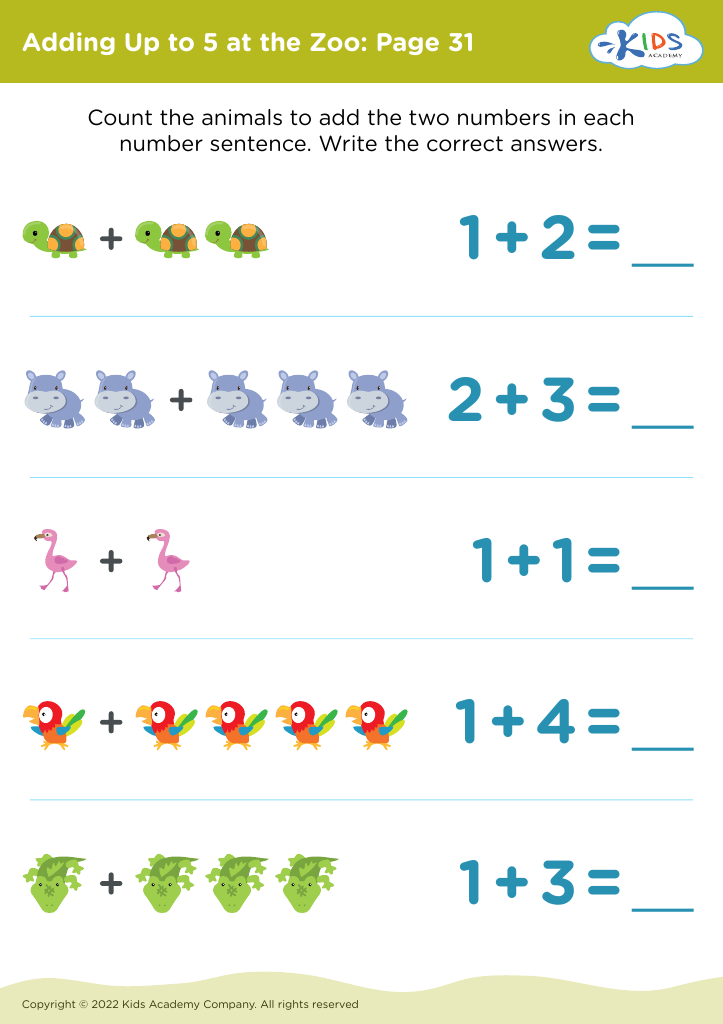
    Adding Up to 5 at the Zoo: Page 31
    Adding Up to 5 at the Zoo: Page 31
    Adding Up to 5 at the Zoo: Page 31
    Worksheet


    Cognitive development in early childhood, particularly for ages 4-8, is crucial as this period significantly shapes a child's thought processes, problem-solving skills, and understanding of the world. Engaging activities such as "Adding at the Zoo" capture children's imagination while promoting foundational math concepts. Through interactive learning experiences at the zoo, children can enhance their numerical skills by counting animals, identifying patterns, and solving simple addition problems related to their environment.

    Parents and teachers should prioritize these activities because they blend education with play, fostering a more engaging learning atmosphere. Children are more likely to retain information when it is presented in a fun, relatable context. The setting of a zoo introduces real-world applications of math, showing children the relevance and functionality of what they learn in the classroom.

    Additionally, engaging in cognitive development activities nurtures critical thinking and boosts self-esteem as children solve problems. By fostering a solid mathematical foundation early on, parents and educators can help prepare children for future academic success. Furthermore, collaborative exercises furthermore promote social skills, as children learn to communicate and work together, laying the groundwork for lifelong learning and development. Thus, both parents and teachers play an invaluable role in supporting children's cognitive development through enriching experiences.