Filters

17 filtered results

Clear all filters
Favorites
With answer key
Interactive

17 filtered results

Difficulty Level

Grade


Subject

    Discover our engaging "Cognitive Development Adding in the Forest Worksheets" designed for children ages 4-8! These interactive worksheets will captivate young learners while fostering essential math skills through a thematic forest adventure. Children will enhance their cognitive abilities as they solve fun addition problems featuring charming woodland creatures and vibrant illustrations. Each worksheet promotes numerical understanding, critical thinking, and problem-solving, making math both enjoyable and accessible. Perfect for home or classroom use, these resources support the development of foundational math skills in line with early childhood education standards. Ignite a love for learning and watch your child's confidence soar!
    Check out this FREE Trial Lesson on Adding in the Forest for age 4-8!

    L

    Favorites
    With answer key
    Interactive
    • 4-8
    • Cognitive Development
    • Adding in the Forest
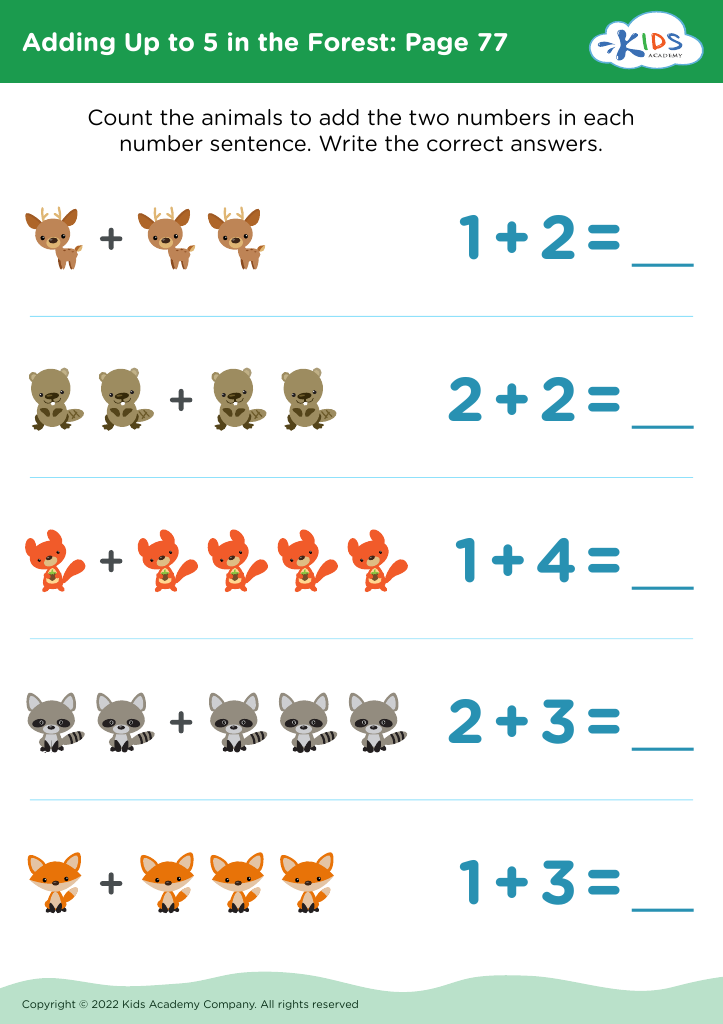
    Adding Up to 5 in the Forest: Page 77
    Adding Up to 5 in the Forest: Page 77
    Adding Up to 5 in the Forest: Page 77
    Worksheet
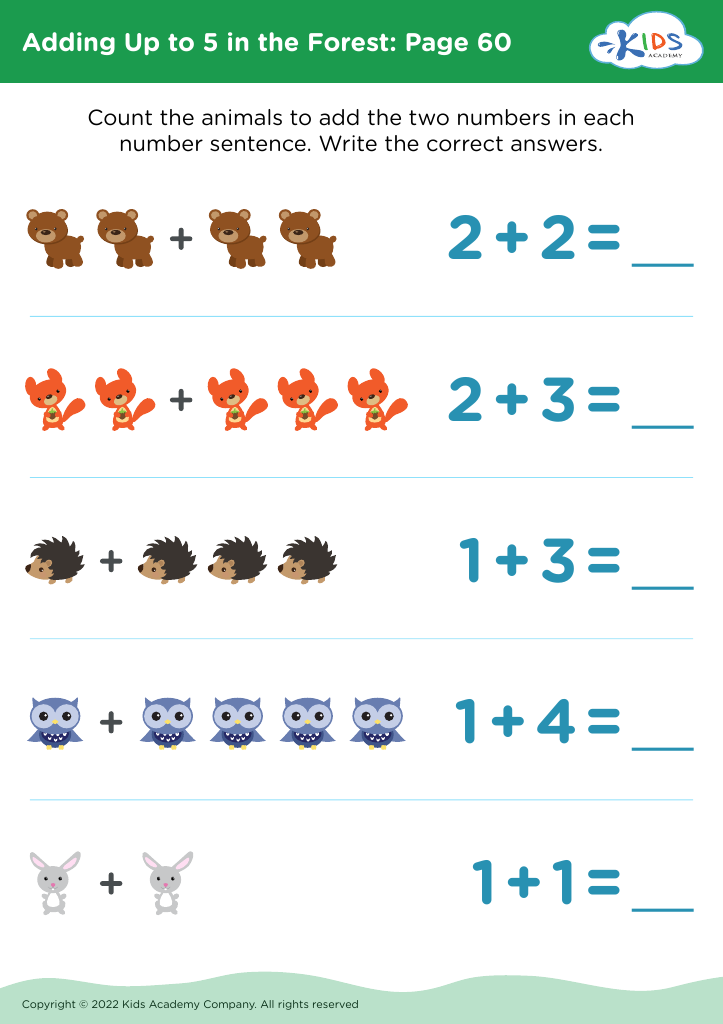
    Adding Up to 5 in the Forest: Page 60
    Adding Up to 5 in the Forest: Page 60
    Adding Up to 5 in the Forest: Page 60
    Worksheet
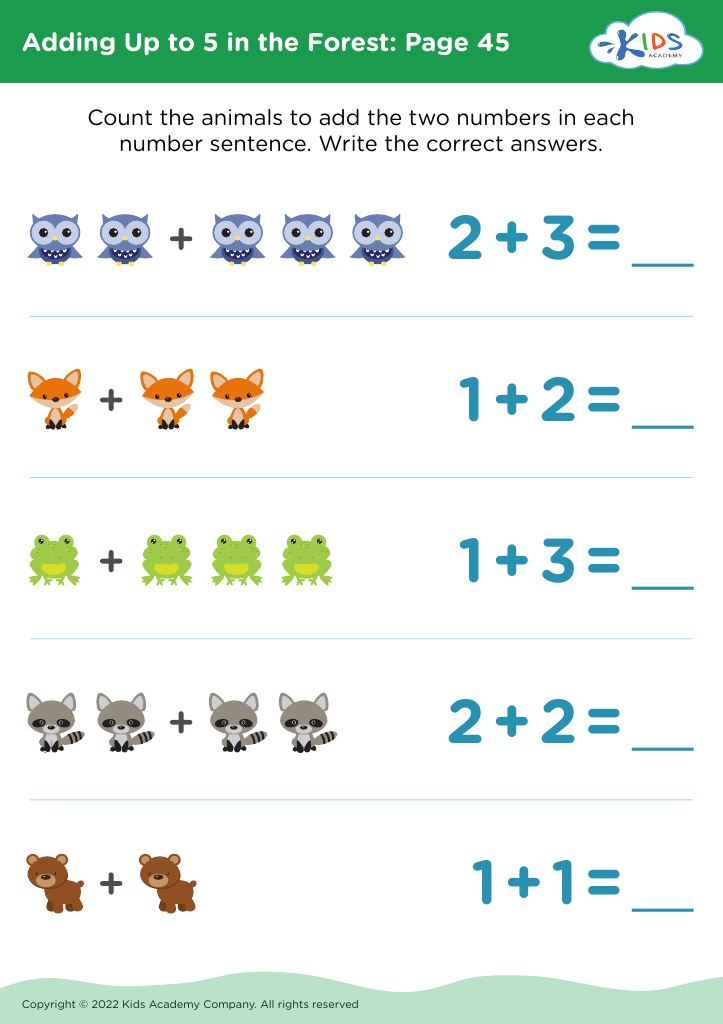
    Adding Up to 5 in the Forest: Page 45
    Adding Up to 5 in the Forest: Page 45
    Adding Up to 5 in the Forest: Page 45
    Worksheet
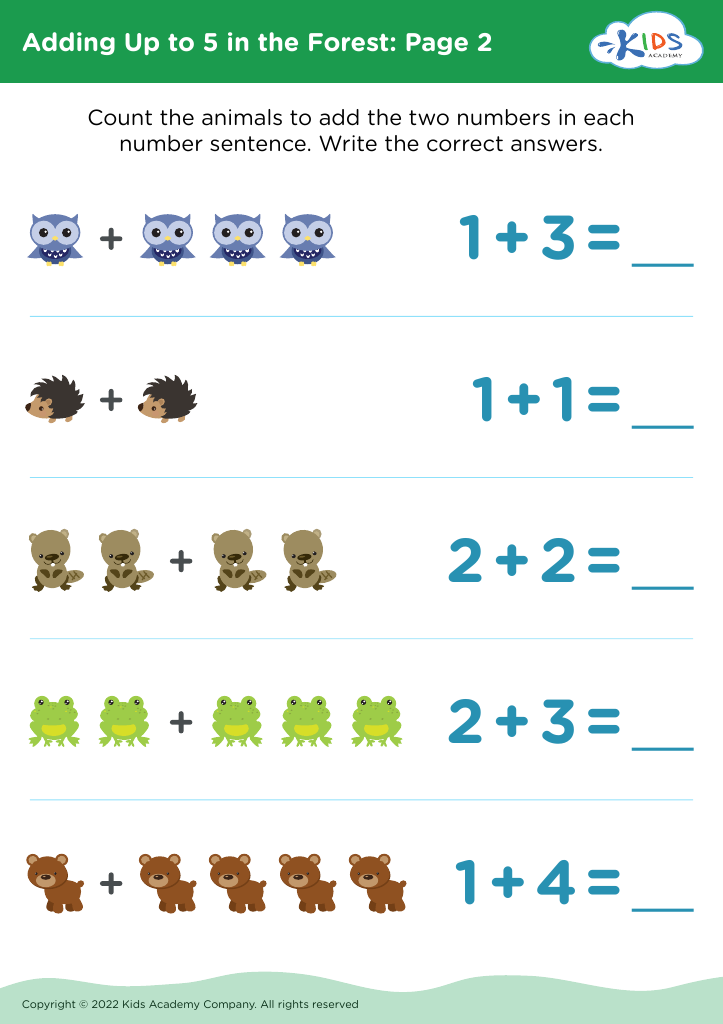
    Adding Up to 5 in the Forest: Page 2
    Adding Up to 5 in the Forest: Page 2
    Adding Up to 5 in the Forest: Page 2
    Worksheet
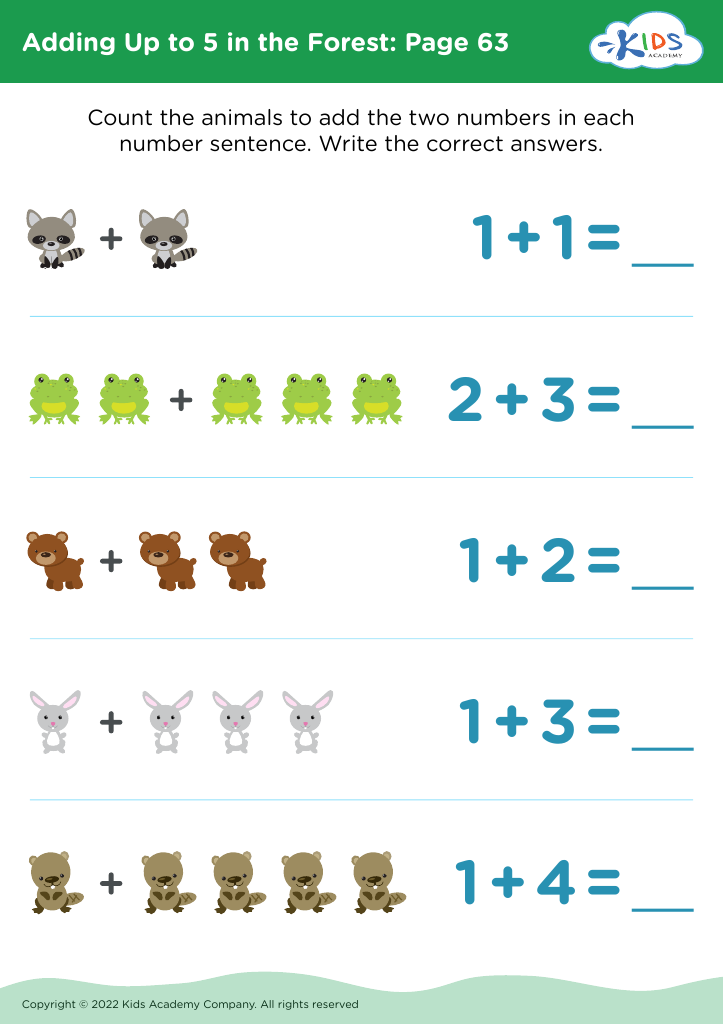
    Adding Up to 5 in the Forest: Page 63
    Adding Up to 5 in the Forest: Page 63
    Adding Up to 5 in the Forest: Page 63
    Worksheet
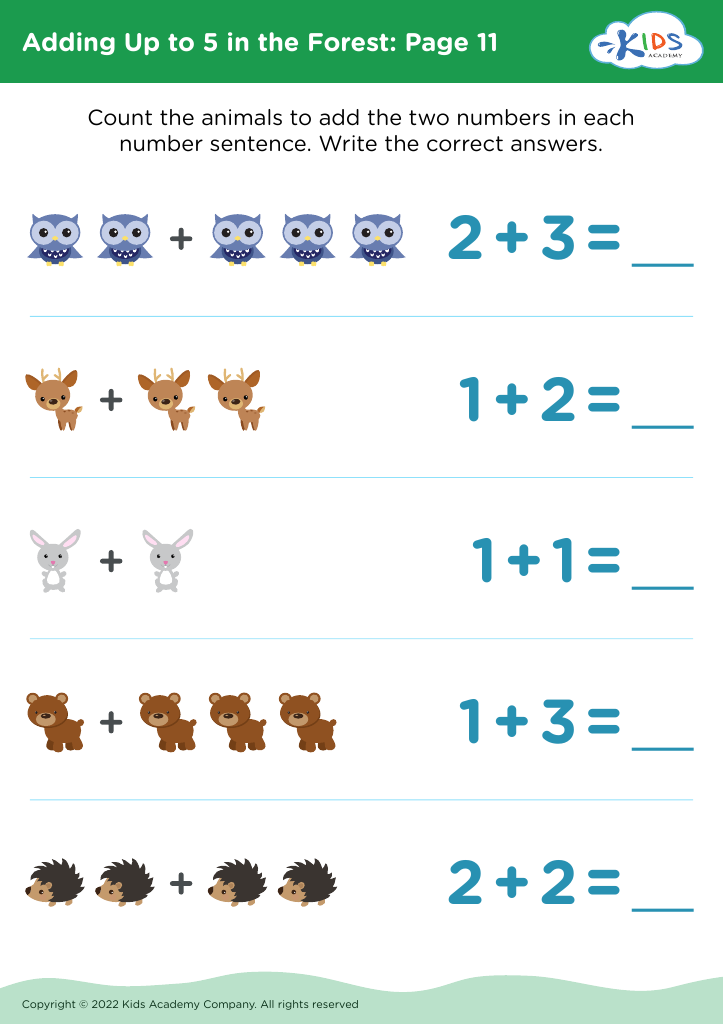
    Adding Up to 5 in the Forest: Page 11
    Adding Up to 5 in the Forest: Page 11
    Adding Up to 5 in the Forest: Page 11
    Worksheet
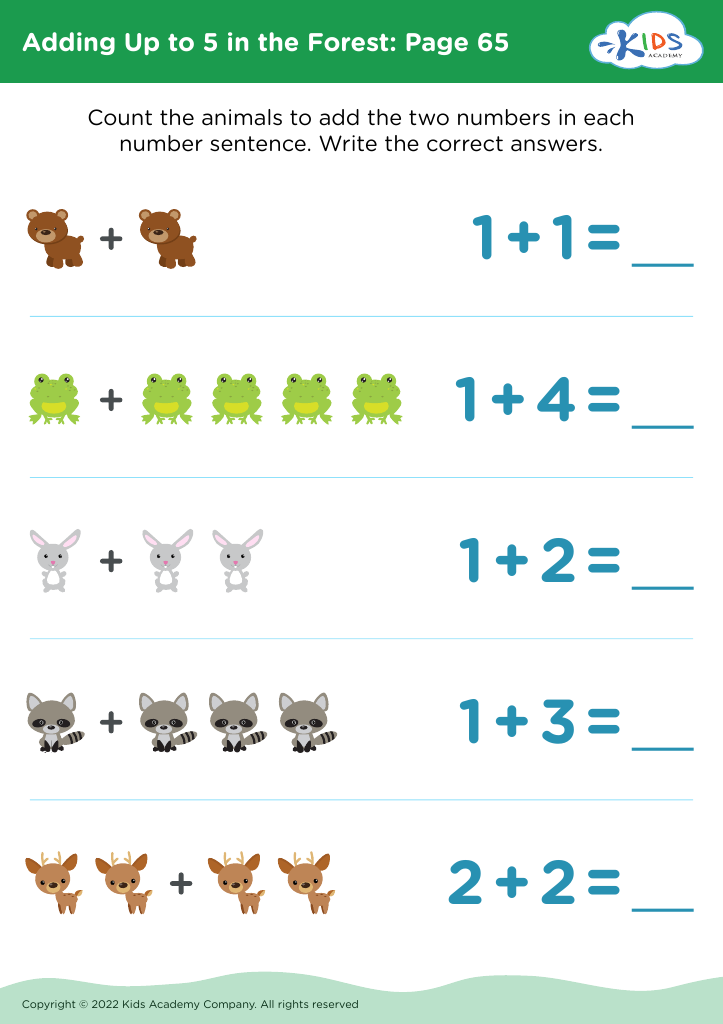
    Adding Up to 5 in the Forest: Page 65
    Adding Up to 5 in the Forest: Page 65
    Adding Up to 5 in the Forest: Page 65
    Worksheet
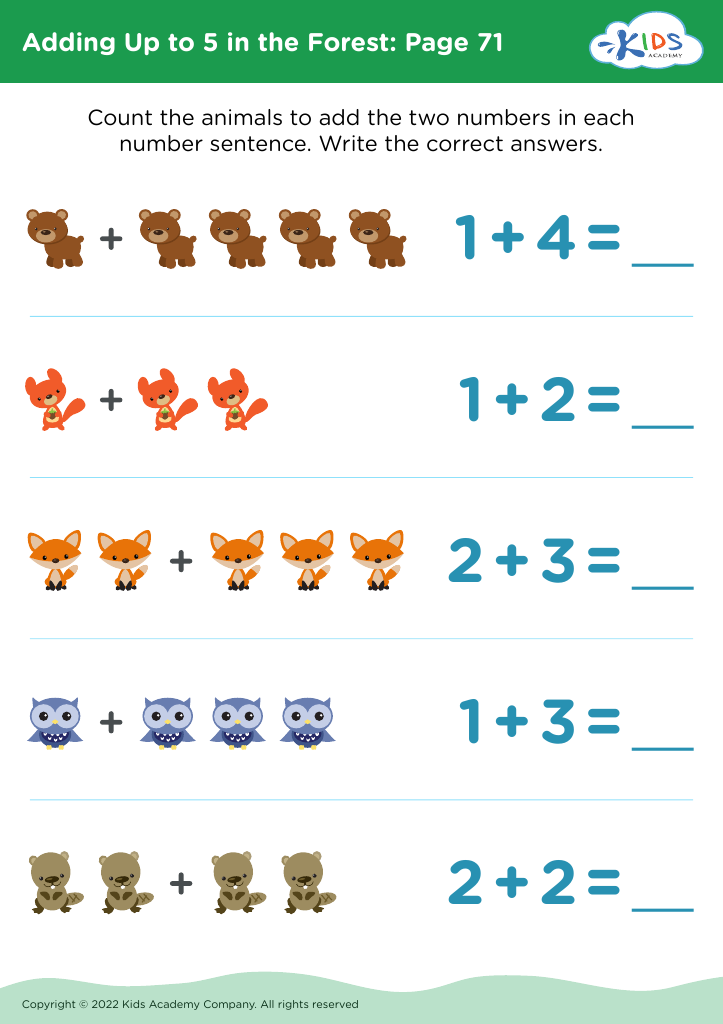
    Adding Up to 5 in the Forest: Page 71
    Adding Up to 5 in the Forest: Page 71
    Adding Up to 5 in the Forest: Page 71
    Worksheet
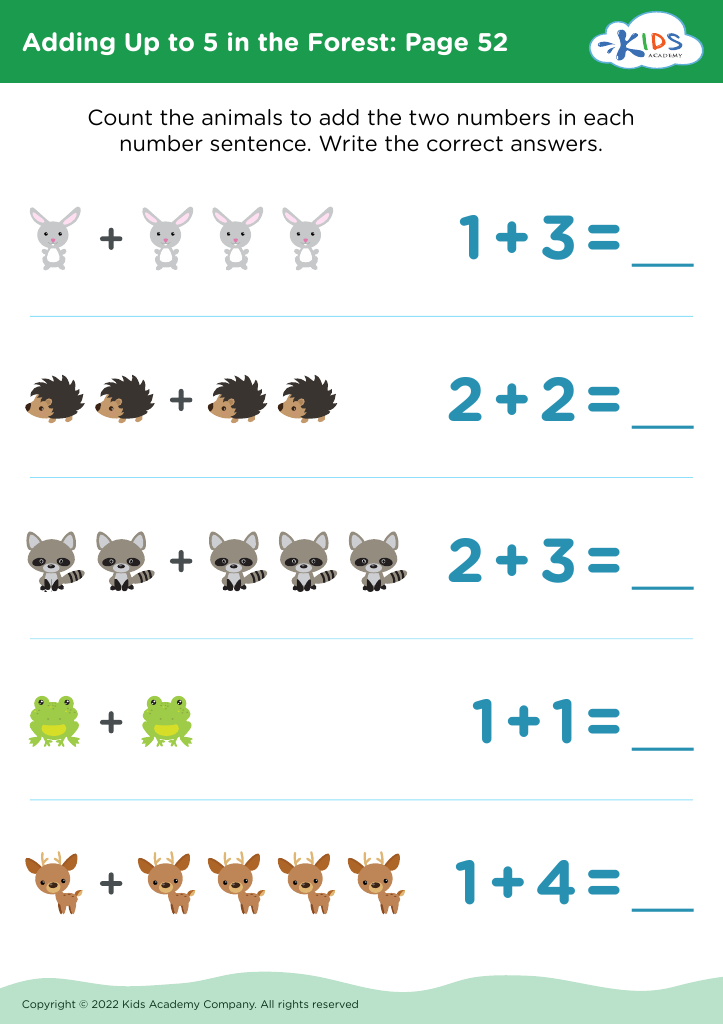
    Adding Up to 5 in the Forest: Page 52
    Adding Up to 5 in the Forest: Page 52
    Adding Up to 5 in the Forest: Page 52
    Worksheet
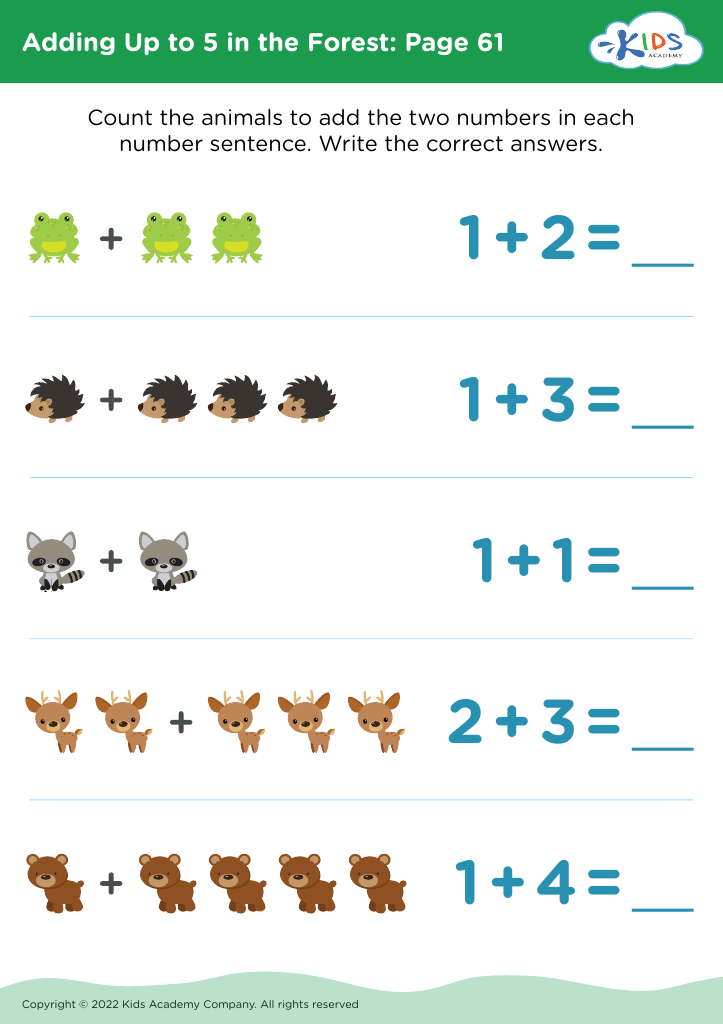
    Adding Up to 5 in the Forest: Page 61
    Adding Up to 5 in the Forest: Page 61
    Adding Up to 5 in the Forest: Page 61
    Worksheet
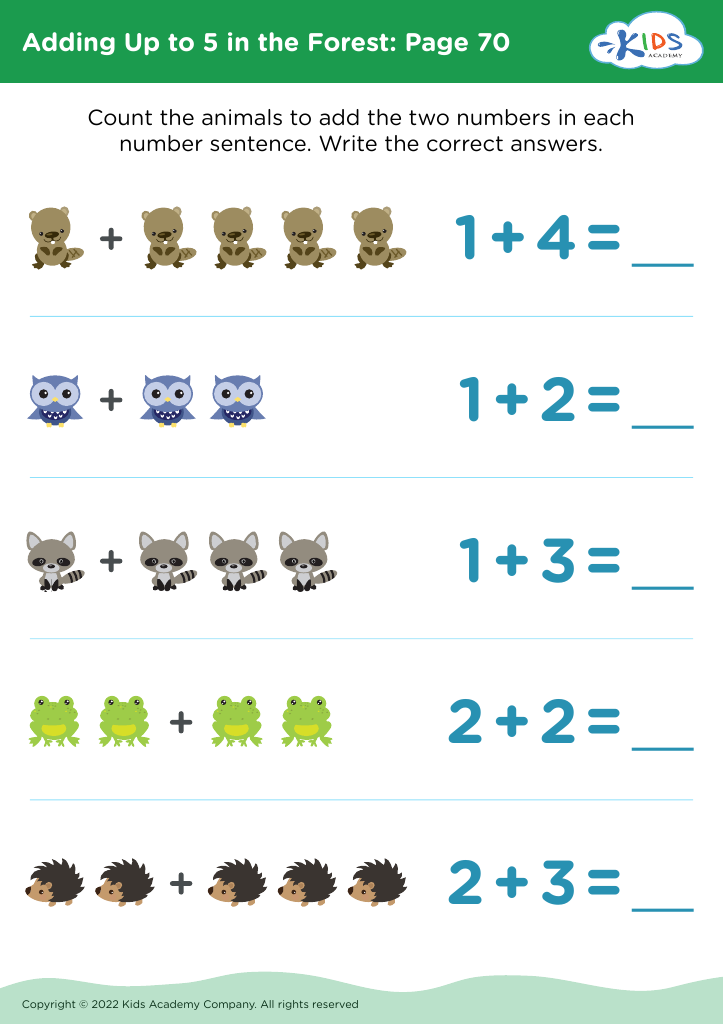
    Adding Up to 5 in the Forest: Page 70
    Adding Up to 5 in the Forest: Page 70
    Adding Up to 5 in the Forest: Page 70
    Worksheet
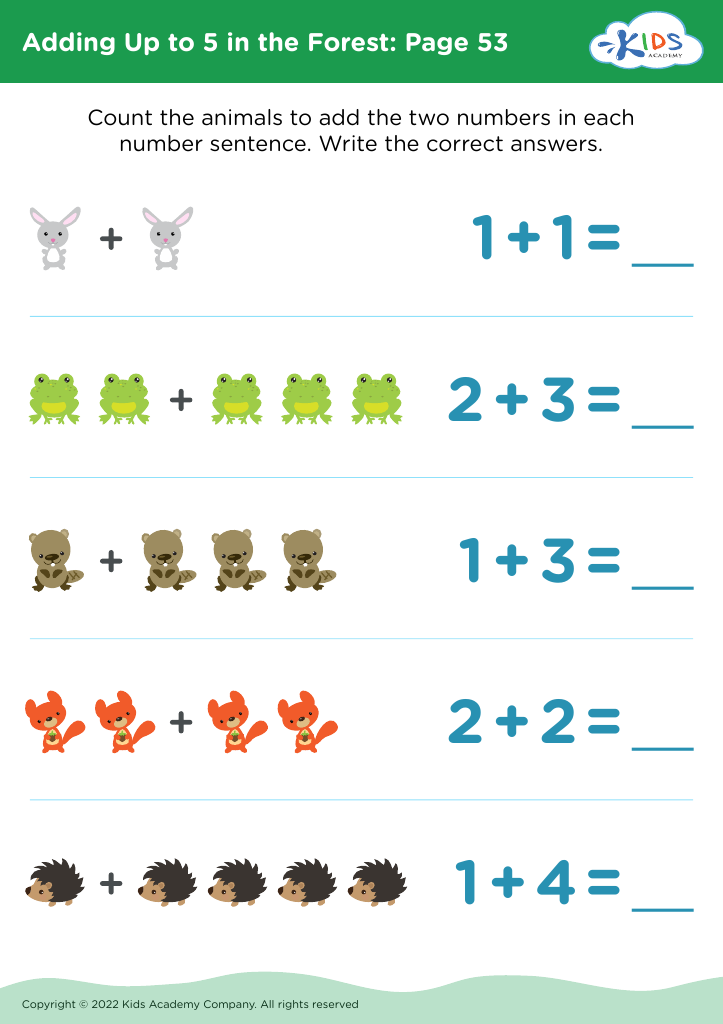
    Adding Up to 5 in the Forest: Page 53
    Adding Up to 5 in the Forest: Page 53
    Adding Up to 5 in the Forest: Page 53
    Worksheet
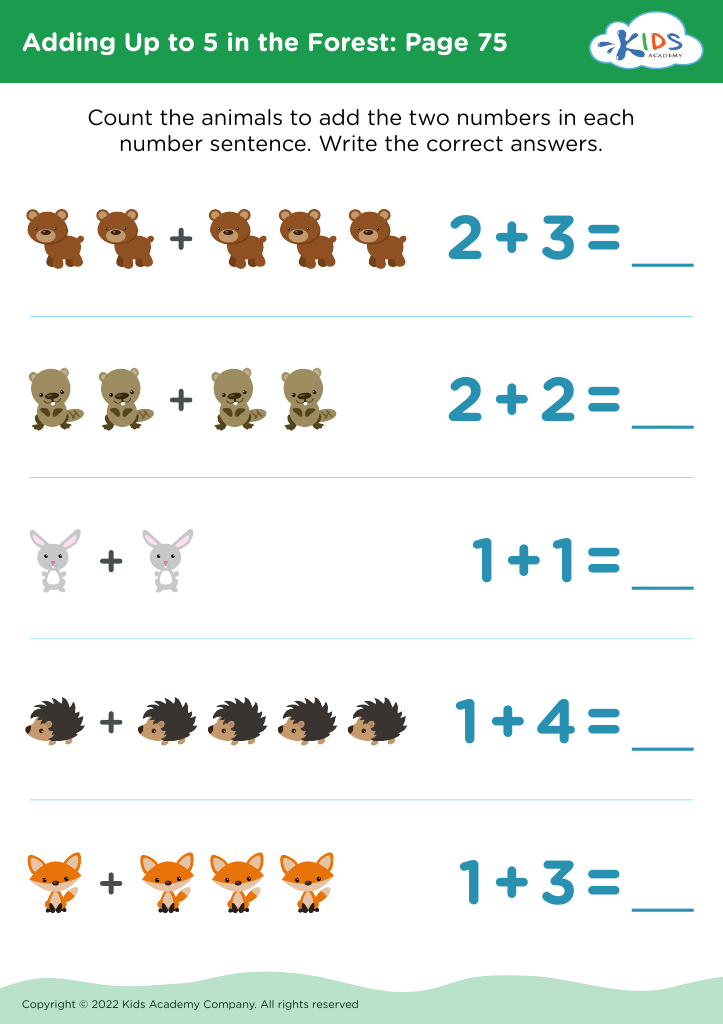
    Adding Up to 5 in the Forest: Page 75
    Adding Up to 5 in the Forest: Page 75
    Adding Up to 5 in the Forest: Page 75
    Worksheet
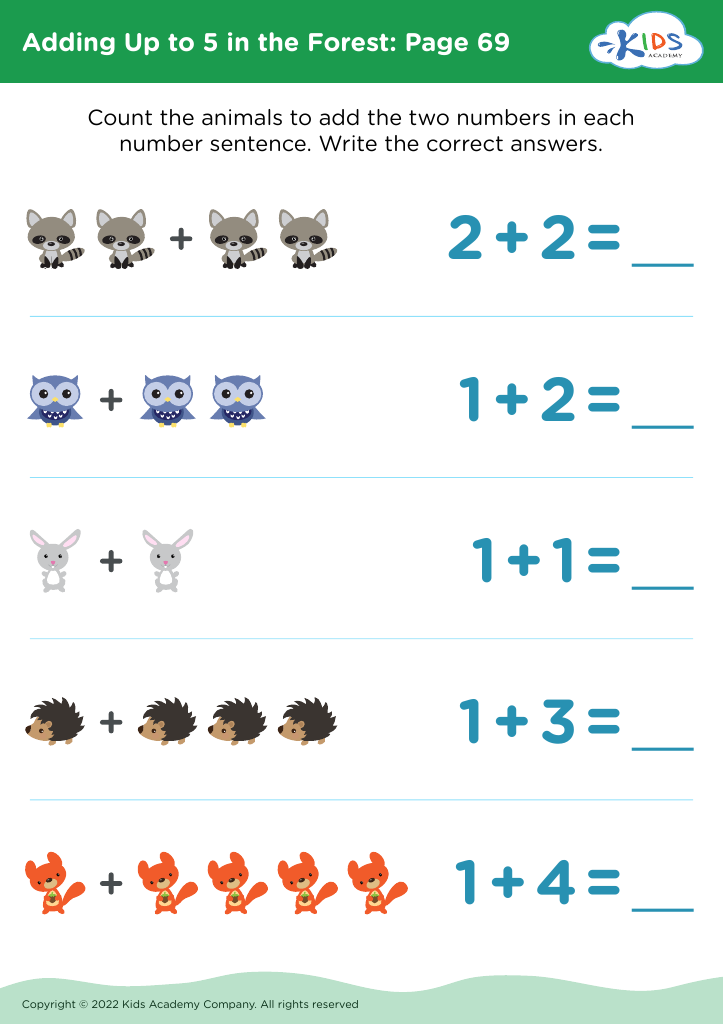
    Adding Up to 5 in the Forest: Page 69
    Adding Up to 5 in the Forest: Page 69
    Adding Up to 5 in the Forest: Page 69
    Worksheet
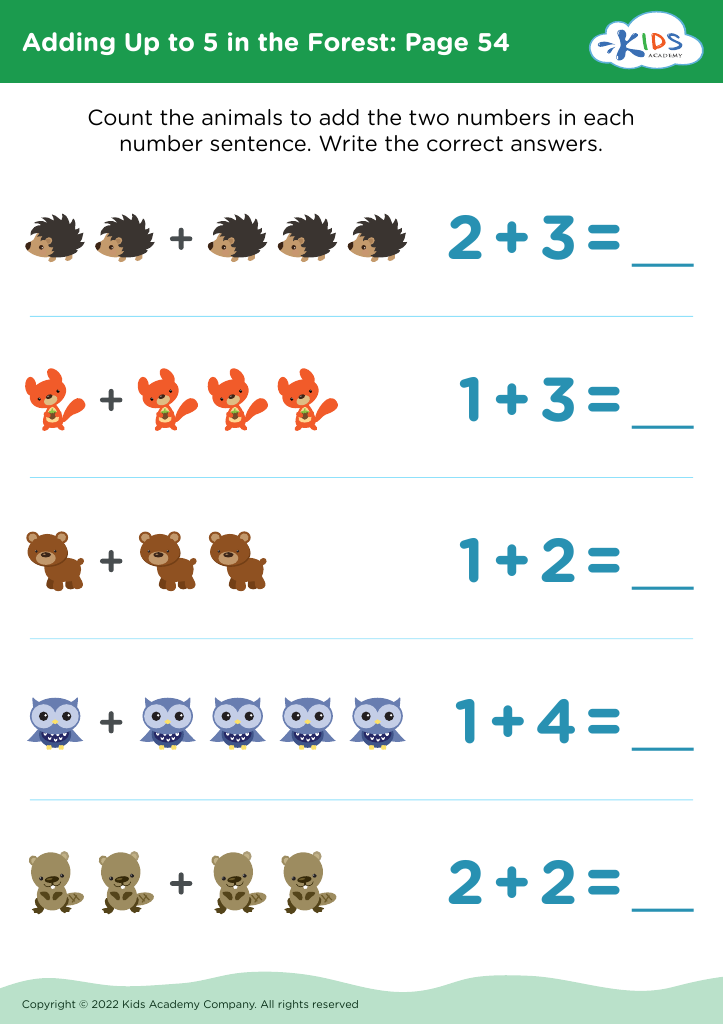
    Adding Up to 5 in the Forest: Page 54
    Adding Up to 5 in the Forest: Page 54
    Adding Up to 5 in the Forest: Page 54
    Worksheet
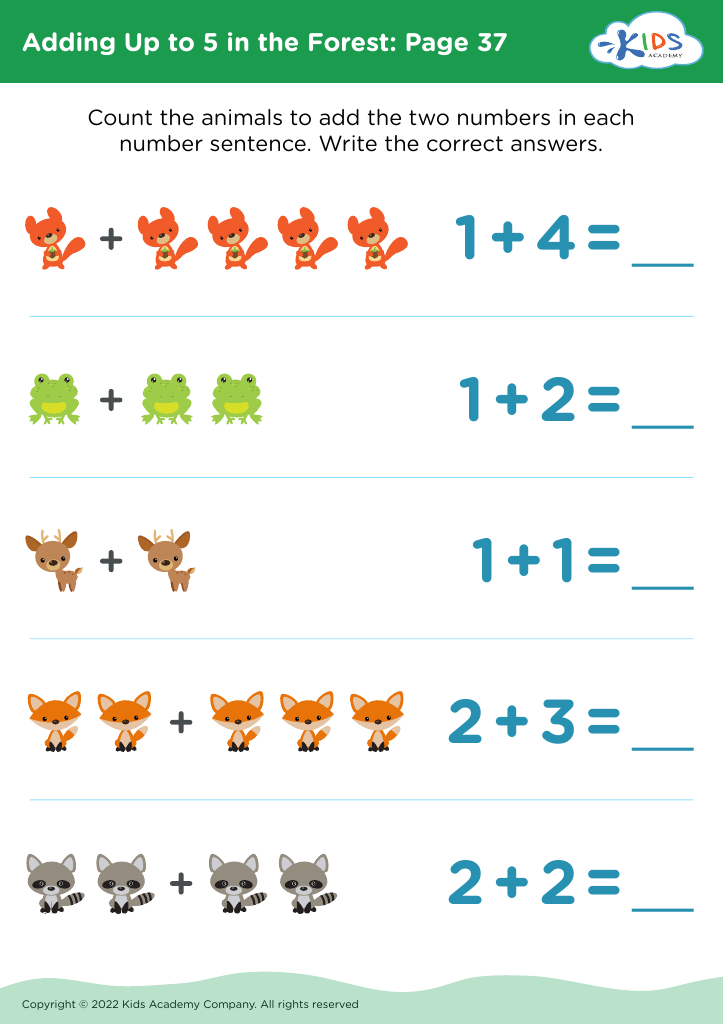
    Adding Up to 5 in the Forest: Page 37
    Adding Up to 5 in the Forest: Page 37
    Adding Up to 5 in the Forest: Page 37
    Worksheet
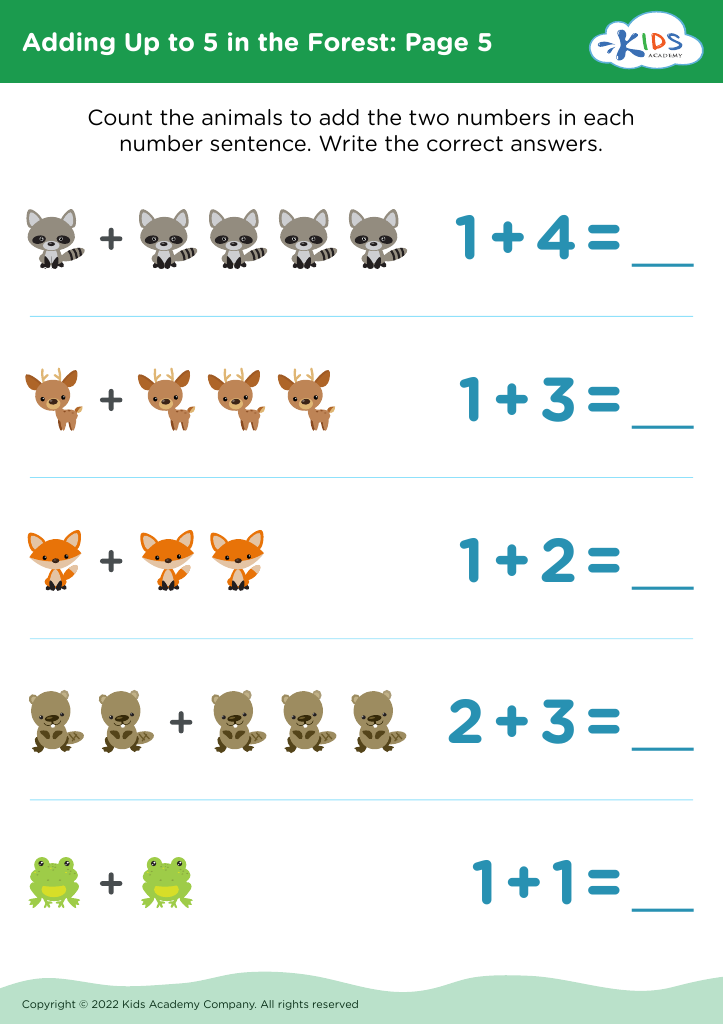
    Adding Up to 5 in the Forest: Page 5
    Adding Up to 5 in the Forest: Page 5
    Adding Up to 5 in the Forest: Page 5
    Worksheet


    Cognitive development is crucial for children aged 4 to 8 as it lays the foundation for learning and problem-solving throughout their lives. During these formative years, children are honing essential skills such as critical thinking, memory, and attention. Incorporating activities like "Adding in the Forest," which blends outdoor exploration with cognitive tasks, can significantly enhance this growth.

    Forest learning allows children to engage with their environment actively, stimulating curiosity and creativity. It encourages hands-on experiences where children can grasp mathematical concepts by counting natural elements like leaves, stones, or even tree rings. Such activities promote not only mathematical thinking but also observational skills and environmental awareness.

    Parents and teachers should care about cognitive development because it contributes to a child's academic success and emotional intelligence. When children are encouraged to explore and interact with their surroundings, they develop resilience, social skills, and a love for learning. Moreover, the outdoors offers diverse stimuli that challenge their cognitive abilities in ways traditional classrooms may not. By supporting cognitive development through engaging activities like "Adding in the Forest," adults can help nurture confident, independent thinkers, preparing them for future learning and life challenges.