Fraction comparison Adding up to 1000 Misc Worksheets for Ages 4-8
6 filtered results
-
From - To
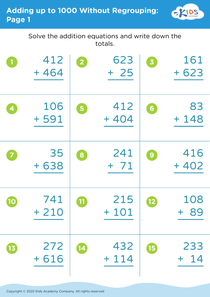
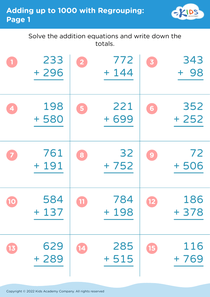
Explore our expertly crafted Fraction Comparison worksheets designed for kids aged 4-8. These engaging resources focus on key skills like adding up to 1000 through diverse, fun exercises. Each worksheet is tailored to strengthen children's understanding of fractions by comparing different values, fostering their mathematical abilities with ease. Perfect for both home and classroom learning, our printables aim to develop the foundational skills young learners need for future success. Empower your child with essential math knowledge while keeping them entertained with our colorful, illustrated worksheets. Transform learning into an adventure with our fraction comparison activities!
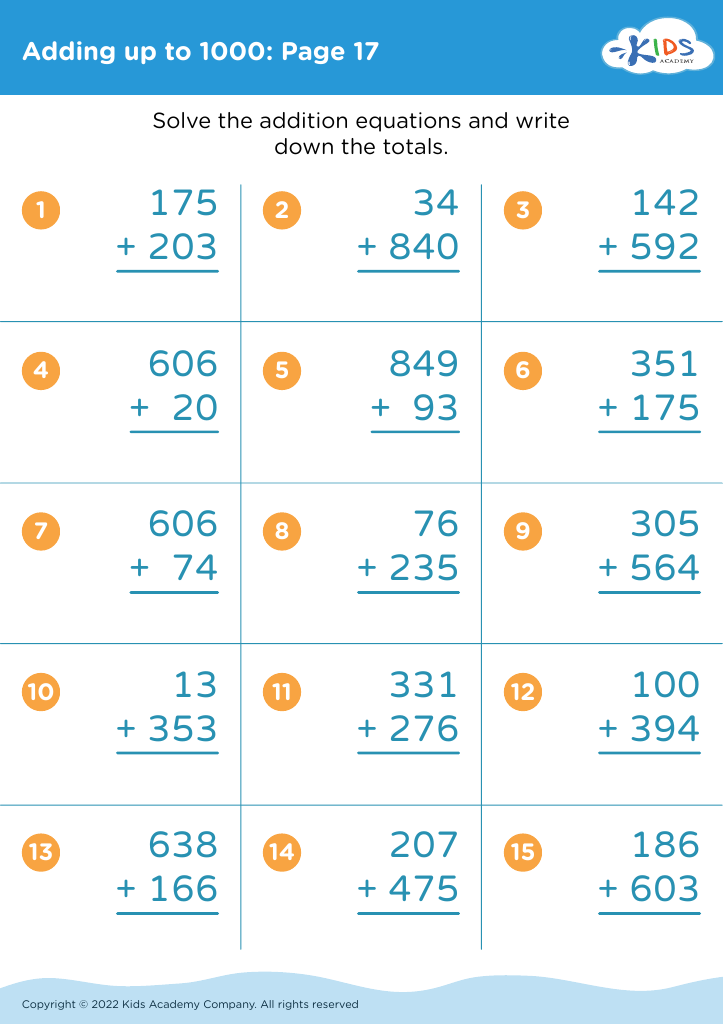
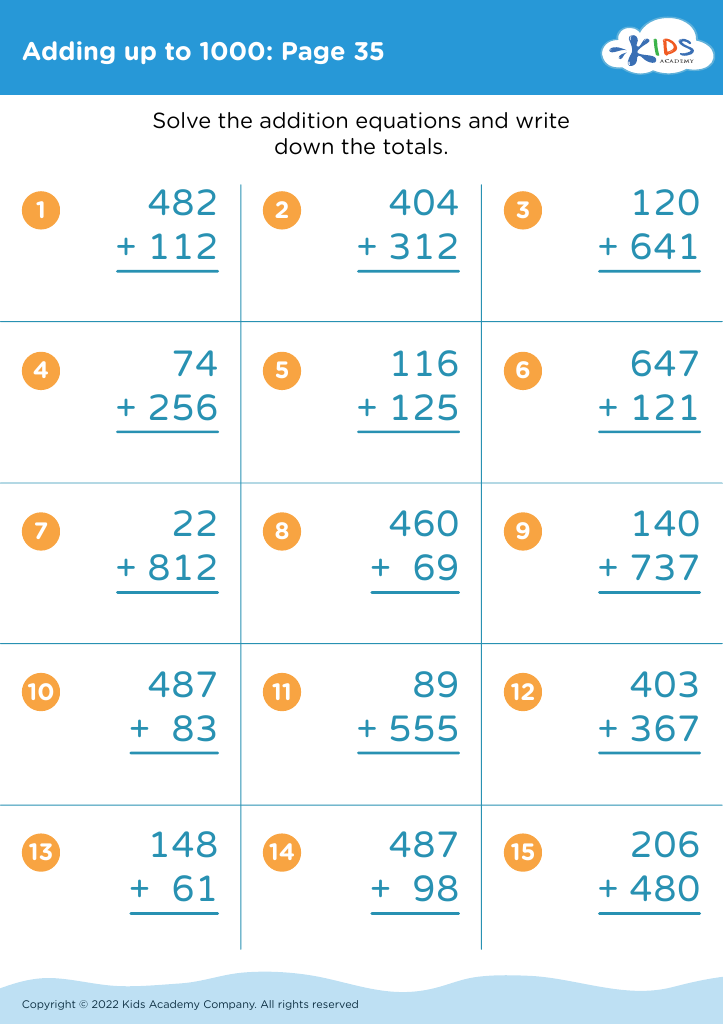
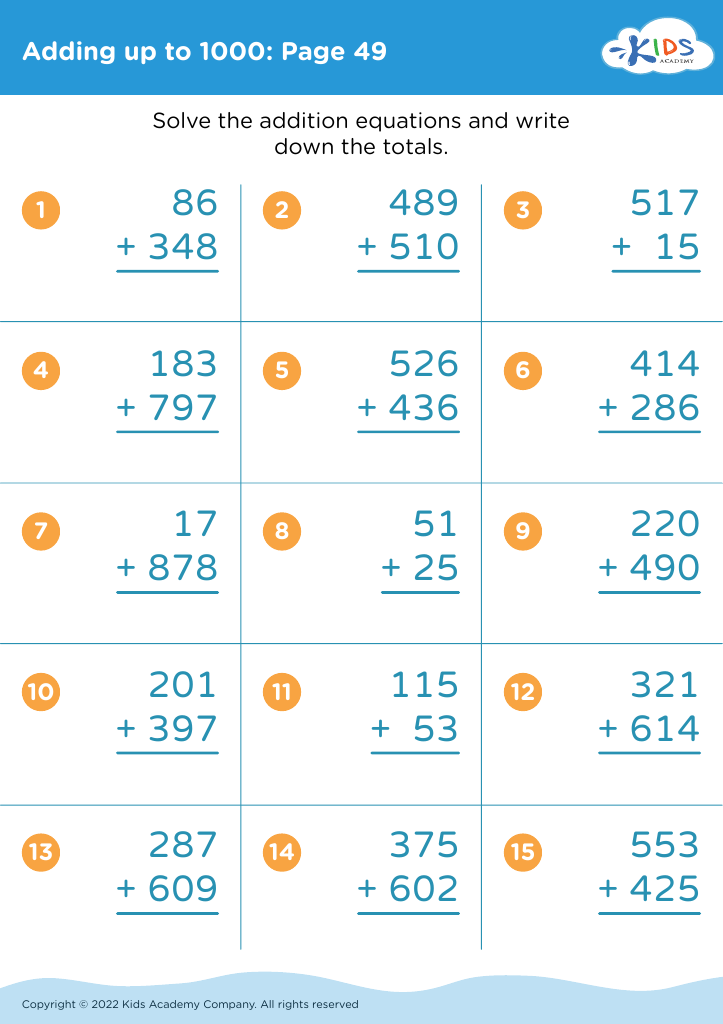
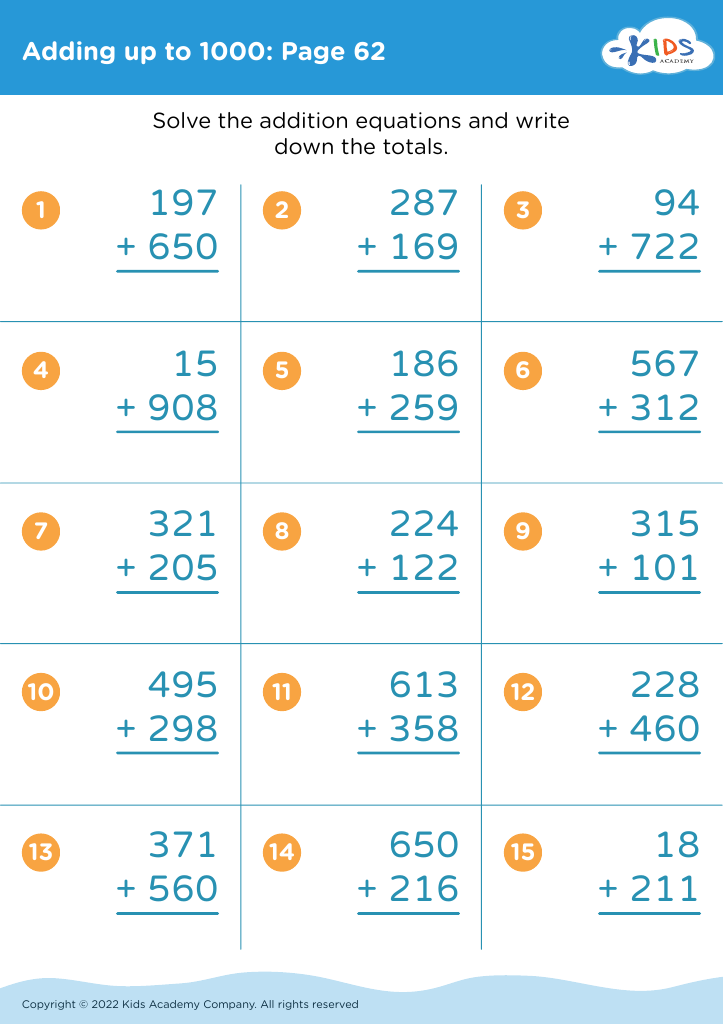
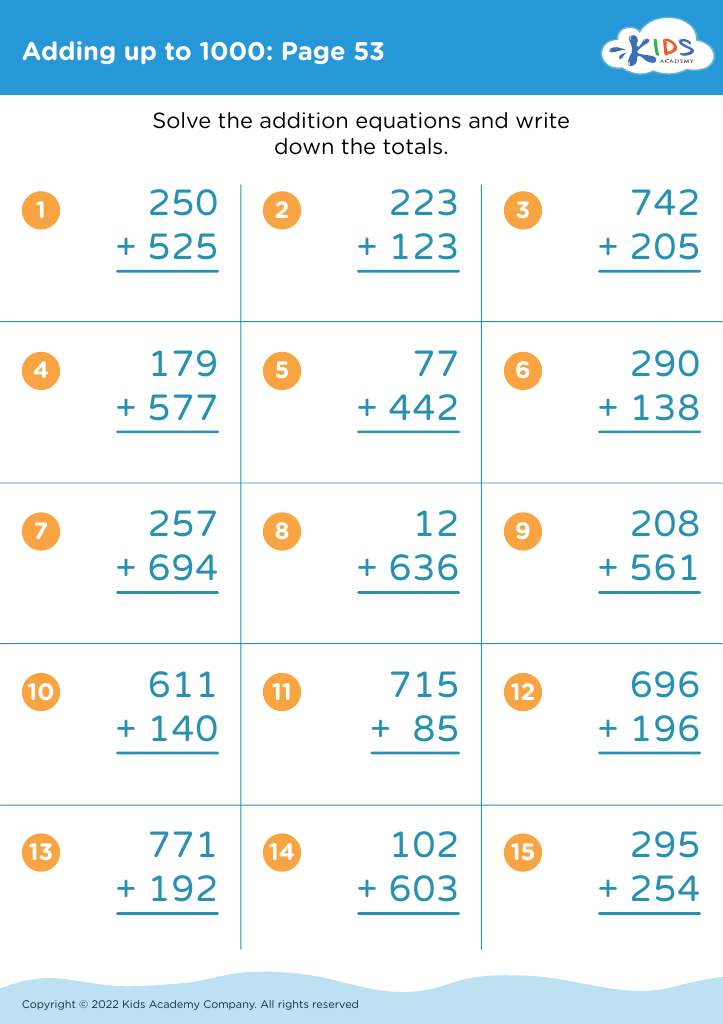
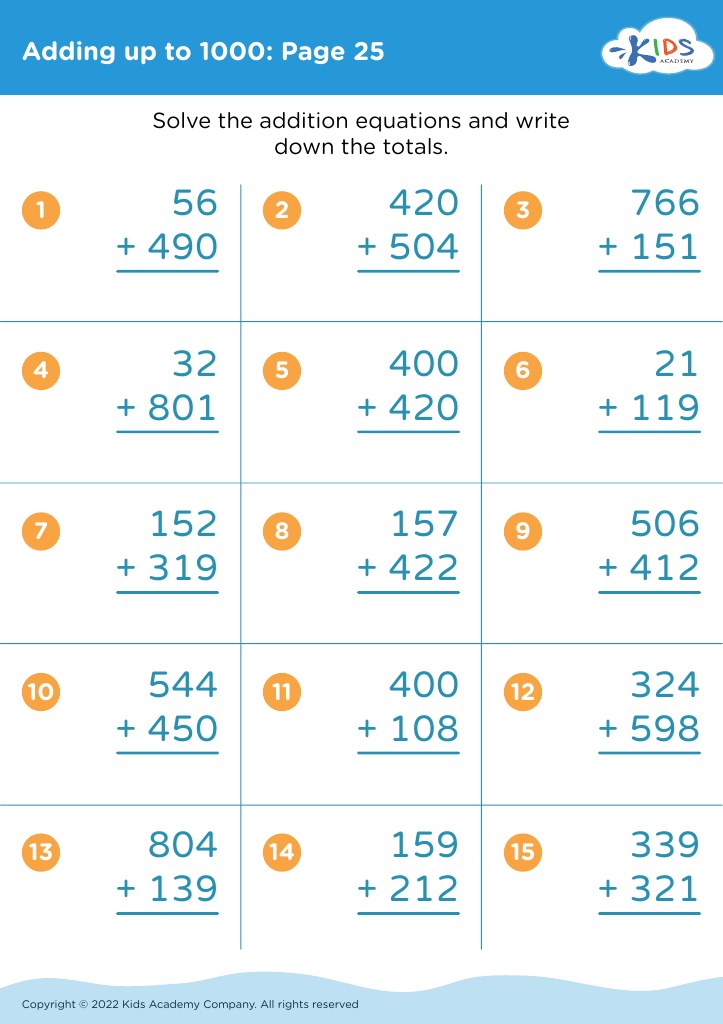


Parents and teachers should care about teaching fraction comparison and basic arithmetic, like adding numbers up to 1000, to children aged 4-8, as it plays a foundational role in their mathematical development. At this young age, children are especially receptive to new concepts and can build strong numerical understanding. Introducing fraction comparison helps them grasp more complex mathematical relationships and operations, nurturing critical thinking and problem-solving skills. For instance, when they compare 1/2 to 1/4, they learn about numerators, denominators, and relative size, key concepts that pave the way for advanced math.
When children learn to add numbers up to 1000, it reinforces their place value knowledge and arithmetic fluency. Understanding that 100 plus 200 equals 300 can be the stepping stone to more advanced algorithms and even multiplication. Additionally, these activities promote number sense, allowing kids to appreciate the robustness of numbers and patterns.
Integrating these math concepts nurtures a positive attitude towards mathematics by fostering confidence and diminishing anxiety surrounding more complex math later on. It also supports overall academic achievement since foundational math skills are crucial across various subjects. Parents and teachers prioritizing these early math concepts can provide children with the tools for long-term academic success and a deeper appreciation for mathematics in everyday life.