Filters

102 filtered results

Clear all filters
Favorites
With answer key
Interactive

102 filtered results

Difficulty Level

Grade


Subject

    Check out this FREE Trial Lesson on Adding Up to 5 for age 4-8!

    P

    Favorites
    With answer key
    Interactive
    • 4-8
    • Counting skills
    • Adding Up to 5
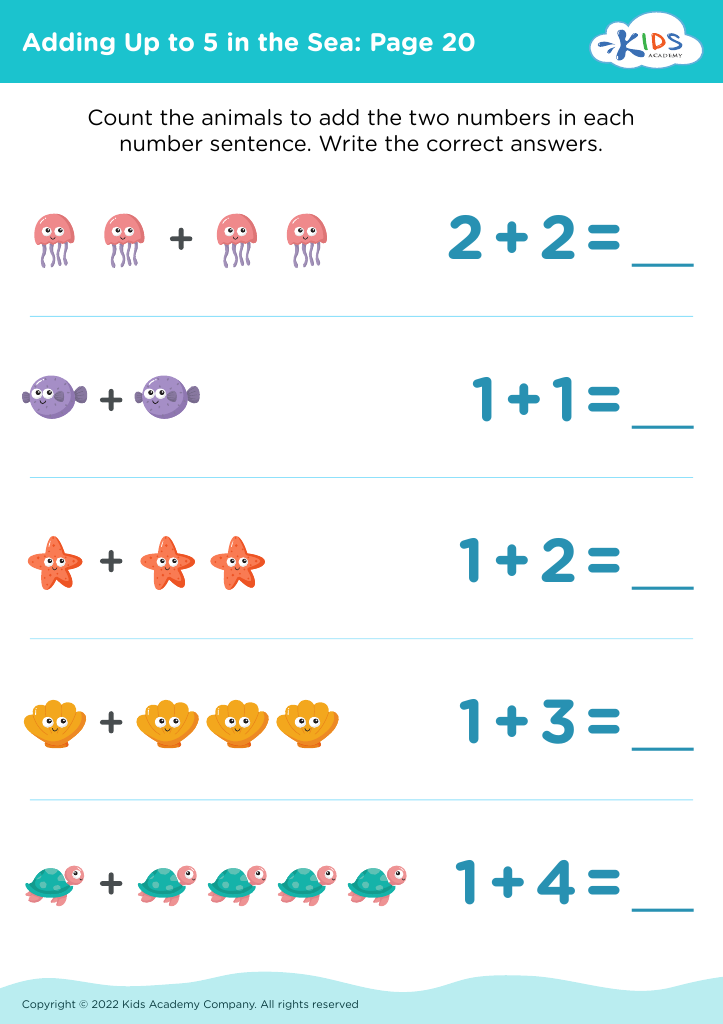
    Adding Up to 5 in the Sea: Page 20
    Adding Up to 5 in the Sea: Page 20
    Adding Up to 5 in the Sea: Page 20
    Worksheet
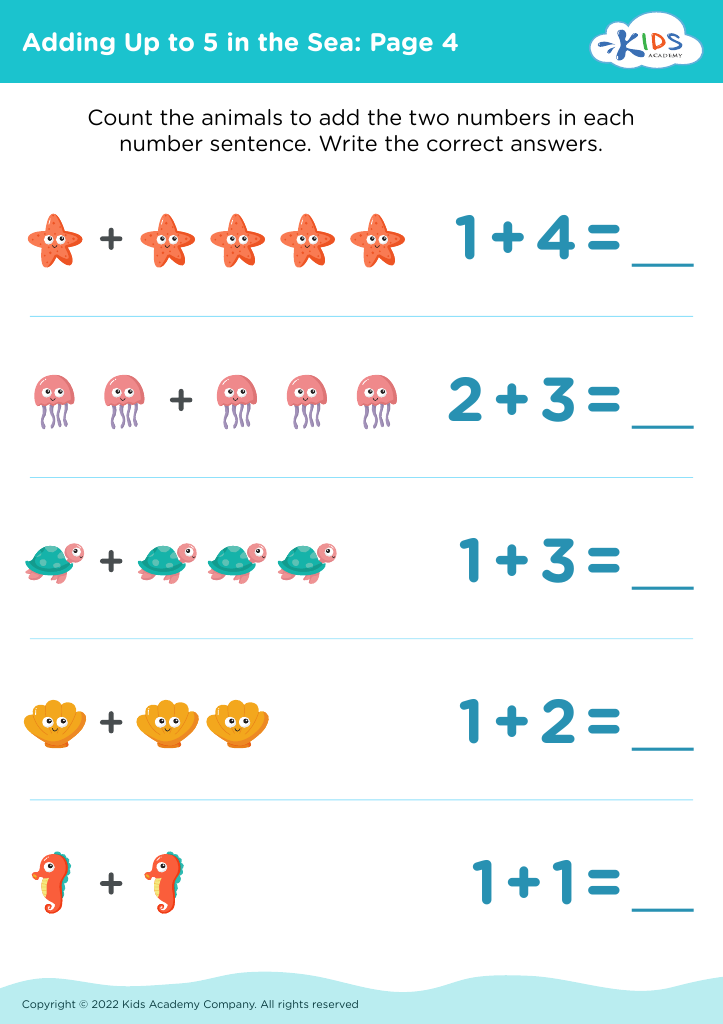
    Adding Up to 5 in the Sea: Page 4
    Adding Up to 5 in the Sea: Page 4

    Adding Up to 5 in the Sea: Page 4

    Adding Up to 5 in the Sea: Page 4
    Worksheet
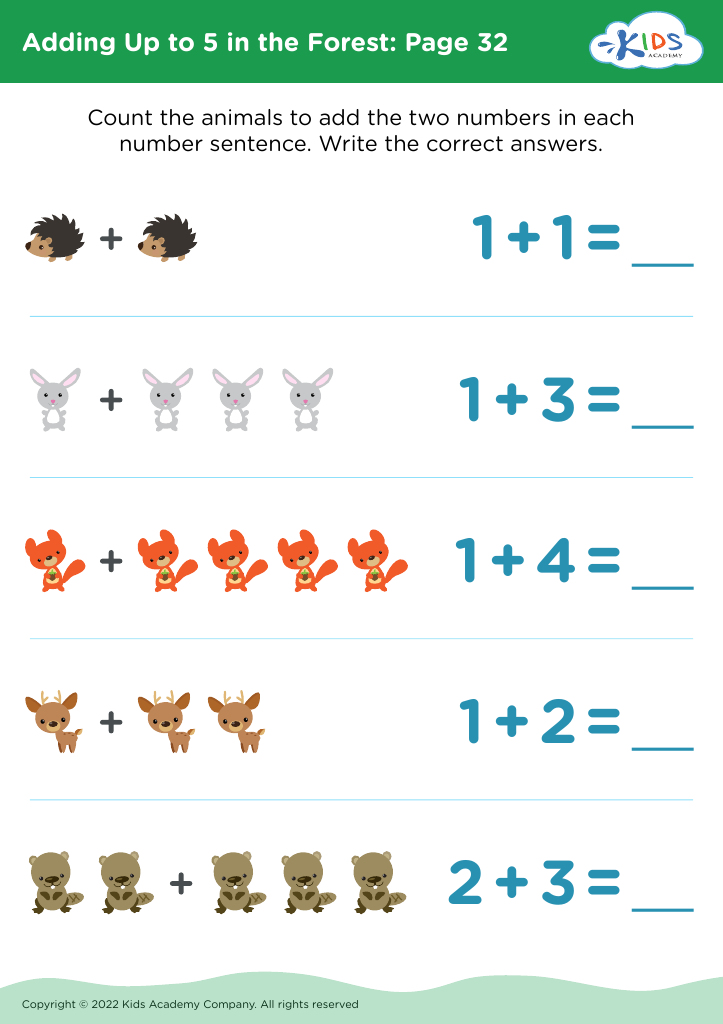
    Adding Up to 5 in the Forest: Page 32
    Adding Up to 5 in the Forest: Page 32
    Adding Up to 5 in the Forest: Page 32
    Worksheet
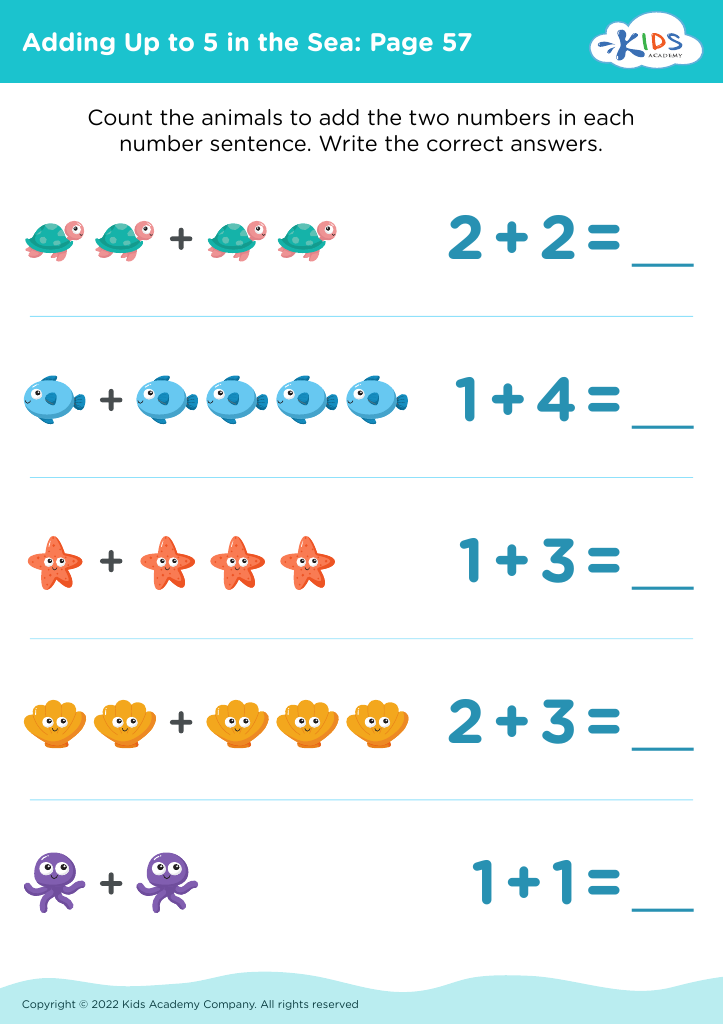
    Adding Up to 5 in the Sea: Page 57
    Adding Up to 5 in the Sea: Page 57
    Adding Up to 5 in the Sea: Page 57
    Worksheet
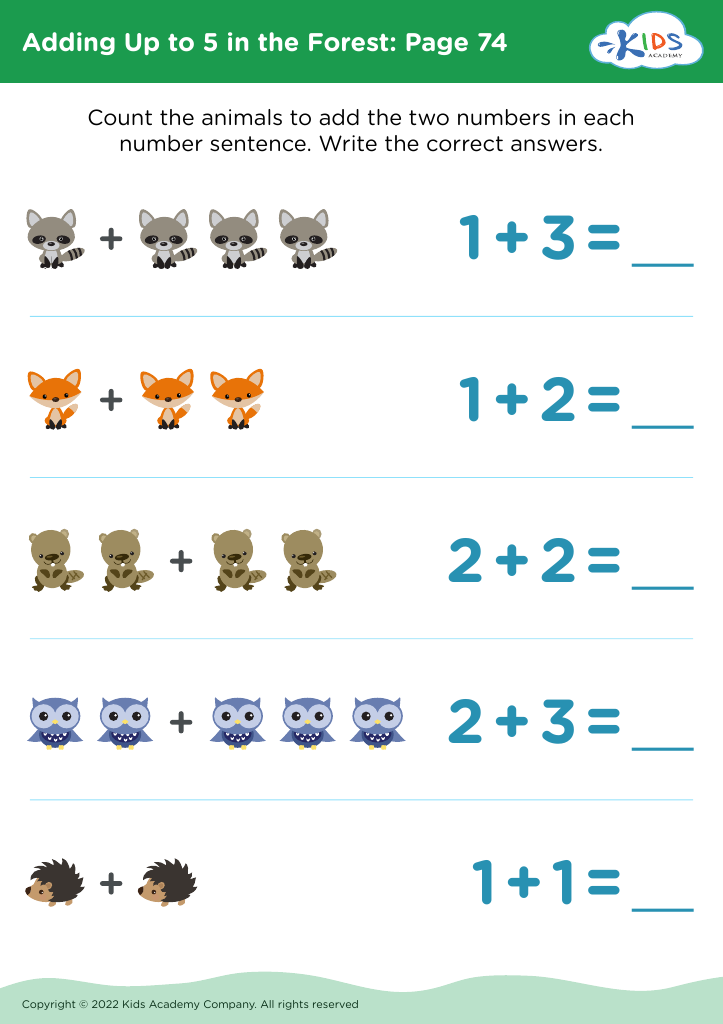
    Adding Up to 5 in the Forest: Page 74
    Adding Up to 5 in the Forest: Page 74
    Adding Up to 5 in the Forest: Page 74
    Worksheet
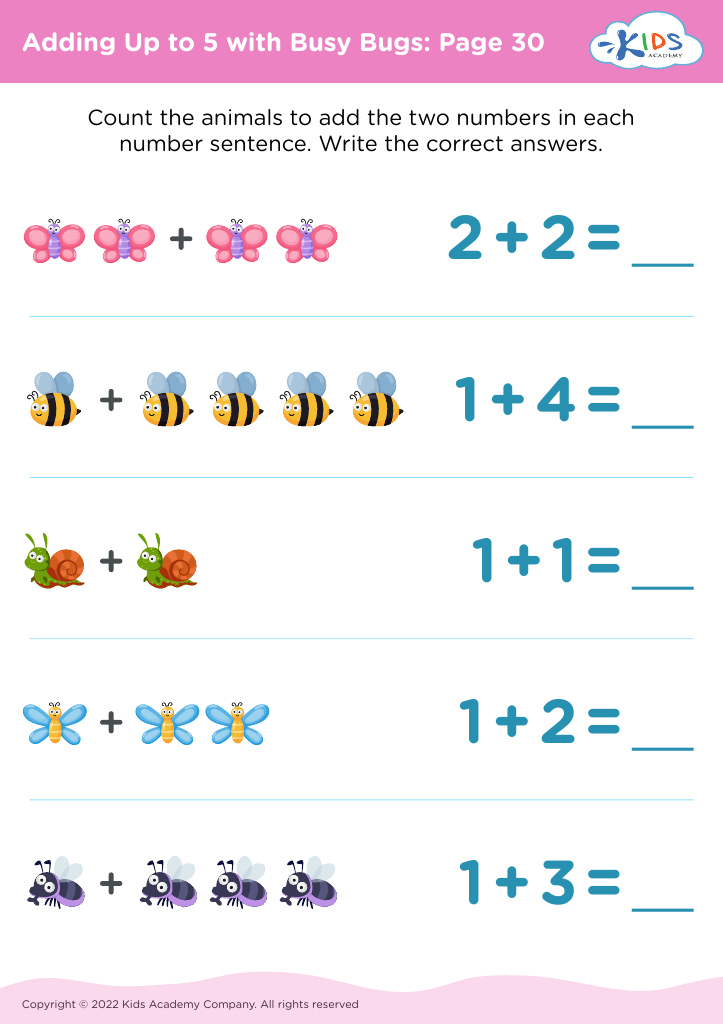
    Adding Up to 5 with Busy Bugs: Page 30
    Adding Up to 5 with Busy Bugs: Page 30
    Adding Up to 5 with Busy Bugs: Page 30
    Worksheet
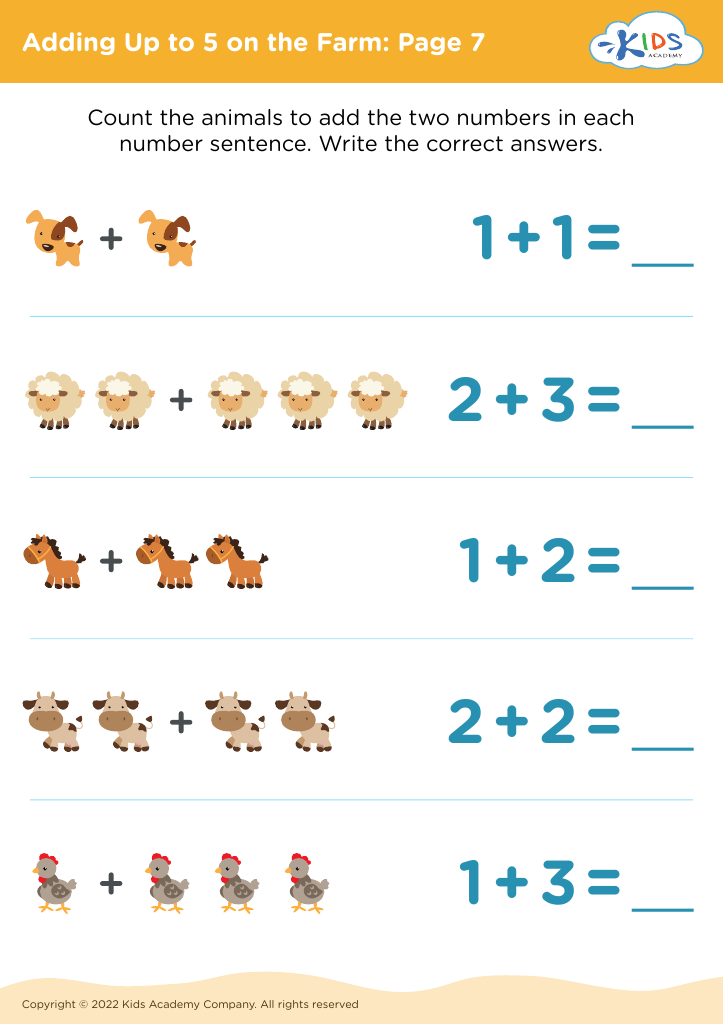
    Adding Up to 5 on the Farm: Page 7
    Adding Up to 5 on the Farm: Page 7
    Adding Up to 5 on the Farm: Page 7
    Worksheet
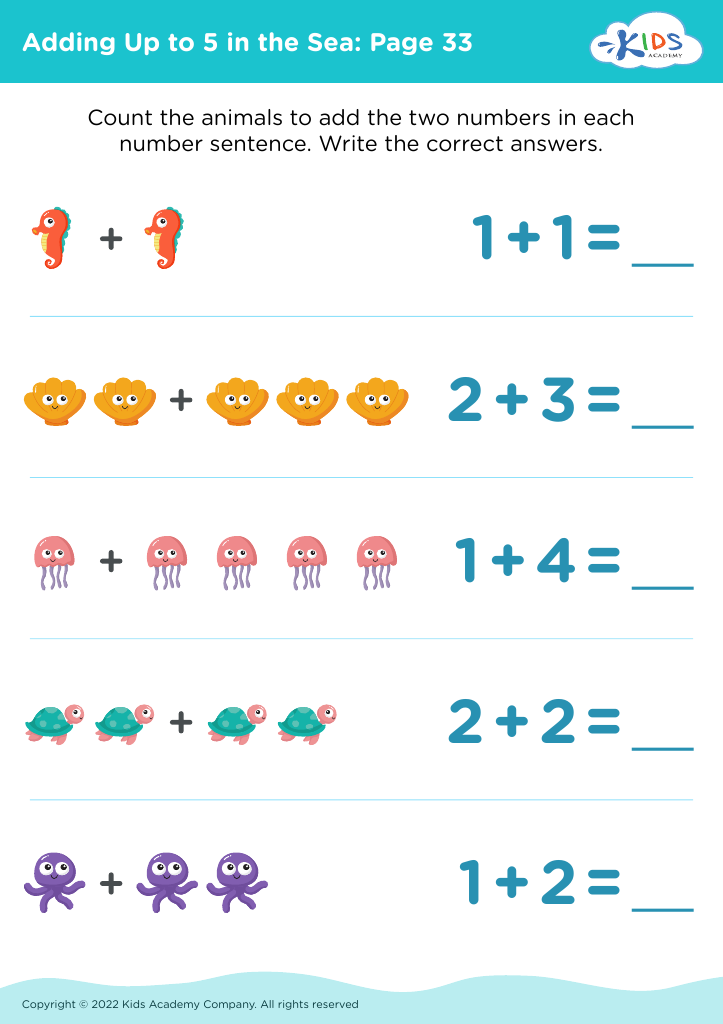
    Adding Up to 5 in the Sea: Page 33
    Adding Up to 5 in the Sea: Page 33
    Adding Up to 5 in the Sea: Page 33
    Worksheet
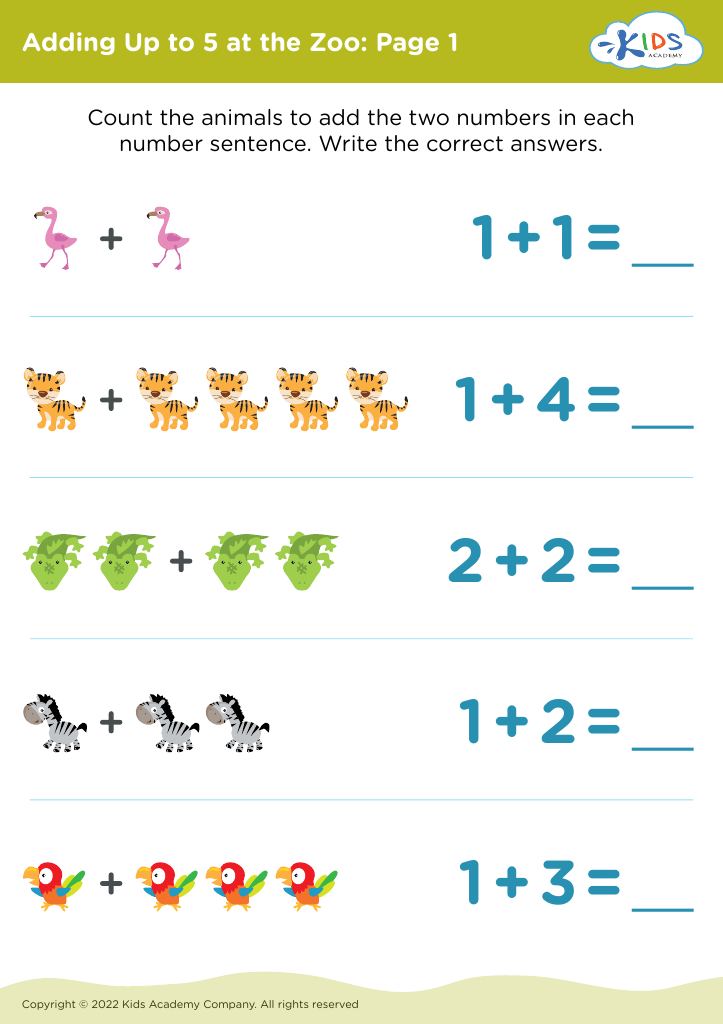
    Adding Up to 5 at the Zoo: Page 1
    Adding Up to 5 at the Zoo: Page 1

    Adding Up to 5 at the Zoo: Page 1

    Adding Up to 5 at the Zoo: Page 1
    Worksheet
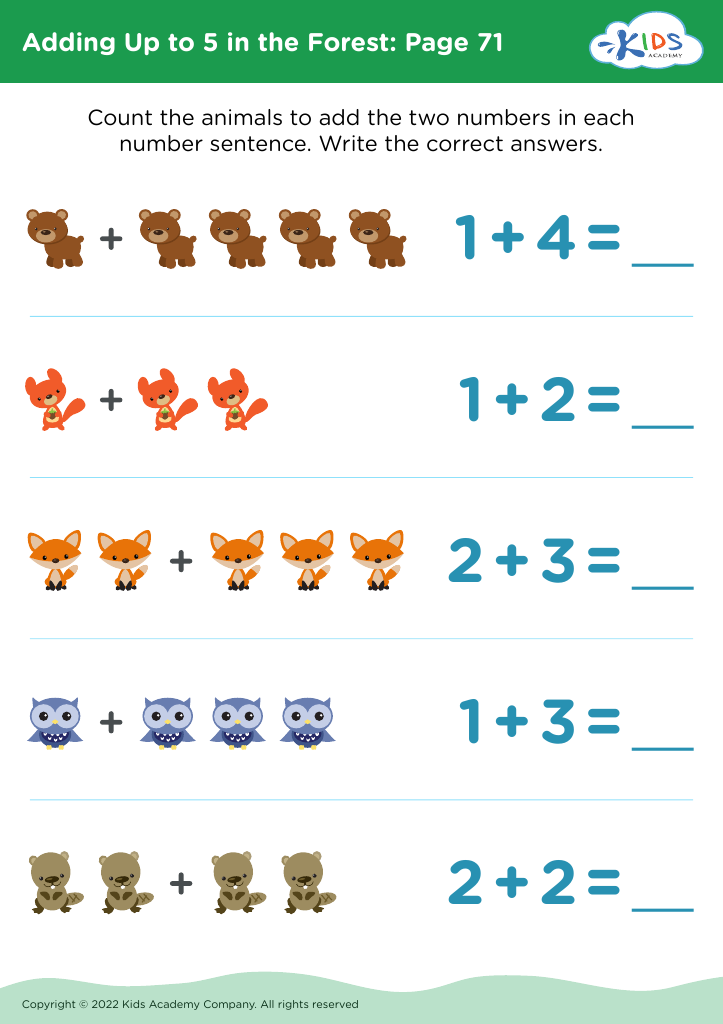
    Adding Up to 5 in the Forest: Page 71
    Adding Up to 5 in the Forest: Page 71
    Adding Up to 5 in the Forest: Page 71
    Worksheet
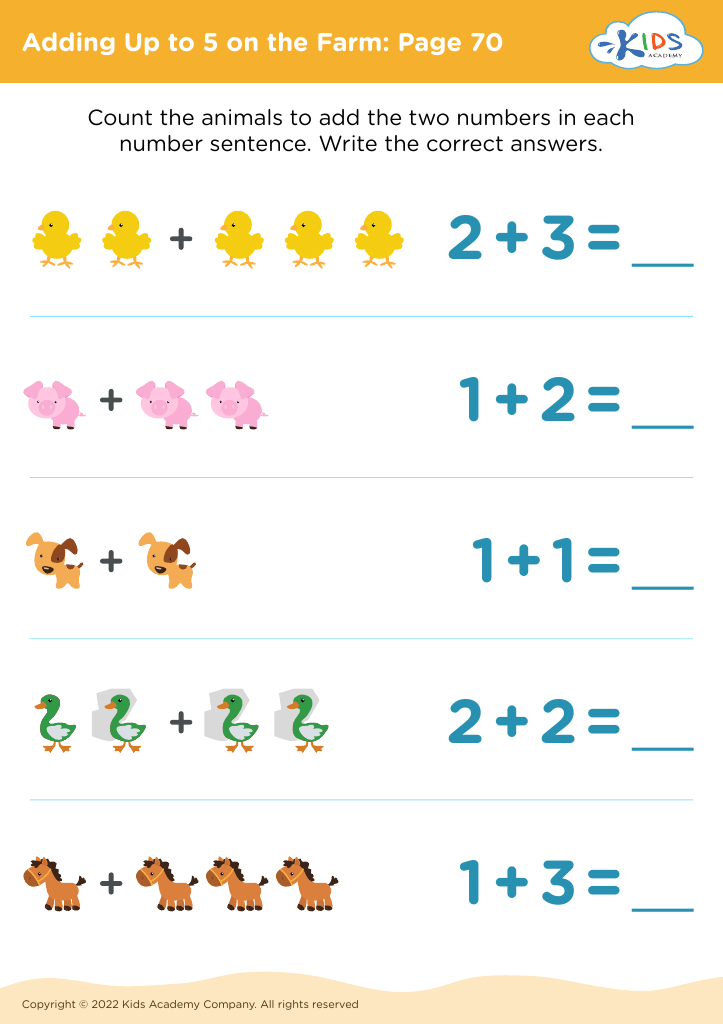
    Adding Up to 5 on the Farm: Page 70
    Adding Up to 5 on the Farm: Page 70
    Adding Up to 5 on the Farm: Page 70
    Worksheet
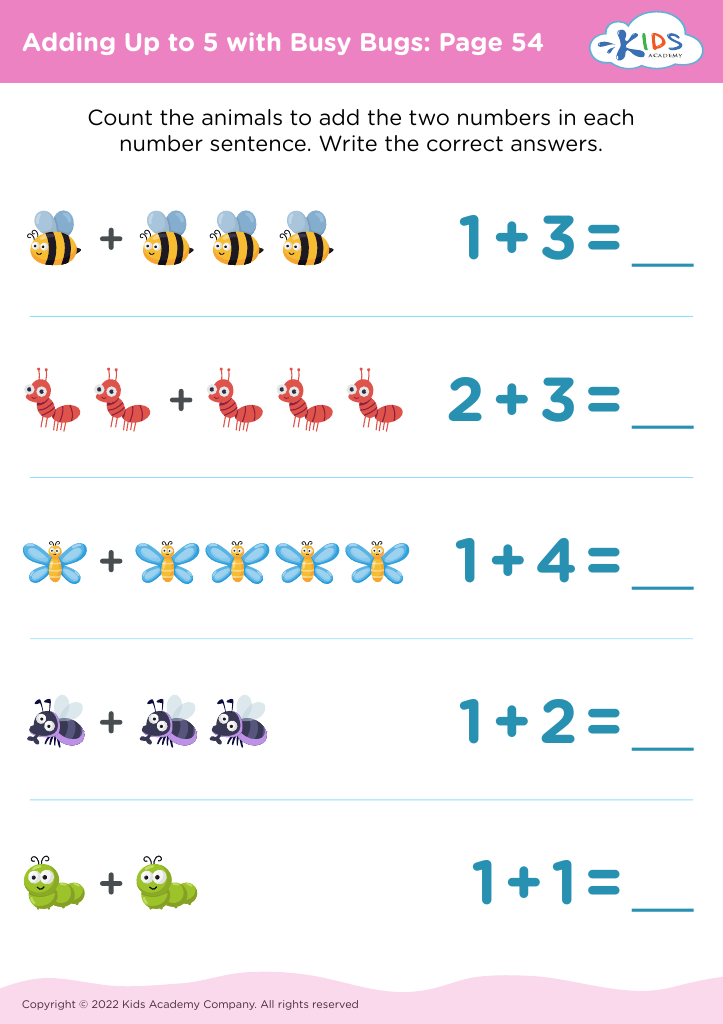
    Adding Up to 5 with Busy Bugs: Page 54
    Adding Up to 5 with Busy Bugs: Page 54
    Adding Up to 5 with Busy Bugs: Page 54
    Worksheet
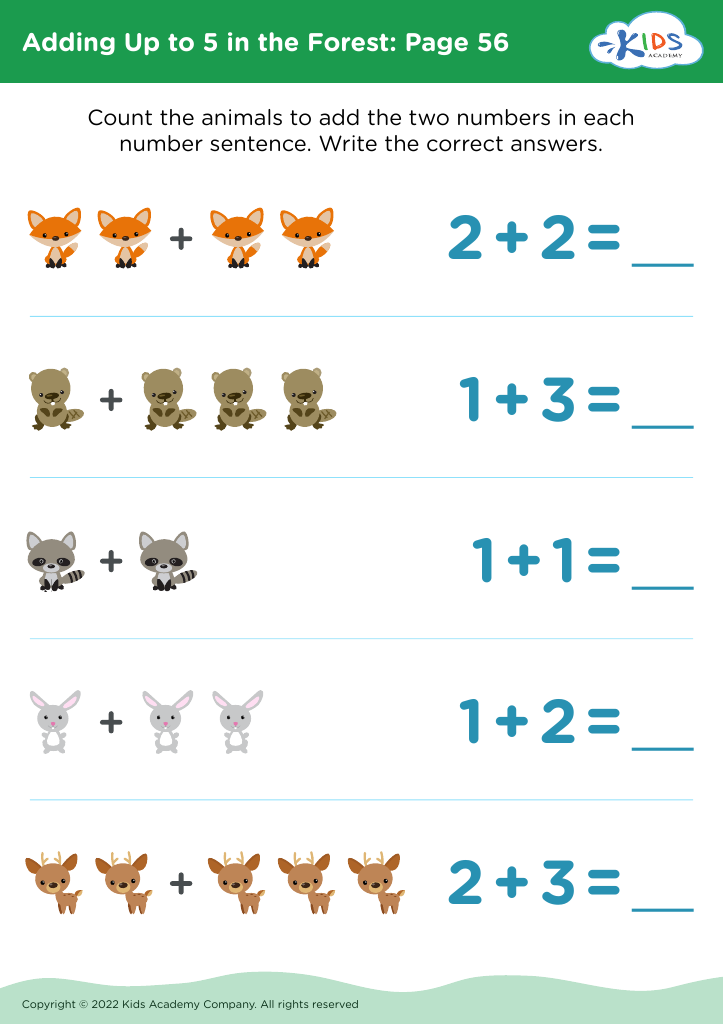
    Adding Up to 5 in the Forest: Page 56
    Adding Up to 5 in the Forest: Page 56
    Adding Up to 5 in the Forest: Page 56
    Worksheet
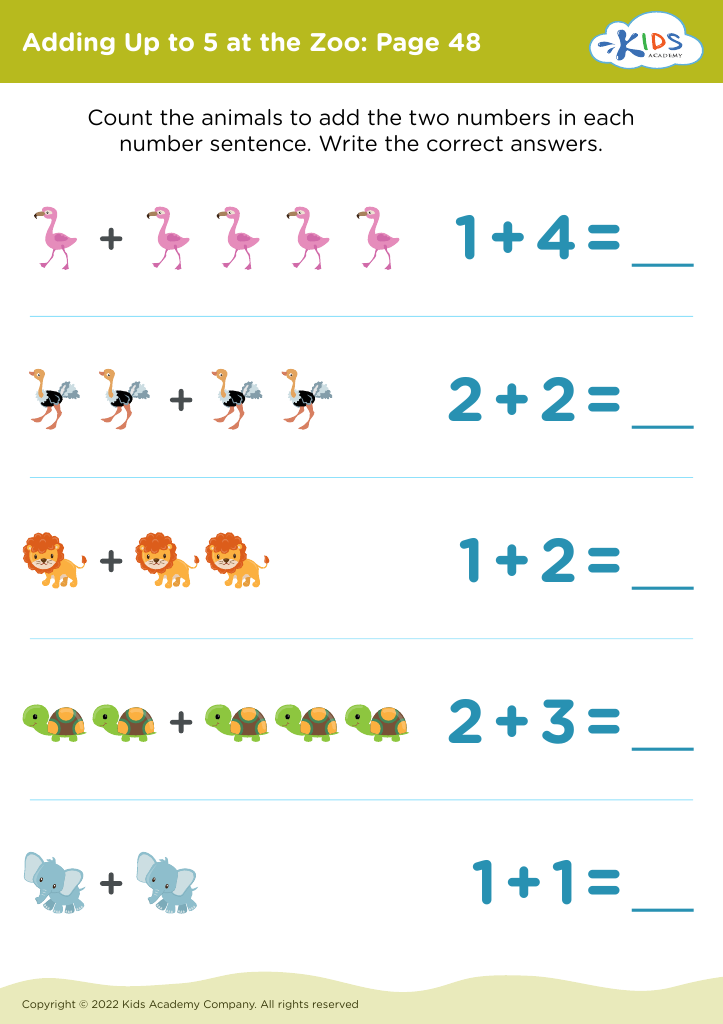
    Adding Up to 5 at the Zoo: Page 48
    Adding Up to 5 at the Zoo: Page 48
    Adding Up to 5 at the Zoo: Page 48
    Worksheet
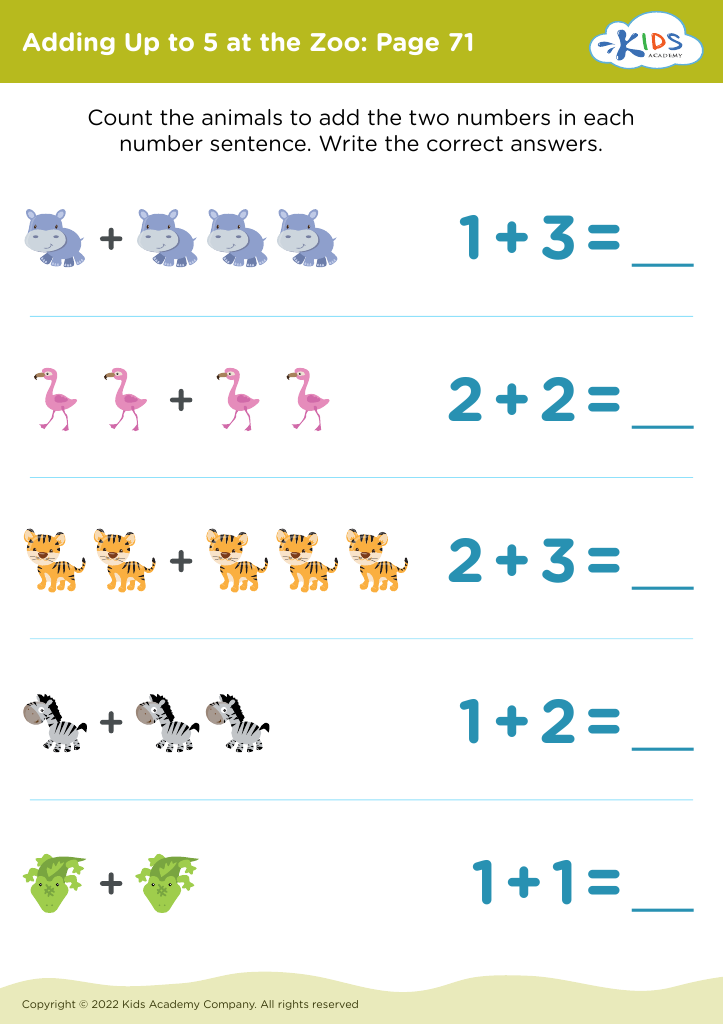
    Adding Up to 5 at the Zoo: Page 71
    Adding Up to 5 at the Zoo: Page 71
    Adding Up to 5 at the Zoo: Page 71
    Worksheet
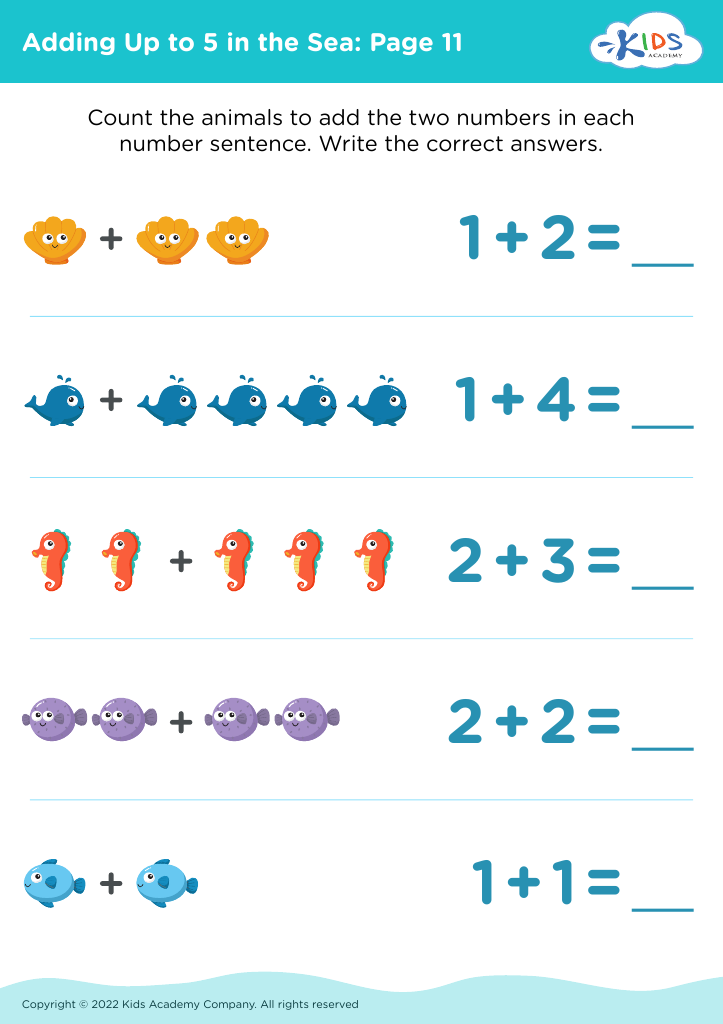
    Adding Up to 5 in the Sea: Page 11
    Adding Up to 5 in the Sea: Page 11
    Adding Up to 5 in the Sea: Page 11
    Worksheet
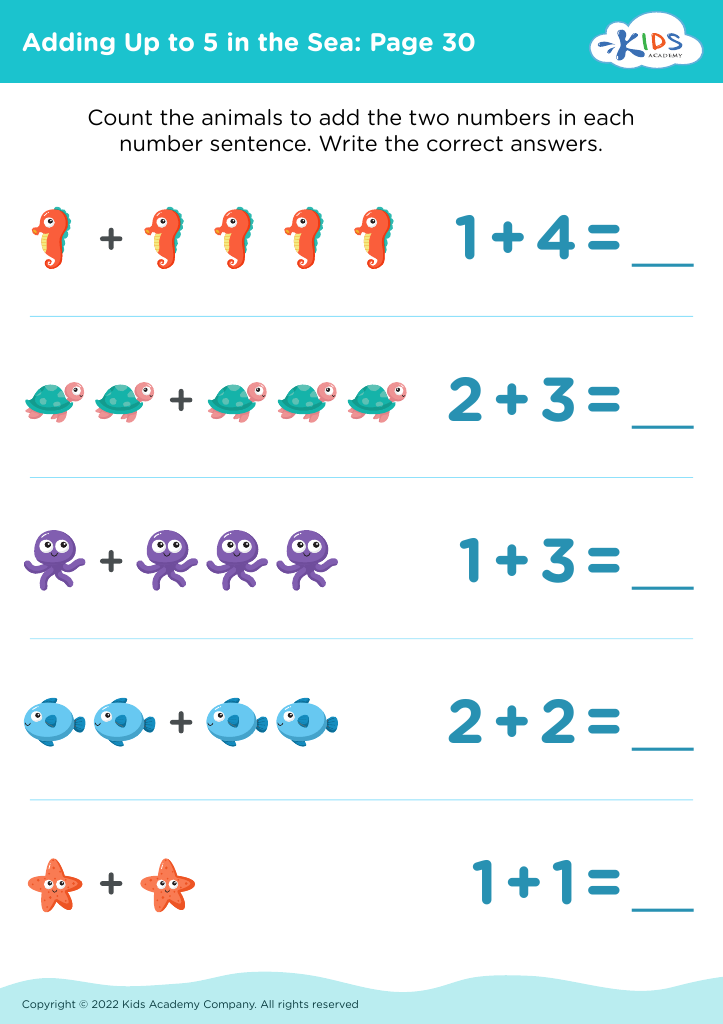
    Adding Up to 5 in the Sea: Page 30
    Adding Up to 5 in the Sea: Page 30
    Adding Up to 5 in the Sea: Page 30
    Worksheet
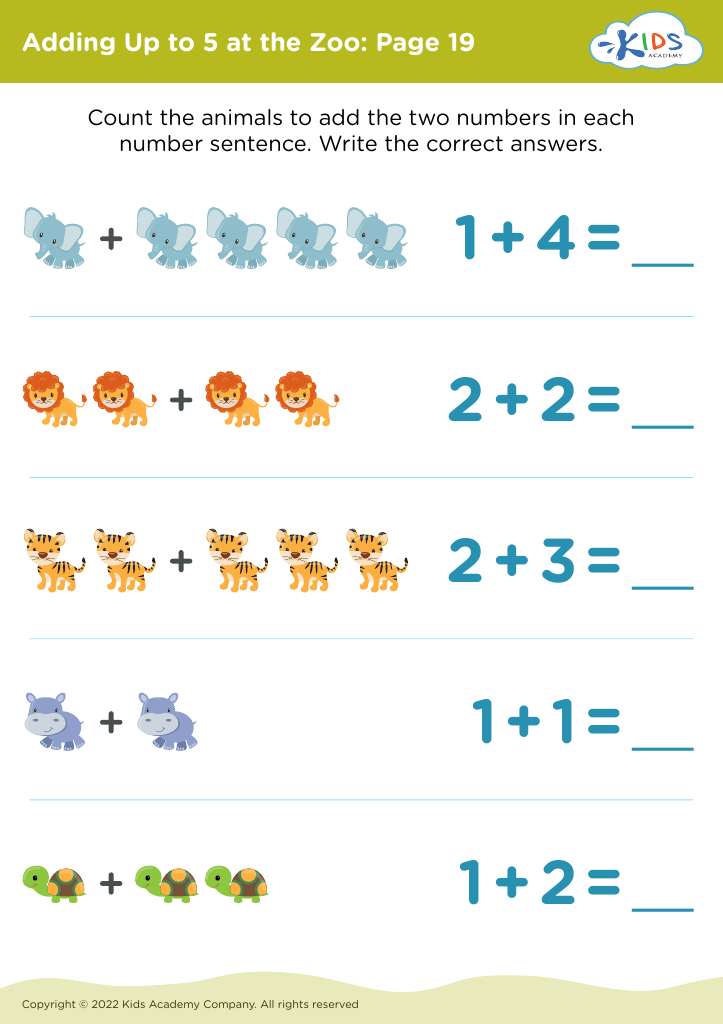
    Adding Up to 5 at the Zoo: Page 19
    Adding Up to 5 at the Zoo: Page 19
    Adding Up to 5 at the Zoo: Page 19
    Worksheet
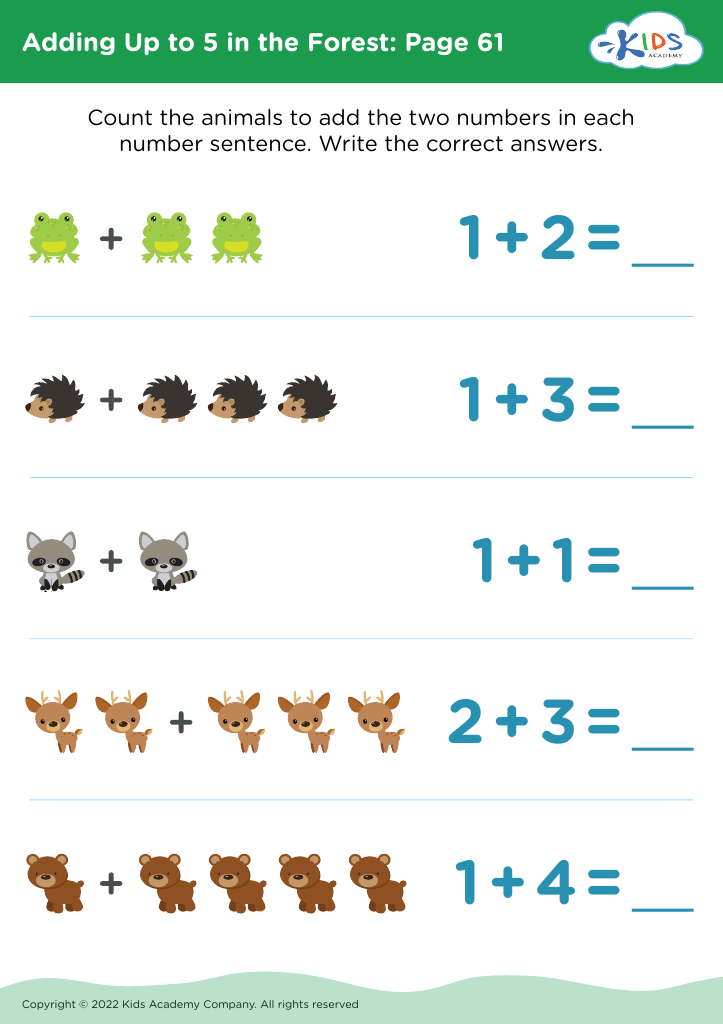
    Adding Up to 5 in the Forest: Page 61
    Adding Up to 5 in the Forest: Page 61
    Adding Up to 5 in the Forest: Page 61
    Worksheet
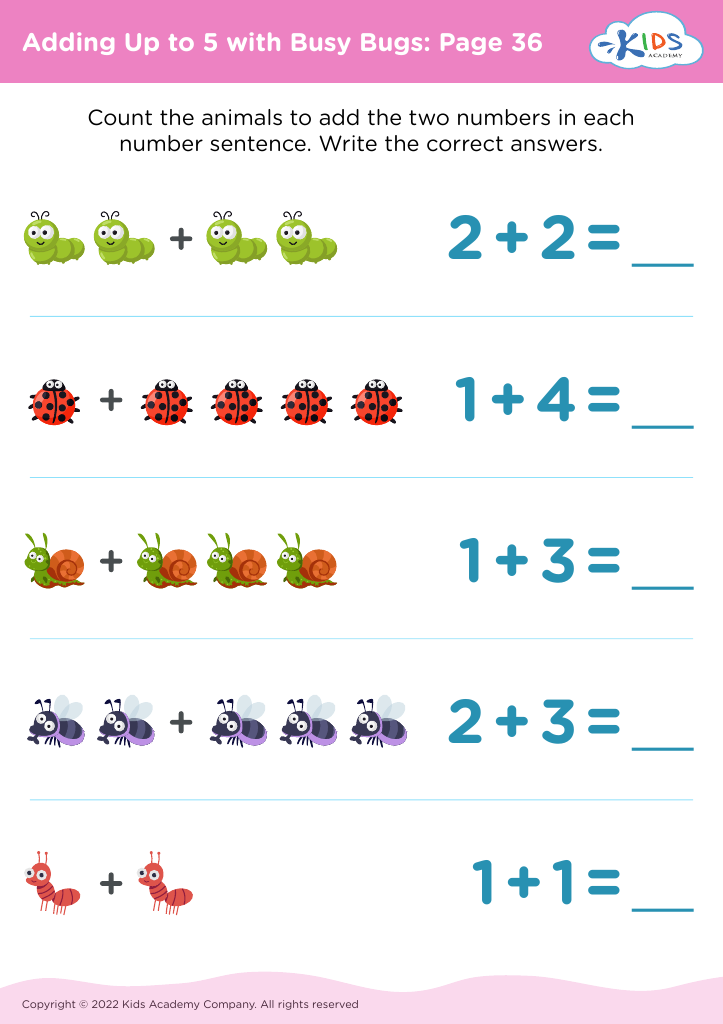
    Adding Up to 5 with Busy Bugs: Page 36
    Adding Up to 5 with Busy Bugs: Page 36
    Adding Up to 5 with Busy Bugs: Page 36
    Worksheet
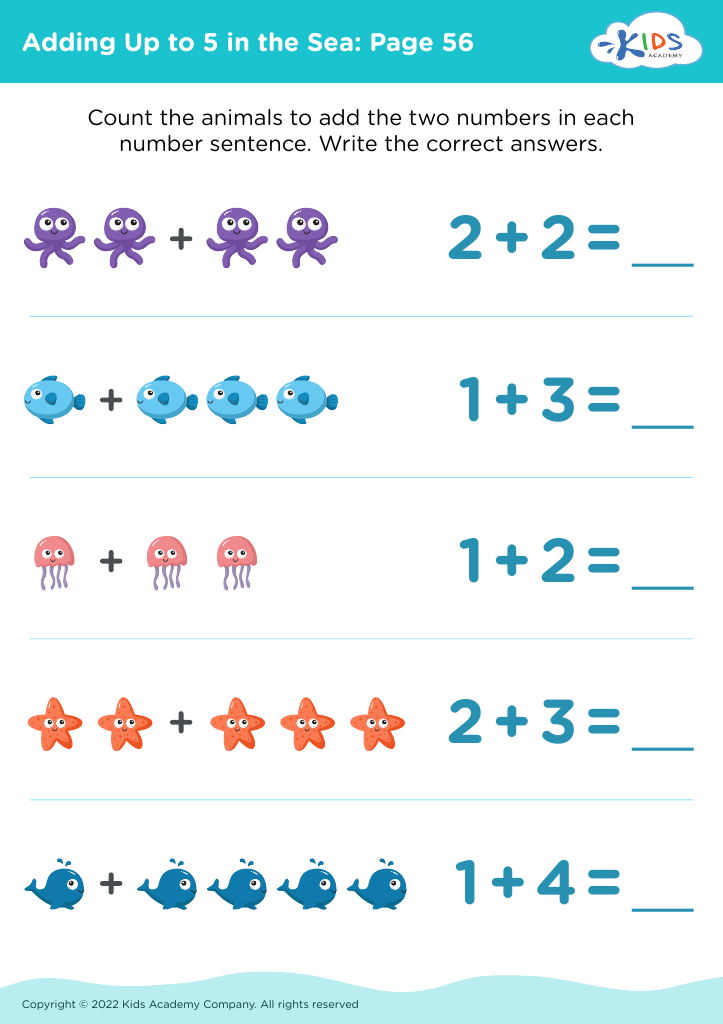
    Adding Up to 5 in the Sea: Page 56
    Adding Up to 5 in the Sea: Page 56
    Adding Up to 5 in the Sea: Page 56
    Worksheet
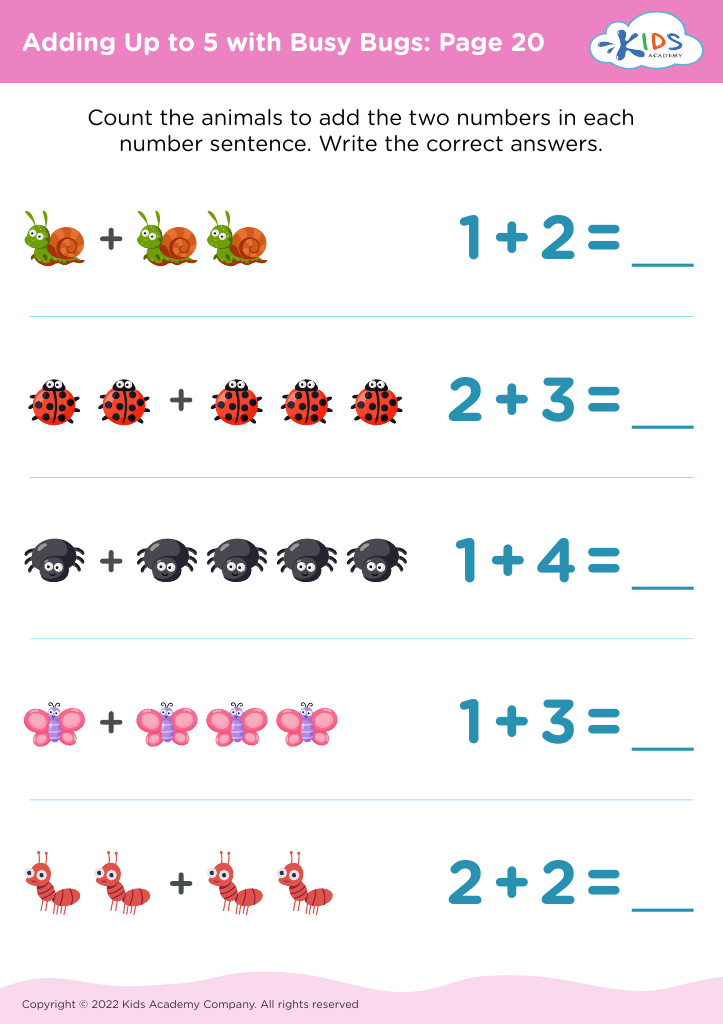
    Adding Up to 5 with Busy Bugs: Page 20
    Adding Up to 5 with Busy Bugs: Page 20
    Adding Up to 5 with Busy Bugs: Page 20
    Worksheet
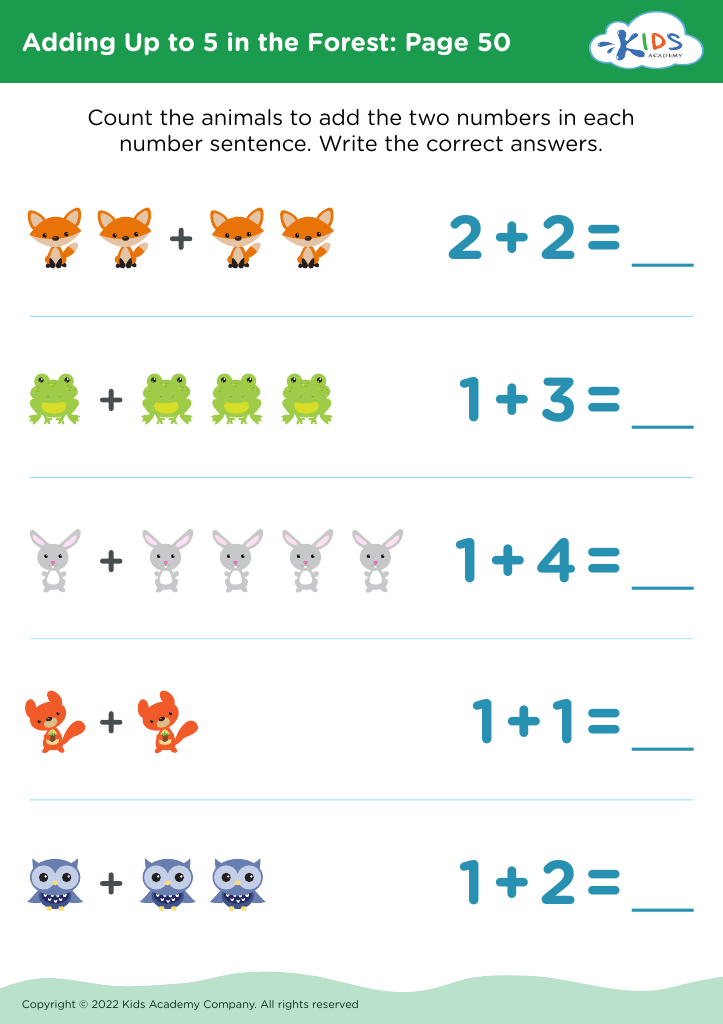
    Adding Up to 5 in the Forest: Page 50
    Adding Up to 5 in the Forest: Page 50
    Adding Up to 5 in the Forest: Page 50
    Worksheet
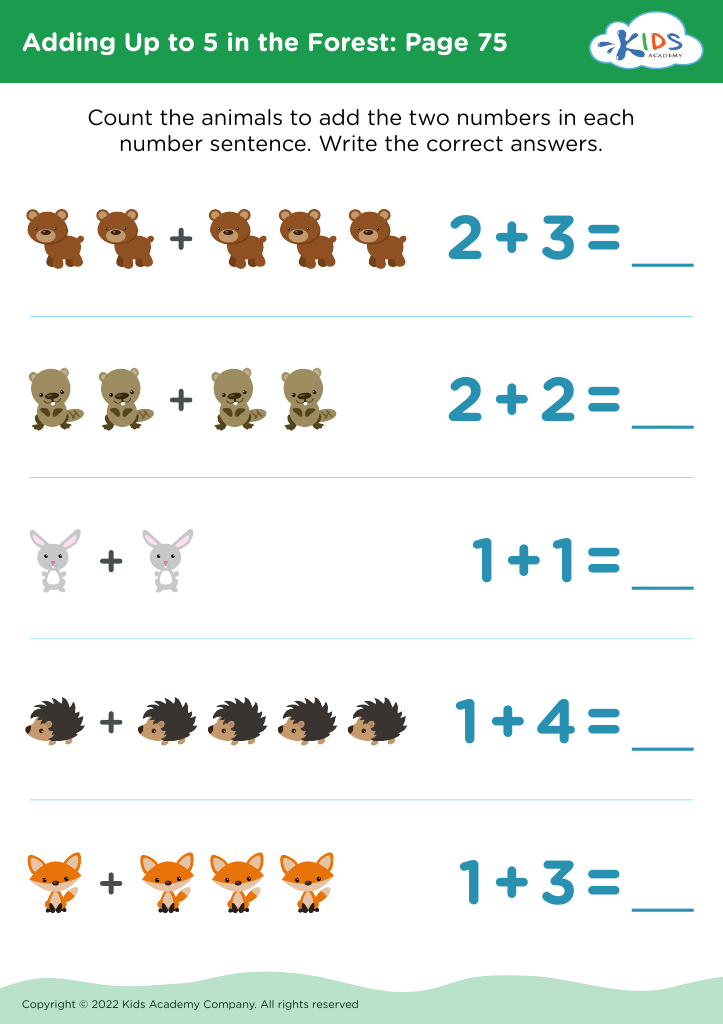
    Adding Up to 5 in the Forest: Page 75
    Adding Up to 5 in the Forest: Page 75
    Adding Up to 5 in the Forest: Page 75
    Worksheet


    Counting skills and the ability to add up to 5 are foundational in early childhood education, playing a crucial role in children's cognitive development. For ages 4-8, mastering these skills provides a strong base for future mathematical learning. When children learn to count and perform simple addition, they develop number recognition, develop problem-solving skills, and gain comfort with mathematical concepts.

    Practicing counting and addition helps enhance critical thinking and encourages logical reasoning. Furthermore, these early counting skills support the development of concentration and memory, essential qualities for academic success.

    Parents and teachers should care about these skills because they foster a sense of accomplishment and confidence in children when they grasp new concepts. Using engaging activities and games that focus on adding up to 5 can make learning fun, which promotes a positive attitude towards math and education in general. Additionally, these skills will assist children in understanding larger math concepts as they progress through school. Building a solid math foundation early on leads to greater success in later academic years, making it imperative for parents and teachers to prioritize and nurture these counting skills among children.