







Parents and teachers should care about animal recognition, addition, and subtraction for children ages 4-8 because these activities play a crucial role in early childhood development. Firstly, recognizing animals helps young children expand their vocabulary, improve memory, and enhance their observational skills. It also fosters a sense of curiosity about the natural world, promoting an interest in science and nature.
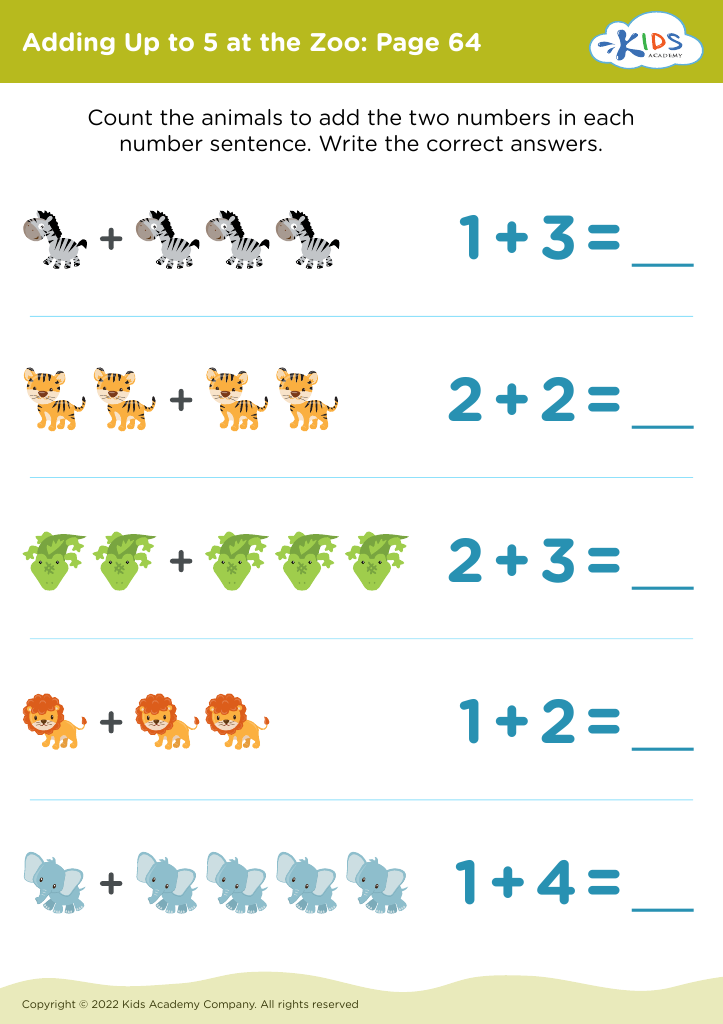
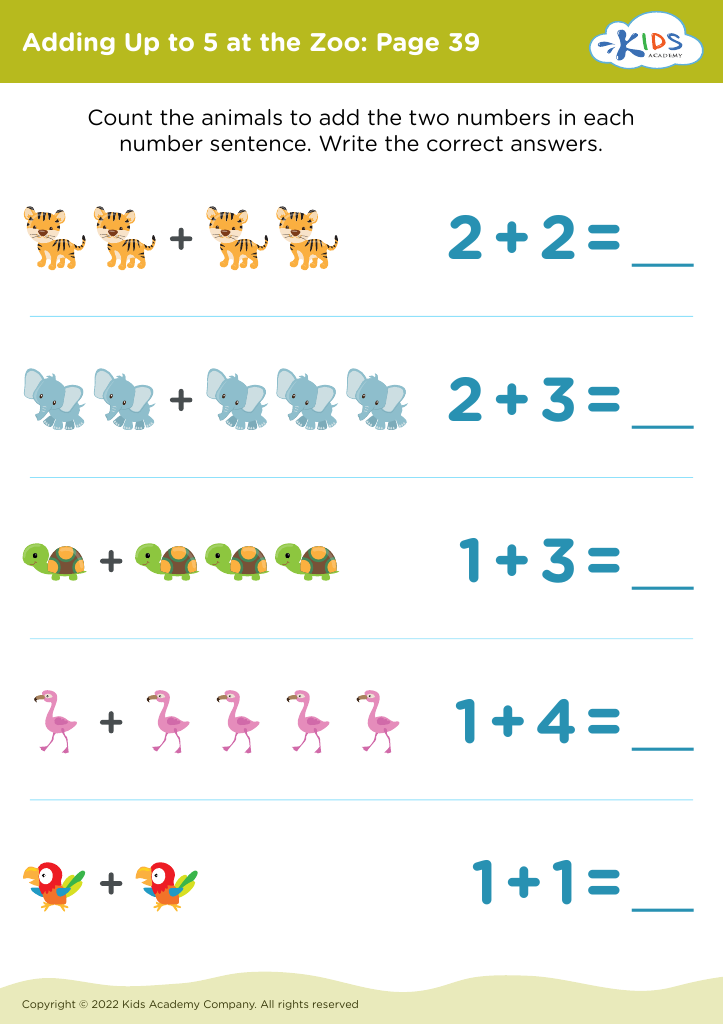
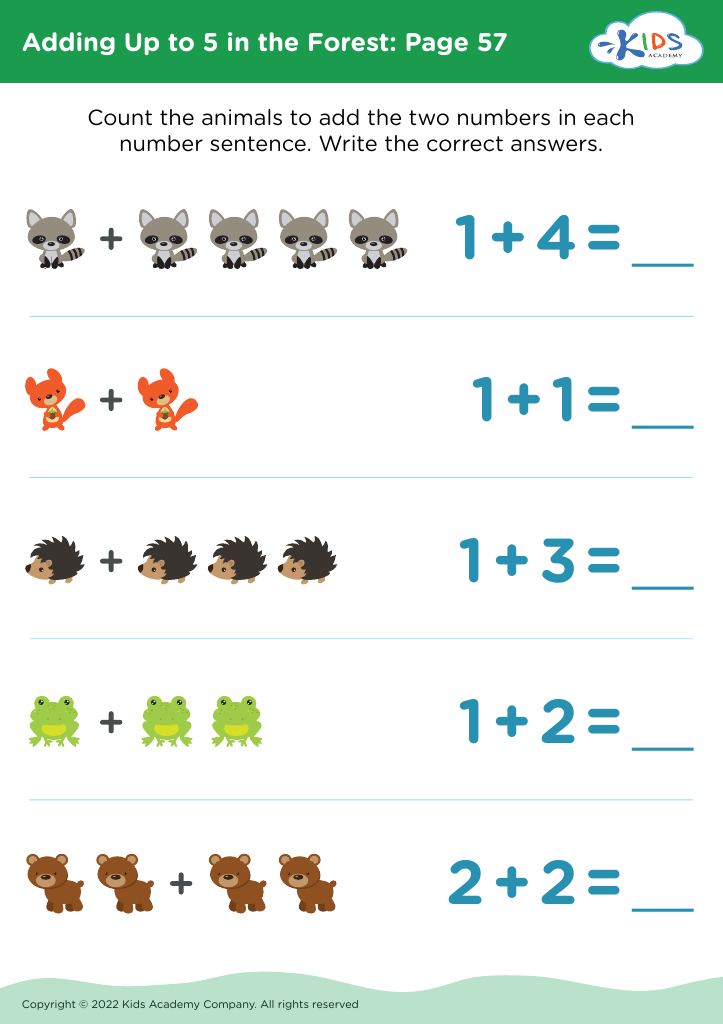
Introducing addition and subtraction during these formative years is equally important. Early exposure to basic math concepts helps build a strong foundation for more complex mathematical reasoning later on. Combining these skills with animal recognition makes learning more engaging and enjoyable for young children. For example, counting animals can be an interactive way to teach basic math, making abstract concepts tangible and relevant.
Moreover, joint activities involving counting and animals encourage social interaction and collaboration among children, nurturing important social skills and teamwork. Playing such educational games or solving puzzles collectively can also boost a child's confidence and give them a sense of achievement.
Incorporating animal recognition, addition, and subtraction into playful learning experiences ensures that foundational literacy and numeracy skills are embedded in memorable and enjoyable activities. This holistic approach promotes cognitive development, laying a solid groundwork for future academic success.








