
Boost critical thinking Addition & Subtraction Worksheets for Ages 4-8
3 filtered results
Difficulty Level
Grade
Age
-
From - To
Subject
Activity
Standards
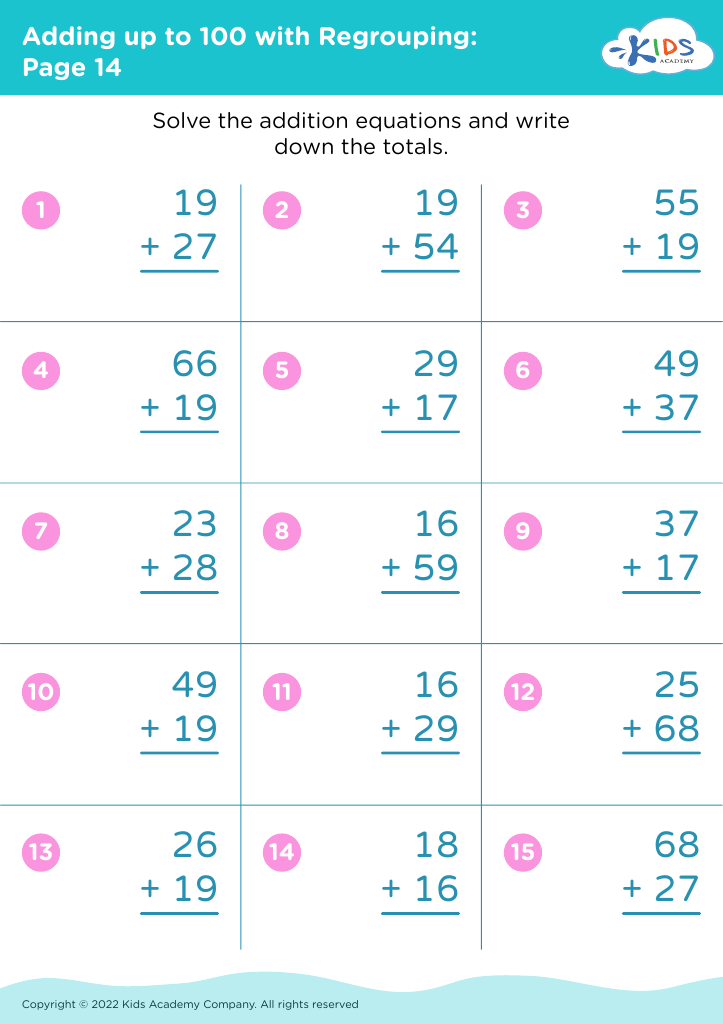
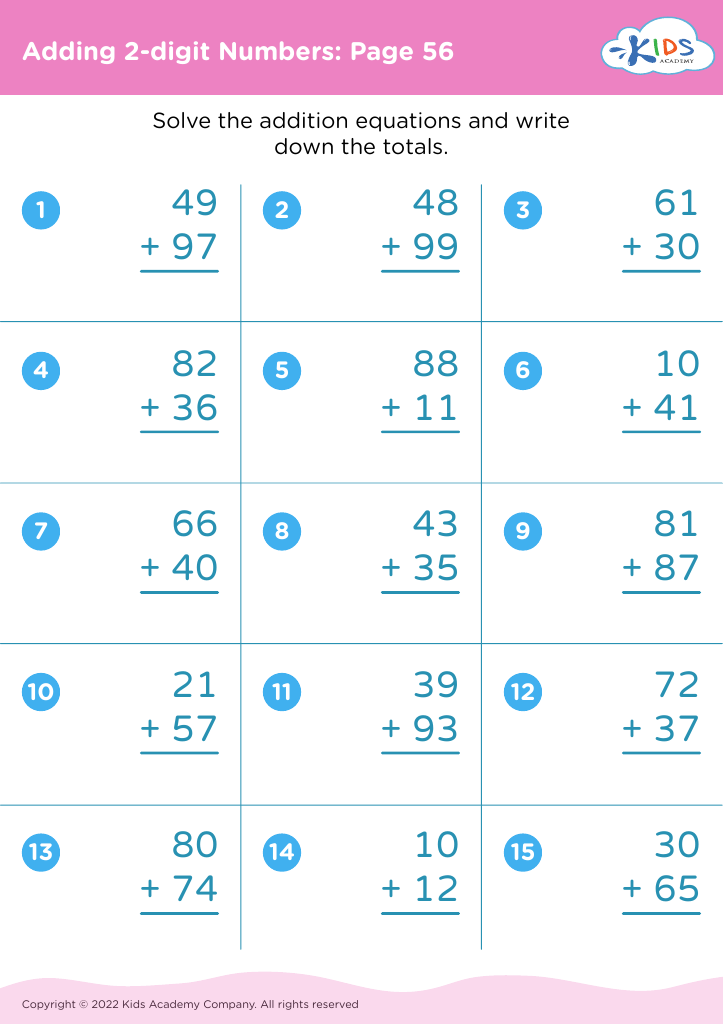
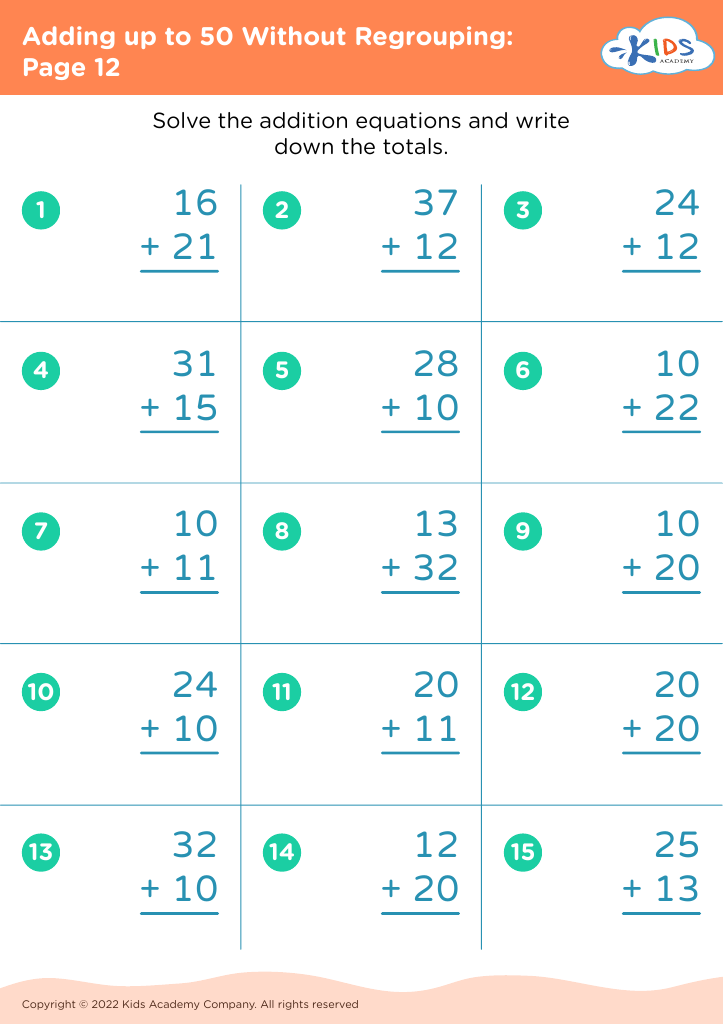
Enhance your child's critical thinking skills with our engaging Addition & Subtraction Worksheets tailored for ages 4-8! These interactive worksheets are designed to not only improve basic math skills but also promote cognitive development through problem-solving activities. With a variety of fun exercises, your child will learn to apply addition and subtraction concepts in real-world scenarios, fostering a deeper understanding of math. Suitable for home or classroom use, our worksheets encourage independent thinking while keeping young learners motivated. Download today and watch as your little ones build confidence in their math abilities while boosting their critical thinking skills!
Favorites
With answer key
Interactive
Join Kids Academy for Free
Who is primarily going to use this learning content?








Parents and teachers should care about fostering critical thinking in addition and subtraction for children aged 4-8 because these foundational skills not only underpin academic success but also play a vital role in everyday problem-solving. At this young age, children are developmentally primed to explore concepts through play and exploration, making it an ideal time to introduce logical reasoning and critical thinking.
By encouraging children to think critically about mathematical problems, they learn to analyze situations, assess different strategies, and justify their reasoning. This approach enhances their confidence in tackling math challenges and promotes a deeper understanding of numerical concepts beyond rote memorization. It lays a groundwork for later, more complex mathematical skills.
Moreover, critical thinking in math cultivates resilience. When children learn to approach problems with curiosity and creativity, they are more likely to persevere through difficulties. This empowering skill translates to other subjects and real-life scenarios, preparing them for future academic pathways and decision-making.
Ultimately, nurturing critical thinking in early math helps create independent thinkers who can tackle challenges confidently, making it essential for parents and teachers to prioritize this developmental goal. Engaging young learners in meaningful discussions makes math not only accessible but also enjoyable.








