Color differentiation Addition & Subtraction Worksheets for Ages 4-8
3 filtered results
-
From - To
Welcome to our Color Differentiation Addition & Subtraction Worksheets for Ages 4-8! Designed to make math fun and engaging, these worksheets help young learners enhance their addition and subtraction skills while exploring color recognition. Each activity encourages children to identify different colors, fostering both mathematical understanding and visual discrimination. With vibrant illustrations and clear instructions, your students will be motivated to practice and master basic math concepts. These worksheets are perfect for classrooms or at-home learning, making math a creative and enjoyable experience. Get ready to watch your little ones' skills blossom! Explore our collection now!
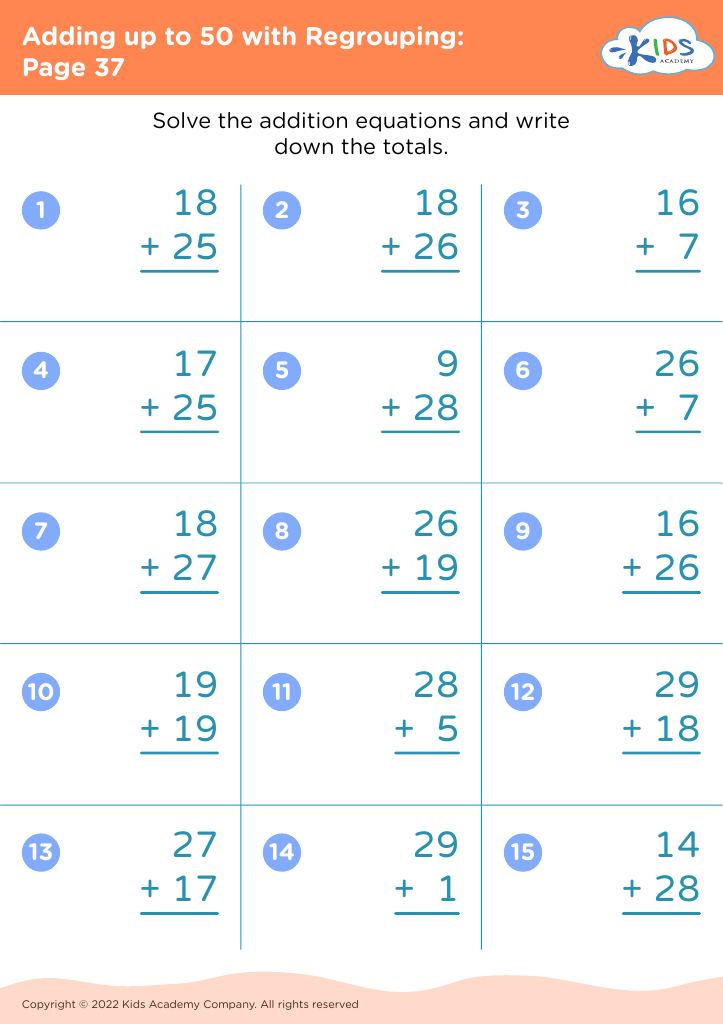
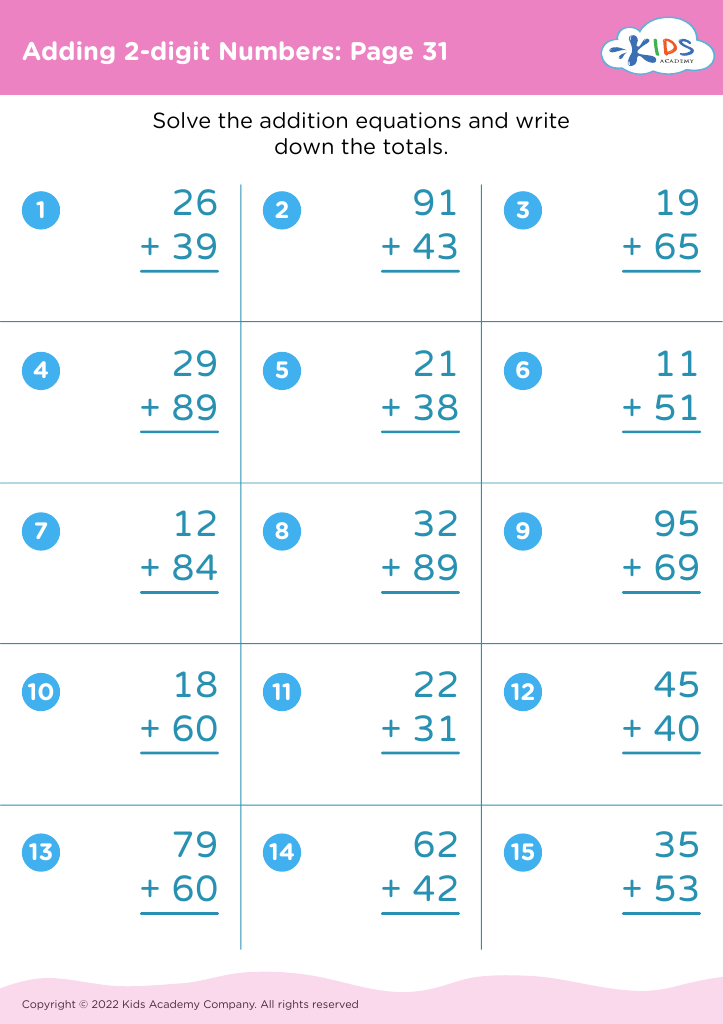
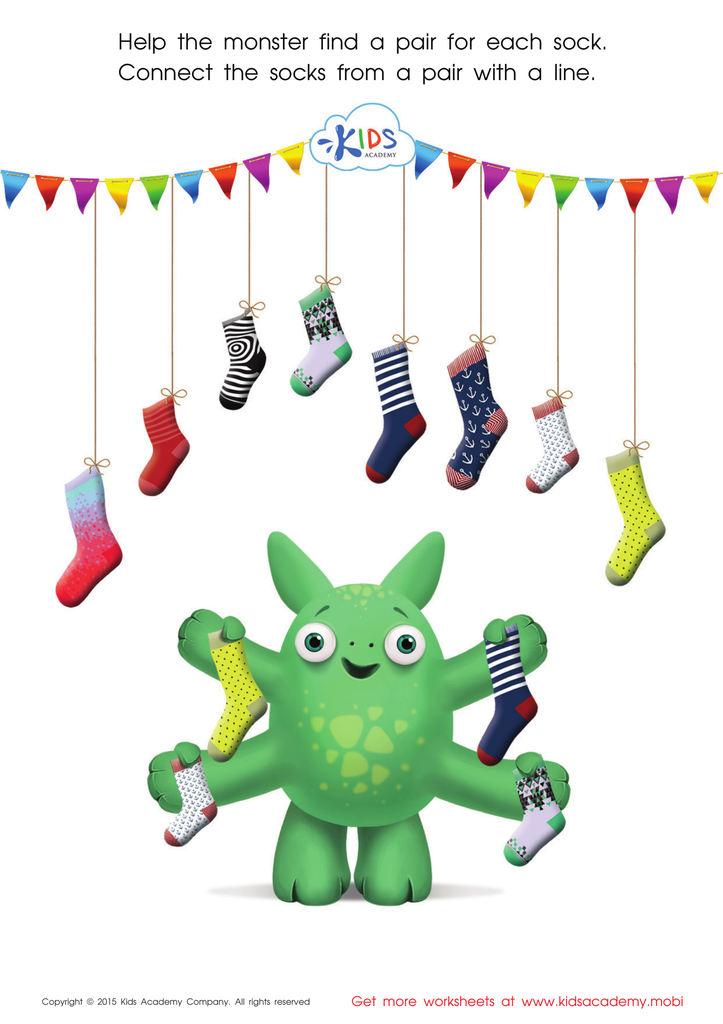
Math Matching Pairs Game: Monsterв's Socks Worksheet








Color differentiation in the context of addition and subtraction offers significant educational benefits for children aged 4-8. At this developmental stage, children are particularly receptive to visual learning, and employing colors can make abstract mathematical concepts more concrete and tangible. By associating different colors with numbers or operations, children can better understand problem-solving processes, which boosts their confidence in math.
Moreover, using colors to differentiate various elements in mathematical equations—like grouping numbers or categorizing operations—can help in enhancing their memory retention and recognition skills. Visual aids not only foster engagement but also cater to diverse learning styles, making mathematics accessible for all children.
Additionally, incorporating colors into math explorations encourages creativity and playfulness, transforming learning into an enjoyable experience rather than a daunting one. This proactive approach can instill a positive attitude toward math from an early age. Ultimately, by embracing color differentiation in addition and subtraction, parents and educators can lay a strong foundational understanding of math concepts, promoting critical thinking skills that will serve children well throughout their academic journey and beyond. Engaging young learners in this way makes mathematics both stimulating and fun, setting the stage for a lifelong love of learning.








