Filters

305 filtered results

Clear all filters
Favorites
With answer key
Interactive

305 filtered results

Difficulty Level

Grade


Check out this FREE Trial Lesson on Addition & Subtraction for age 4-8!

H

Favorites
With answer key
Interactive
  • 4-8
  • Counting practice
  • Addition & Subtraction
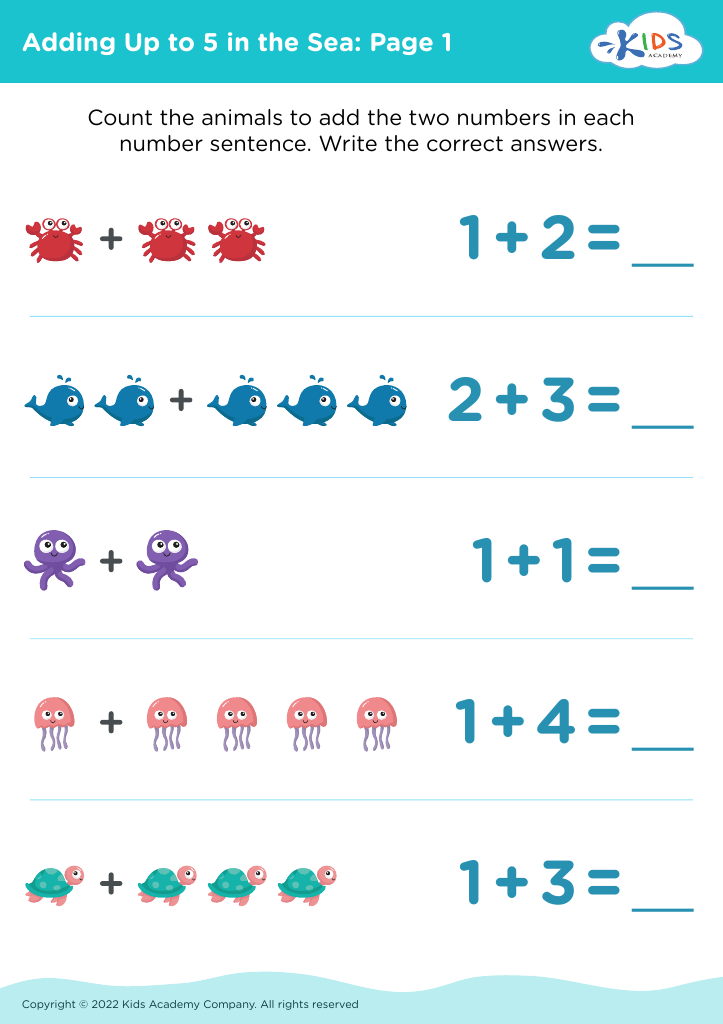
Adding Up to 5 in the Sea: Page 1

Adding Up to 5 in the Sea: Page 1

Adding Up to 5 in the Sea: Page 1
Worksheet
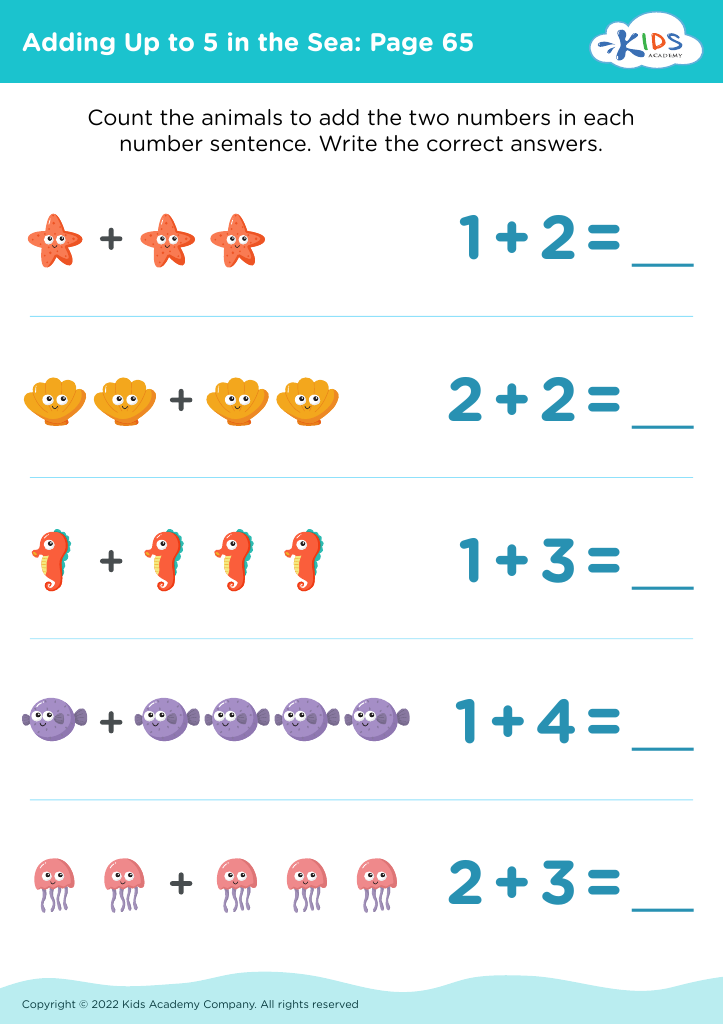
Adding Up to 5 in the Sea: Page 65
Worksheet
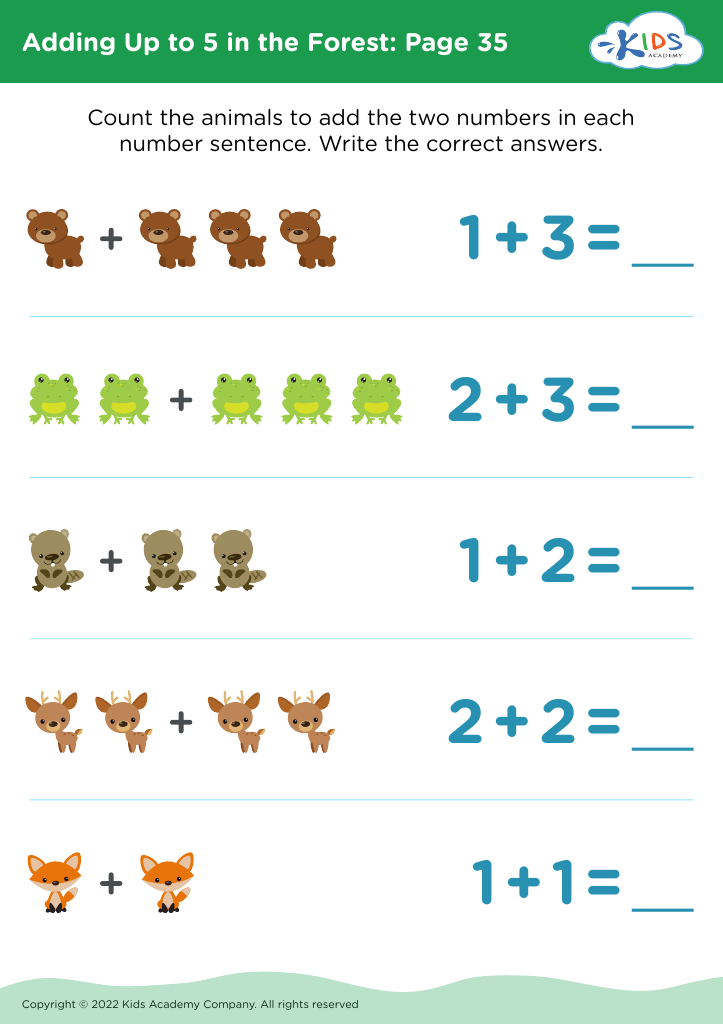
Adding Up to 5 in the Forest: Page 35
Worksheet
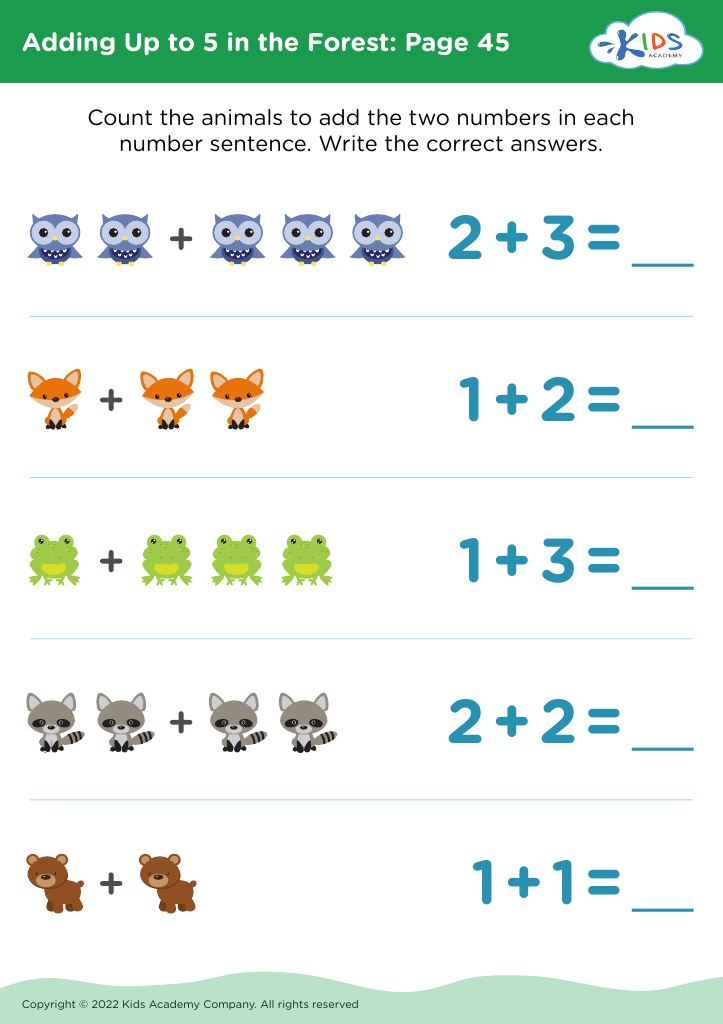
Adding Up to 5 in the Forest: Page 45
Worksheet
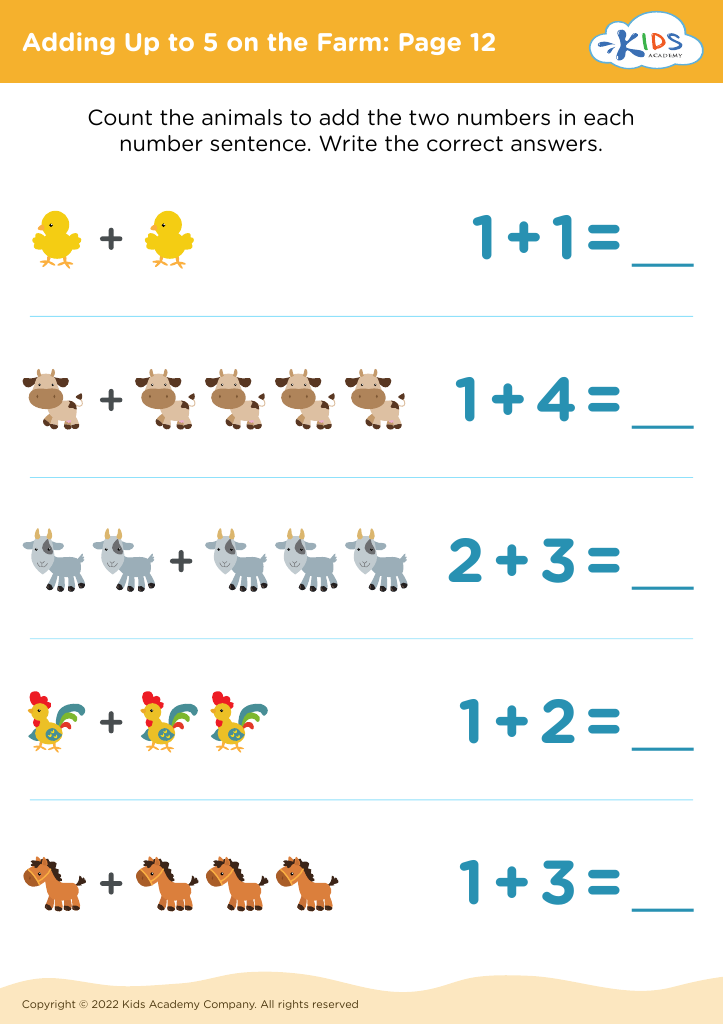
Adding Up to 5 on the Farm: Page 12
Worksheet
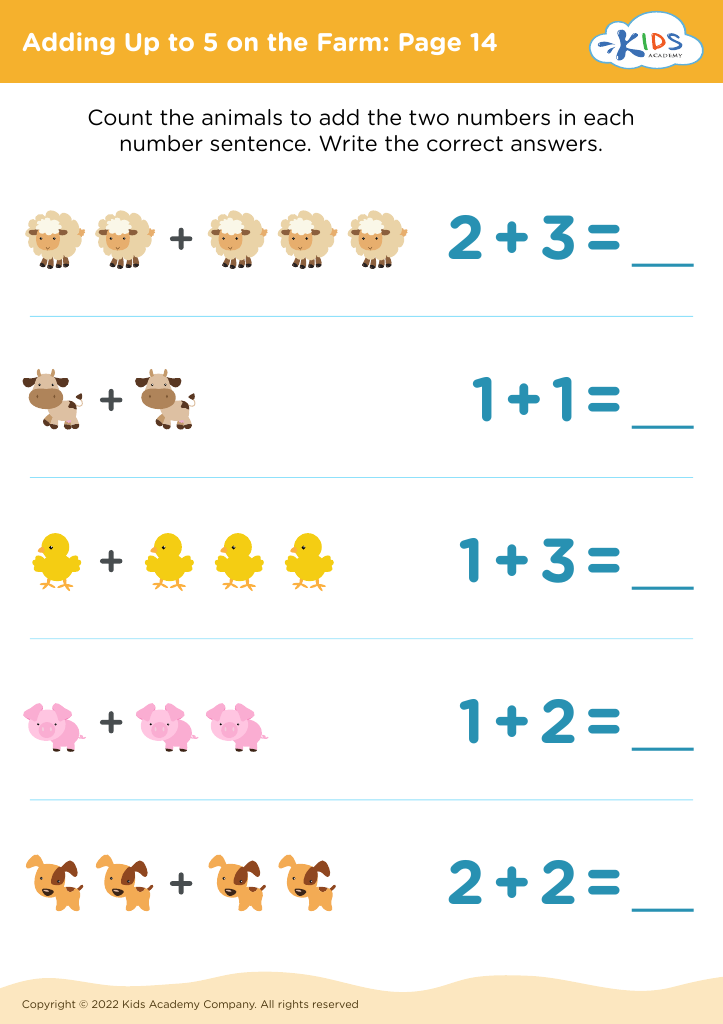
Adding Up to 5 on the Farm: Page 14
Worksheet
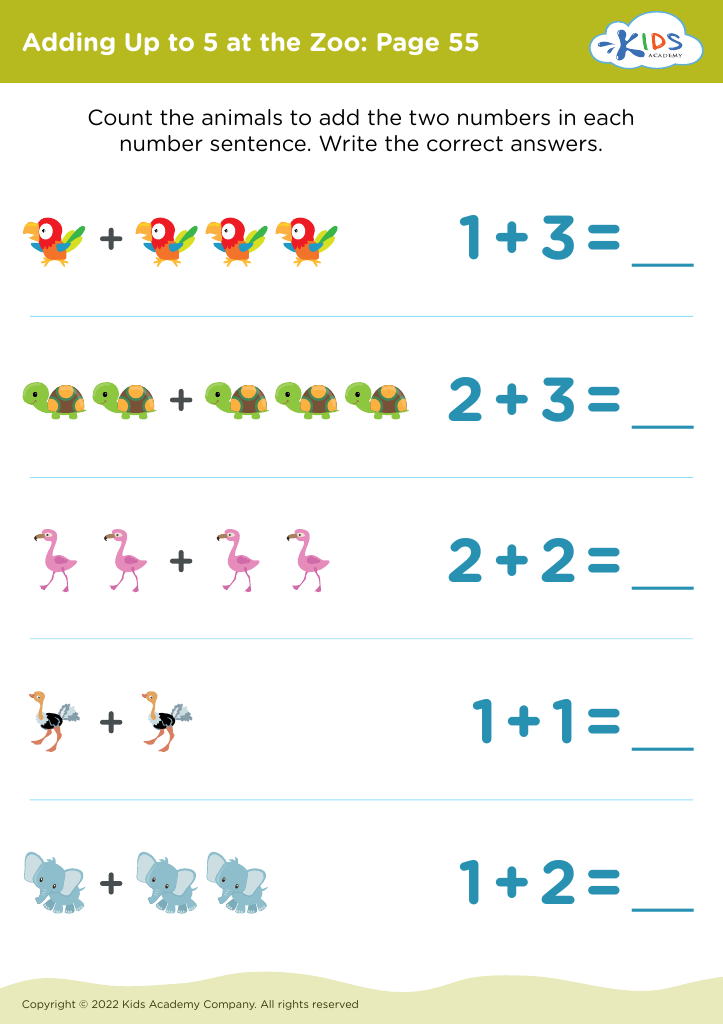
Adding Up to 5 at the Zoo: Page 55
Worksheet
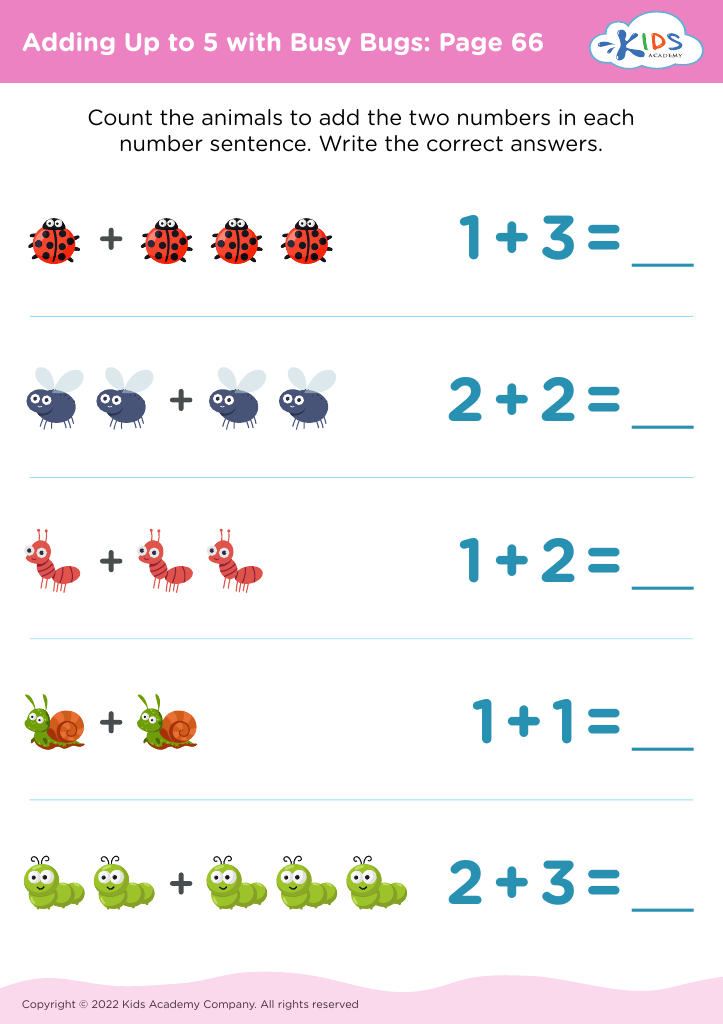
Adding Up to 5 with Busy Bugs: Page 66
Worksheet
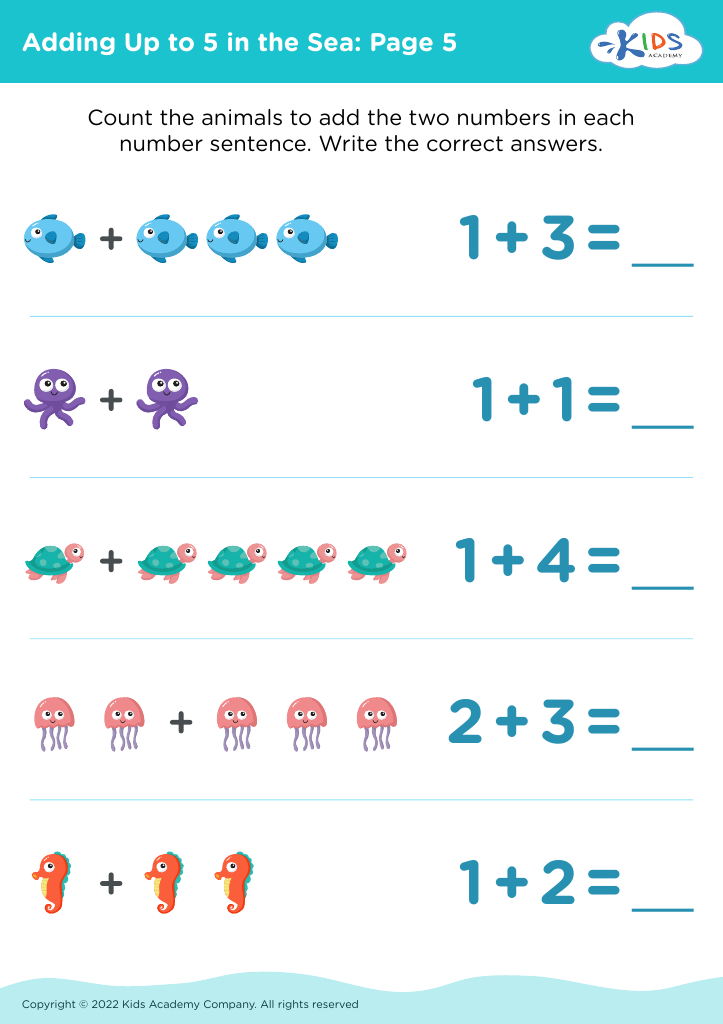
Adding Up to 5 in the Sea: Page 5

Adding Up to 5 in the Sea: Page 5

Adding Up to 5 in the Sea: Page 5
Worksheet
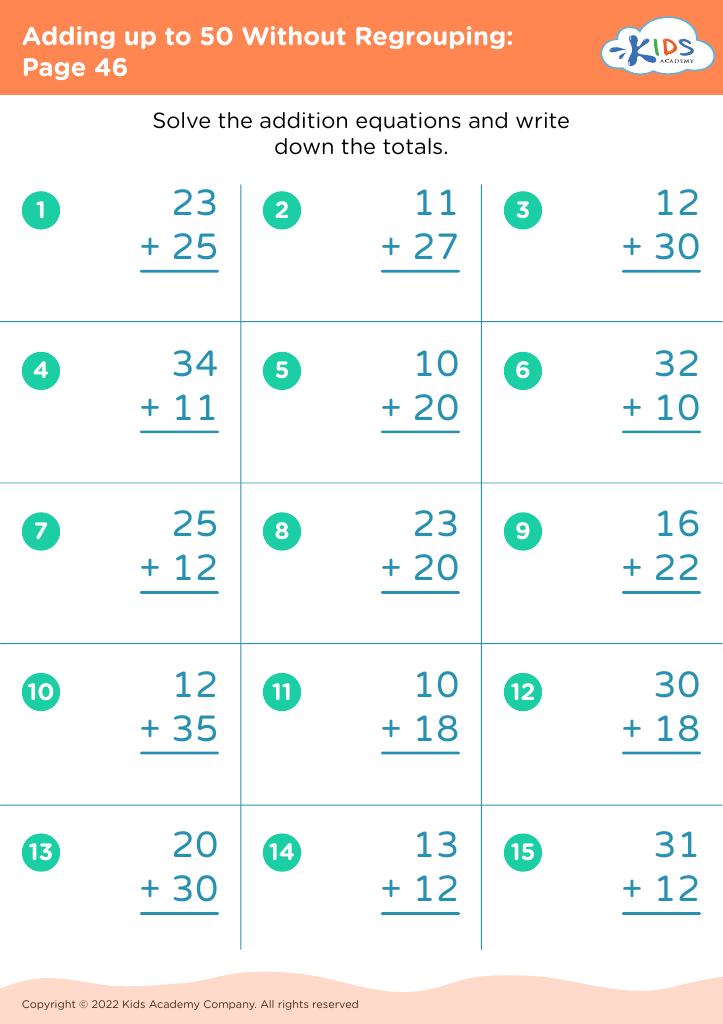
Adding up to 50 Without Regrouping: Page 46
Worksheet
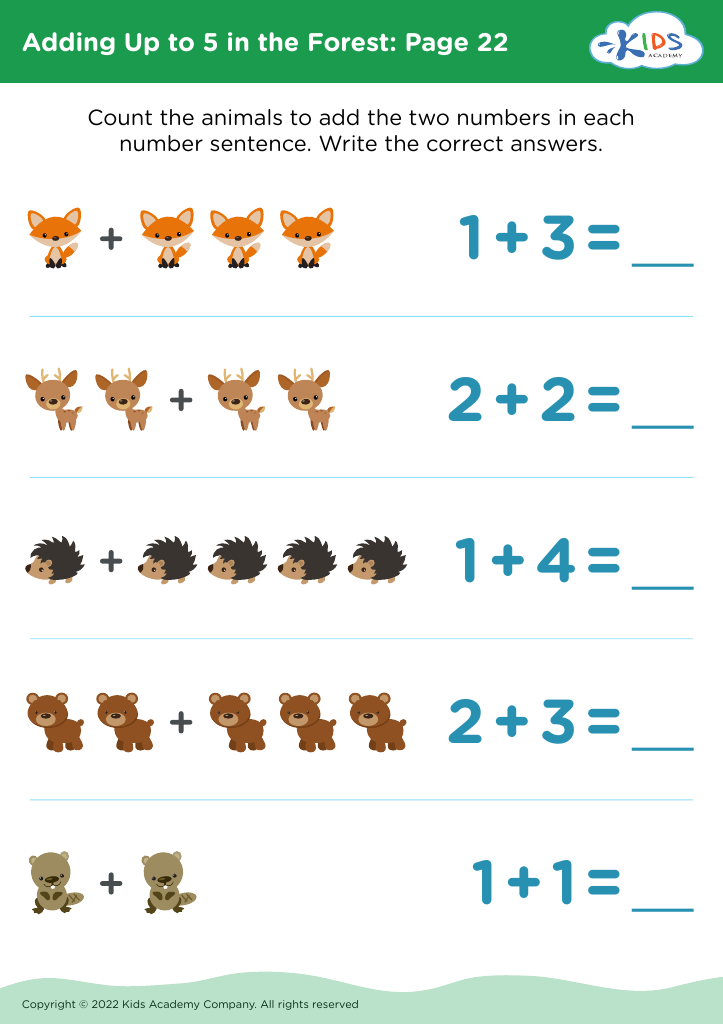
Adding Up to 5 in the Forest: Page 22
Worksheet
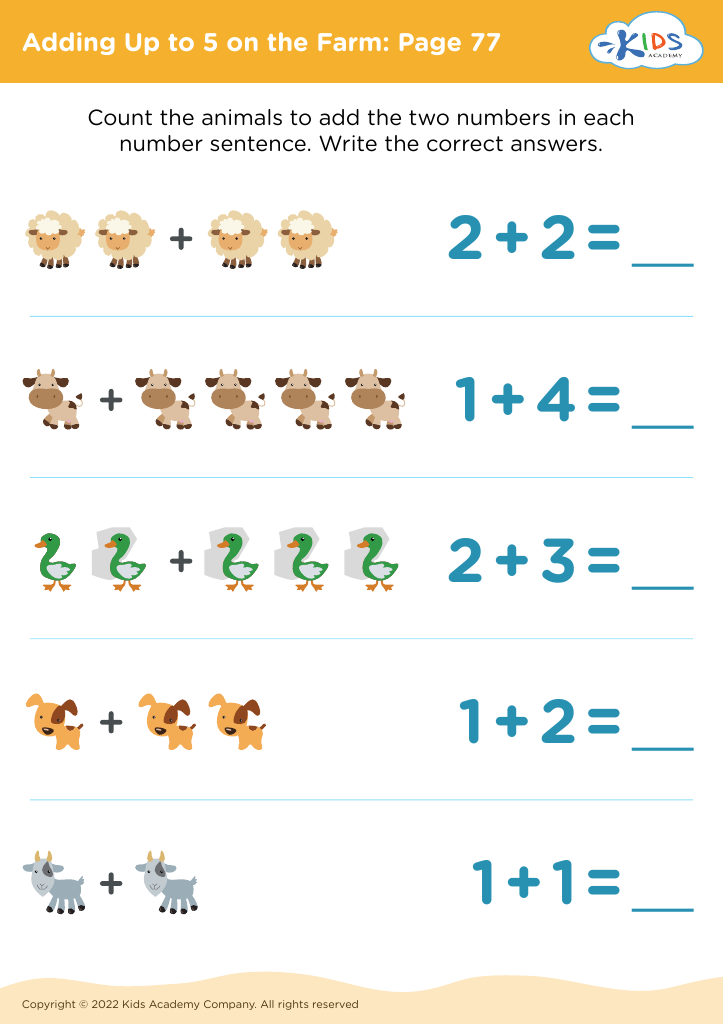
Adding Up to 5 on the Farm: Page 77
Worksheet
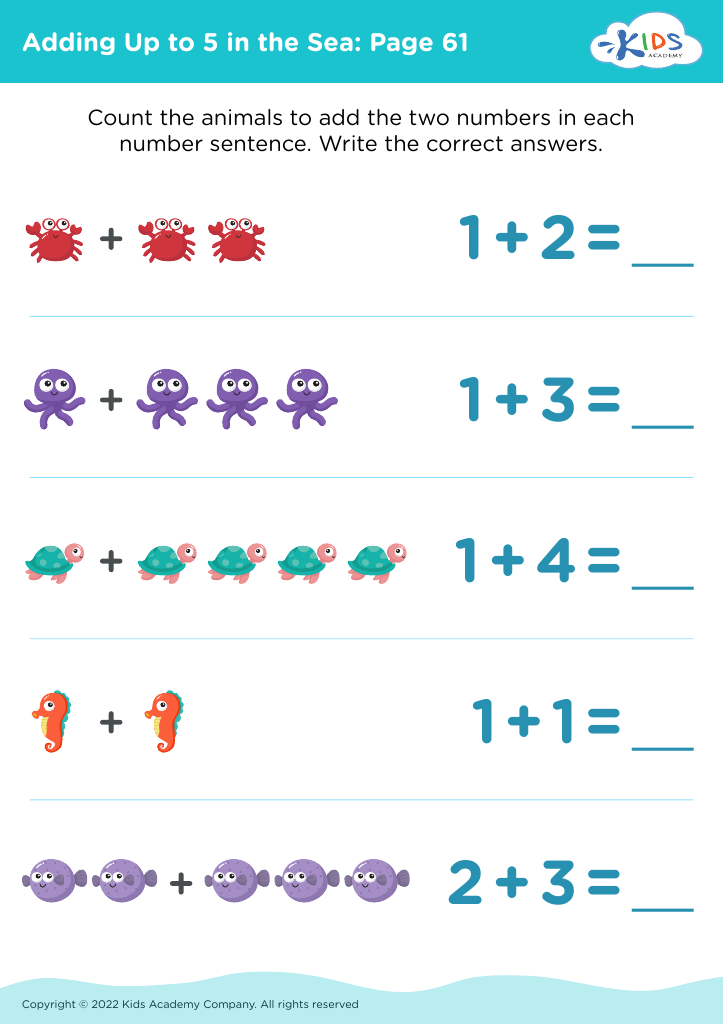
Adding Up to 5 in the Sea: Page 61
Worksheet
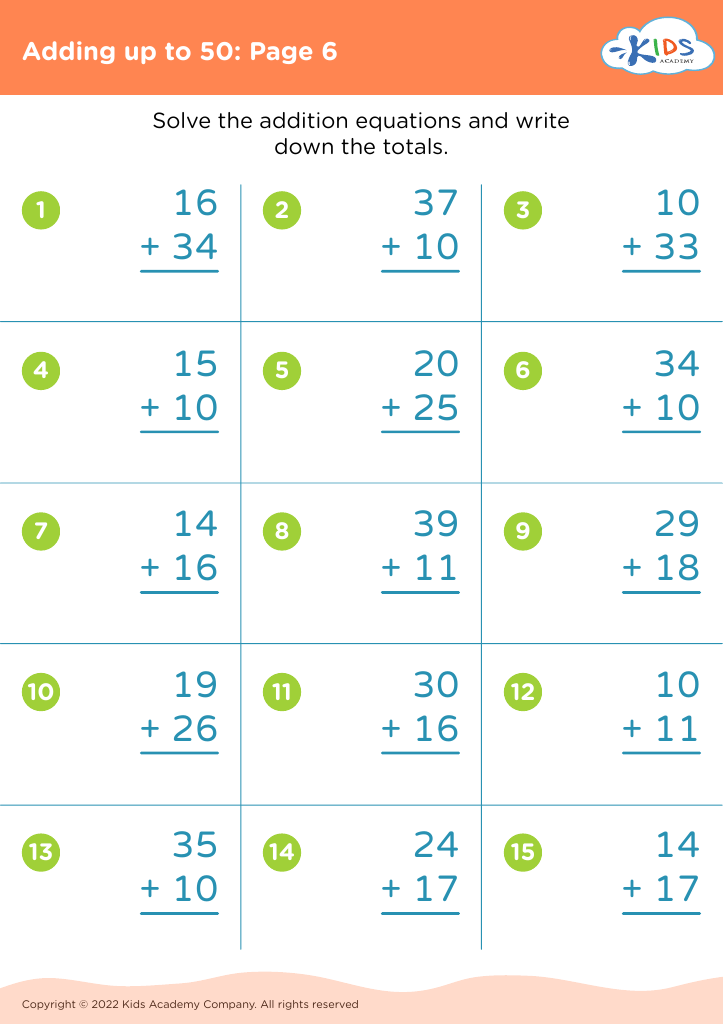
Adding up to 50: Page 6

Adding up to 50: Page 6

Adding up to 50: Page 6
Worksheet
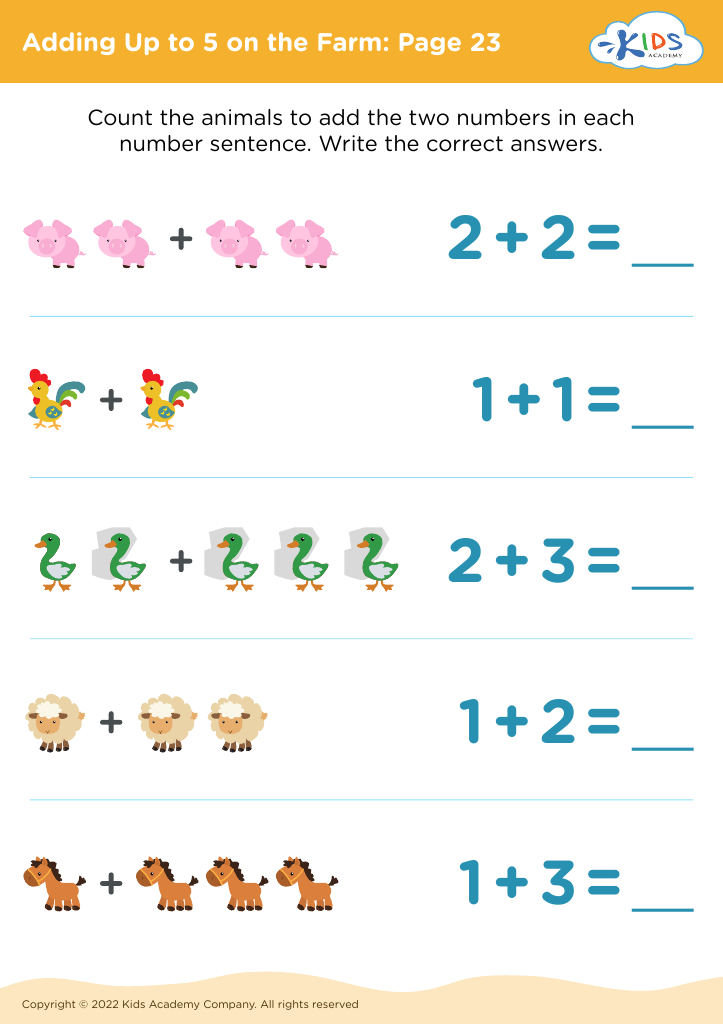
Adding Up to 5 on the Farm: Page 23
Worksheet
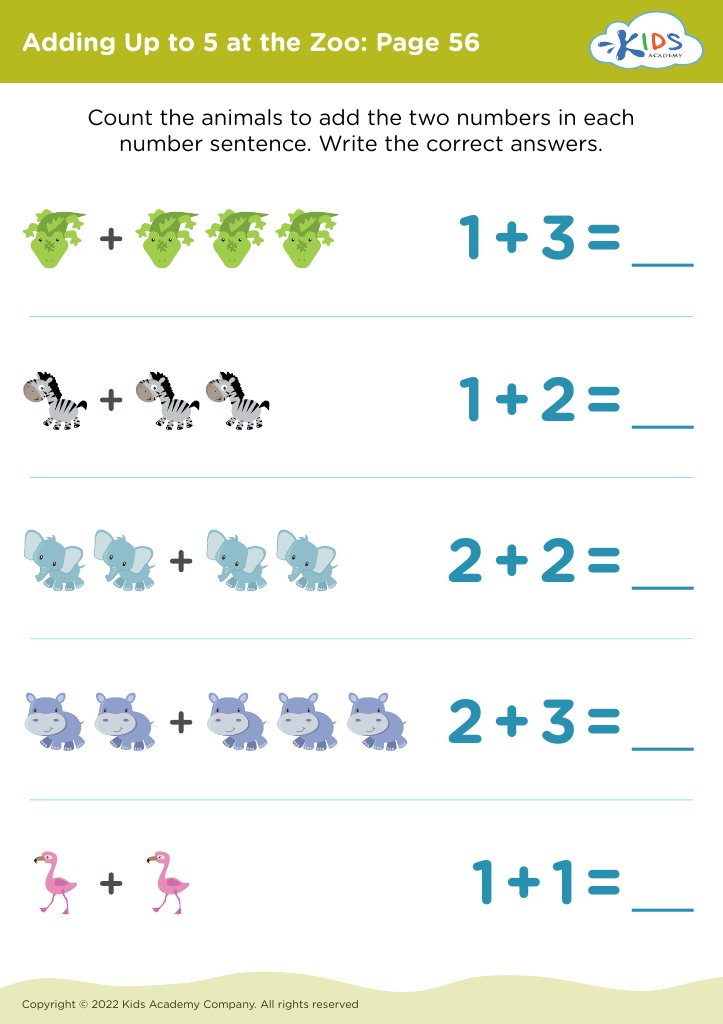
Adding Up to 5 at the Zoo: Page 56
Worksheet
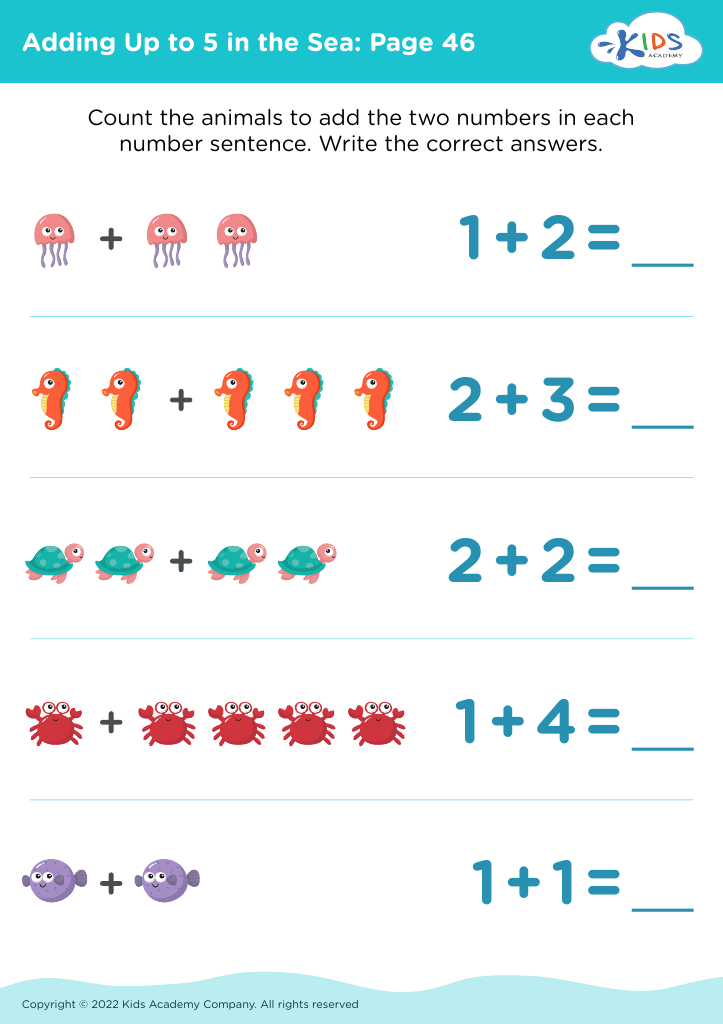
Adding Up to 5 in the Sea: Page 46
Worksheet
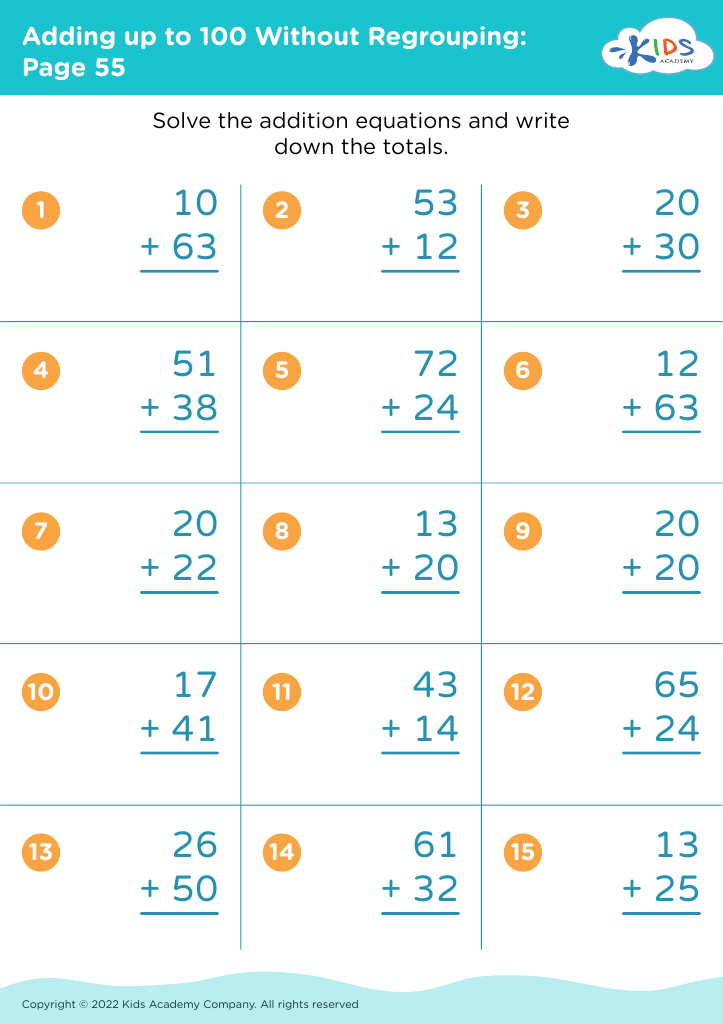
Adding up to 100 Without Regrouping: Page 55
Worksheet
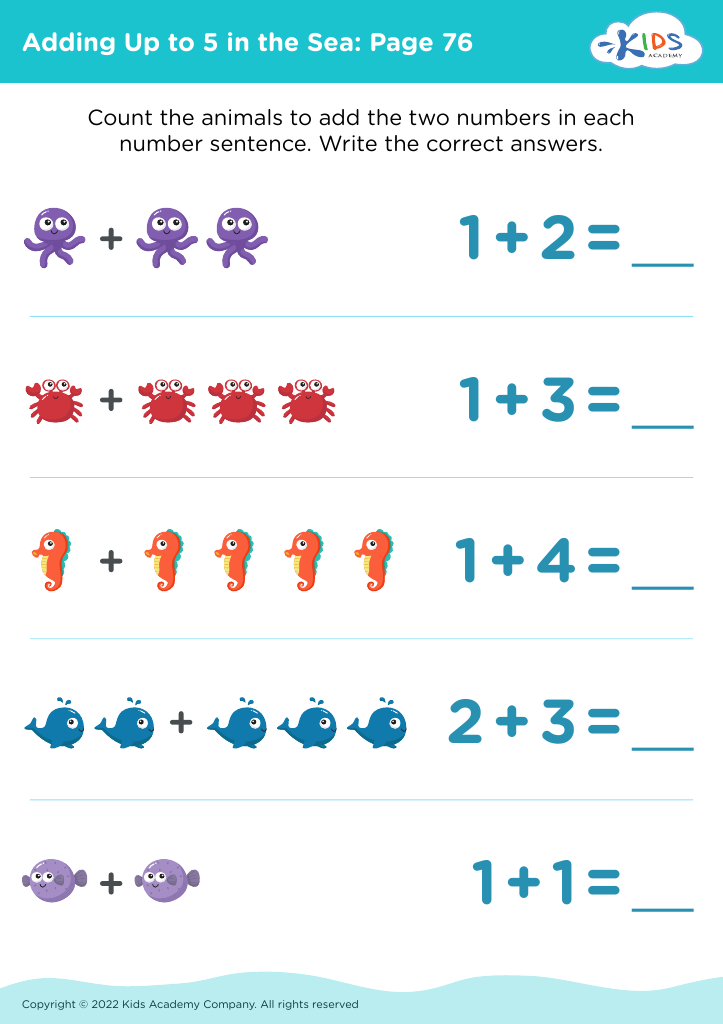
Adding Up to 5 in the Sea: Page 76
Worksheet
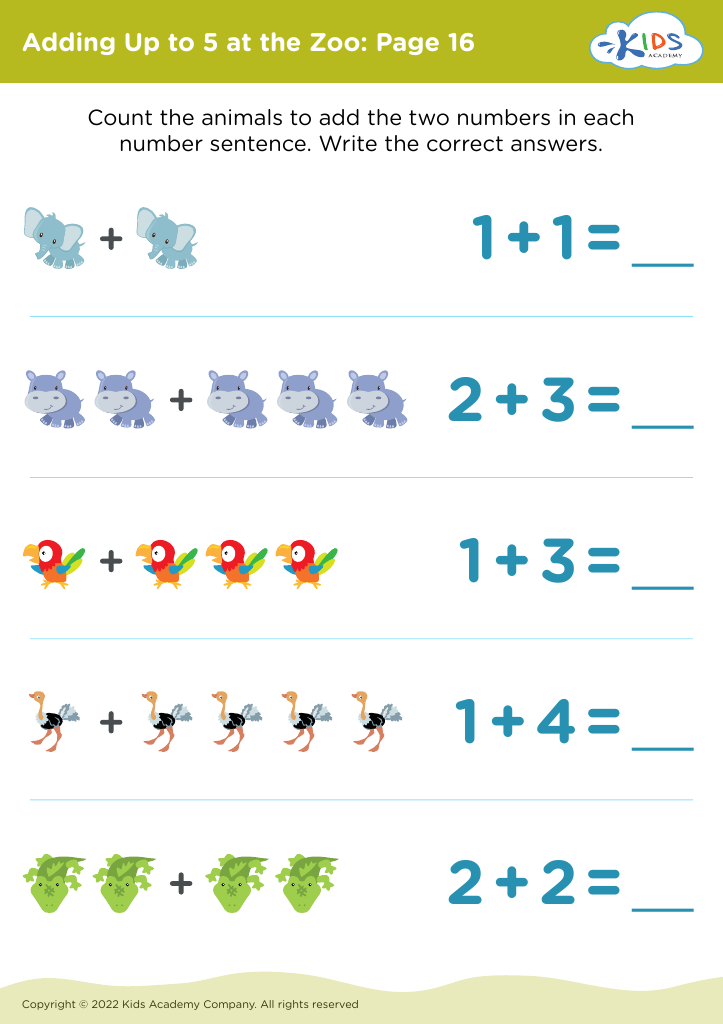
Adding Up to 5 at the Zoo: Page 16
Worksheet
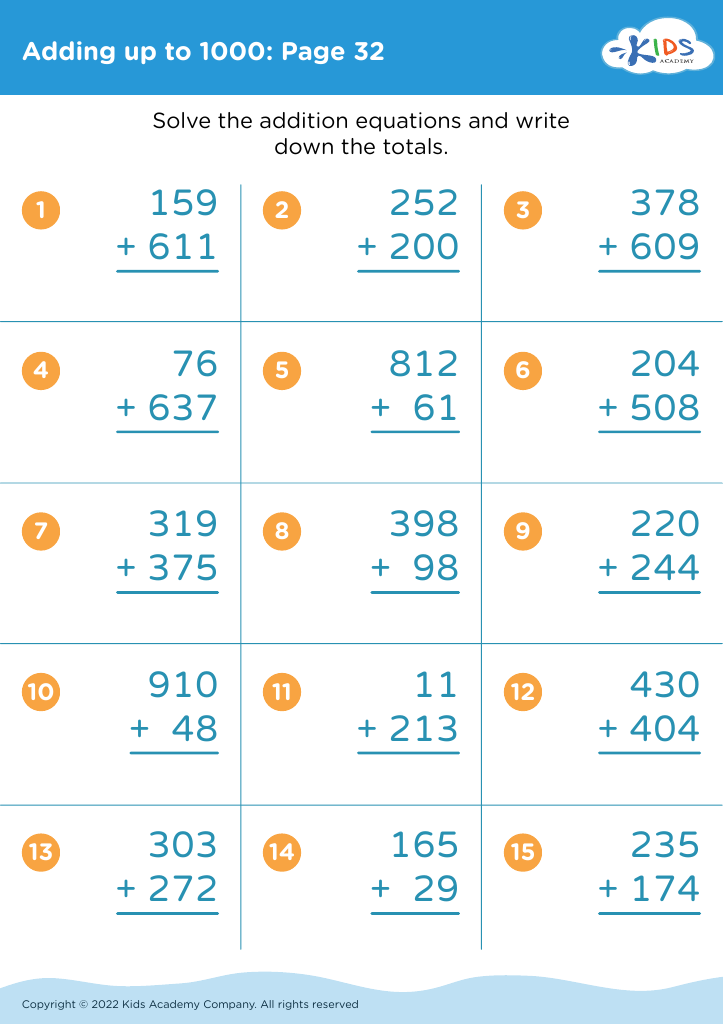
Adding up to 1000: Page 32

Adding up to 1000: Page 32

Adding up to 1000: Page 32
Worksheet
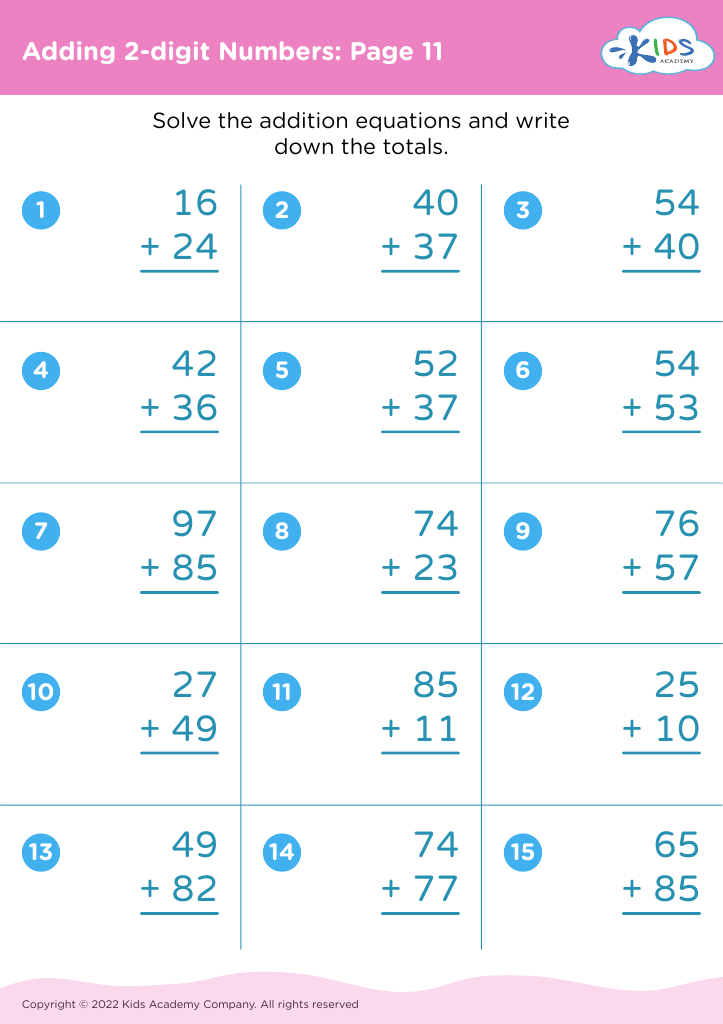
Adding 2-digit Numbers: Page 11

Adding 2-digit Numbers: Page 11

Adding 2-digit Numbers: Page 11
Worksheet
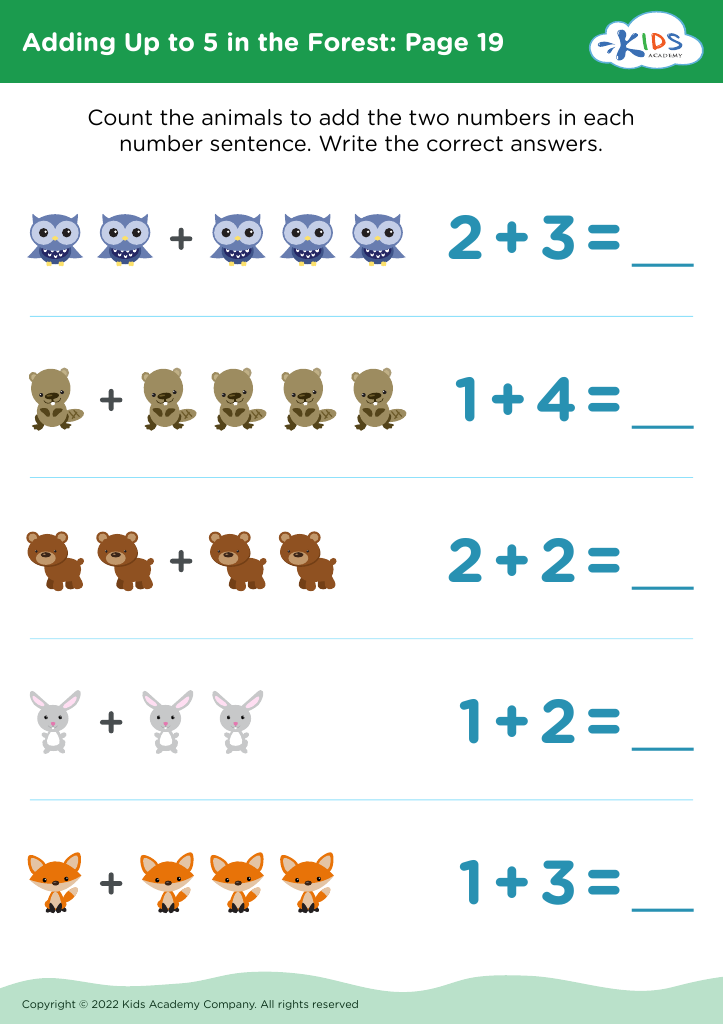
Adding Up to 5 in the Forest: Page 19
Worksheet
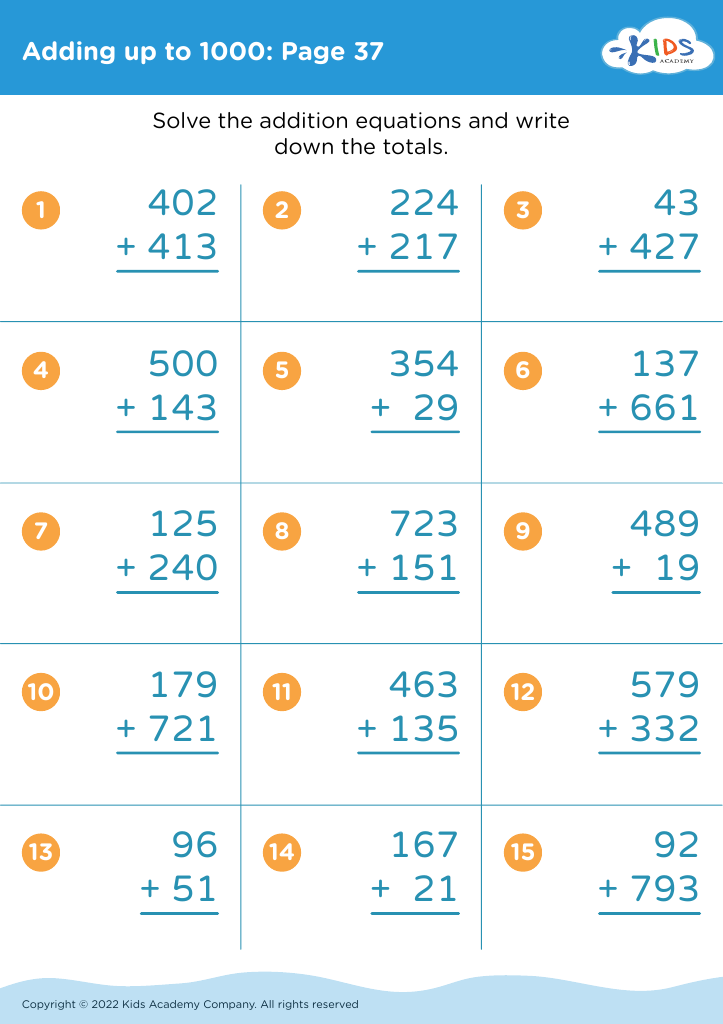
Adding up to 1000: Page 37

Adding up to 1000: Page 37

Adding up to 1000: Page 37
Worksheet


Counting practice and foundation in addition and subtraction are crucial skills for children aged 4-8, laying the groundwork for their mathematical understanding and problem-solving abilities. Early years are formative for cognitive development, and engaging children in counting regularly nurtures number recognition and promotes a sense of numerical competence.

For parents and teachers, focusing on these basic math skills is essential because they foster critical thinking and logical reasoning. Mastering counting, addition, and subtraction enhances a child's ability to tackle more complex math concepts as they progress through school. Additionally, these skills are intertwined with daily life; helping children understand how to apply math practically (e.g., counting apples or sharing toys) enriches their learning experience.

Furthermore, confident mathematicians are more likely to embrace challenges, leading to greater academic success overall. By engaging children in counting and simple operations through games, songs, and hands-on activities, parents and teachers instill a love for math that goes beyond rote memorization. This also fosters a positive relationship with learning, makes math interactive and fun, and supports emotional development by encouraging teamwork and cooperation in group activities. Overall, investing time in counting and basic math skills helps children thrive both academically and personally.