
Drawing skills Addition & Subtraction Worksheets for Ages 4-8
6 filtered results
Difficulty Level
Grade
Age
-
From - To
Subject
Activity
Standards
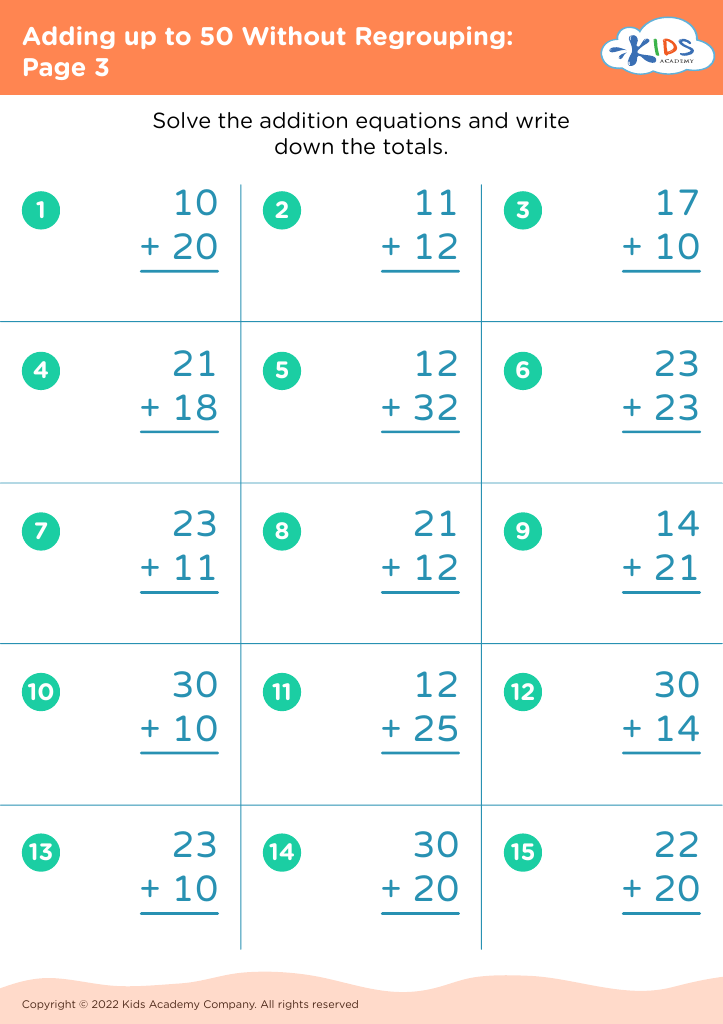
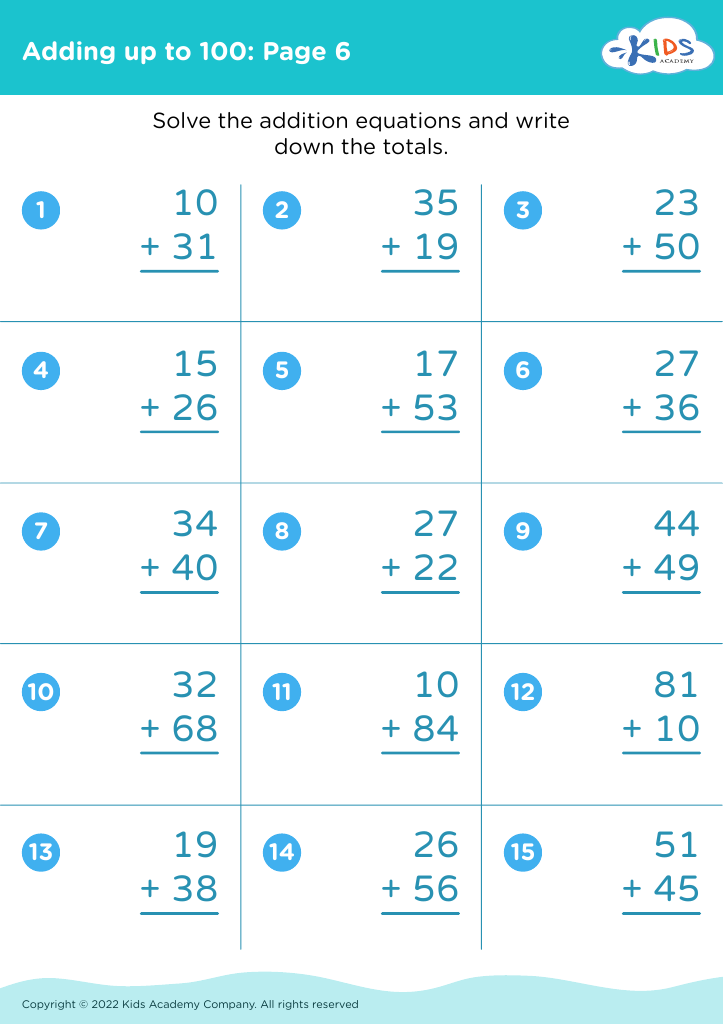
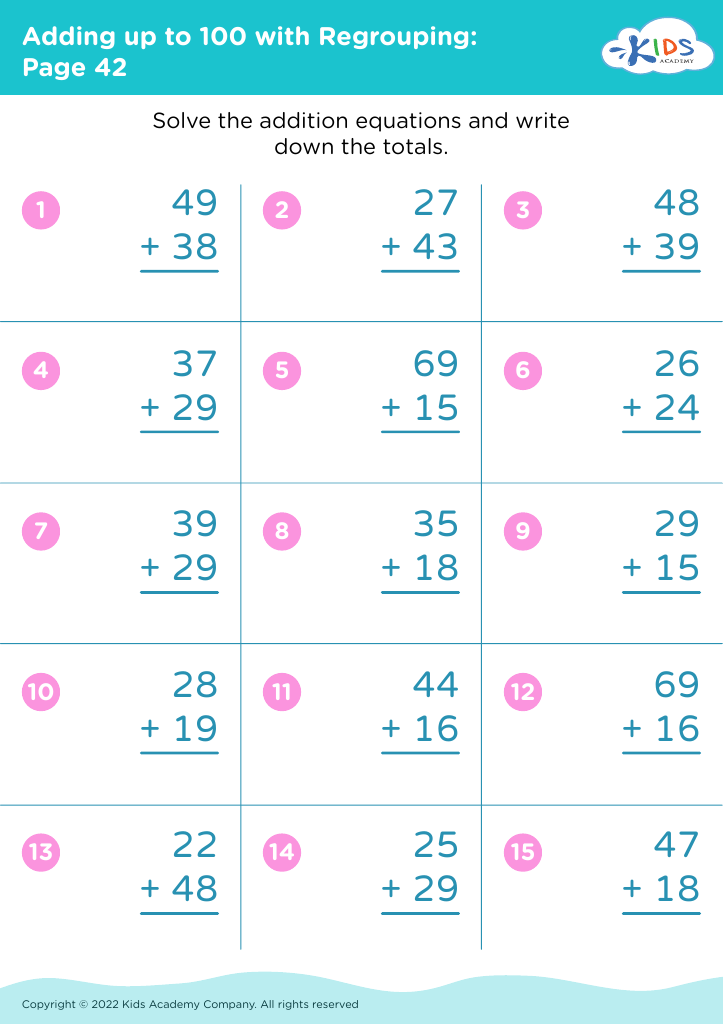
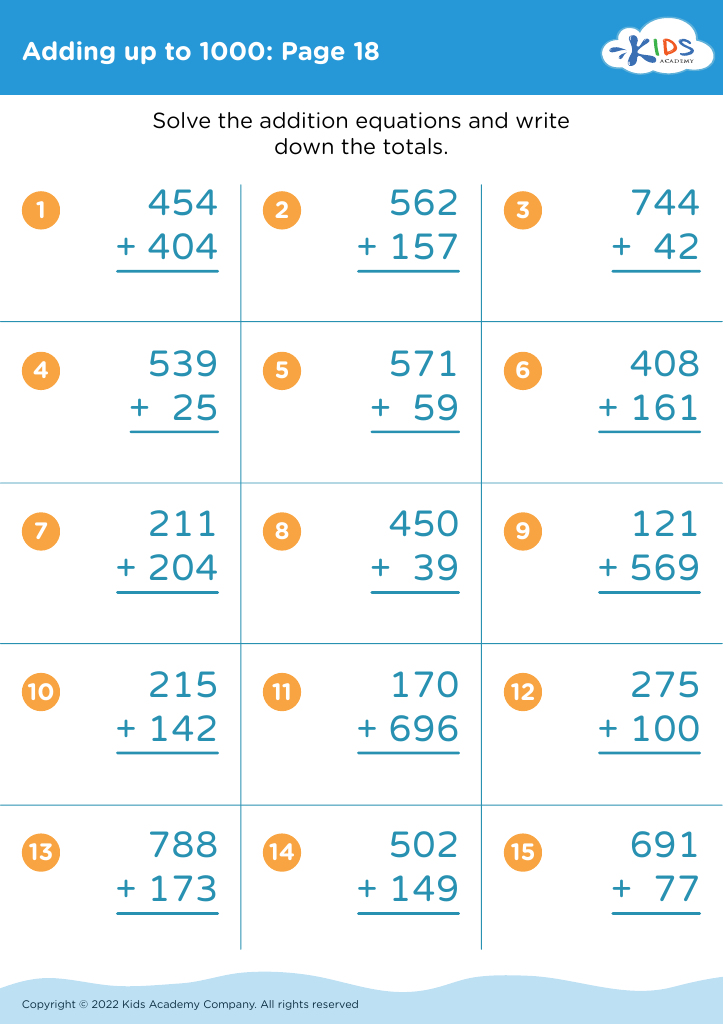
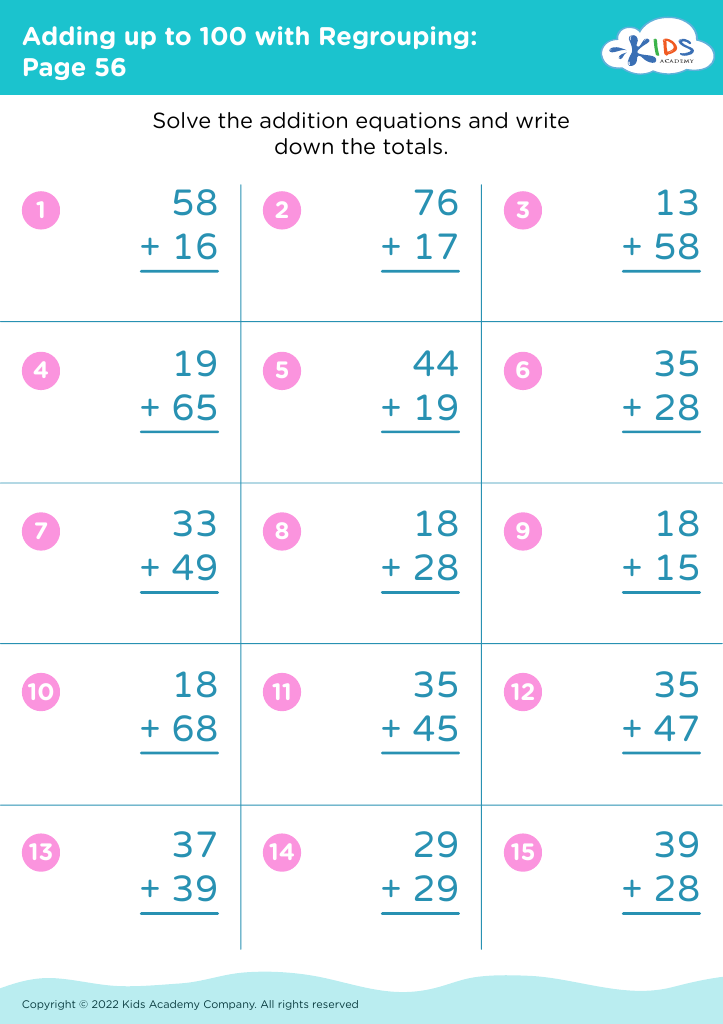
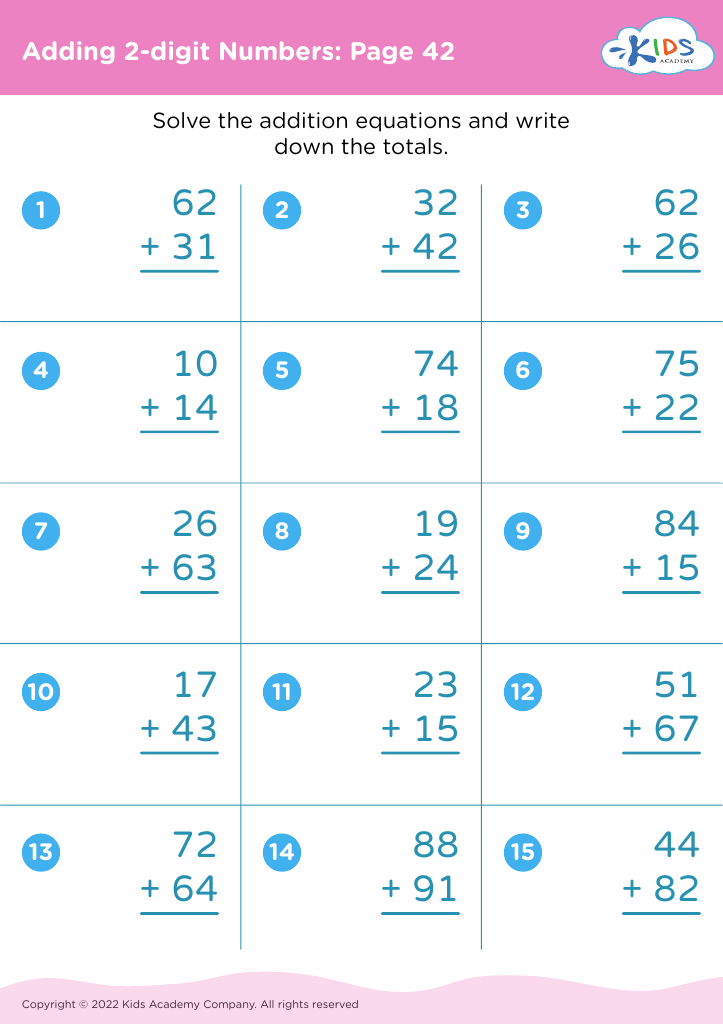
Discover our engaging Drawing Skills Addition & Subtraction Worksheets designed for children ages 4-8! These fun and interactive resources combine essential math concepts with creativity, helping young learners develop their addition and subtraction skills while expressing their artistic talents. Each worksheet features colorful illustrations that encourage students to draw and visualize math problems, making learning enjoyable and effective. Perfect for both classroom and at-home learning, our worksheets support cognitive development and enhance fine motor skills. Help your child build confidence in math with these delightful resources that foster creativity and learning in one engaging package!
Favorites
With answer key
Interactive
Join Kids Academy for Free
Who is primarily going to use this learning content?








Drawing skills are fundamental for children aged 4-8, especially when it comes to understanding addition and subtraction. At this age, children are developing cognitive abilities, fine motor skills, and thinking processes that lay the groundwork for mathematical understanding. Drawing, whether through illustrations or visual representations of numbers, enhances their ability to grasp these concepts.
When children draw objects to solve addition and subtraction problems, they are engaging in a multi-sensory approach to learning. This visual representation helps them understand the relationships between numbers and quantities, making abstract concepts more tangible. For instance, drawing five apples and then crossing out two allows children to visualize the operation, reinforcing the idea of taking away and counting.
Additionally, drawing provides an outlet for creativity, encouraging children to express their understanding uniquely, which can deepen their learning. Parents and teachers should care about developing these drawing skills alongside mathematical concepts to promote critical thinking, problem-solving, and spatial awareness.
Ultimately, fostering drawing skills in conjunction with addition and subtraction helps build a strong mathematical foundation, setting children up for future success in math and related disciplines, while also enhancing their overall cognitive and fine motor development.








