
Enhance fine motor skills Addition & Subtraction Worksheets for Ages 4-8
4 filtered results
Difficulty Level
Grade
Age
-
From - To
Subject
Activity
Standards
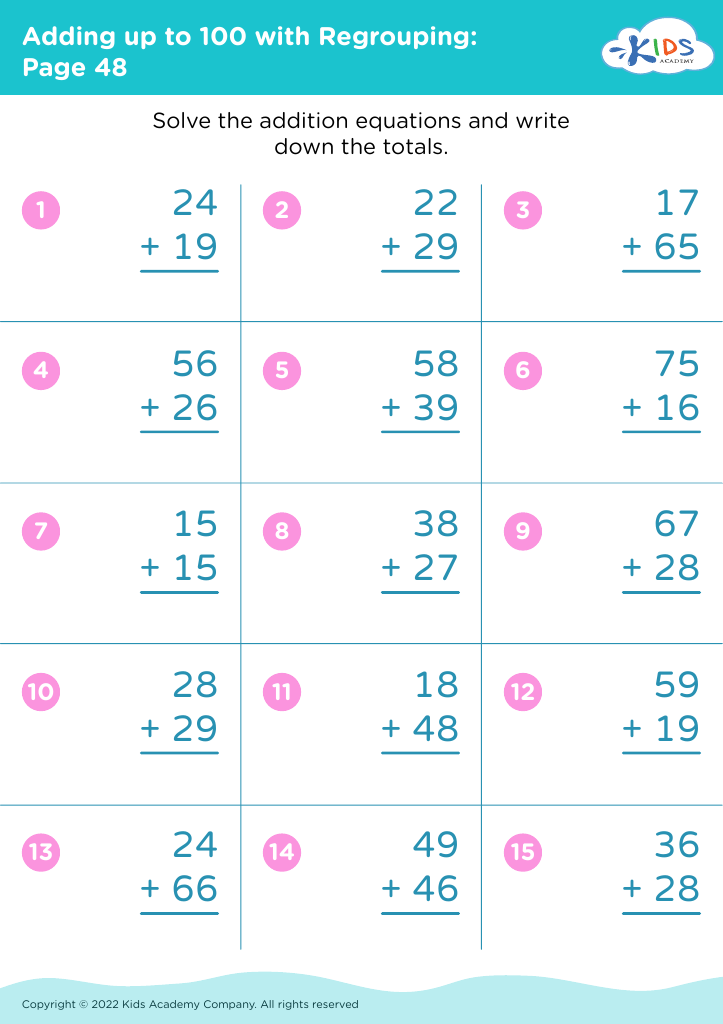
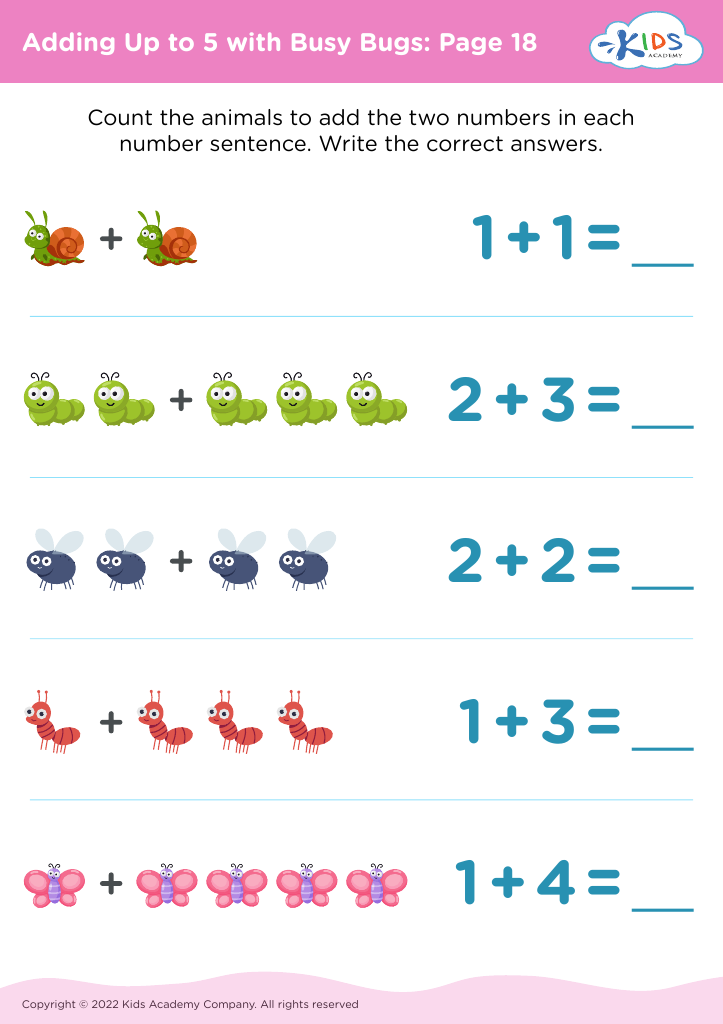
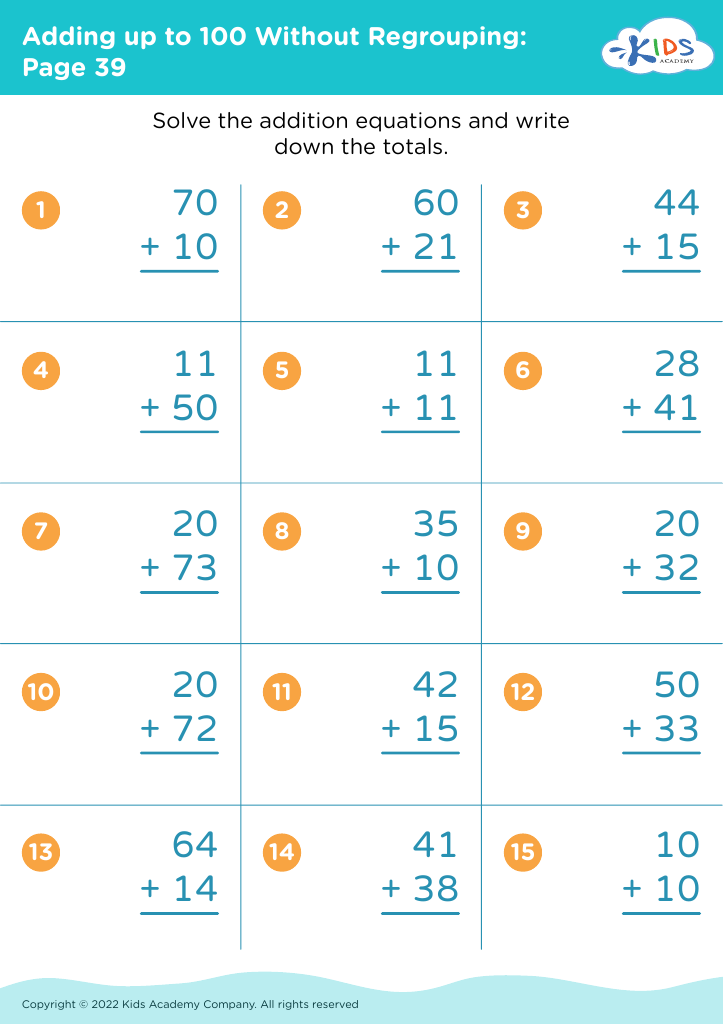
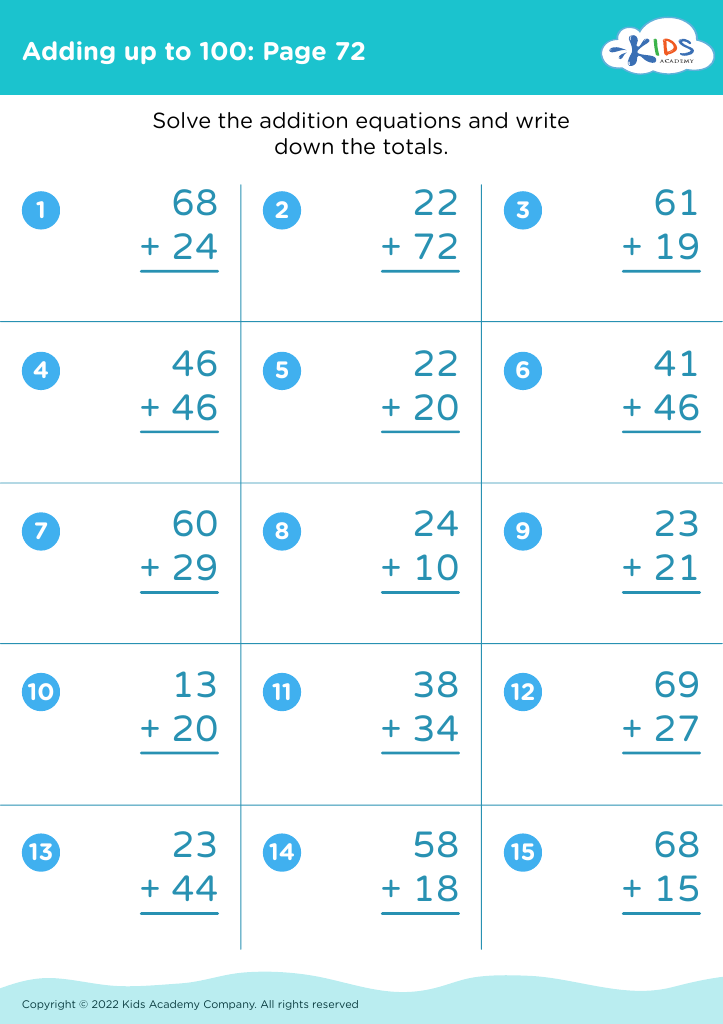
Discover our engaging Addition & Subtraction Worksheets designed specifically for kids ages 4-8! These vibrant activities not only promote early math skills but also enhance fine motor skills through hands-on learning experiences. Each worksheet combines numerical practice with fun illustrations, allowing children to build their confidence in addition and subtraction while developing essential motor skills. Perfect for home or classroom use, our worksheets encourage creativity and concentration as children cut, color, and manipulate materials. Equip young learners with the tools they need for academic success while making math enjoyable! Explore our collection today and watch your child's skills flourish.
Favorites
With answer key
Interactive
Join Kids Academy for Free
Who is primarily going to use this learning content?








Enhancing fine motor skills through activities related to addition and subtraction is critical for children aged 4-8 as it plays an integral role in their overall development. Fine motor skills, which include small movements usually involving the hands and fingers, are essential for tasks such as writing, using scissors, and manipulating small objects—all vital skills for a child's everyday learning.
In tandem with mathematical concepts, activities that promote fine motor skills—like counting with manipulatives or doing simple dot-to-dot exercises to demonstrate addition and subtraction—engage children in a hands-on manner, making learning tangible and more enjoyable. This connection between fine motor skills and math enhances cognitive understanding, allowing students to visualize math concepts in a practical way.
Additionally, strong fine motor skills can boost a child's confidence in their academic abilities, fostering independence and resilience. Teachers and parents who prioritize these skills alongside basic math operations ultimately set children up for success, enabling efficient learning and preparation for more complex tasks in the future. Ultimately, fostering these skills equips kids with tools for both academic achievement and everyday functioning, cultivating well-rounded individuals ready to tackle challenges ahead.








