
Enhancing creativity Addition & Subtraction Worksheets for Ages 4-8
4 filtered results
Difficulty Level
Grade
Age
-
From - To
Subject
Activity
Standards
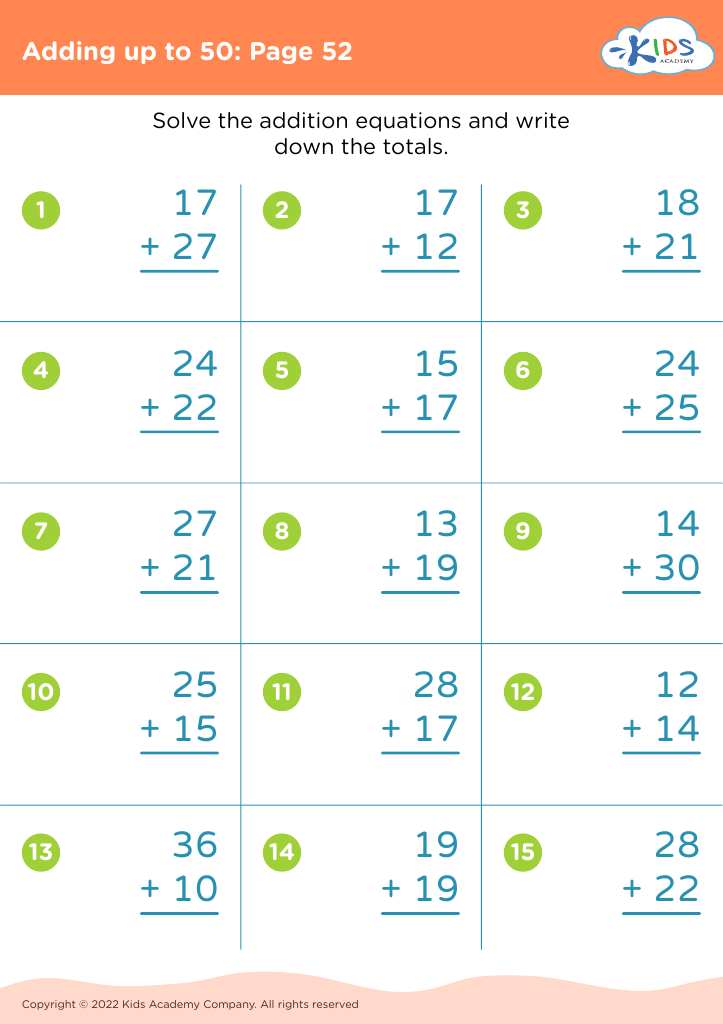
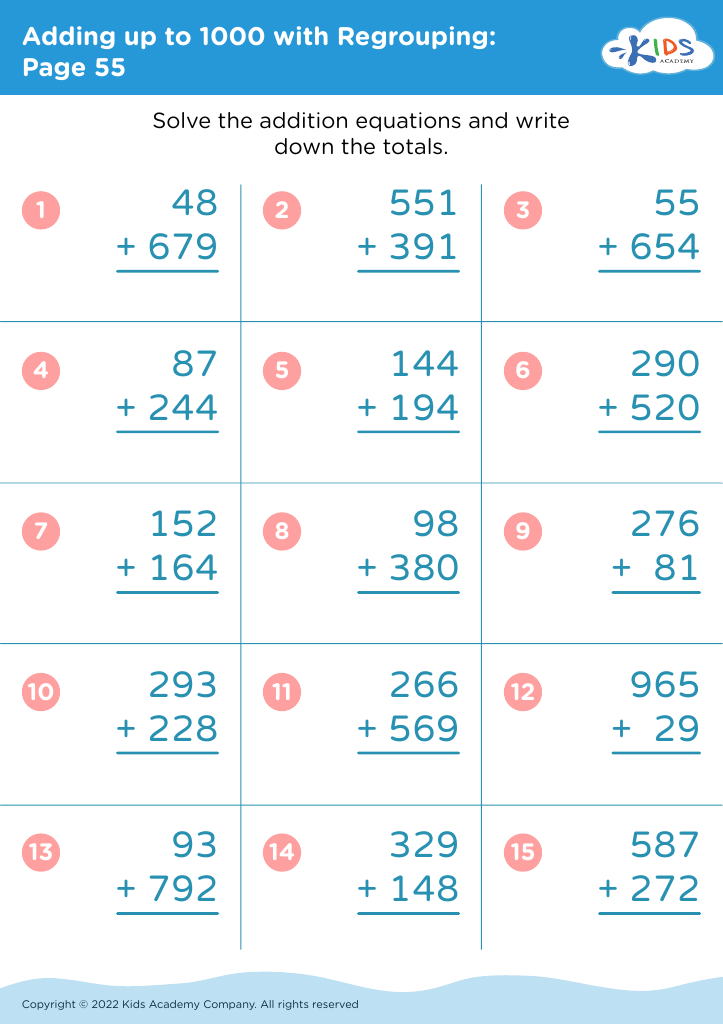
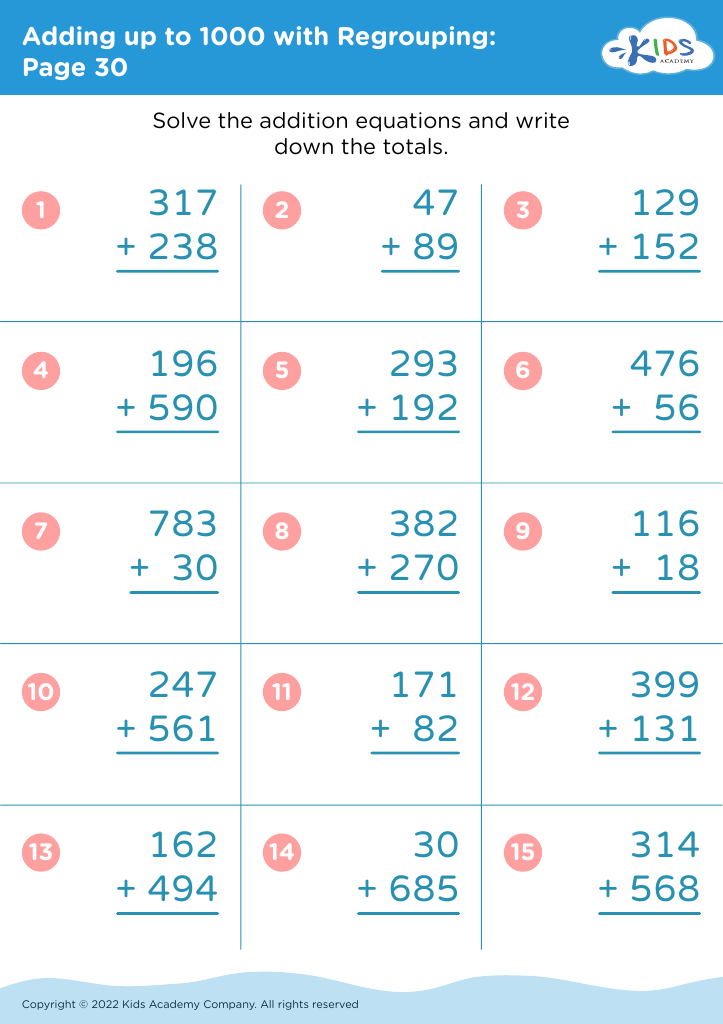
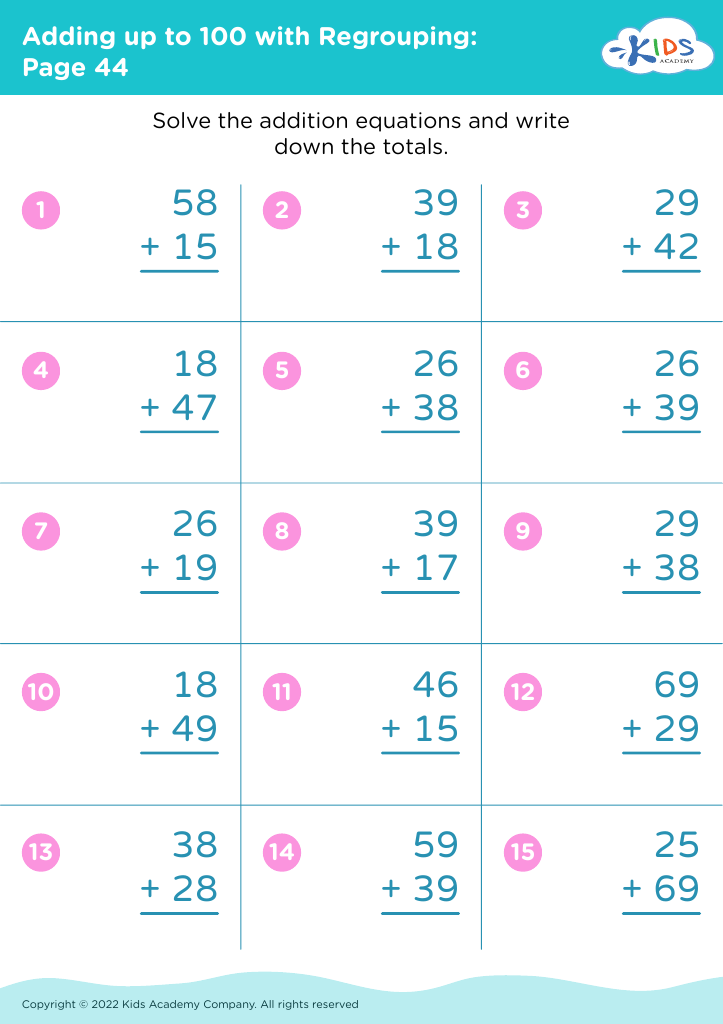
Unlock your child's potential with our "Enhancing Creativity Addition & Subtraction Worksheets for Ages 4-8". Designed by educational experts, these engaging worksheets seamlessly blend fun and learning, fostering creativity and mathematical skills. Through colorful, interactive activities, children can practice addition and subtraction while simultaneously boosting their problem-solving abilities and inventive thinking. Perfect for young learners, our worksheets cater to individual needs, ensuring that every child feels challenged yet excited about learning. Equip your kids with the tools for academic success and unleash their imagination. Visit Kids Academy and ignite the joy of mathematics for your little ones!
Favorites
With answer key
Interactive
Join Kids Academy for Free
Who is primarily going to use this learning content?








Enhancing creativity in addition and subtraction for children aged 4-8 is crucial for nurturing numeracy skills and fostering a lifelong love for learning. At this formative age, young minds are incredibly receptive, and blending creativity with mathematics can make the learning process enjoyable and effective. When parents and teachers incorporate creative methods, such as using story problems, manipulatives, games, and imaginative scenarios, children are more likely to engage actively and develop a deeper understanding of mathematical concepts.
Additionally, creativity helps children think critically and approach problem-solving in innovative ways. By encouraging creative thinking, we shift their focus from rote memorization to understanding the 'why' and 'how' behind mathematical operations. This solidifies their foundational knowledge, making them more adept at tackling complex mathematical concepts in the future.
Moreover, creative addition and subtraction activities can align with various learning styles, ensuring that visual, auditory, and kinesthetic learners all find accessible and enjoyable ways to grasp the material. This inclusion helps to build confidence and reduces anxiety related to math.
In sum, prioritizing creative approaches to addition and subtraction ensures these essential skills are taught in a manner that children find both captivating and comprehensive, laying a robust foundation for their overall academic progression.








