Welcome to our engaging collection of Fraction Comparison Addition and Subtraction Worksheets designed for children ages 4-8! These interactive worksheets are tailored to foster essential math skills, focusing on comparing fractions, along with addition and subtraction activities. Children will enjoy colorful visuals and fun exercises that make learning fractions enjoyable. Our thoughtfully created resources help young learners understand fraction concepts and improve their problem-solving abilities. Perfect for both classroom and home use, these worksheets support early math education and build a strong foundation for future learning. Start your child's journey to mathematical confidence today!
Check out this FREE Trial Lesson on Addition & Subtraction for age 4-8!

T

Favorites
With answer key
Interactive
  • 4-8
  • Fraction comparison
  • Addition & Subtraction
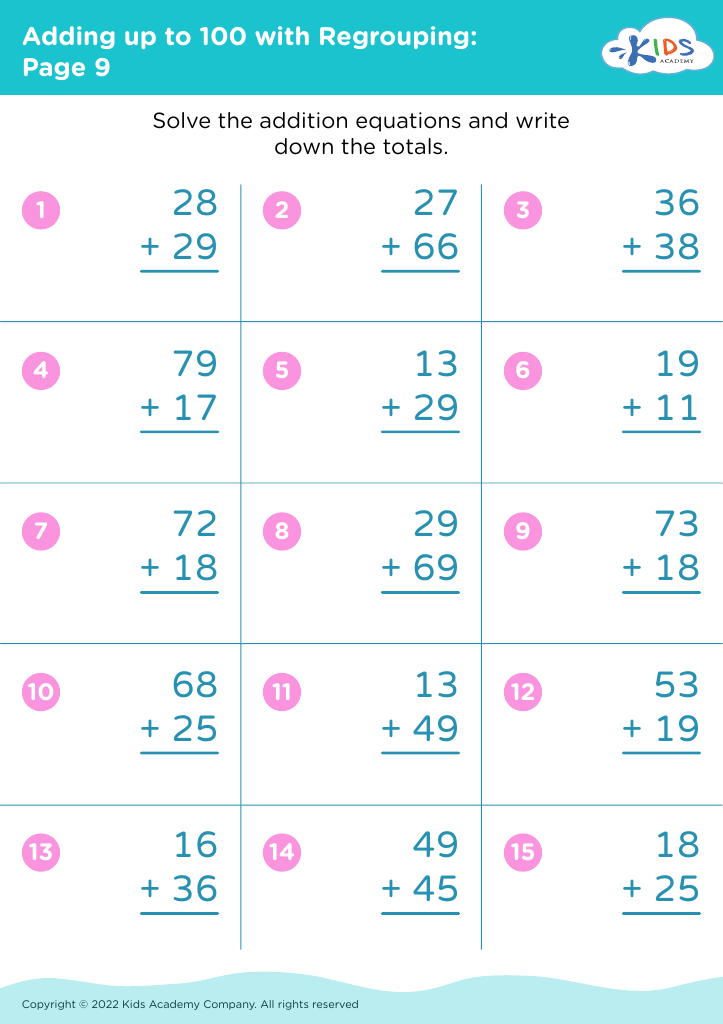
Adding up to 100 with Regrouping: Page 9
Worksheet
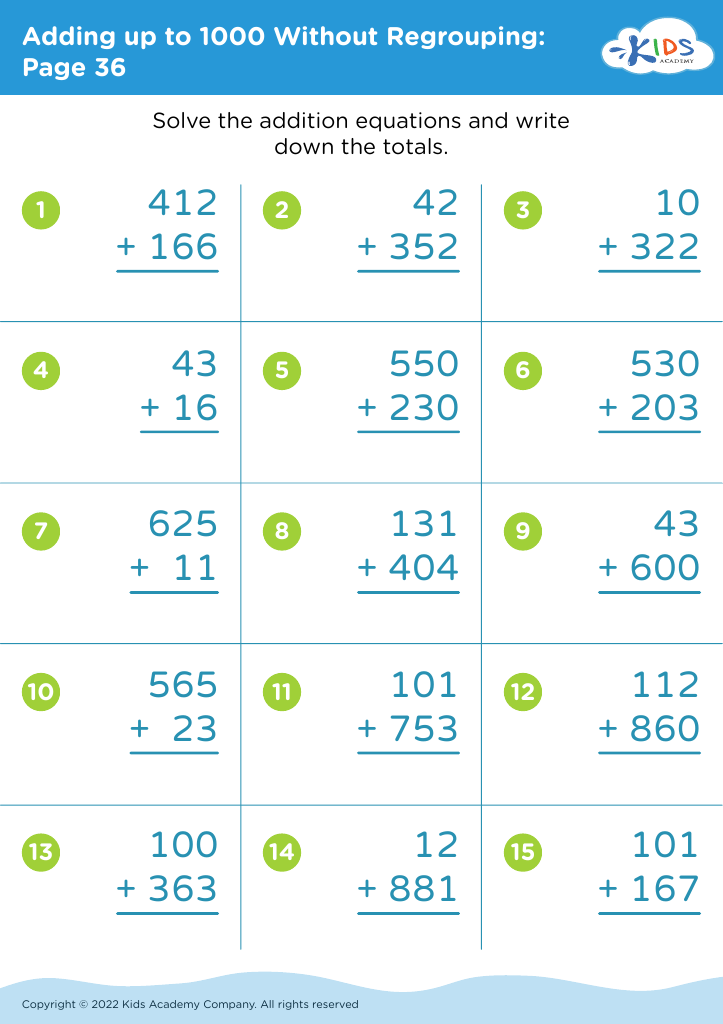
Adding up to 1000 Without Regrouping: Page 36
Worksheet
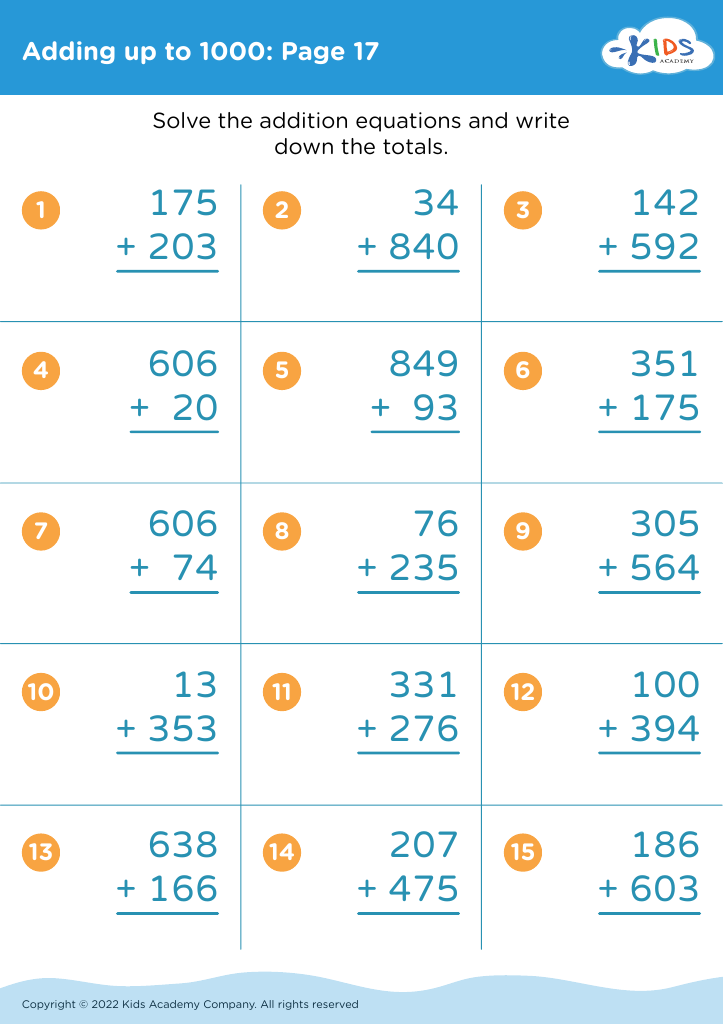
Adding up to 1000: Page 17

Adding up to 1000: Page 17

Adding up to 1000: Page 17
Worksheet
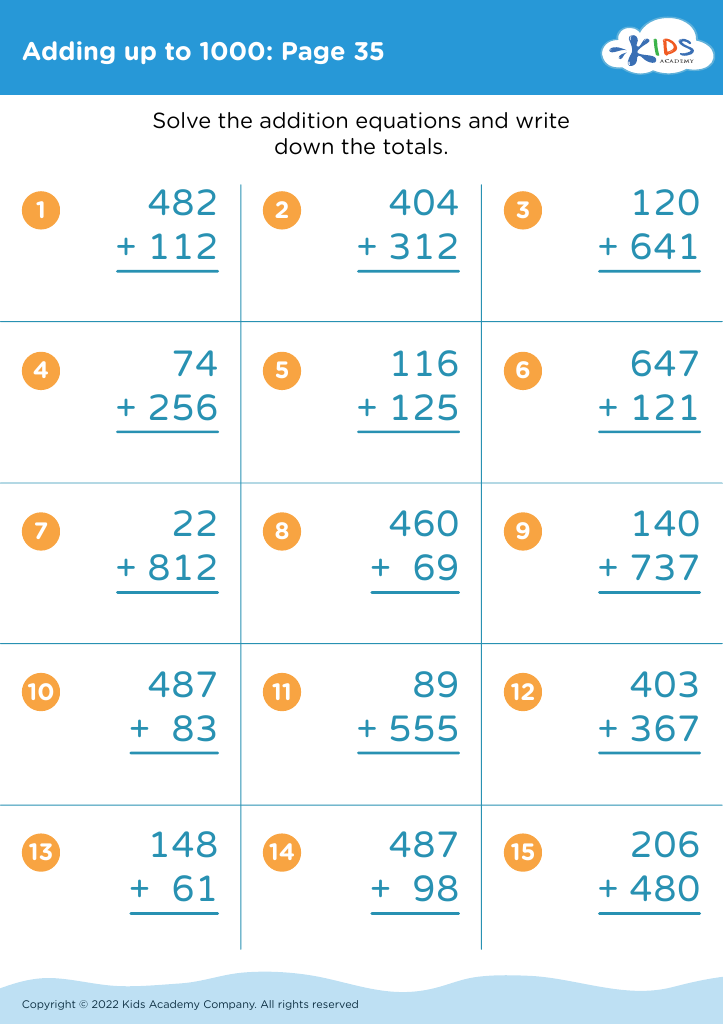
Adding up to 1000: Page 35

Adding up to 1000: Page 35

Adding up to 1000: Page 35
Worksheet
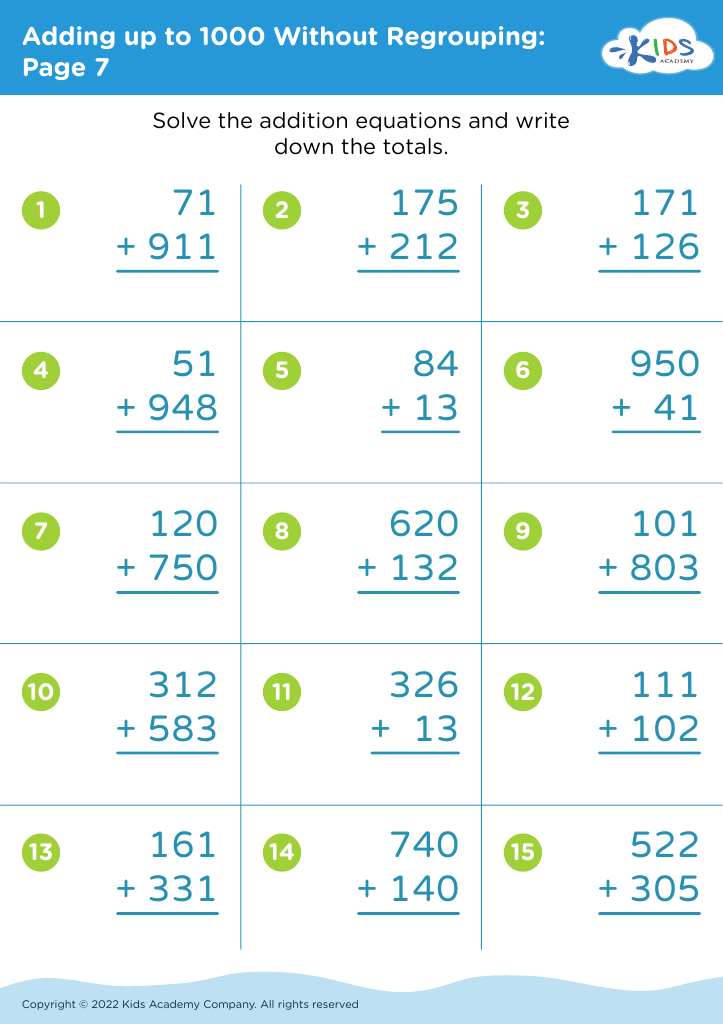
Adding up to 1000 Without Regrouping: Page 7
Worksheet
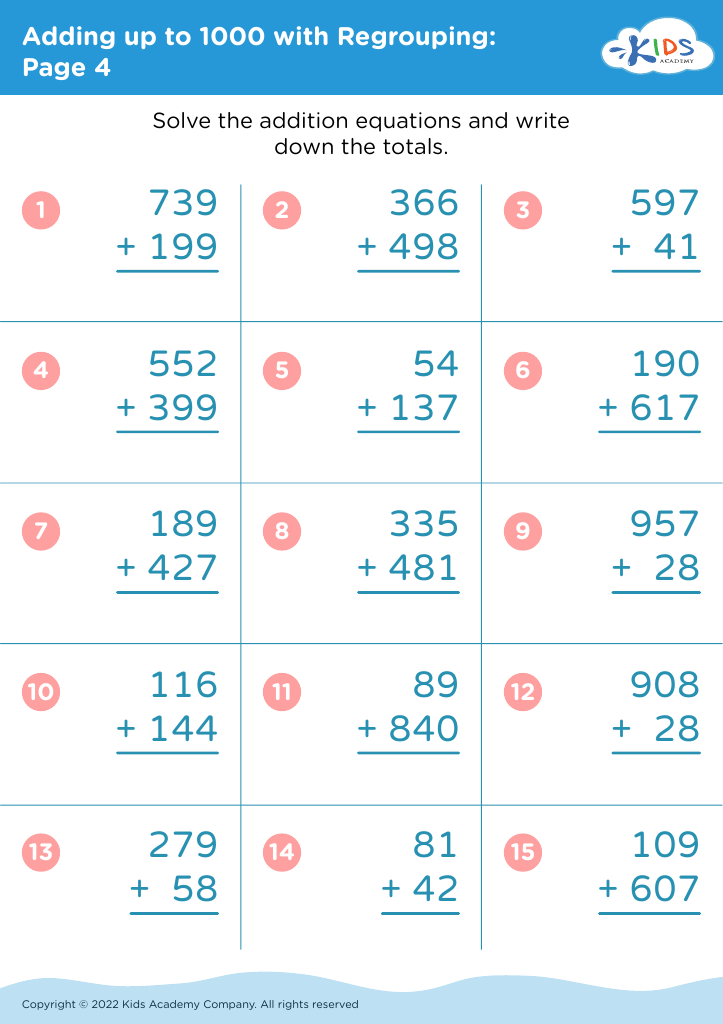
Adding up to 1000 with Regrouping: Page 4
Worksheet
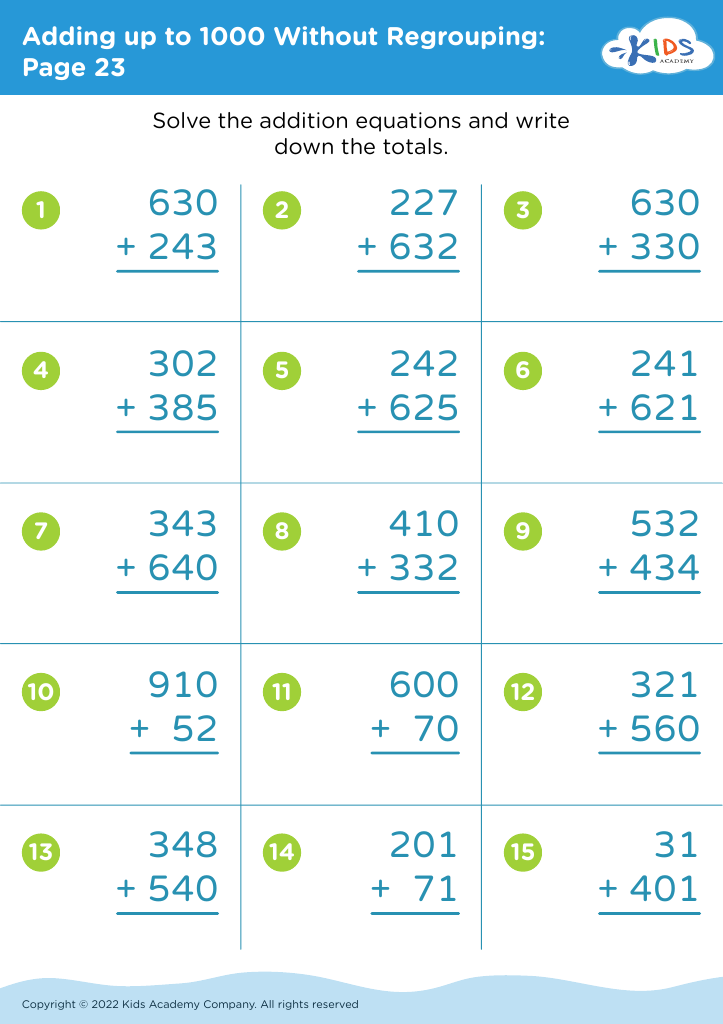
Adding up to 1000 Without Regrouping: Page 23
Worksheet
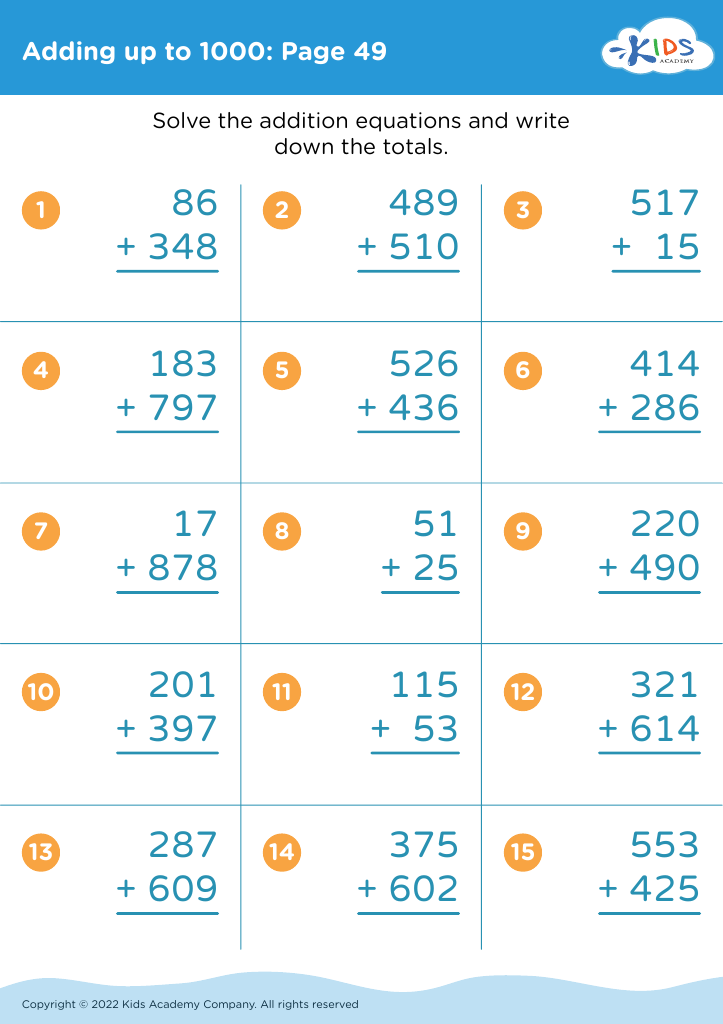
Adding up to 1000: Page 49

Adding up to 1000: Page 49

Adding up to 1000: Page 49
Worksheet
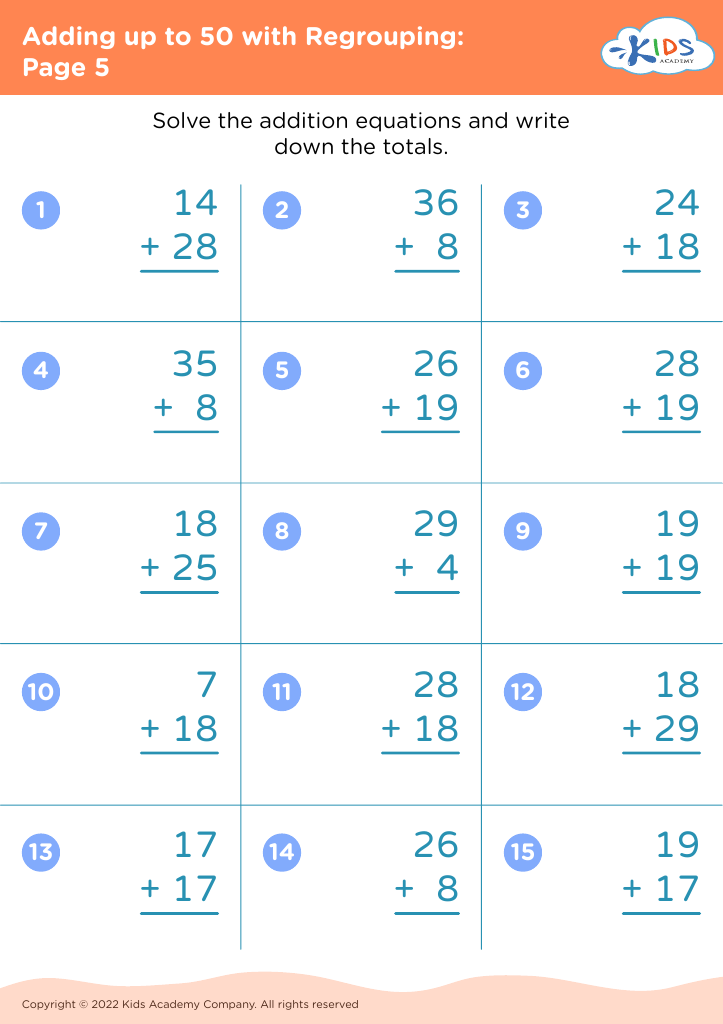
Adding up to 50 with Regrouping: Page 5
Worksheet
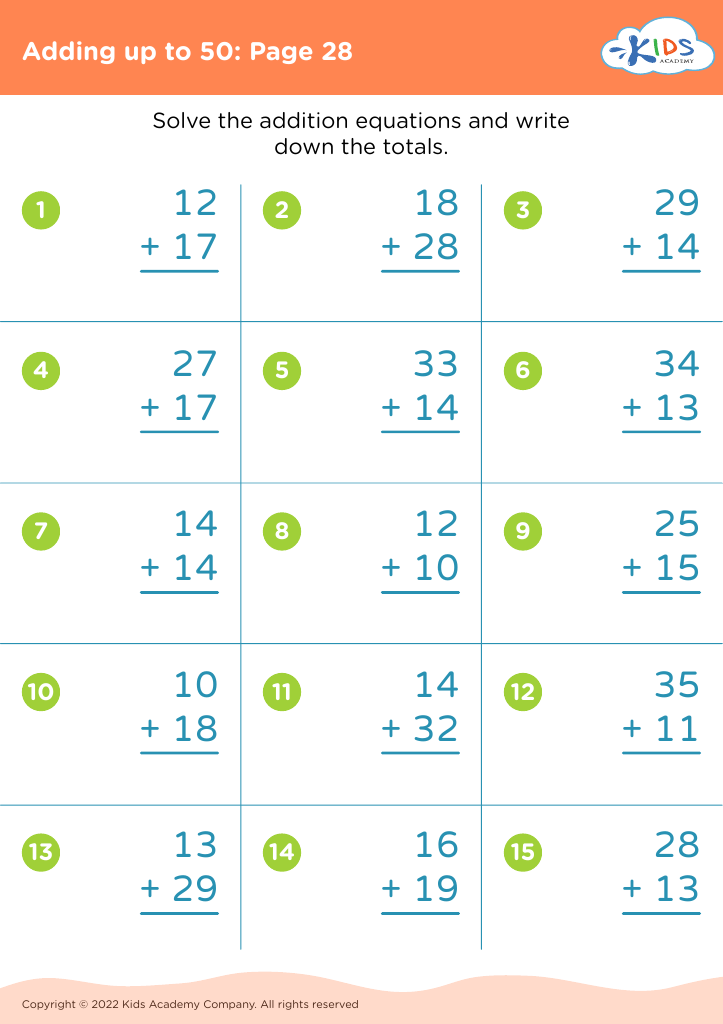
Adding up to 50: Page 28

Adding up to 50: Page 28

Adding up to 50: Page 28
Worksheet
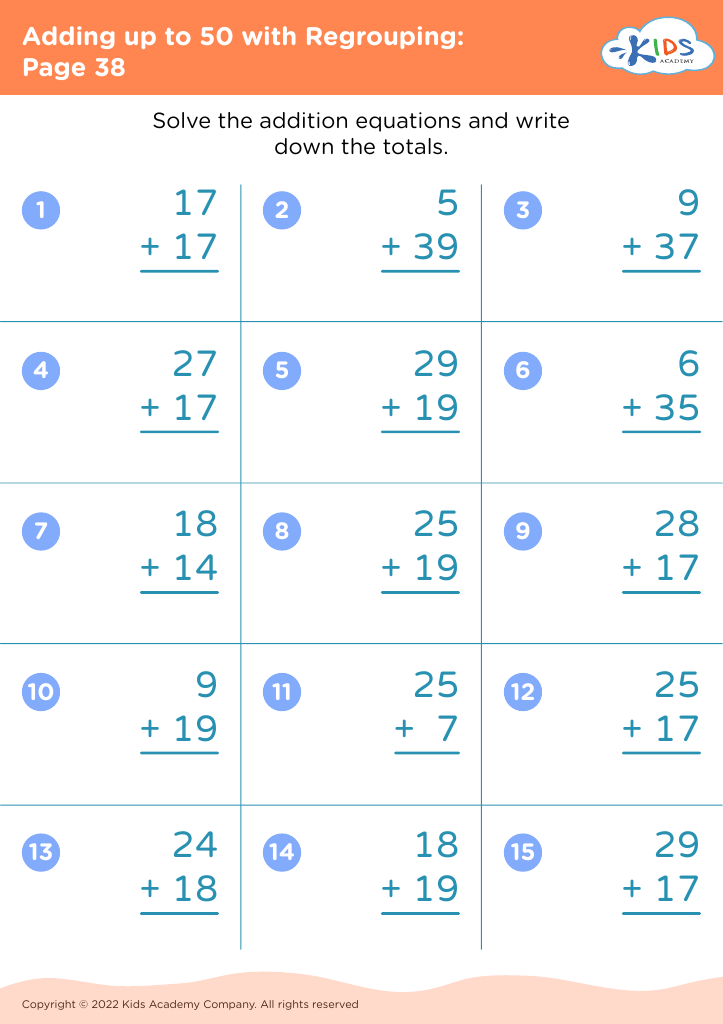
Adding up to 50 with Regrouping: Page 38
Worksheet
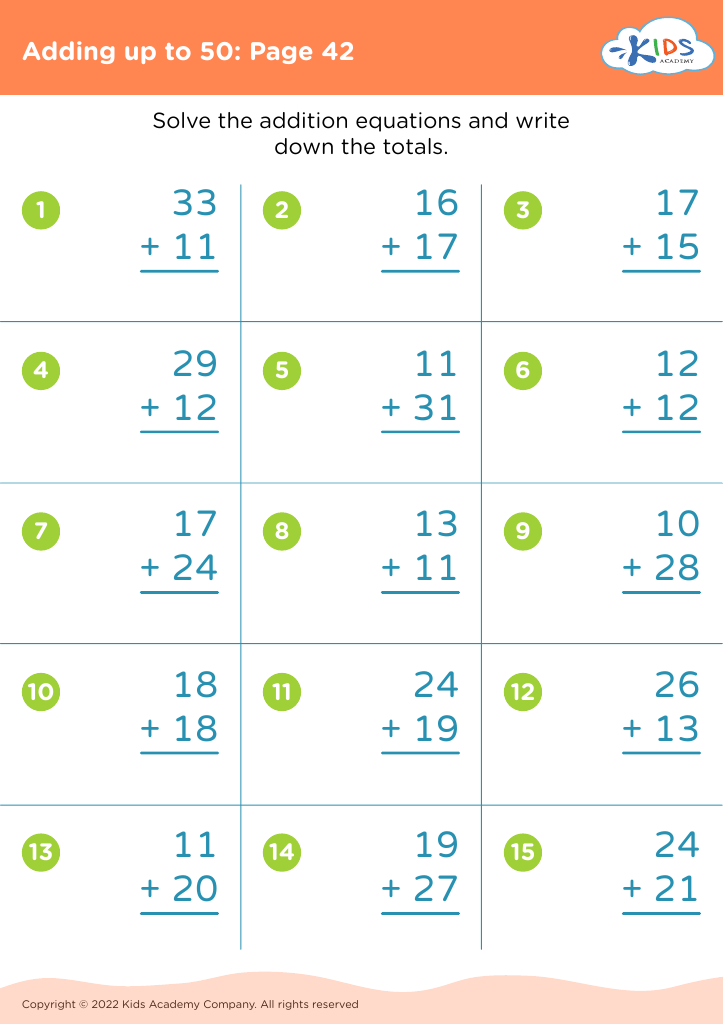
Adding up to 50: Page 42

Adding up to 50: Page 42

Adding up to 50: Page 42
Worksheet
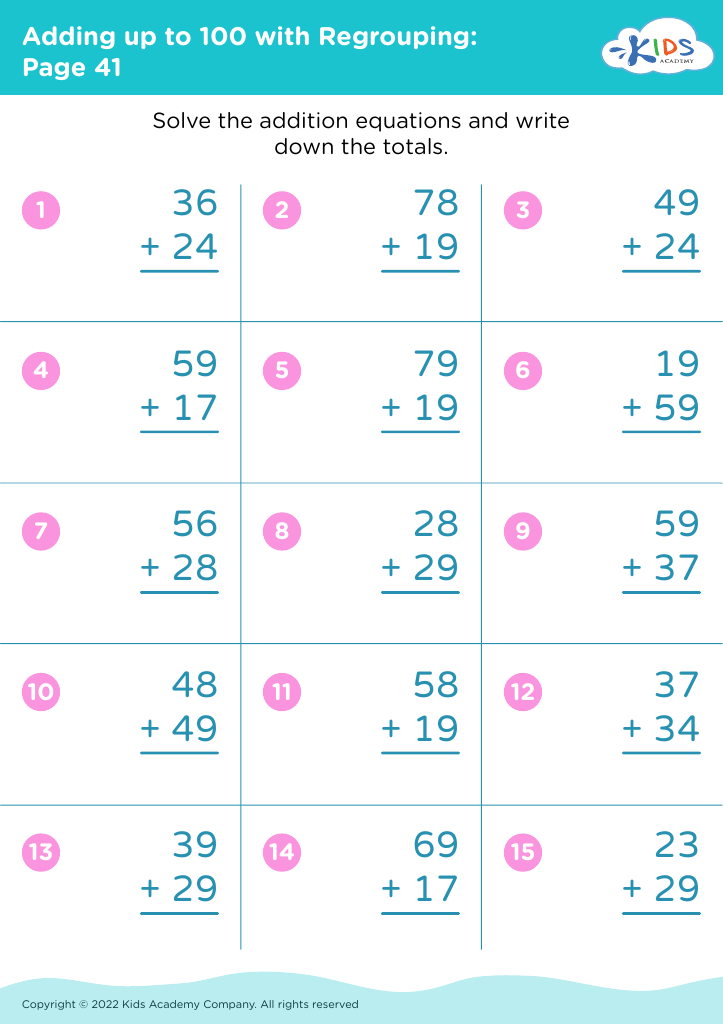
Adding up to 100 with Regrouping: Page 41
Worksheet
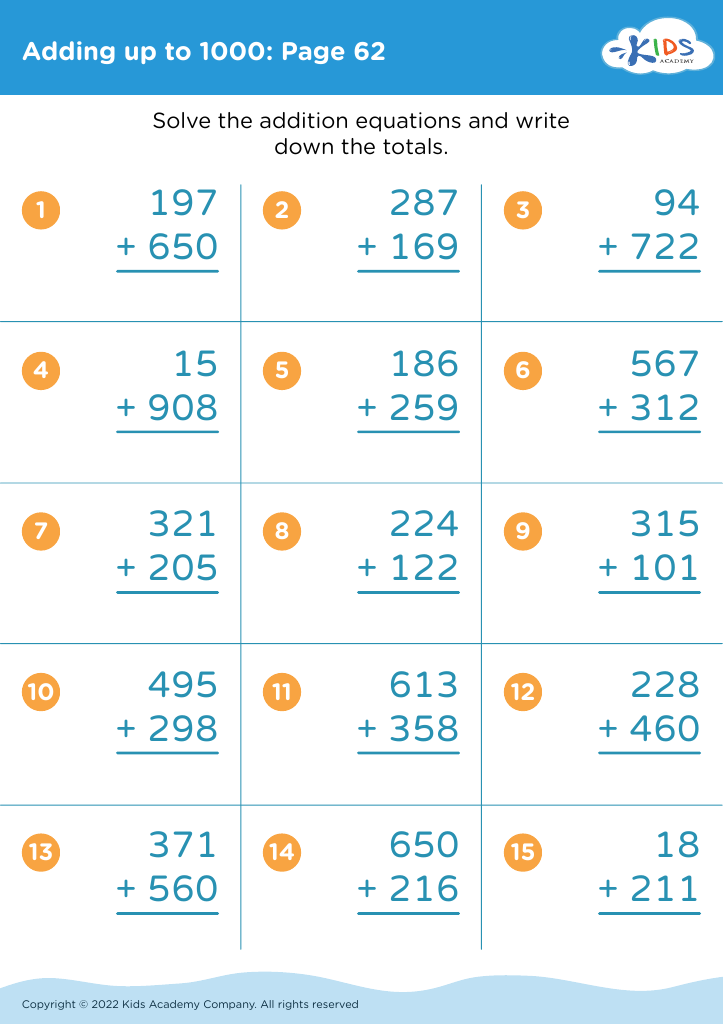
Adding up to 1000: Page 62

Adding up to 1000: Page 62

Adding up to 1000: Page 62
Worksheet
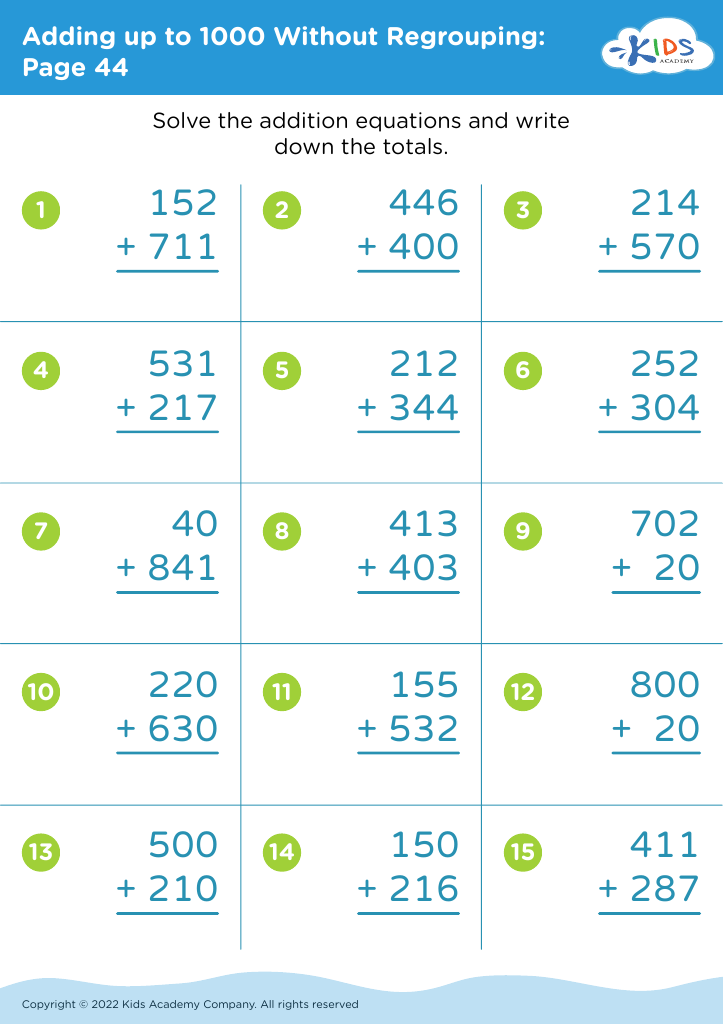
Adding up to 1000 Without Regrouping: Page 44
Worksheet
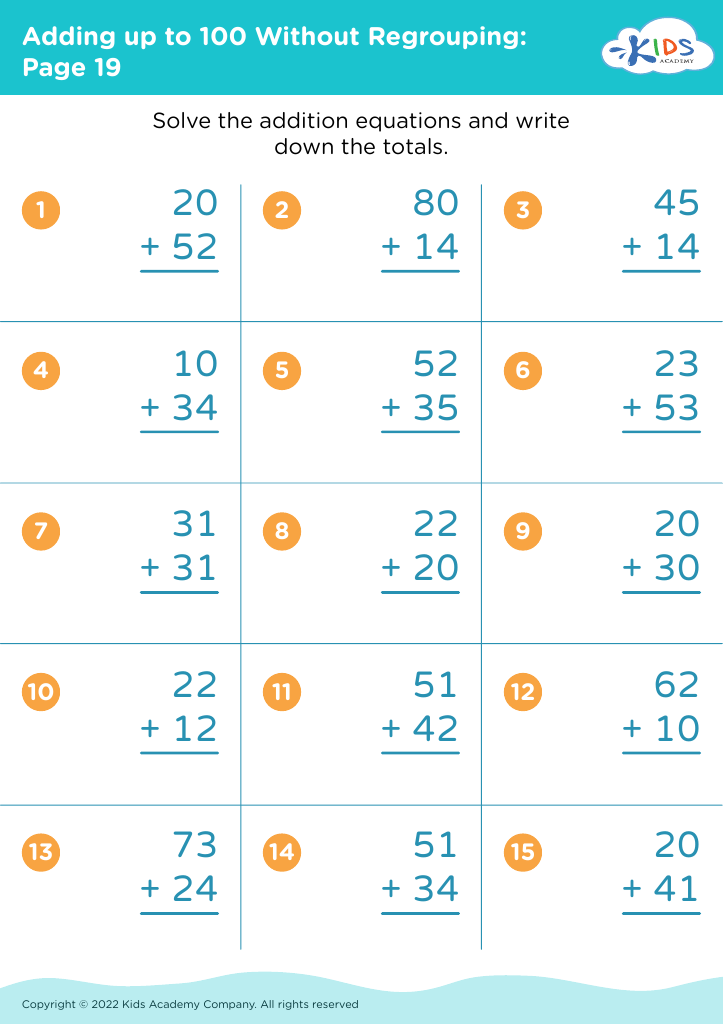
Adding up to 100 Without Regrouping: Page 19
Worksheet
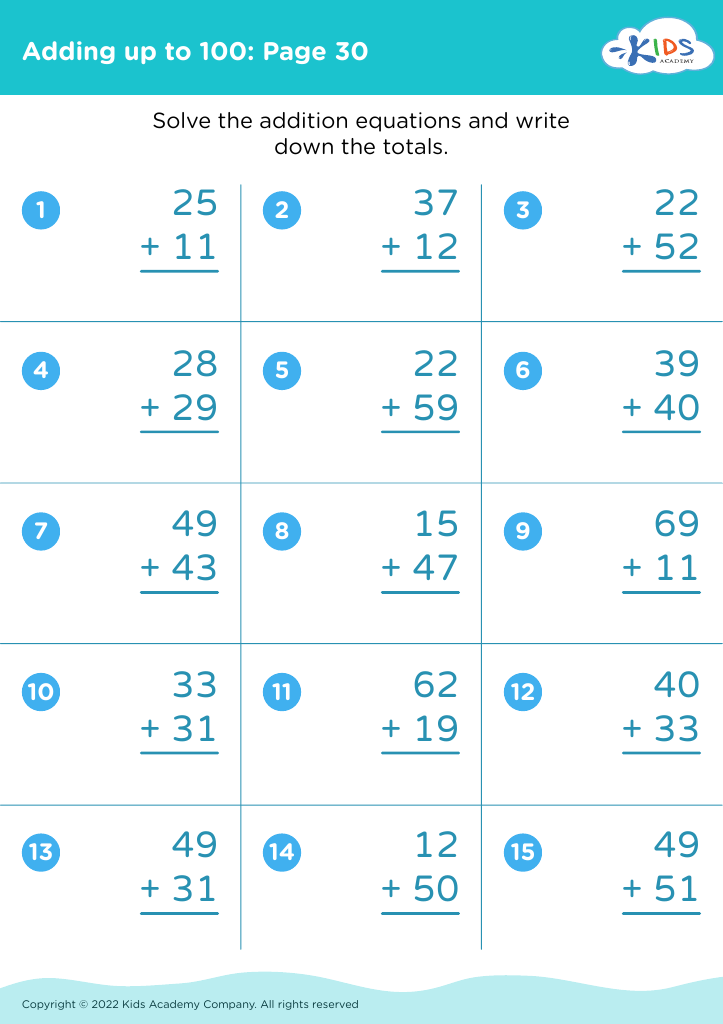
Adding up to 100: Page 30

Adding up to 100: Page 30

Adding up to 100: Page 30
Worksheet
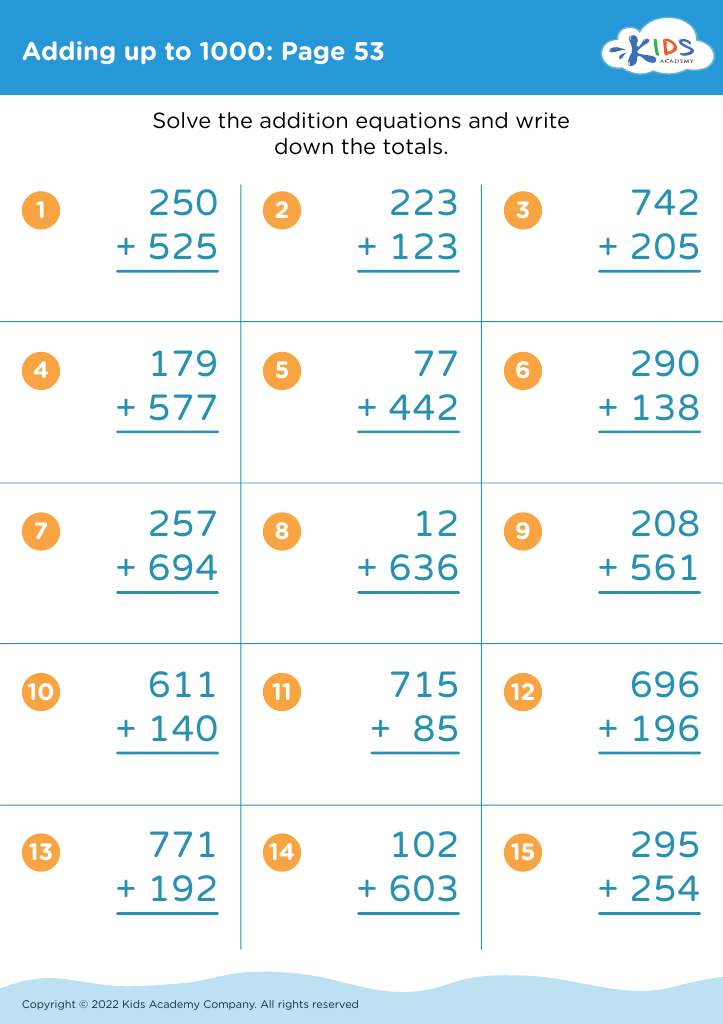
Adding up to 1000: Page 53

Adding up to 1000: Page 53

Adding up to 1000: Page 53
Worksheet
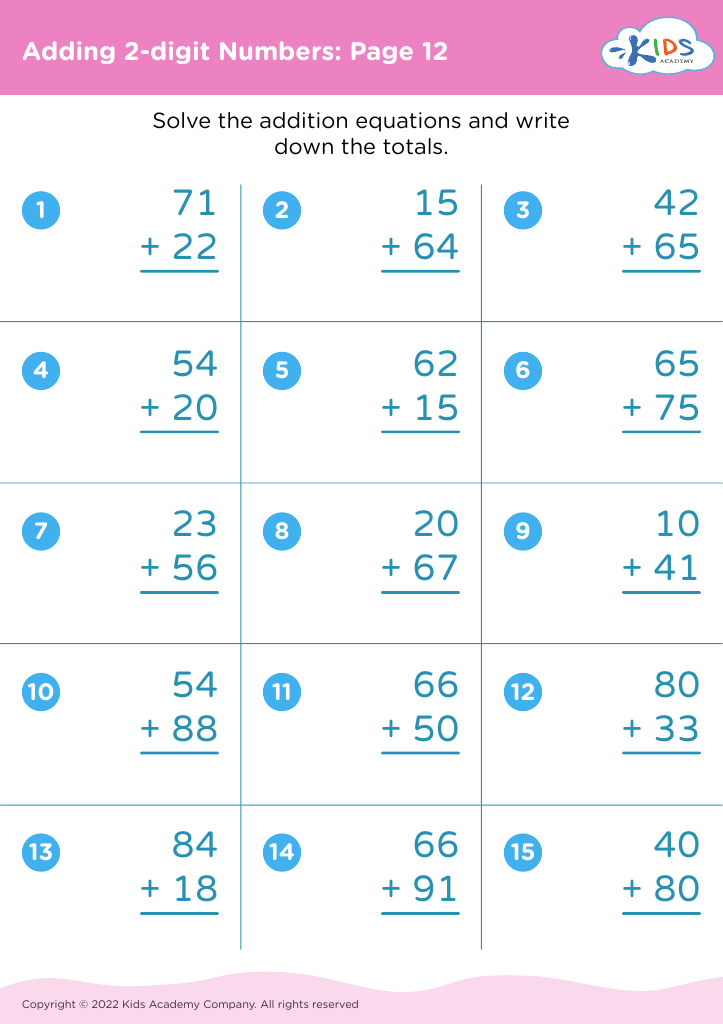
Adding 2-digit Numbers: Page 12

Adding 2-digit Numbers: Page 12

Adding 2-digit Numbers: Page 12
Worksheet
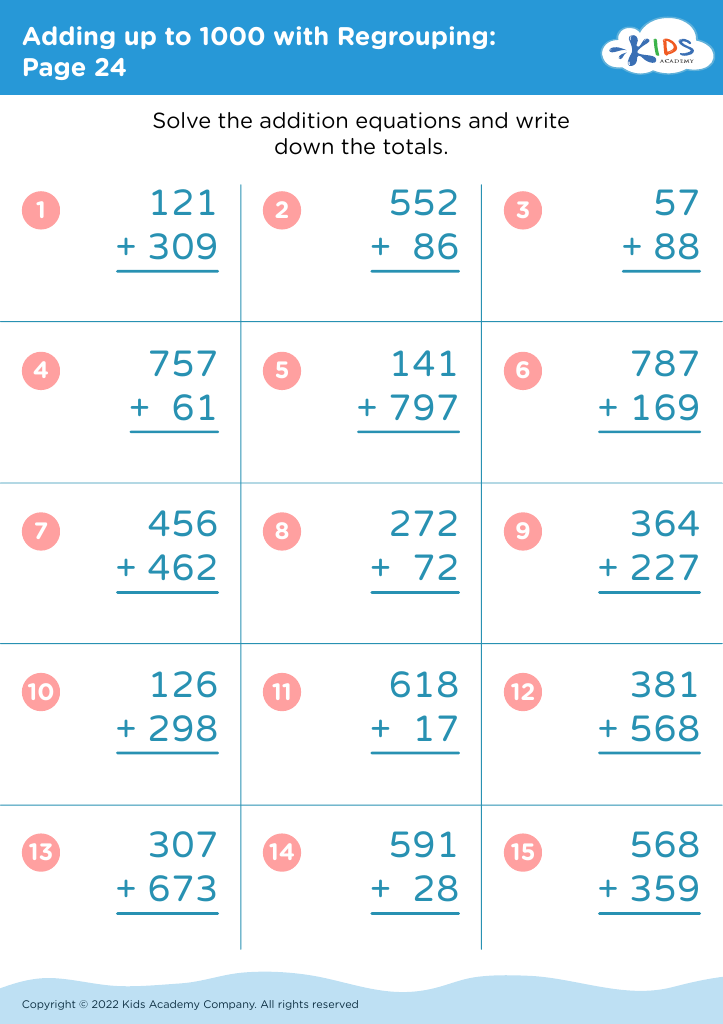
Adding up to 1000 with Regrouping: Page 24
Worksheet
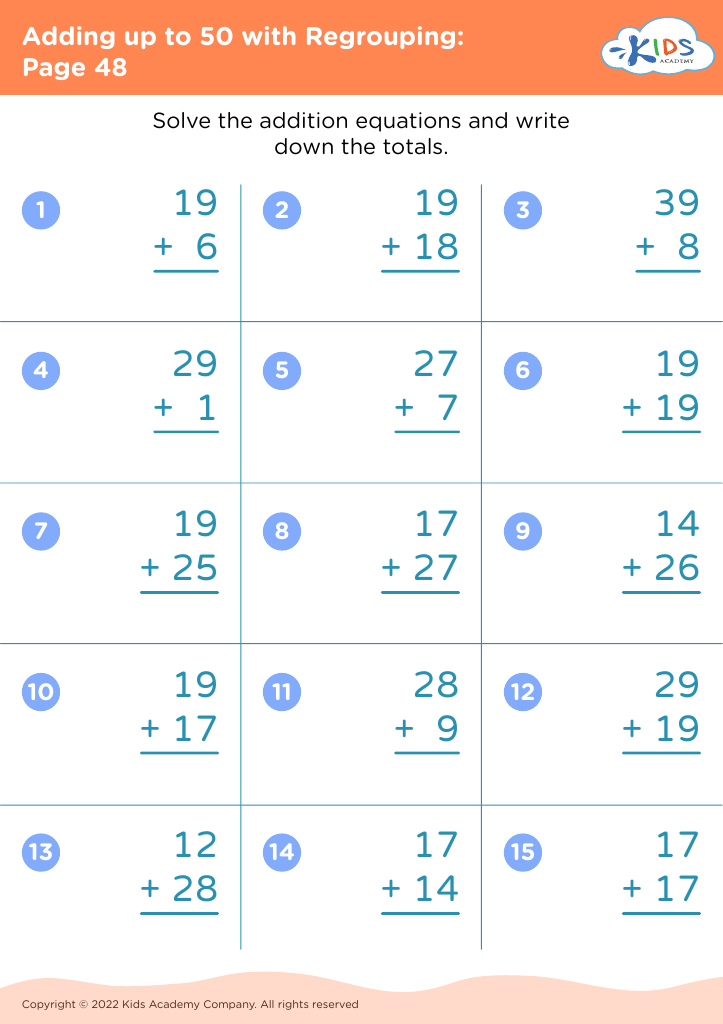
Adding up to 50 with Regrouping: Page 48
Worksheet
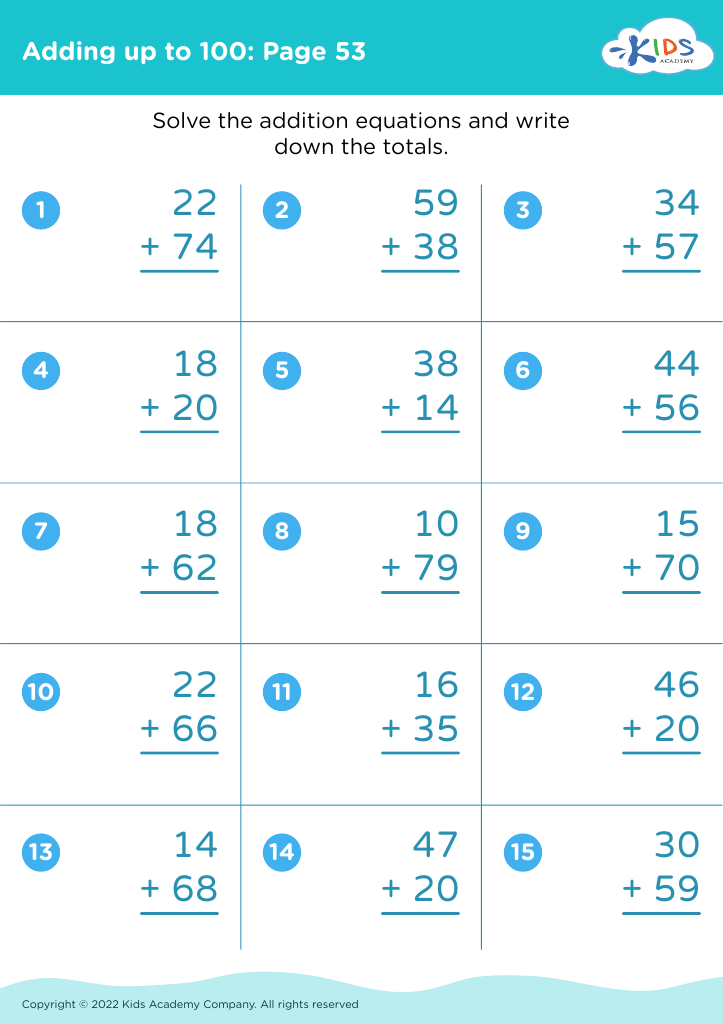
Adding up to 100: Page 53

Adding up to 100: Page 53

Adding up to 100: Page 53
Worksheet
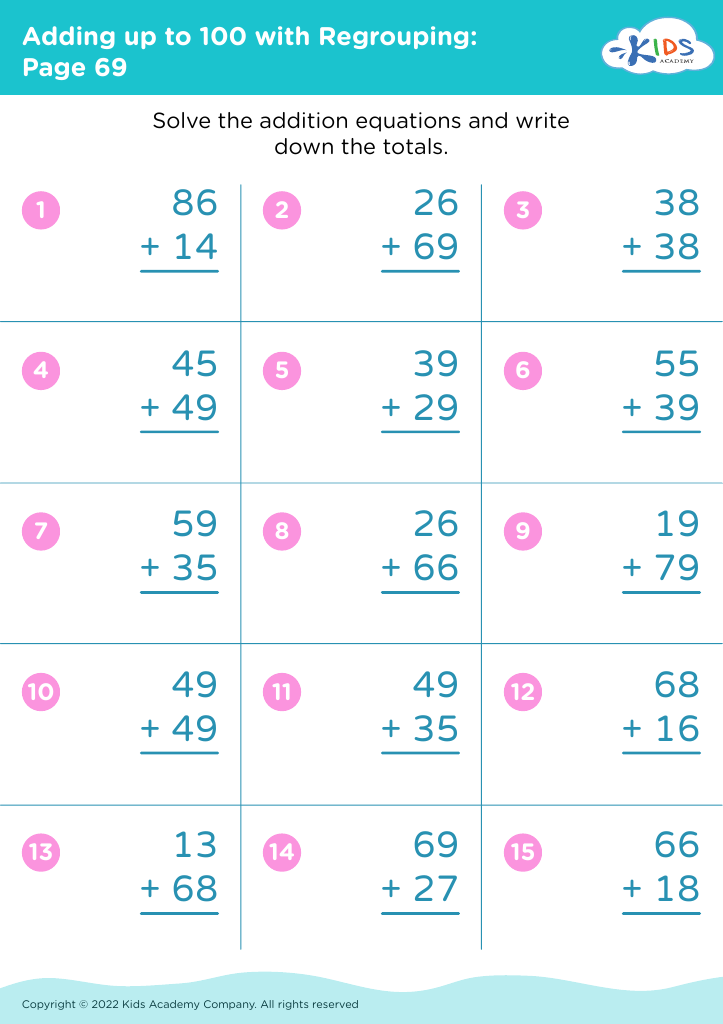
Adding up to 100 with Regrouping: Page 69
Worksheet
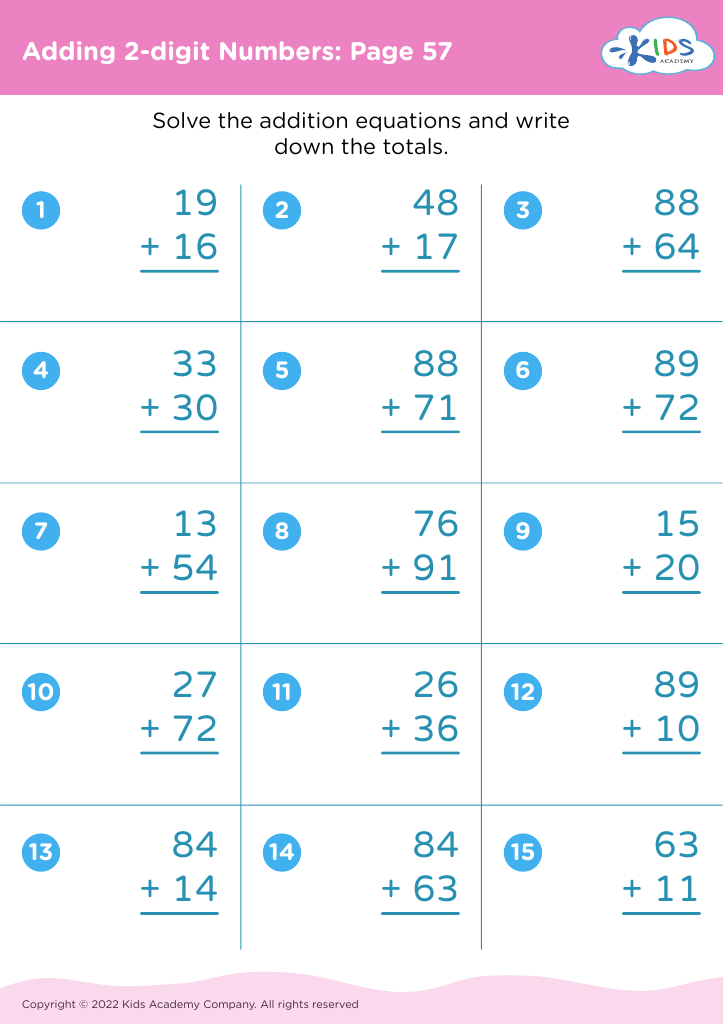
Adding 2-digit Numbers: Page 57

Adding 2-digit Numbers: Page 57

Adding 2-digit Numbers: Page 57
Worksheet


Parents and teachers should prioritize teaching fraction comparison, addition, and subtraction to children aged 4-8 for several important reasons. Firstly, understanding fractions lays a strong foundational skill in mathematics, enhancing their ability to engage with more complex concepts in later years. Fractions teach children about parts of a whole, fostering early numerical literacy.

Secondly, introducing these concepts at an early age reinforces critical thinking and problem-solving skills. As children learn to compare fractions, they develop the ability to analyze and apply logical reasoning, which benefits them beyond math and into everyday decision-making.

Moreover, incorporating activities that involve fraction comparison, addition, and subtraction makes learning interactive and enjoyable. Games and hands-on activities allow children to grasp abstract concepts in a tangible way.

Furthermore, these concepts foster collaboration and communication among peers as children discuss strategies and reasoning. Building a strong mathematical foundation in early education instills confidence and a positive attitude towards mathematics, which can influence their attitudes towards STEM subjects in the future. Ultimately, by focusing on fraction skills, parents and teachers equip children with essential life skills that will serve them well throughout their educational journey and beyond.