Improve reading skills Addition & Subtraction Worksheets for Ages 4-8 - Page 2
29 filtered results
-
From - To
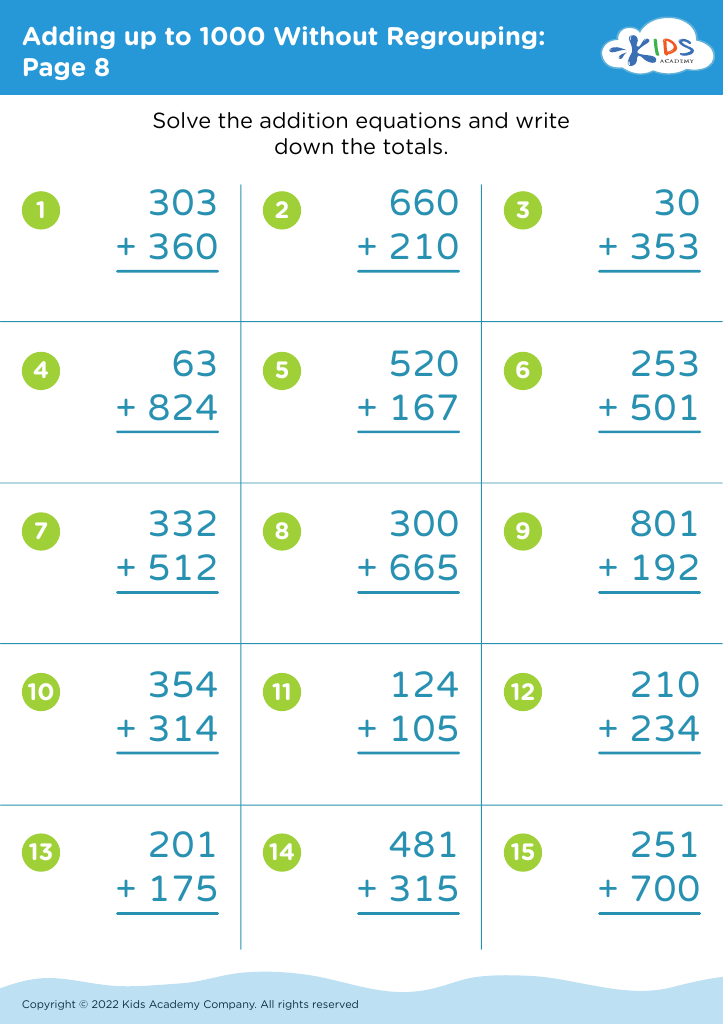
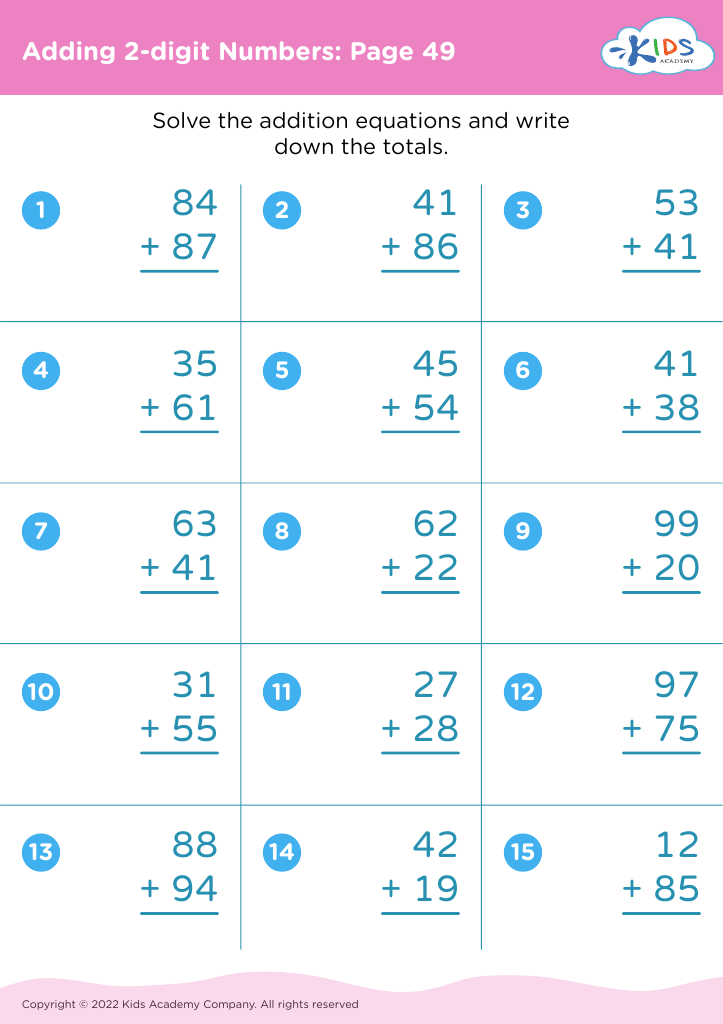
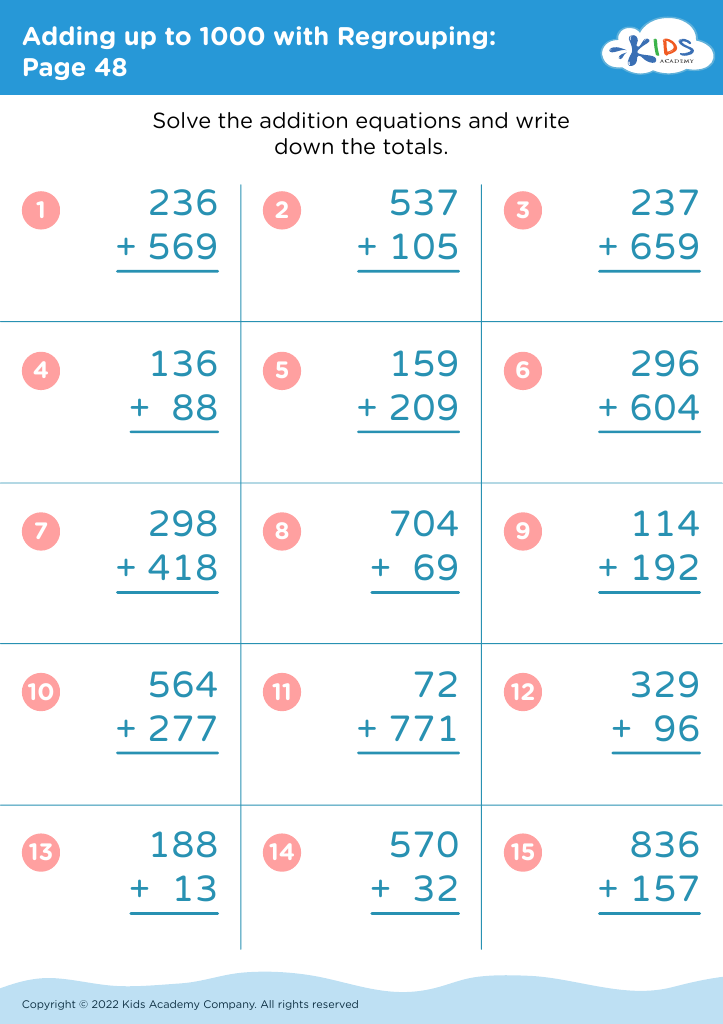
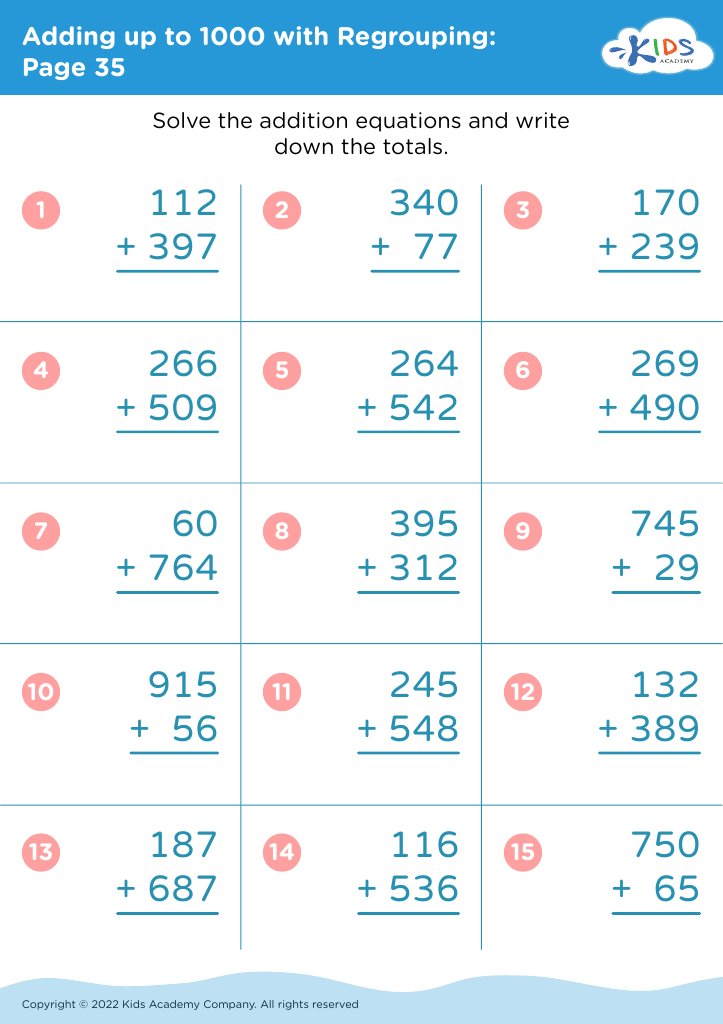
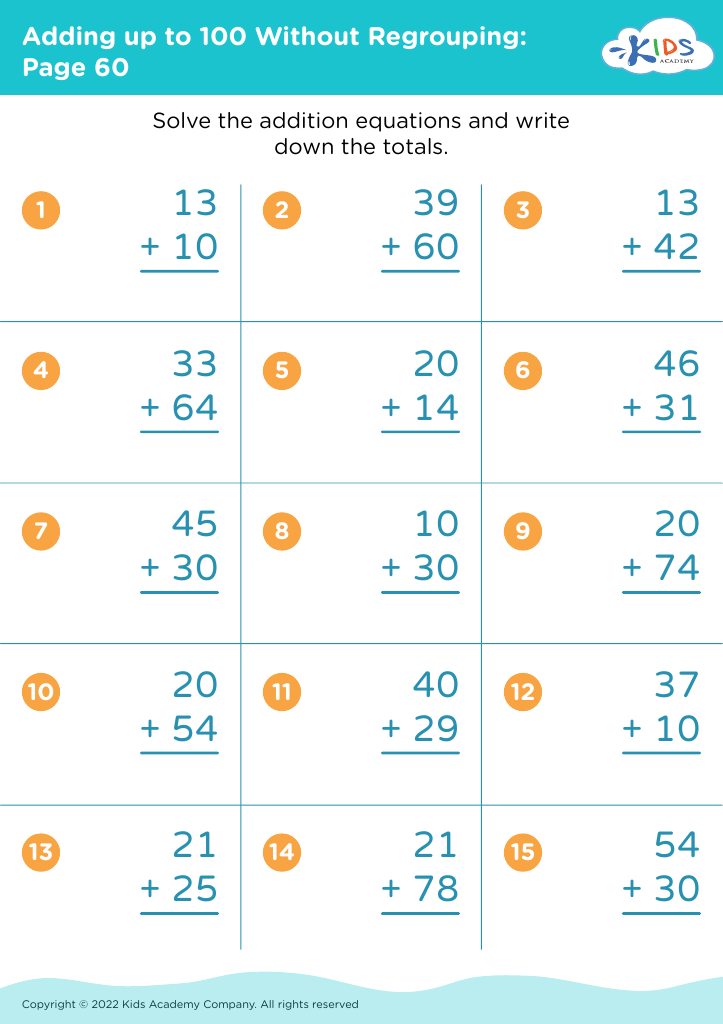







Parents and teachers should prioritize improving reading and fundamental math skills, like addition and subtraction, for children aged 4-8 due to the critical role these skills play in overall academic and cognitive development. Early reading skills not only foster a love for books but also enhance vocabulary and comprehension, essential for future learning across subjects. Engaging with stories cultivates imagination and critical thinking, skills that extend well beyond the classroom.
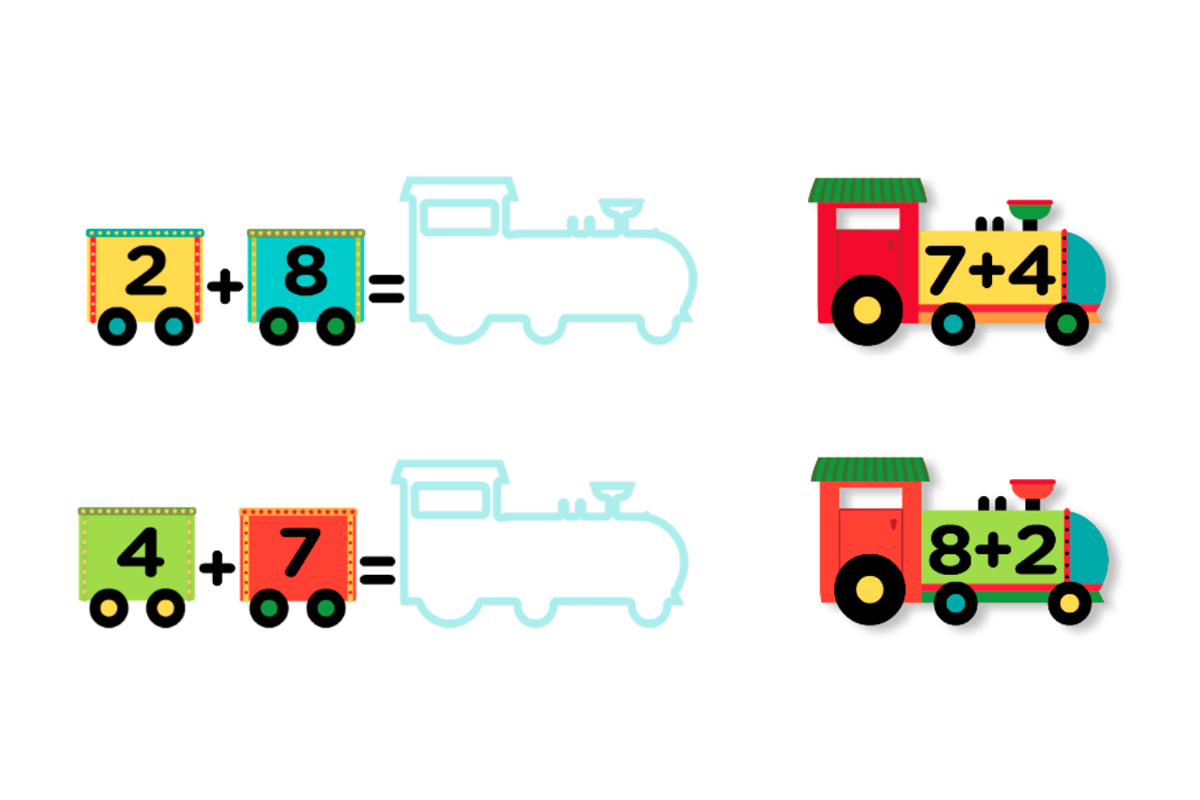
Similarly, mastering basic addition and subtraction lays the groundwork for all future math learning. Early math competency can boost confidence, encouraging children to embrace more complex concepts as they progress. Additionally, these foundational skills help develop problem-solving abilities and analytical thinking.
Both reading and math proficiency are key indicators of later academic success. Children who struggle at these early stages may find larger gaps in education, leading to disengagement and a lack of motivation. By focusing on these skills at a crucial developmental stage, parents and teachers can set children up for a successful educational journey. Active involvement in their learning fosters a supportive environment, helping children navigate both academic challenges and a more profound understanding of the world around them.








