Introduction to mathematics Addition & Subtraction Worksheets for Ages 4-8
3 filtered results
-
From - To
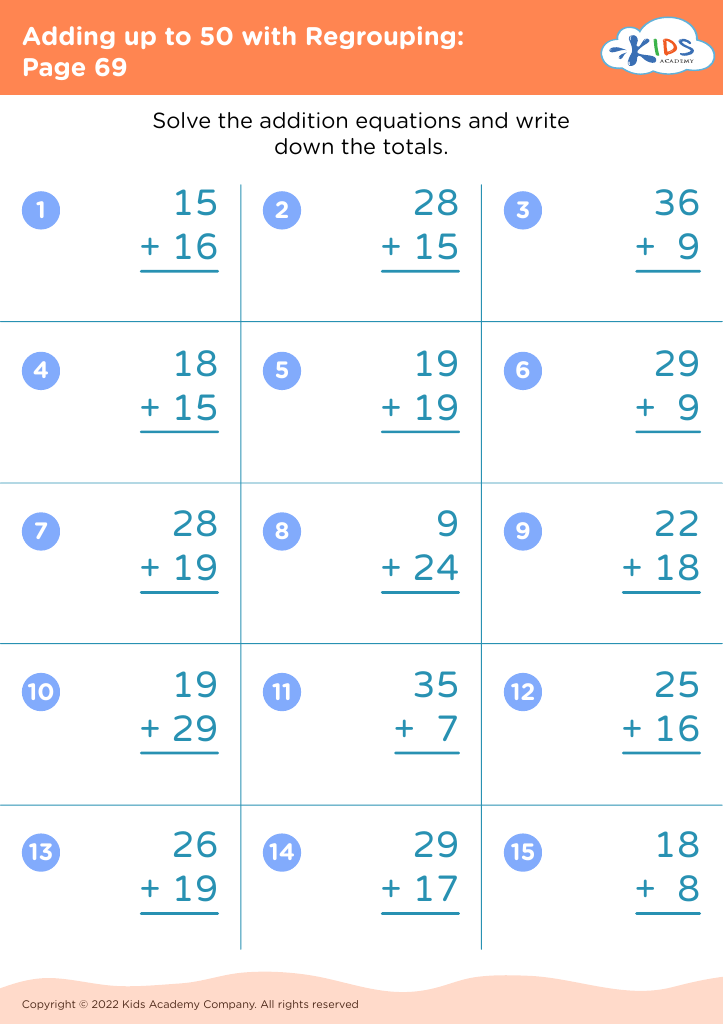
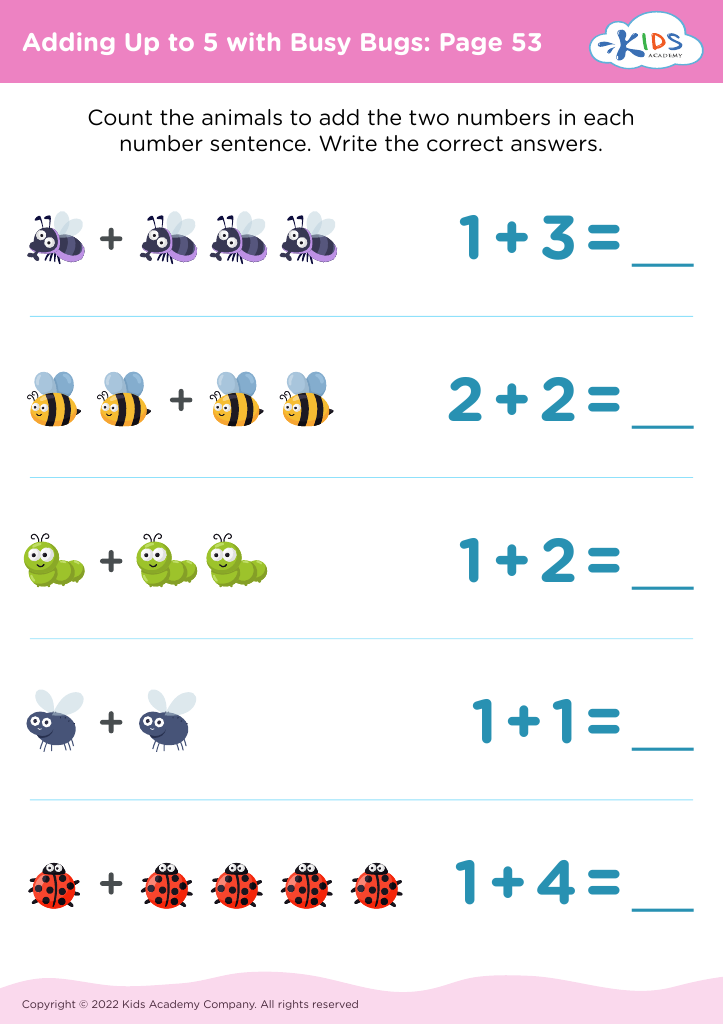
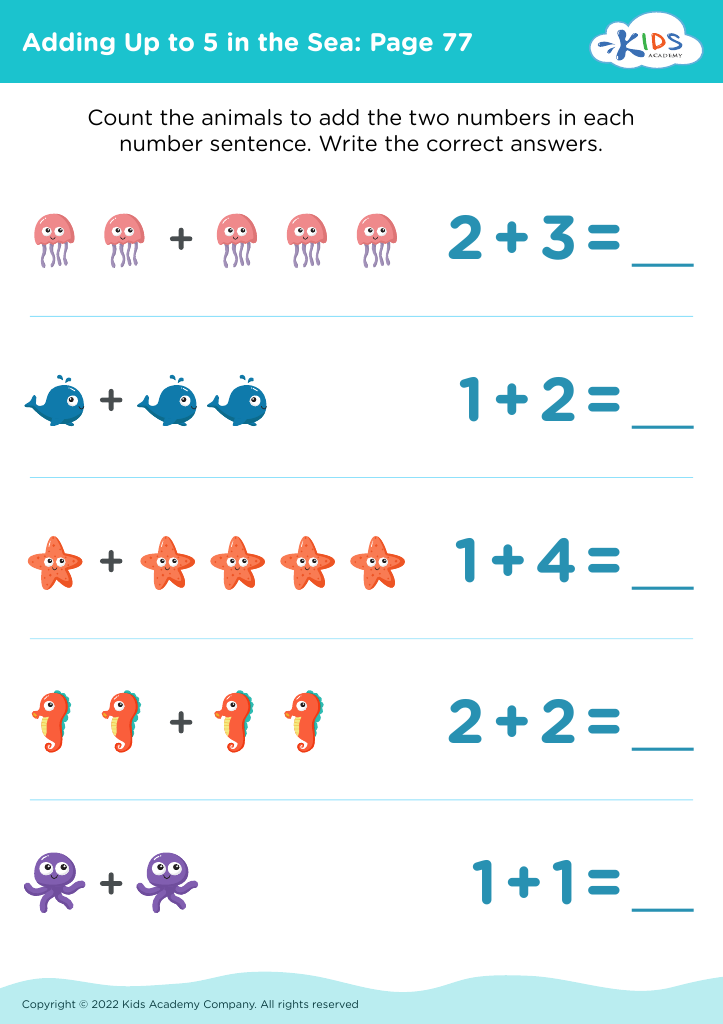
Welcome to our "Introduction to Mathematics: Addition & Subtraction Worksheets" for children ages 4-8! Our engaging worksheets are designed to help young learners build foundational math skills. With a variety of fun and interactive exercises, these materials will introduce your child to the basic concepts of addition and subtraction, enhancing their understanding while making learning enjoyable. Our worksheets align with developmental milestones, ensuring each activity is age-appropriate and beneficial. Whether at home or in the classroom, these resources are perfect for fostering a love of math and instilling confidence in young learners. Dive into the world of numbers today!








Introduction to mathematics, particularly addition and subtraction, is fundamental for children aged 4-8 as it lays the groundwork for their overall academic success and cognitive development. At this age, children are highly receptive to new concepts, and early exposure to math introduces them to critical thinking and problem-solving skills.
Parents and teachers should care about this foundational math instruction because it fosters mathematical fluency and confidence. Mastering addition and subtraction enables children to progress to more complex mathematical operations, ensuring a solid mathematical foundation during their formative years. Early understanding can also enhance children's organizational and analytical skills, essential for everyday life situations and future academic pursuits.
Furthermore, introducing these concepts in engaging and meaningful ways can cultivate a positive attitude toward math and reduce anxiety surrounding the subject. Collaborative learning and interactive play can make addition and subtraction enjoyable, fostering a love of learning.
Finally, incorporating math in early childhood education supports holistic development, as it intertwines with literacy and creativity. Encouraging curiosity and a can-do attitude toward math will serve children well as they navigate both academic and life challenges in the future.








