
Letter recognition Addition & Subtraction Worksheets for Ages 4-8
3 filtered results
Difficulty Level
Grade
Age
-
From - To
Subject
Activity
Standards
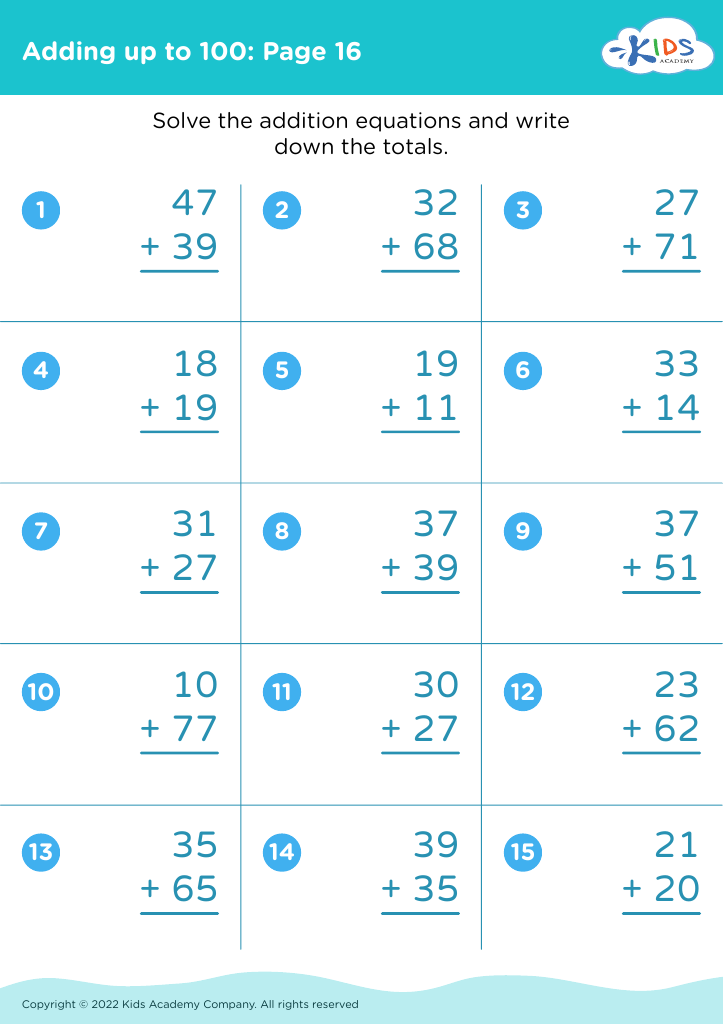
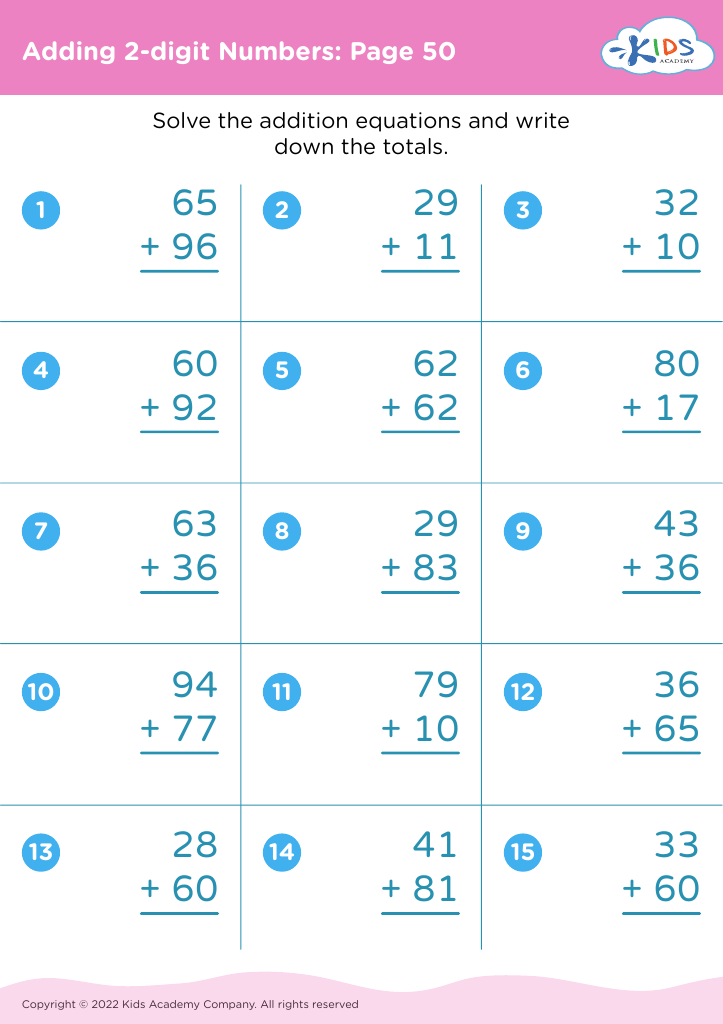
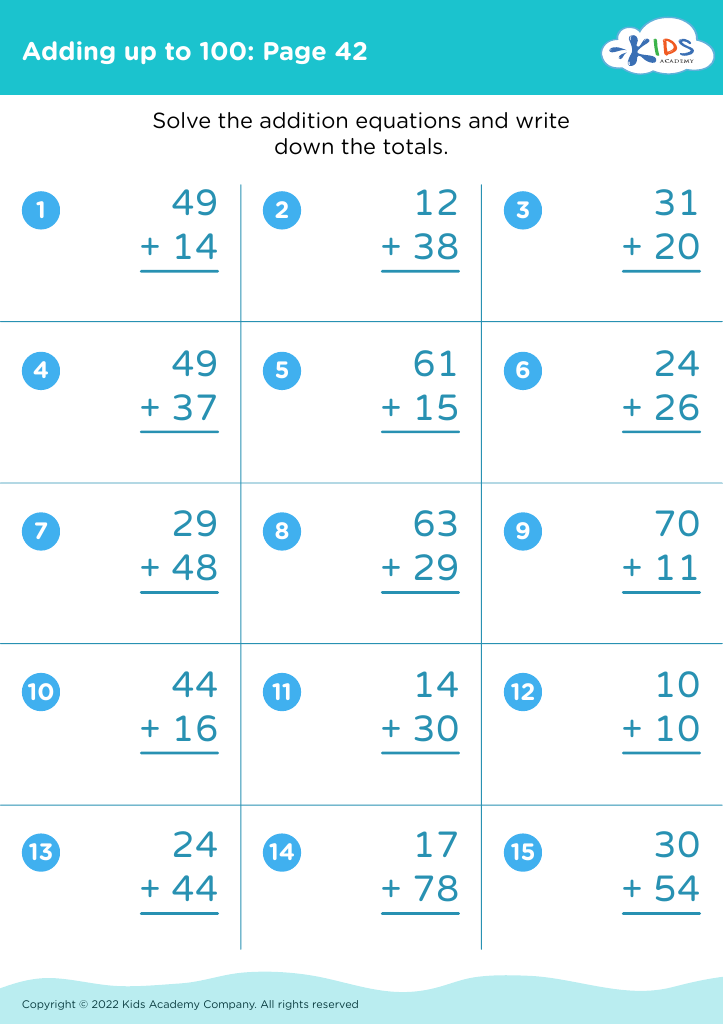
Boost your child's early math and reading skills with our engaging Letter Recognition Addition & Subtraction Worksheets designed for ages 4-8. These printable worksheets from Kids Academy creatively combine letter recognition activities with foundational math exercises, making learning both fun and effective. Young learners will enhance their alphabet knowledge while practicing addition and subtraction, building a strong educational base. Perfect for parents and teachers looking to support preschool to early elementary students, our worksheet collection helps children develop essential skills in a playful, visually stimulating way. Discover the perfect blend of literacy and numeracy practice today!
Favorites
With answer key
Interactive
Join Kids Academy for Free
Who is primarily going to use this learning content?








Letter recognition and the basics of addition and subtraction are foundational skills critical to a child's early development, particularly between ages 4-8. Research highlights that acquiring strong letter recognition is pivotal for early reading success. When children can easily identify letters, they can decode words more effectively, fostering better reading fluency and comprehension down the line. This vital skill subsequently boosts confidence and enthusiasm for learning.
Mathematical proficiency, starting with basic addition and subtraction, has equally significant long-term benefits. Early mastery of these arithmetic basics supports cognitive development by enhancing logical thinking, problem-solving abilities, and numerical understanding. When children grasp these concepts early on, they build a strong basis for future math learning, reducing math anxiety and promoting curiosity.
Both sets of skills—literacy and numeracy—are intertwined and crucial for everyday life, affecting academic performance and future opportunities. Parents and teachers who focus on these areas help children develop a love of learning and equip them with important tools for their educational journey. Encouraging these skills through playful activities and real-life connections makes the process engaging, ensuring that youngsters build the confidence and interest needed for lifelong success.








