Reading clocks Addition & Subtraction Worksheets for Ages 4-8
3 filtered results
-
From - To
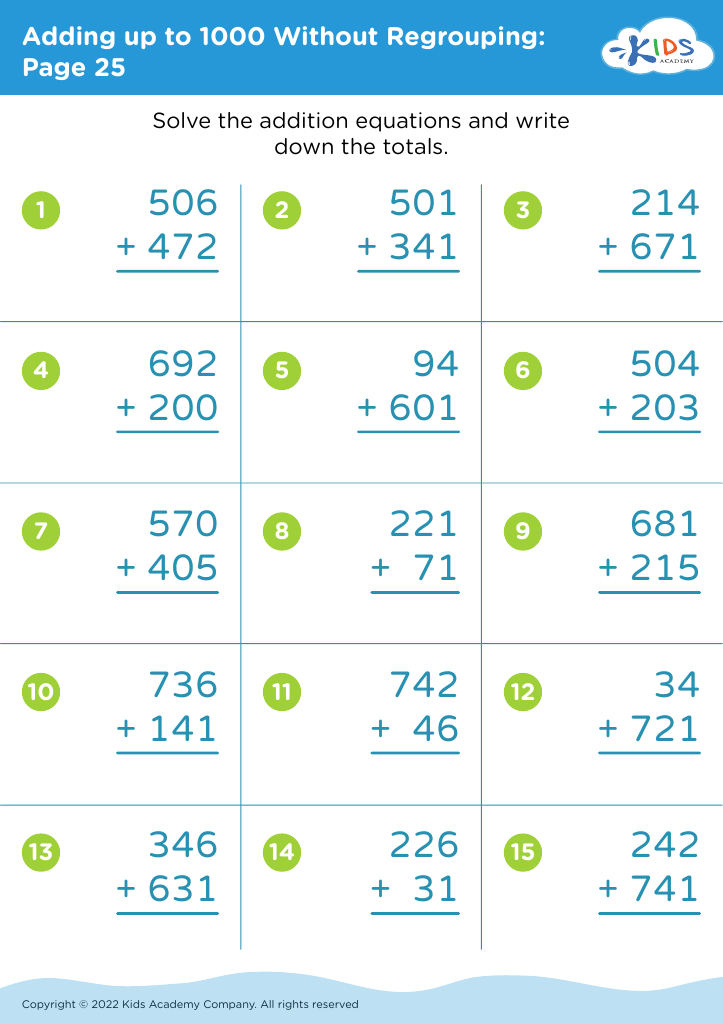
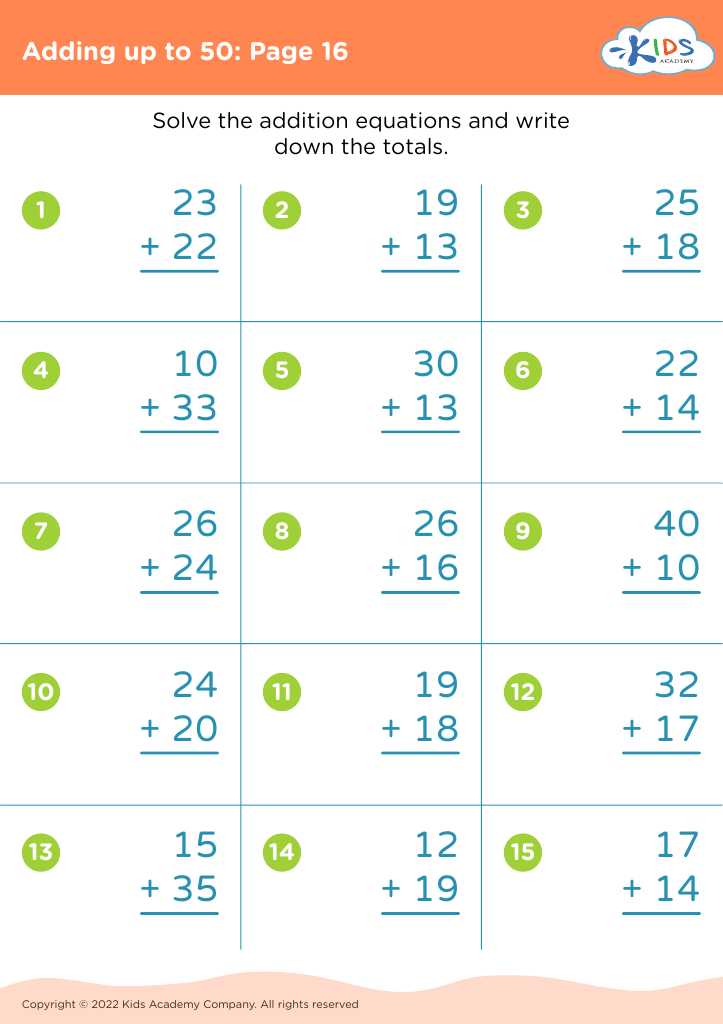
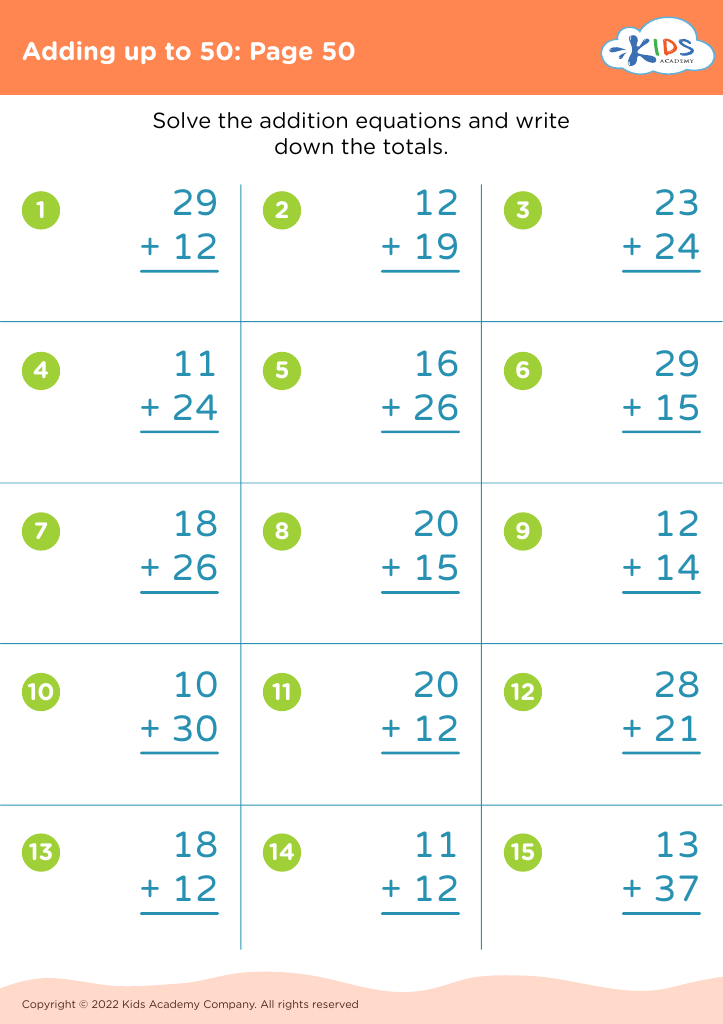
Introduce your little learners to the joys of math with our "Reading Clocks Addition & Subtraction Worksheets for Ages 4-8." Designed to blend essential math skills, these worksheets help kids master telling time while reinforcing their addition and subtraction abilities. Engaging exercises, colorful illustrations, and practical problems make learning fun and effective. Perfect for classroom use or homeschooling, our activities are tailored to suit young minds, making sure they grasp fundamental concepts with ease. Boost their confidence and set a strong foundation in math by exploring our versatile collection. Start your child's math adventure today!








Teaching young children to read clocks and perform basic addition and subtraction is essential for several reasons. Firstly, understanding time helps children navigate their daily routines, fostering a sense of structure and accountability. Knowing how to tell time allows them to manage tasks and develop punctuality, an important life skill.
Secondly, arithmetic skills like addition and subtraction form the foundation for all future math learning. Mastery of these basic operations leads to better problem-solving abilities and critical thinking. Early proficiency in math can boost a child's confidence and enthusiasm for more complex mathematical concepts later on.
Moreover, integrating these skills at an early age nurtures cognitive development. Counting, recognizing numbers, and understanding quantities enhance a child’s memory, attention span, and logical reasoning. Engaging young students in clock reading and arithmetic also stimulates their curiosity about patterns and numerical relationships, encouraging a lifelong interest in learning.
In addition, both skills are intertwined with everyday activities. From calculating the number of toys to share, to determining how long a task will take, these practical applications make learning relevant and functional. By prioritizing these skills, parents and teachers ensure children are equipped with essential tools for academic success and daily life management.








