Shape identification Addition & Subtraction Worksheets for Ages 4-8
14 filtered results
-
From - To
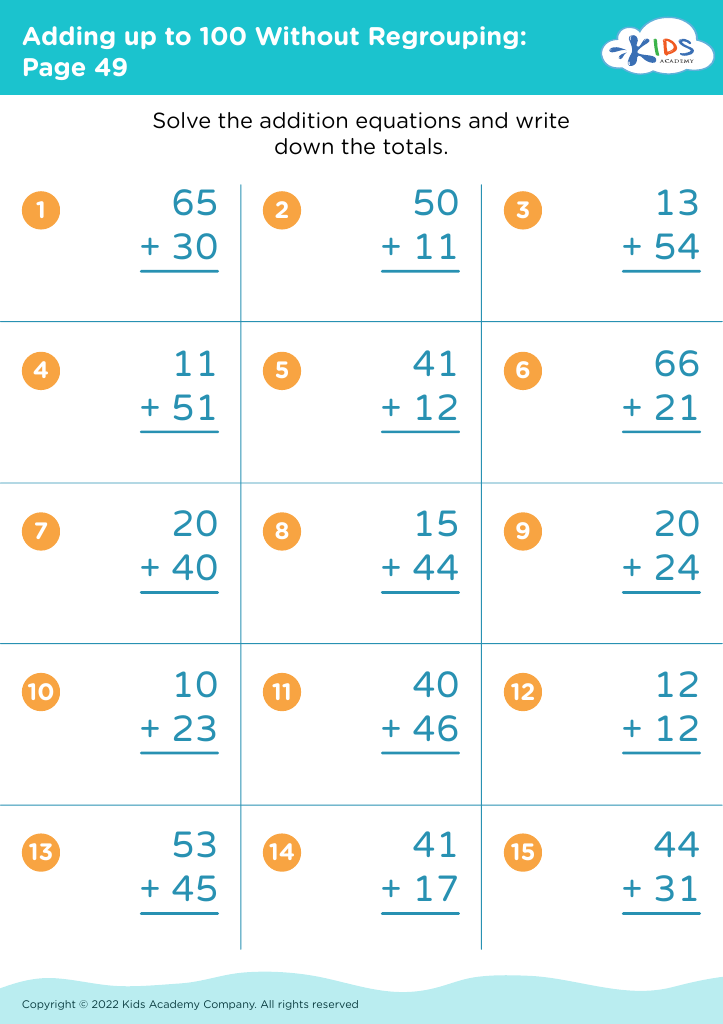
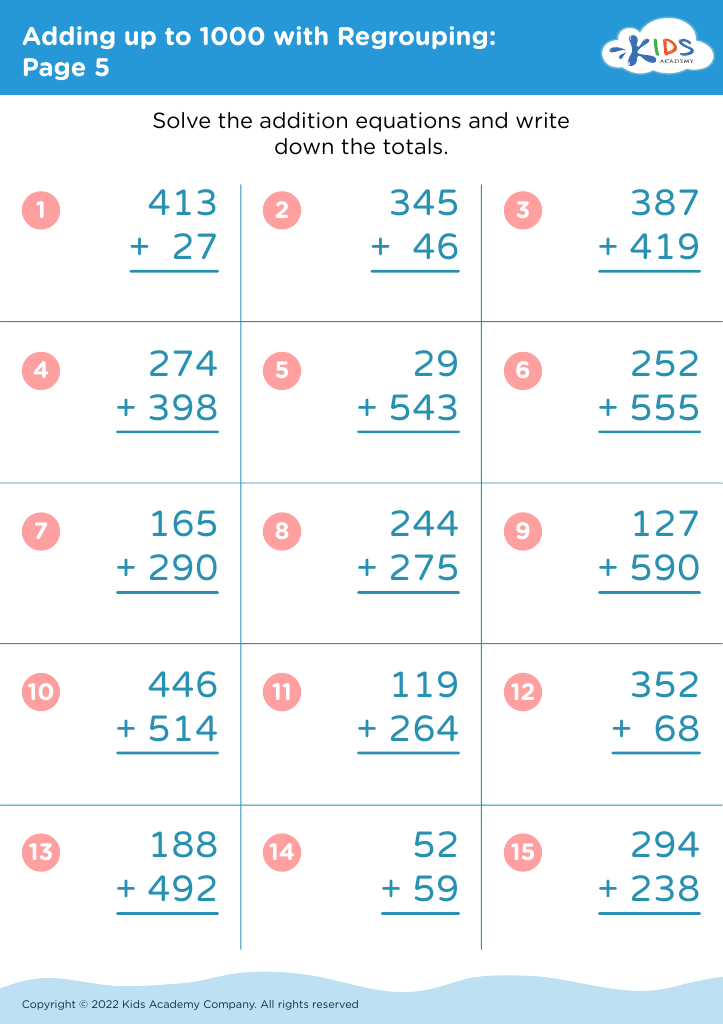
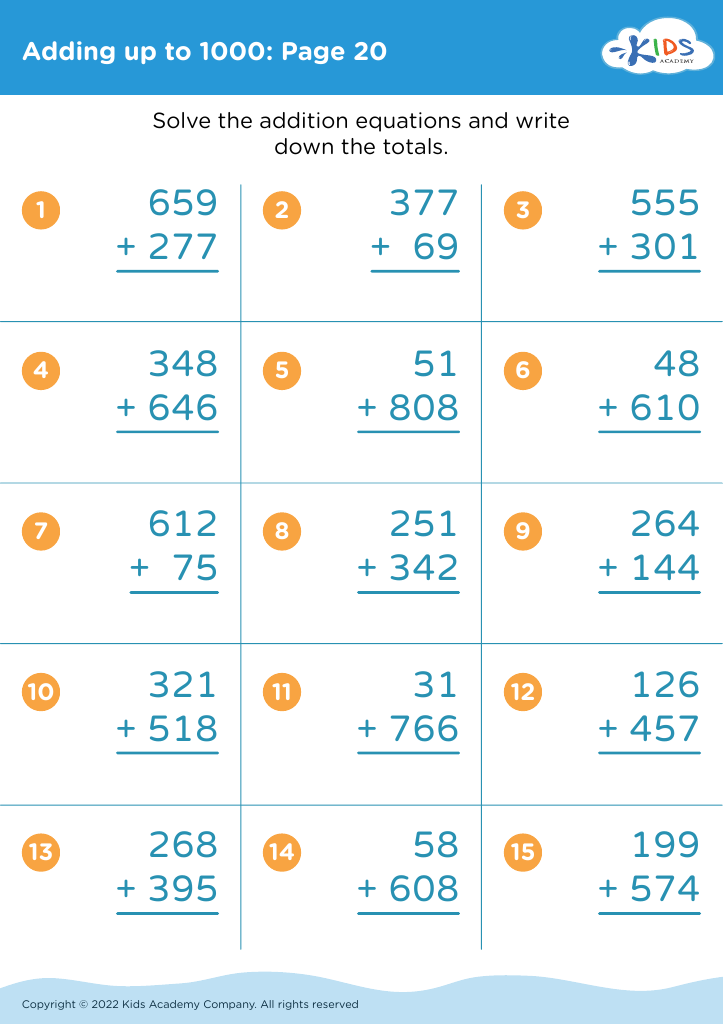
Enhance your child’s math skills with our Shape Identification Addition and Subtraction Worksheets, designed for ages 4-8! These engaging worksheets combine essential shape recognition with foundational addition and subtraction practices. Each activity encourages young learners to identify various shapes while solving math problems, making learning enjoyable and effective. Perfect for home or classroom use, our worksheets foster critical thinking and early math skills through vibrant illustrations and fun exercises. Discover a variety of formats and levels to suit your child’s learning pace. Start your child’s math journey today with our creative and educational resources that pave the way for future success!
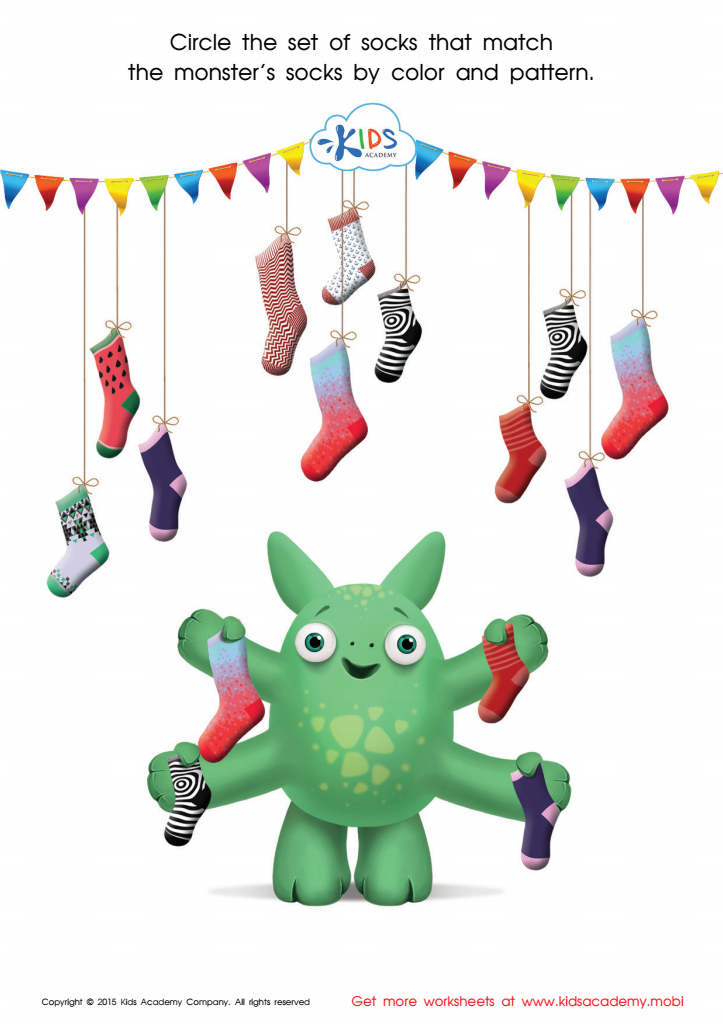
Sort the Monster's Socks Worksheet
 Assign to My Students








Shape identification, along with addition and subtraction, forms the foundation for essential mathematical skills in children aged 4-8. Understanding shapes helps young learners recognize patterns, develop spatial awareness, and enhance problem-solving abilities. For parents and teachers, nurturing these skills is crucial because they set the stage for more complex mathematical concepts later on.
Shape identification fosters critical thinking and creativity, as children learn to categorize and compare different geometric forms. This skill is often integrated into activities that involve real-world applications, such as art and design, providing a cross-disciplinary approach to learning.
In combination with addition and subtraction, these foundational skills promote numerical literacy and foster confidence in young learners. Mastering simple arithmetic aids children in grasping more advanced mathematics in the future. Celebrating small successes in these areas also supports emotional and social development, helping kids build resilience and perseverance.
Moreover, engaging with shapes and basic math can be a fun, hands-on experience, strengthening the parent-child or teacher-student bond. Through games and interactive activities, children remain interested and motivated, making learning enjoyable. Thus, parents and teachers should actively participate in fostering shape identification, addition, and subtraction skills to promote a well-rounded educational experience.








