
Telling time Addition & Subtraction Worksheets for Ages 4-8
3 filtered results
Difficulty Level
Grade
Age
-
From - To
Subject
Activity
Standards
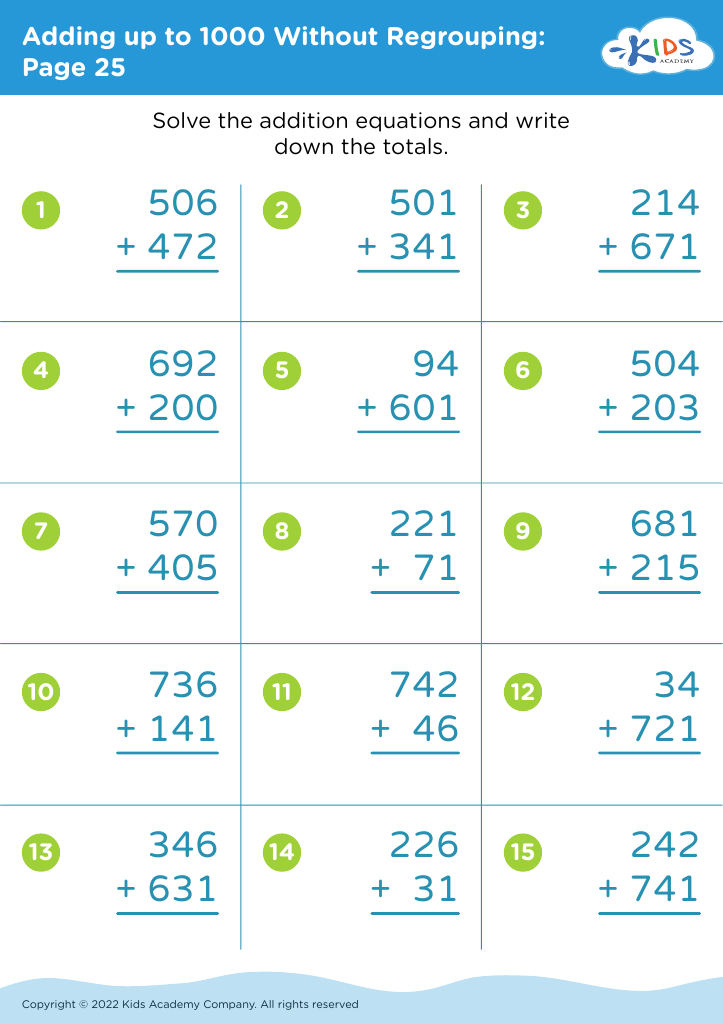
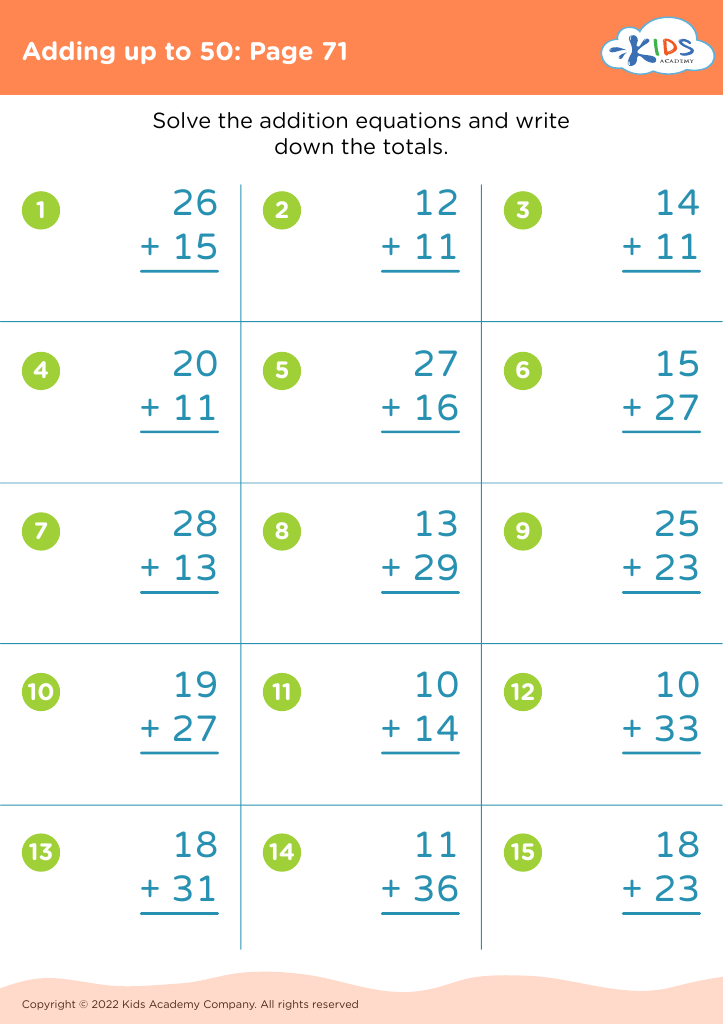
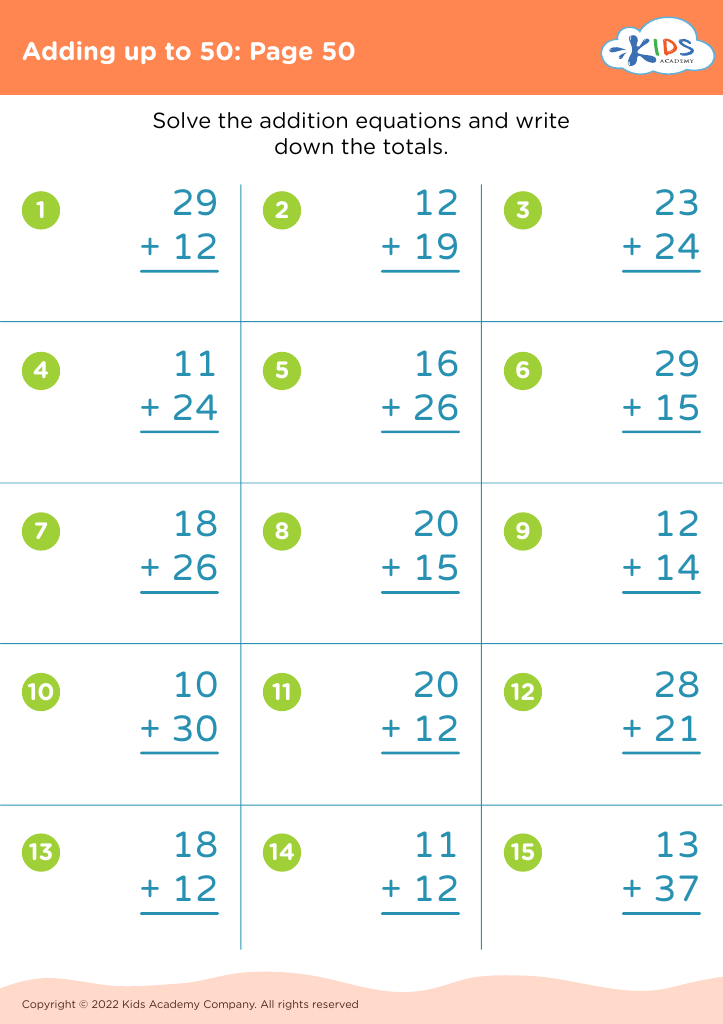
Discover a fun way to enhance your child’s math skills with our "Telling Time Addition & Subtraction Worksheets for Ages 4-8." Designed to nurture both fundamental arithmetic and time-telling abilities, these engaging worksheets make learning enjoyable and effective. Perfect for young learners, these resources help children develop critical thinking and problem-solving skills through vividly illustrated exercises. From basic addition and subtraction to understanding clocks, our worksheets cater to various learning stages. Boost your child’s confidence as they progress in mastering essential math concepts. Visit us and unlock endless learning possibilities with our meticulously crafted worksheets!
Favorites
With answer key
Interactive
Join Kids Academy for Free
Who is primarily going to use this learning content?








Telling time, addition, and subtraction are fundamental math skills that serve as the building blocks for more complex concepts. For children ages 4-8, mastering these skills is essential for several reasons.
Firstly, understanding how to tell time helps young children gain a sense of temporal awareness, essential for daily routines, punctuality, and time management. It teaches them to anticipate and prepare for events, a critical aspect of developing responsible behaviors in school and social environments.
Addition and subtraction are the first steps to numeracy. Mastery in these areas ensures that children build a solid mathematical foundation. These basic arithmetic skills foster problem-solving abilities and logical reasoning, skills widely applicable across various subjects and real-life situations. For instance, they are essential for managing allowances or understanding quantities when sharing with friends.
Early competency in these areas boosts confidence and encourages a positive attitude towards learning. When children feel capable of solving basic problems, they are more likely to engage in and enjoy higher-level math and other subjects later in their academics. Thus, parents and teachers focusing on these skills create a supportive environment for long-term educational success and practical life skills development.








