Enhance number recognition and addition skills for children aged 4-8 with our engaging worksheets! Our carefully designed resources help young learners identify numbers while practicing fundamental addition concepts. Each worksheet features colorful visuals and interactive exercises, making learning math fun and effective. By focusing on number recognition alongside addition, kids build a solid foundation for future math success. Ideal for parents and educators, these worksheets promote essential cognitive skills through playful activities. Explore our collection of worksheets and watch your child's confidence grow as they master numbers and addition! Start their mathematical journey today with our fun and educational resources!
Check out this FREE Trial Lesson on Addition for age 4-8!

Exactly the Same, or Not

Favorites
With answer key
Interactive
  • 4-8
  • Enhance number recognition
  • Addition
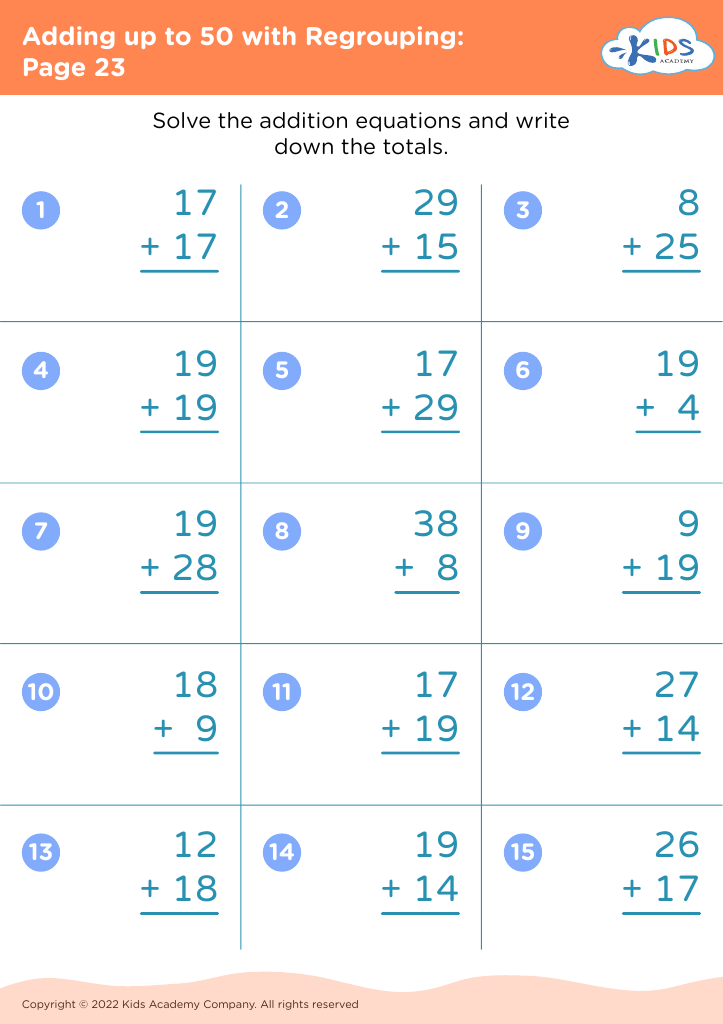
Adding up to 50 with Regrouping: Page 23
Worksheet
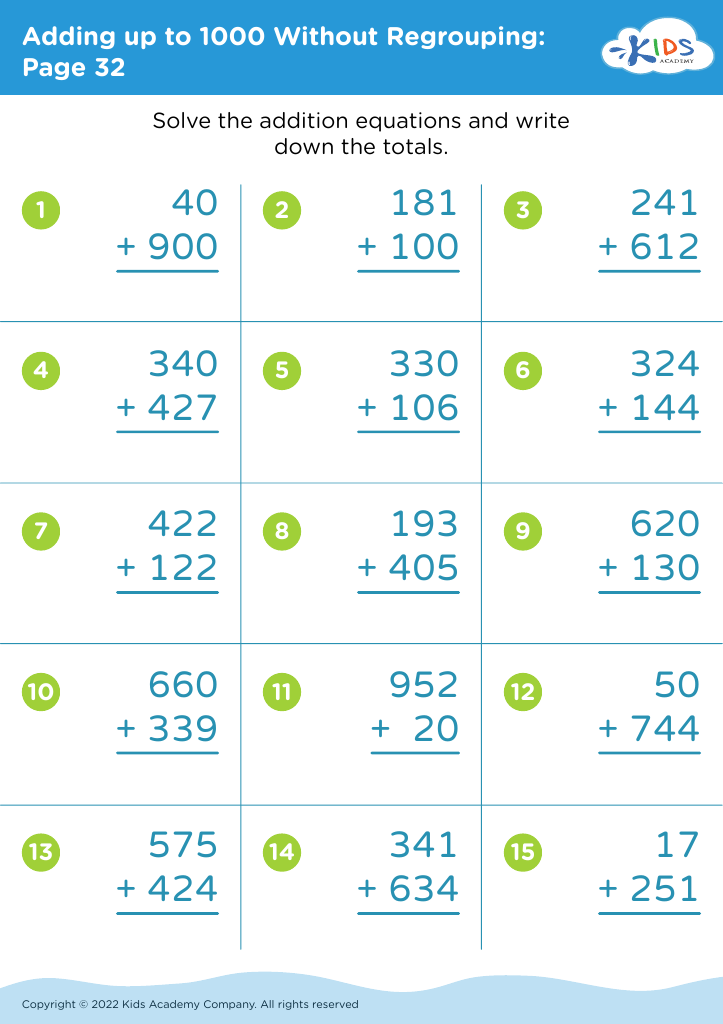
Adding up to 1000 Without Regrouping: Page 32
Worksheet
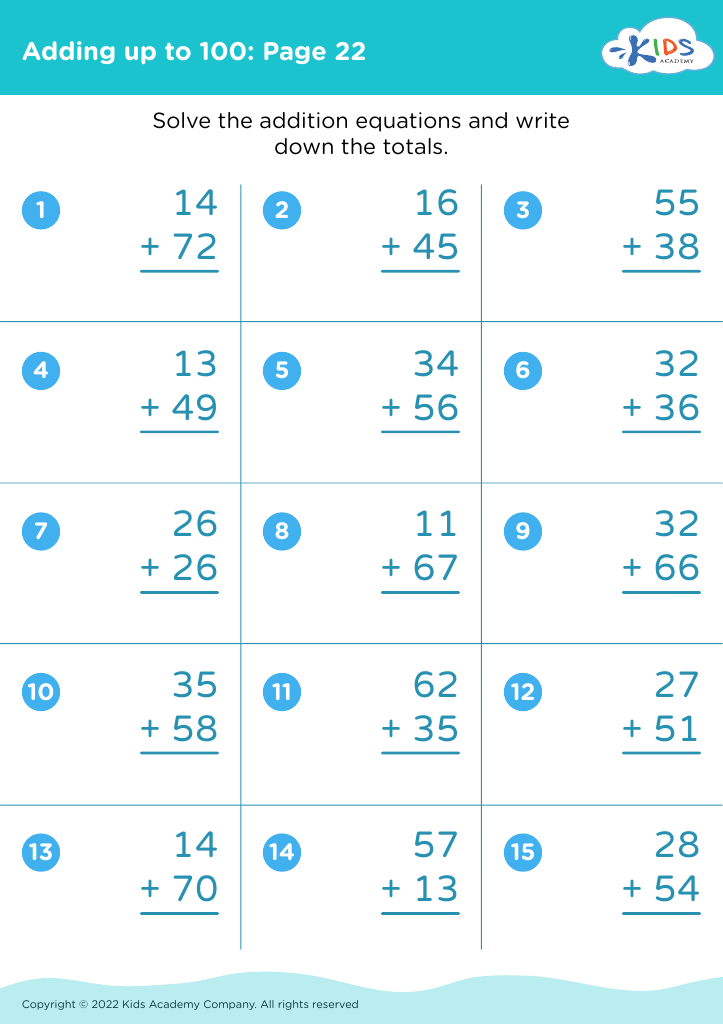
Adding up to 100: Page 22

Adding up to 100: Page 22

Adding up to 100: Page 22
Worksheet
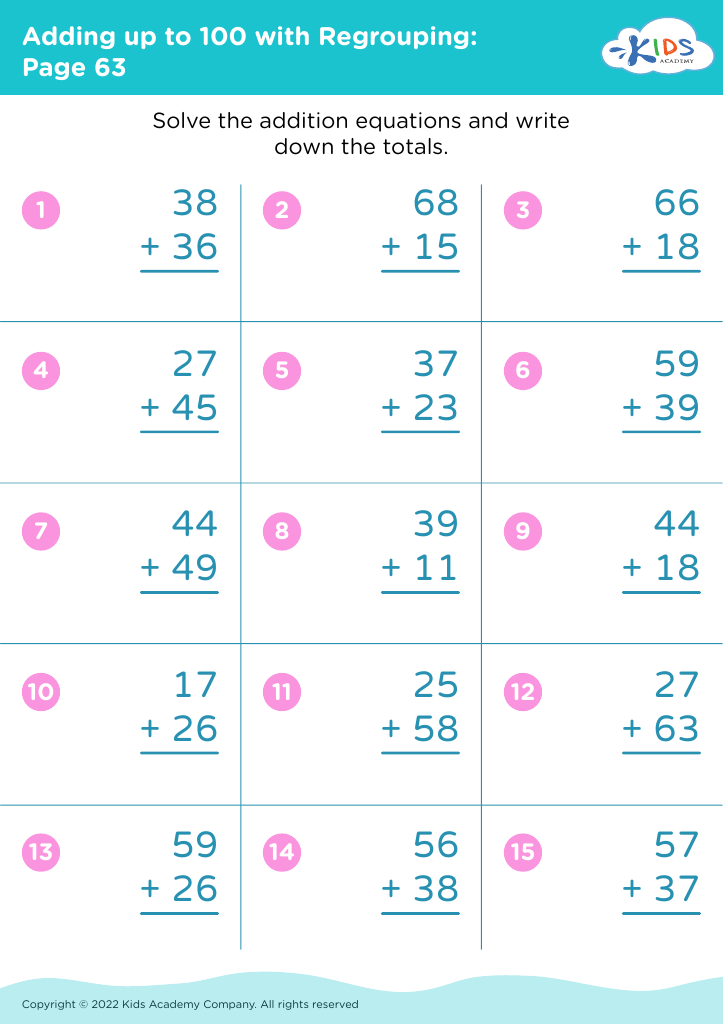
Adding up to 100 with Regrouping: Page 63
Worksheet
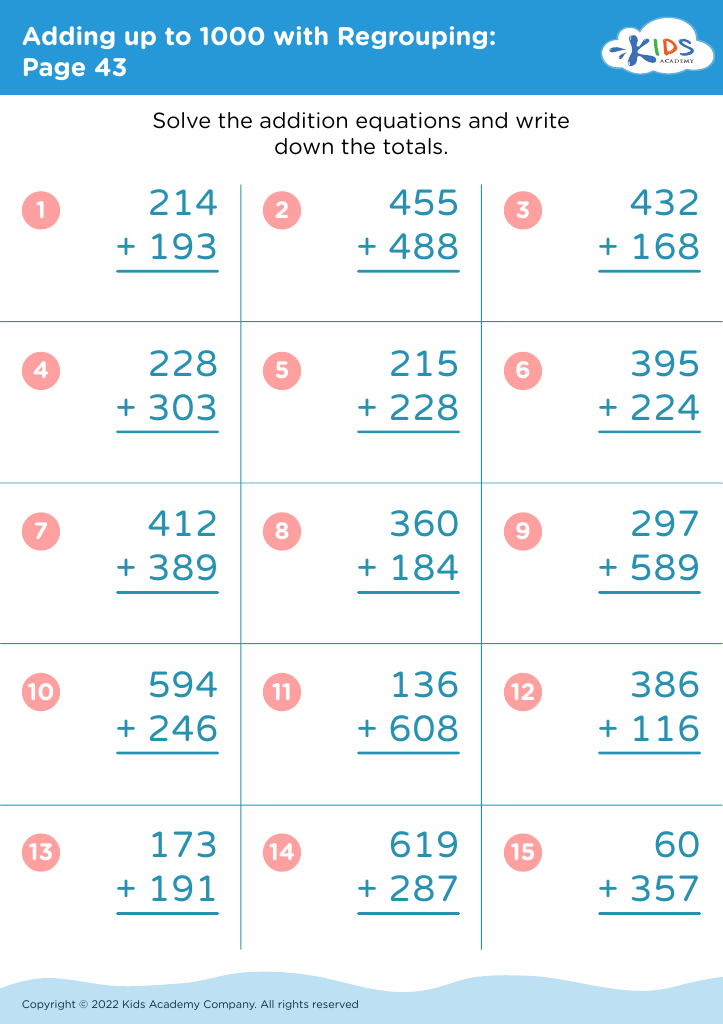
Adding up to 1000 with Regrouping: Page 43
Worksheet
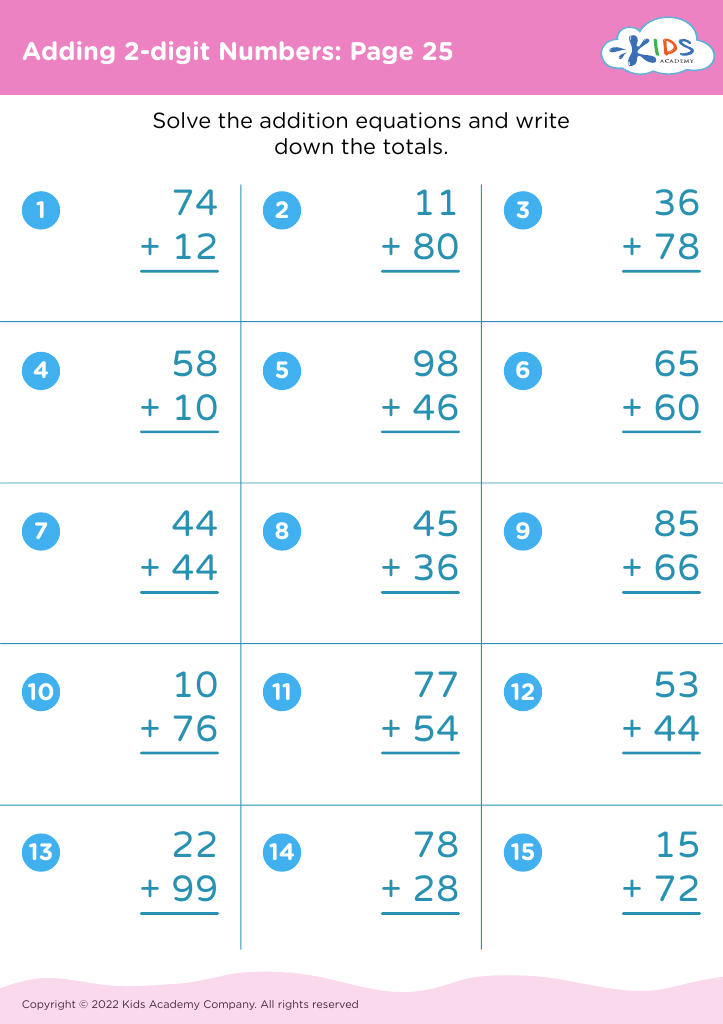
Adding 2-digit Numbers: Page 25

Adding 2-digit Numbers: Page 25

Adding 2-digit Numbers: Page 25
Worksheet
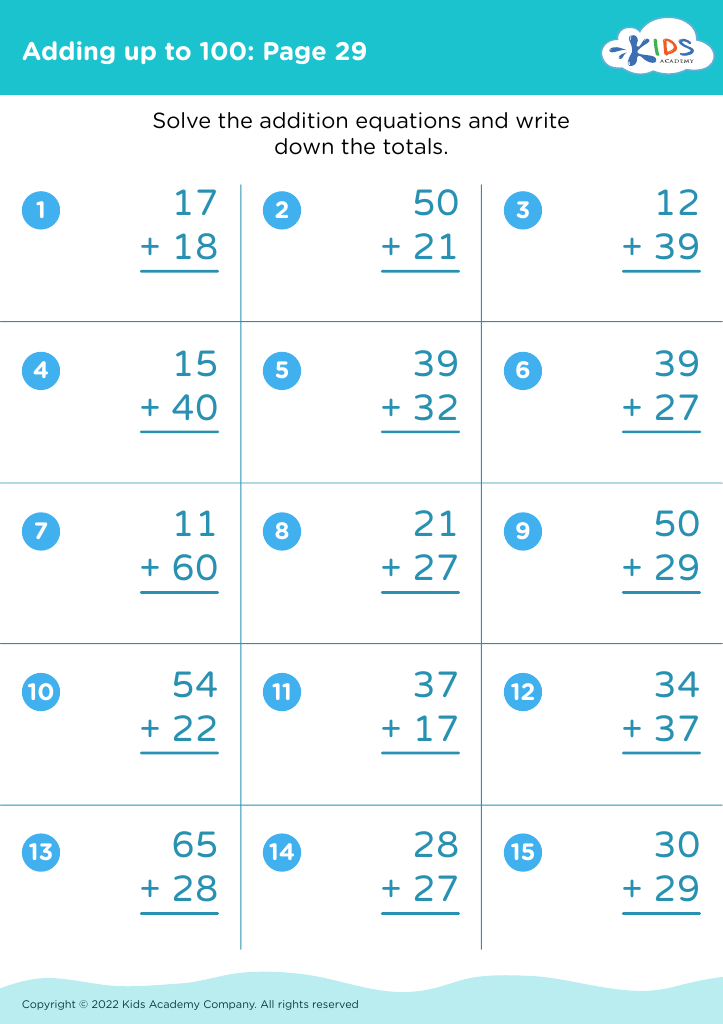
Adding up to 100: Page 29

Adding up to 100: Page 29

Adding up to 100: Page 29
Worksheet
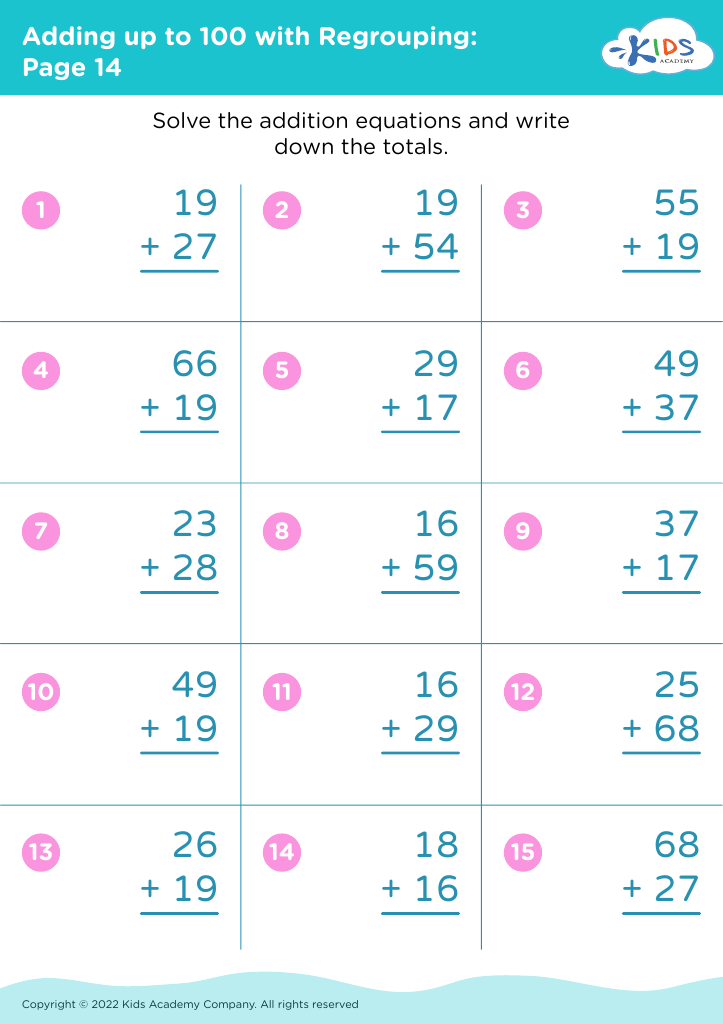
Adding up to 100 with Regrouping: Page 14
Worksheet
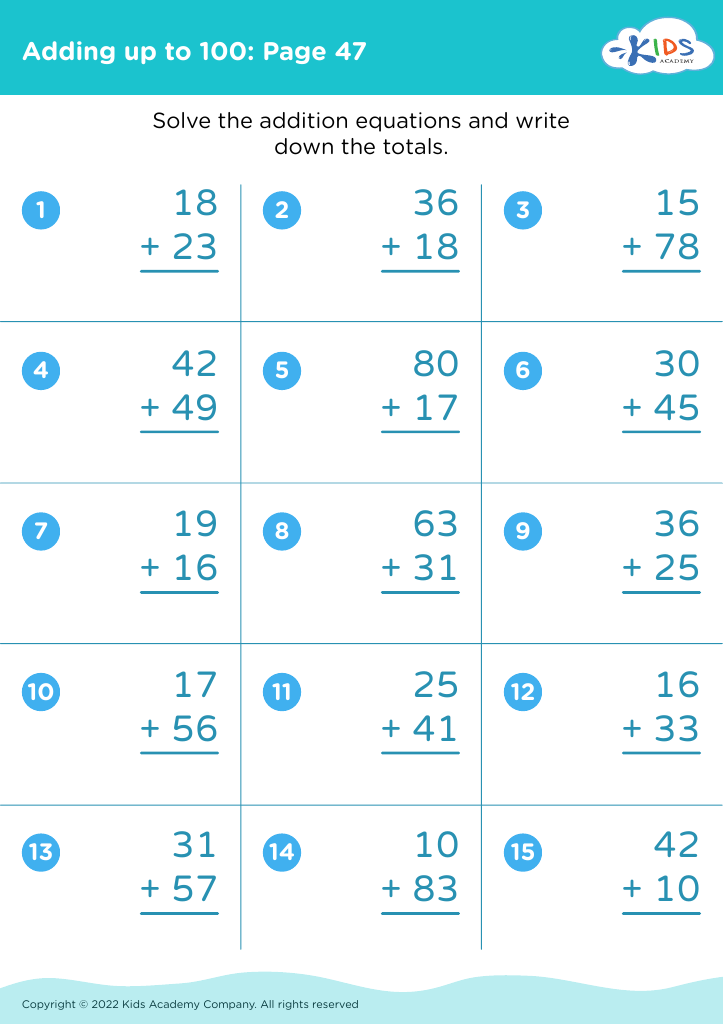
Adding up to 100: Page 47

Adding up to 100: Page 47

Adding up to 100: Page 47
Worksheet
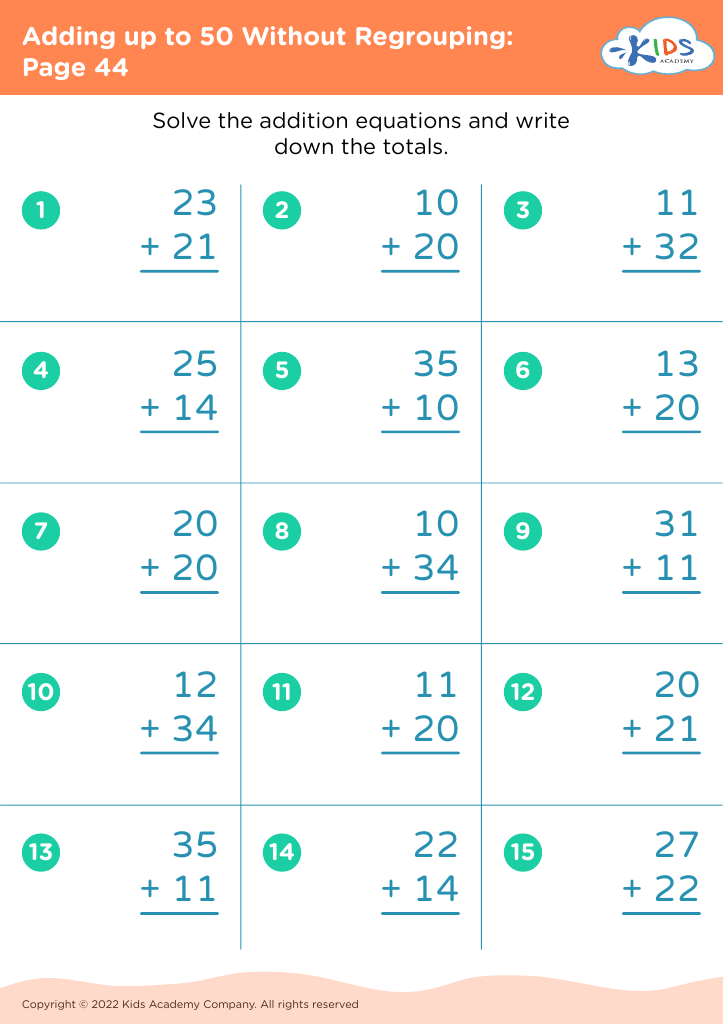
Adding up to 50 Without Regrouping: Page 44
Worksheet
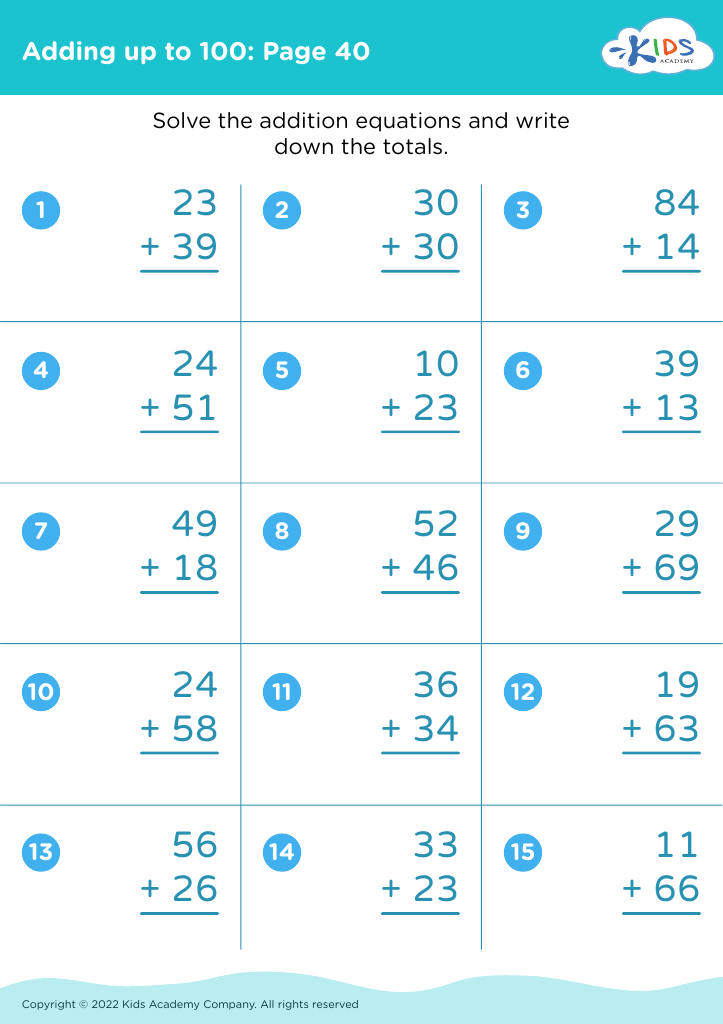
Adding up to 100: Page 40

Adding up to 100: Page 40

Adding up to 100: Page 40
Worksheet
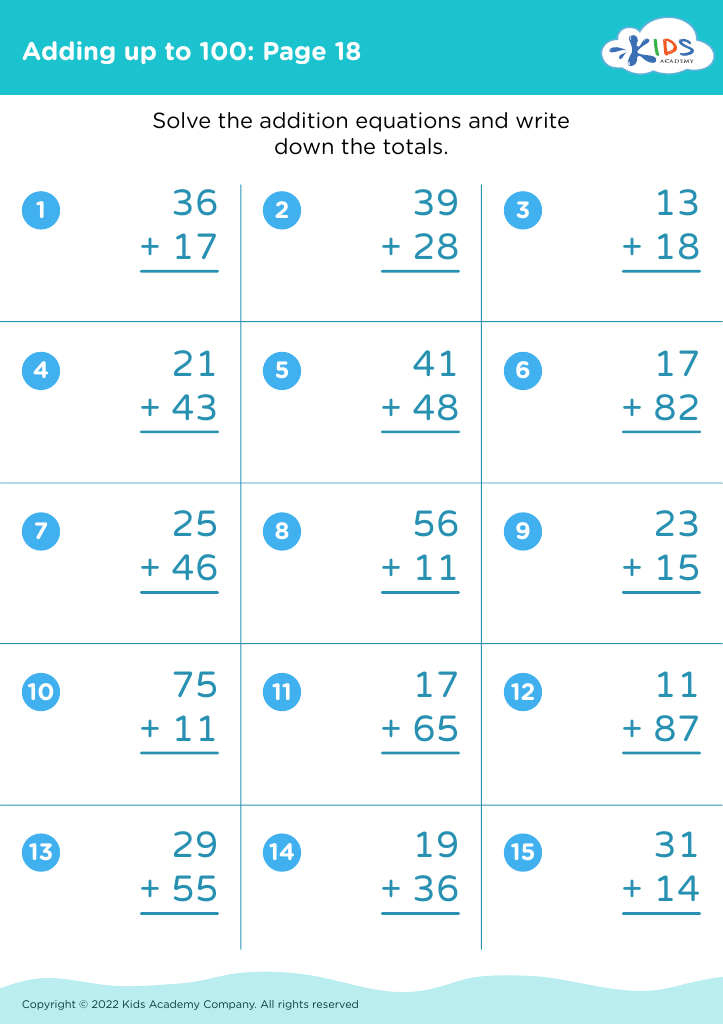
Adding up to 100: Page 18

Adding up to 100: Page 18

Adding up to 100: Page 18
Worksheet
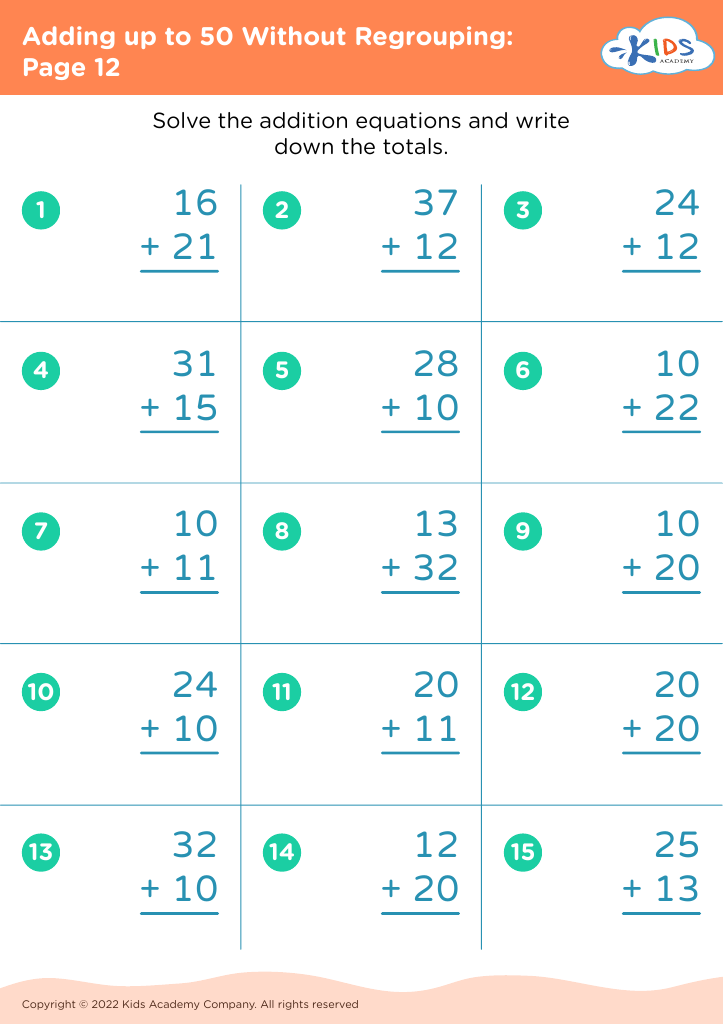
Adding up to 50 Without Regrouping: Page 12
Worksheet
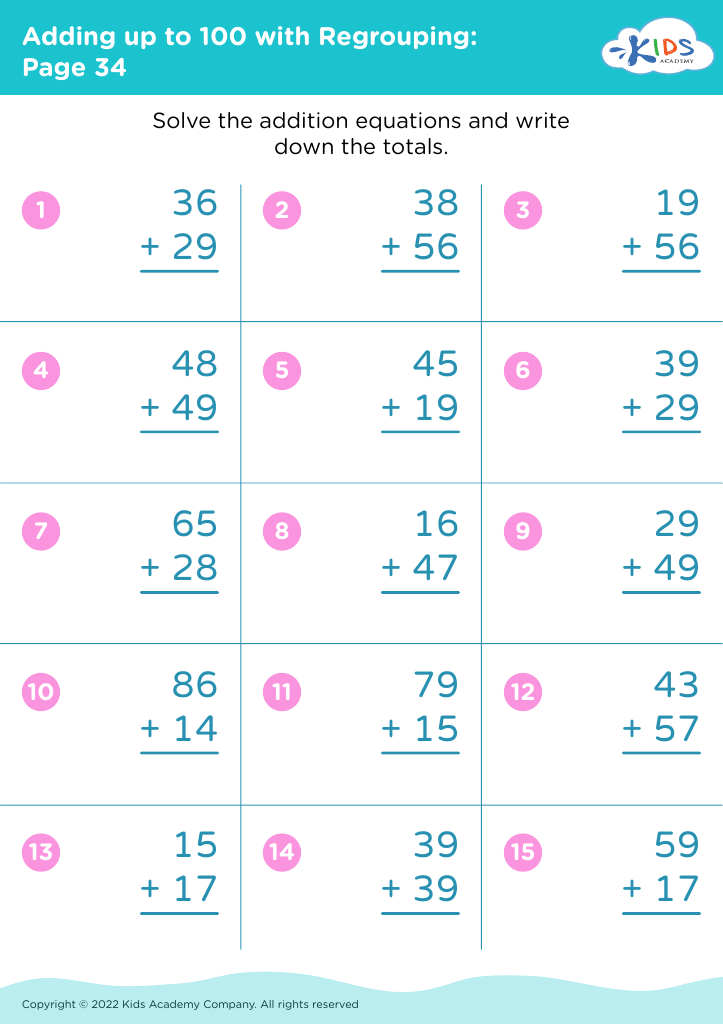
Adding up to 100 with Regrouping: Page 34
Worksheet
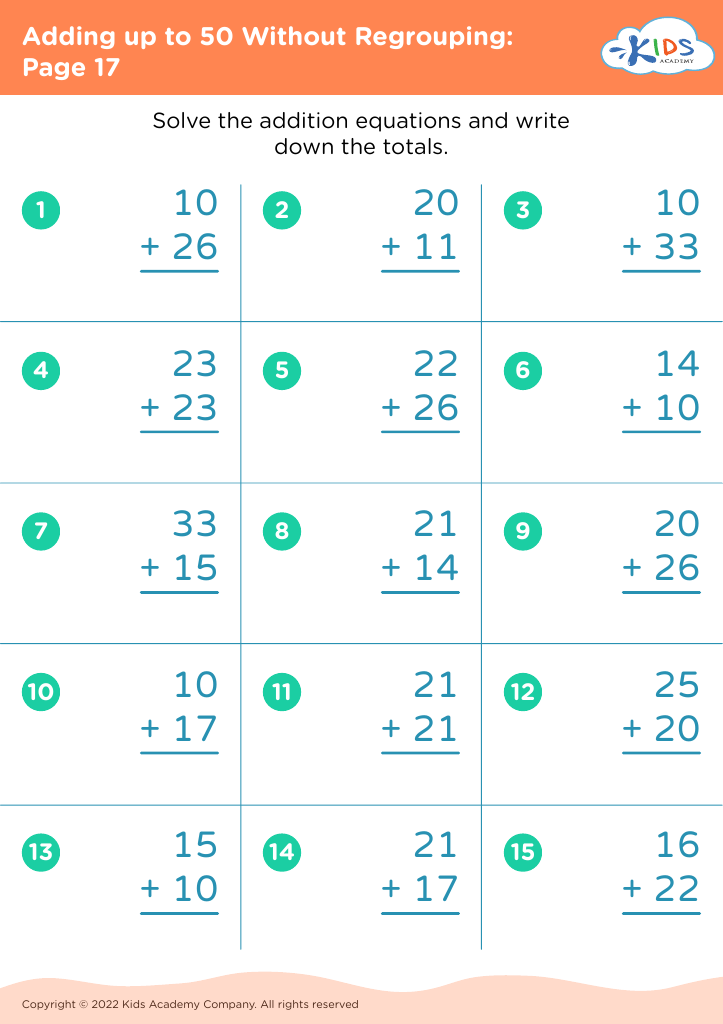
Adding up to 50 Without Regrouping: Page 17
Worksheet
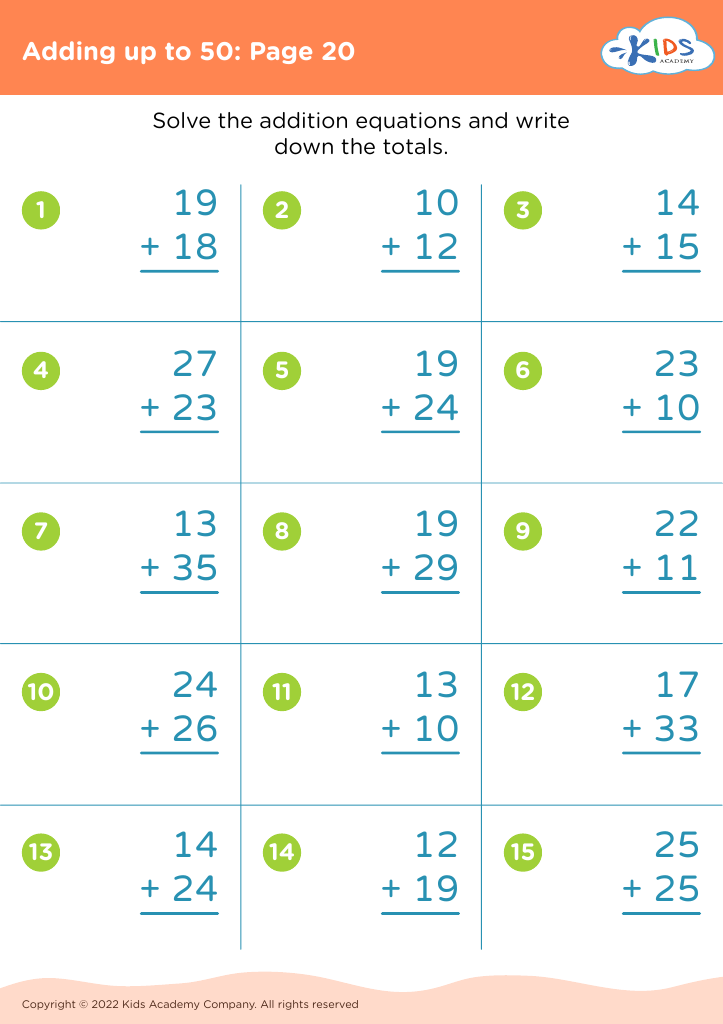
Adding up to 50: Page 20

Adding up to 50: Page 20

Adding up to 50: Page 20
Worksheet
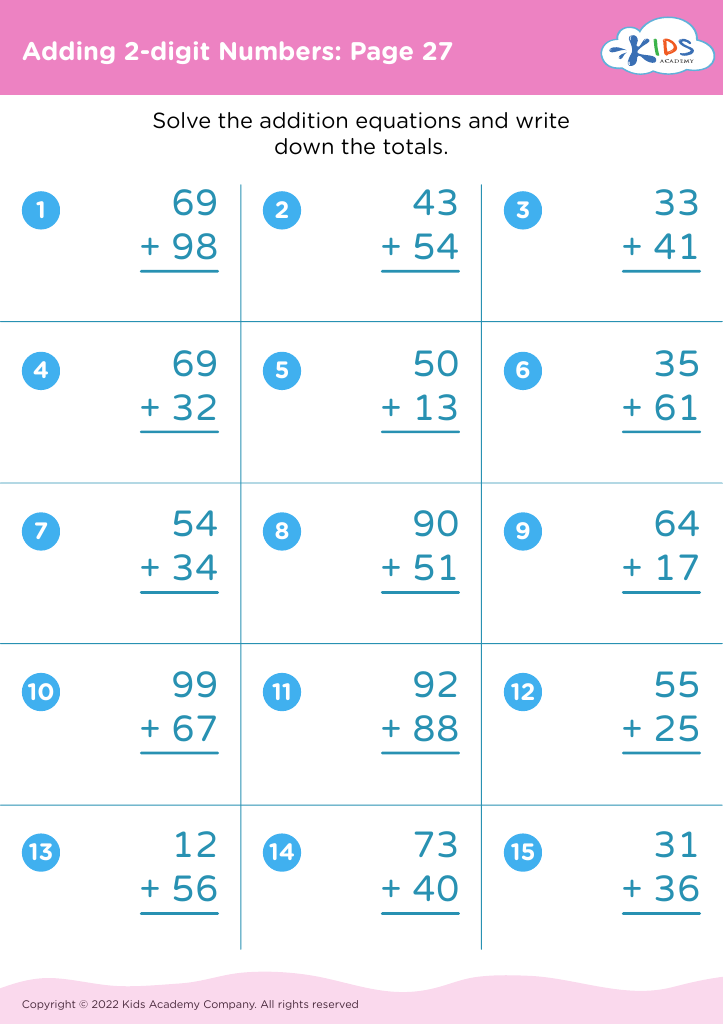
Adding 2-digit Numbers: Page 27

Adding 2-digit Numbers: Page 27

Adding 2-digit Numbers: Page 27
Worksheet


Enhancing number recognition and addition skills in children aged 4-8 is crucial for their cognitive development and academic success. During these formative years, children develop foundational math skills that will support their future learning. Number recognition helps them understand the concept of quantities and sets the stage for more complex mathematical operations, including addition.

Developing these skills promotes critical thinking and problem-solving abilities. As children learn to recognize numbers and perform basic addition, they also build confidence, which can positively affect their overall attitude toward math. Engaging in mathematical activities encourages curiosity and a love for learning, vital for lifelong educational enthusiasm.

Parents and teachers play a pivotal role in reinforcing these skills. They can create interactive and enjoyable learning experiences, such as games and activities, to make math approachable. Early math competency also has long-term benefits; research has shown that strong early math skills correlate with higher academic achievement in later grades.

By prioritizing number recognition and addition skills, parents and teachers are not just preparing children for future math courses but are also equipping them with essential skills for everyday problem-solving and critical thinking, fostering a strong foundation for their overall development.