Hand-eye Coordination Addition Worksheets for Ages 4-8 - Page 2
25 filtered results
-
From - To




.jpg)

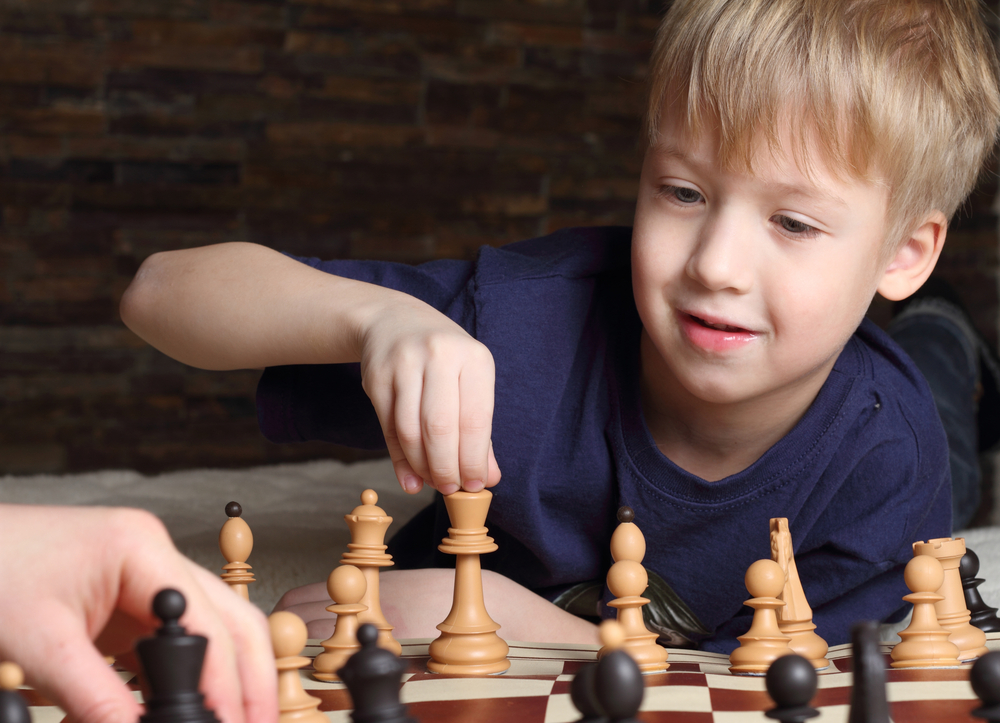

Hand-eye coordination is a crucial developmental skill for children aged 4-8. It's a foundational ability that allows for efficient and effective interaction with the physical world. For parents and teachers, fostering hand-eye coordination through activities like addition games means nurturing a range of cognitive and motor skills essential for a child's overall development.
First and foremost, improved hand-eye coordination aids in academic success. Children who excel in this area are often better at writing, drawing, and other activities that require fine motor skills. These skills are directly linked to higher levels of confidence and competence in the classroom. By integrating addition exercises that involve physical manipulation—such as stacking blocks or interactive digital games—children can develop both their mathematical understanding and coordination simultaneously.
Secondly, hand-eye coordination is vital for everyday life activities and sports. Encouraging it through enjoyable educational exercises can lead to better performance in physical activities or games, which parallel educational success. Physically active children often enjoy better health and reduced stress.
In sum, by emphasizing hand-eye coordination through age-appropriate mathematical additions, parents and teachers help children build a strong foundation for lifelong learning, physical health, and overall well-being, setting the stage for future successes in a variety of areas.








