Identify shapes Addition Worksheets for Ages 4-8
10 filtered results
-
From - To
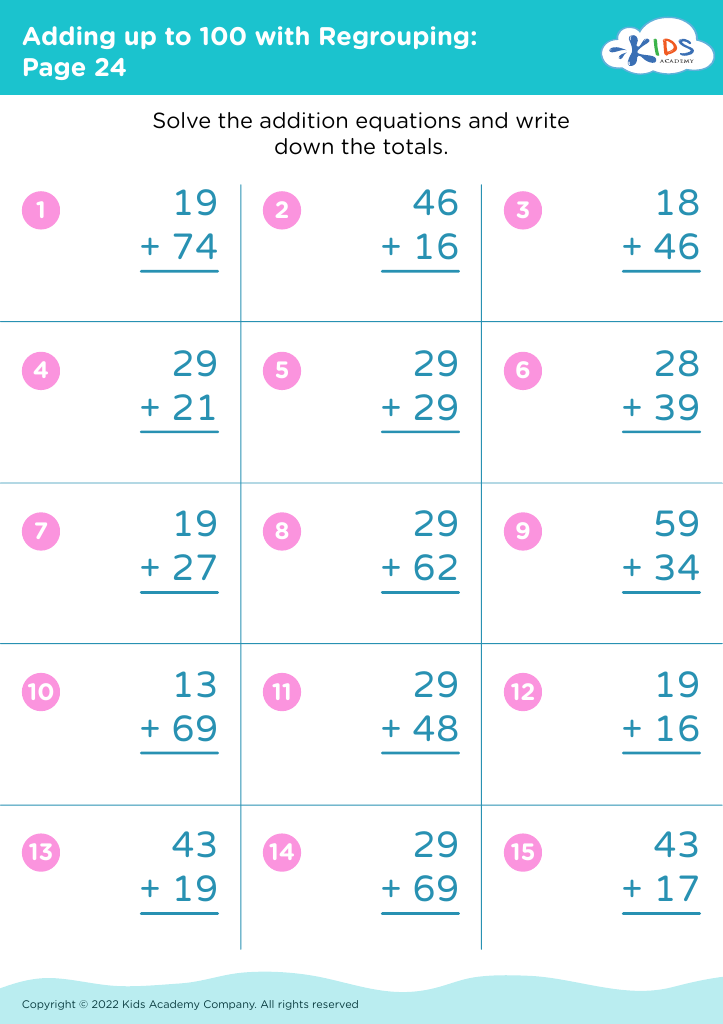
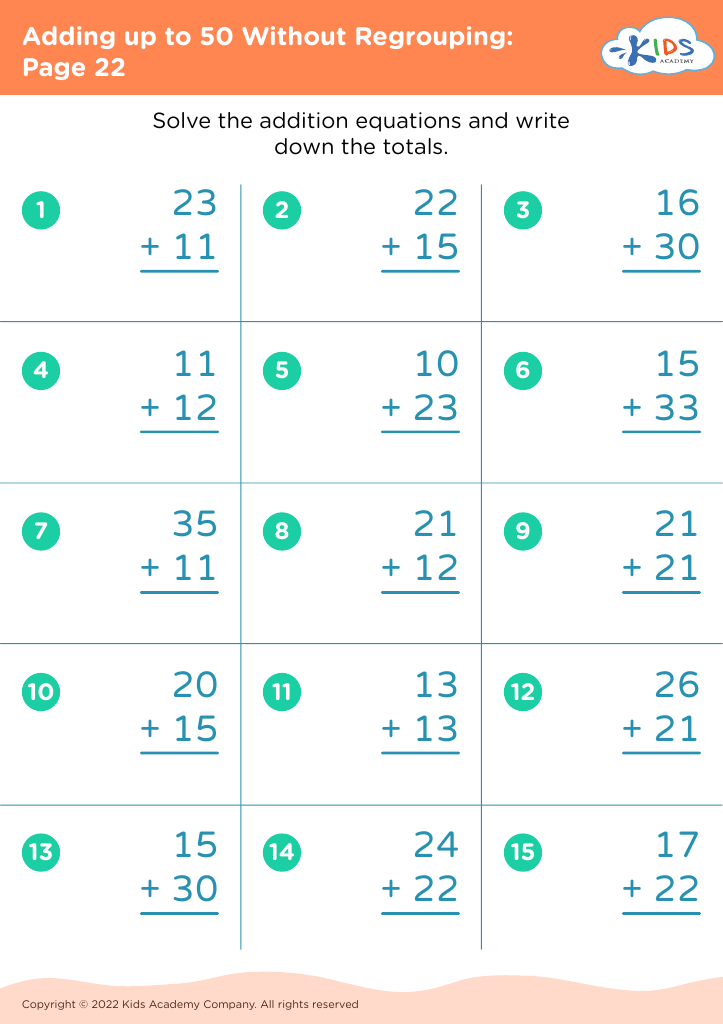
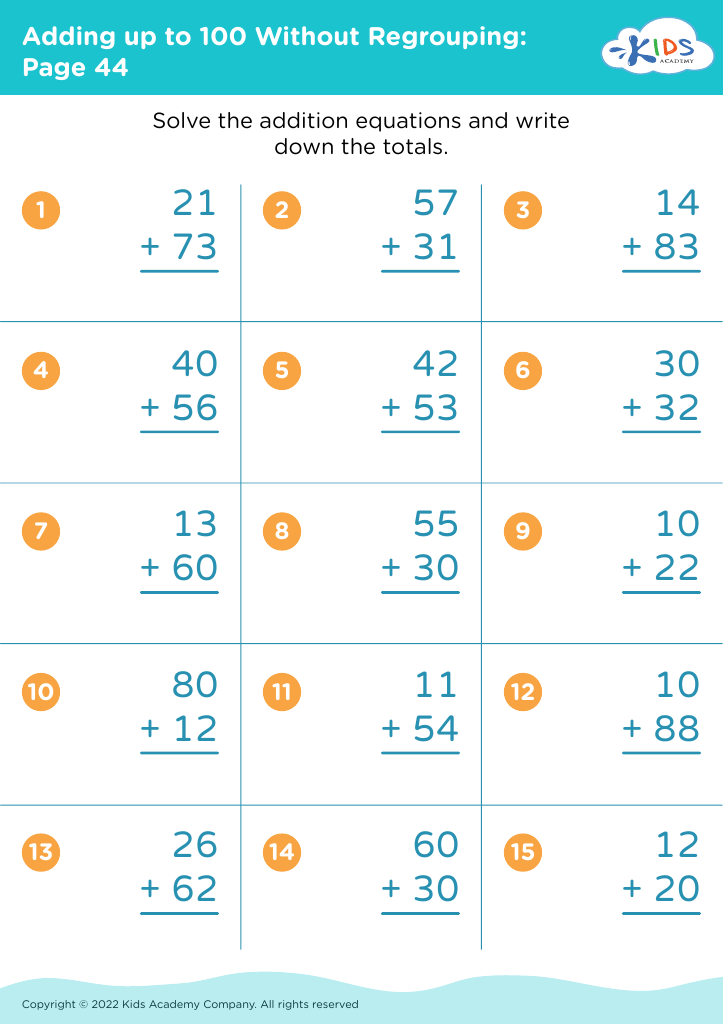
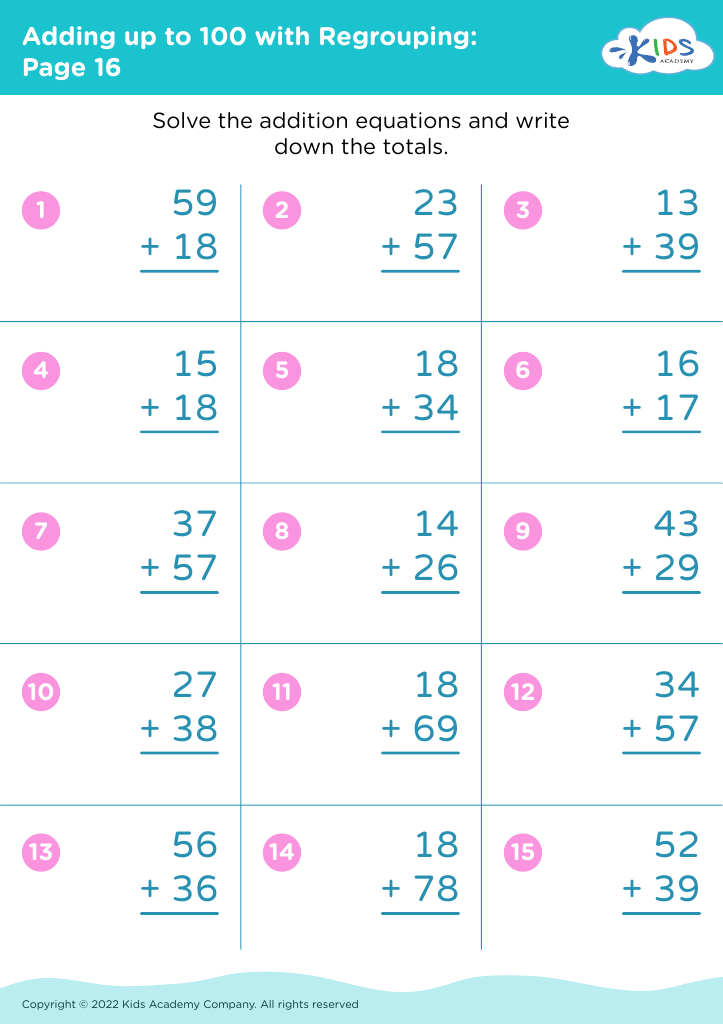
Explore our engaging Identify Shapes Addition Worksheets designed for children ages 4-8! These printable activities encourage early learners to recognize shapes while honing their addition skills. Each worksheet combines fun visuals and interactive exercises, making math enjoyable and accessible. Your child will practice identifying shapes like squares, circles, and triangles, paired with simple addition problems to reinforce their understanding of basic math concepts. Ideal for homeschooling or supplementary educational activities, these worksheets foster critical thinking and boost confidence in young learners. Start your child’s mathematical journey today with our comprehensive and playful addition worksheets that promote both shape recognition and arithmetic skills!








Identifying shapes is a crucial foundational skill for children aged 4-8, playing a vital role in their cognitive and mathematical development. When parents and teachers emphasize shape recognition, they help children build essential visual and spatial reasoning skills. These skills are vital not only for math but for problem-solving in everyday situations.
Shapes form the basis of geometry, and early exposure helps children understand relationships between different objects. By identifying and classifying shapes, children develop critical thinking skills and learn to categorize and organize their environment. This awareness further prepares them for more complex mathematical concepts, such as addition, where they can visualize numbers as shapes or groups of objects.
Additionally, shape identification fosters language development. As children describe shapes, they engage in vocabulary-building conversations—discussing attributes like sides, angles, and dimensions. This enhances their communication skills and encourages teamwork when working with peers on related activities.
Through fun activities like games, crafts, or puzzles involving shapes, learning becomes enjoyable and interactive, thus promoting a positive attitude toward math. Therefore, parents and teachers should prioritize shape identification and addition, ensuring a solid foundation for their children's future academic success.








