Improving concentration Addition Worksheets for Ages 4-8
15 filtered results
-
From - To
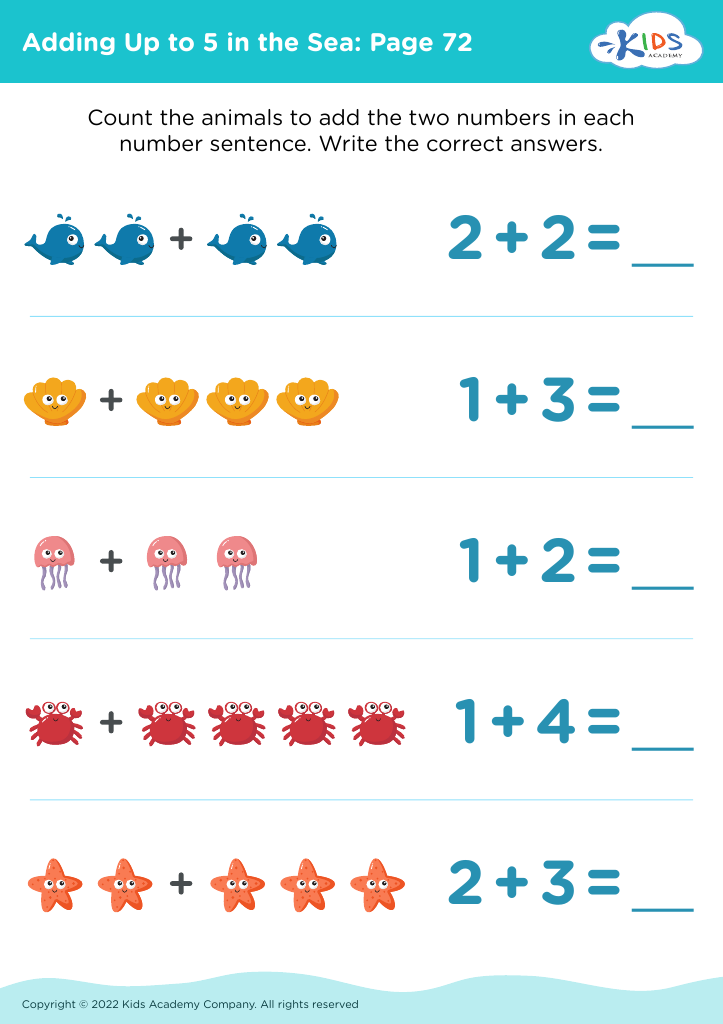
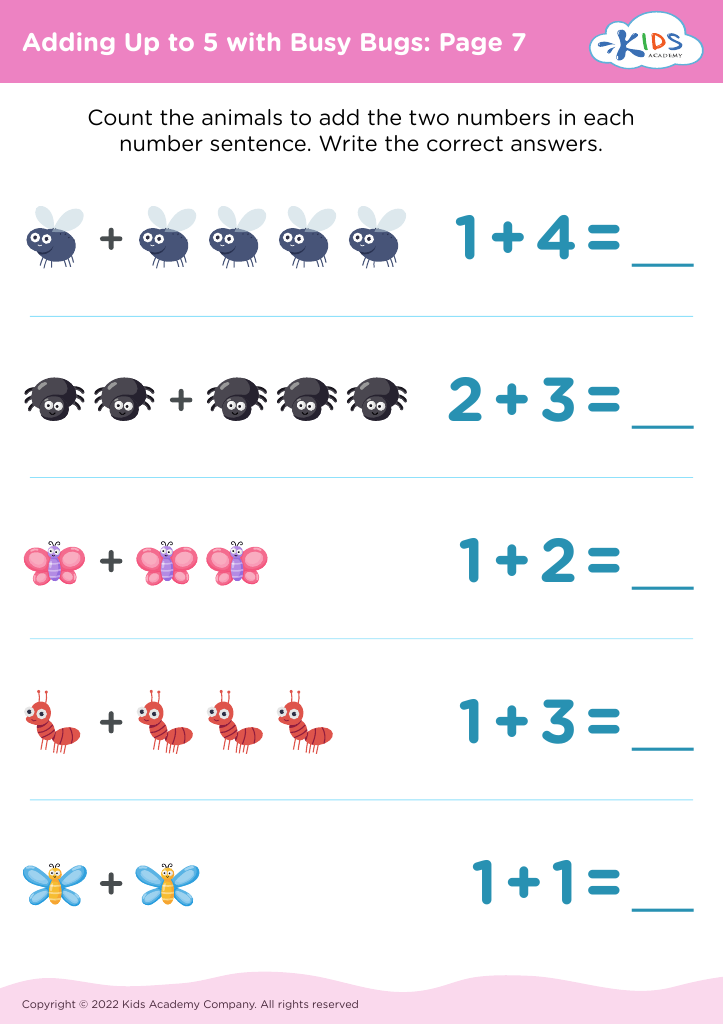
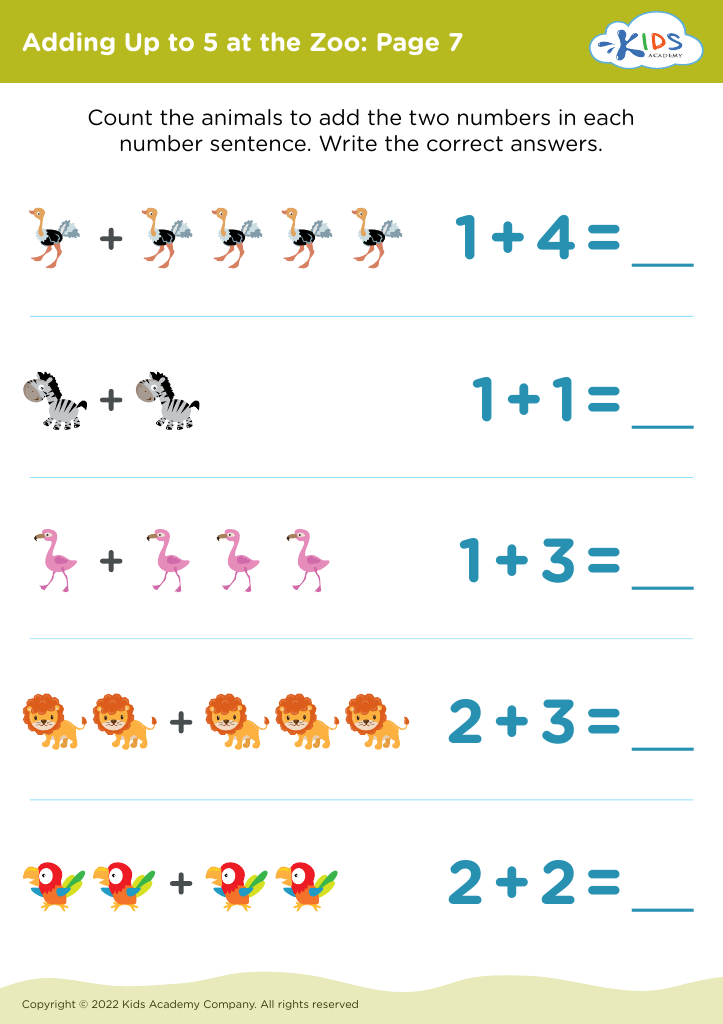
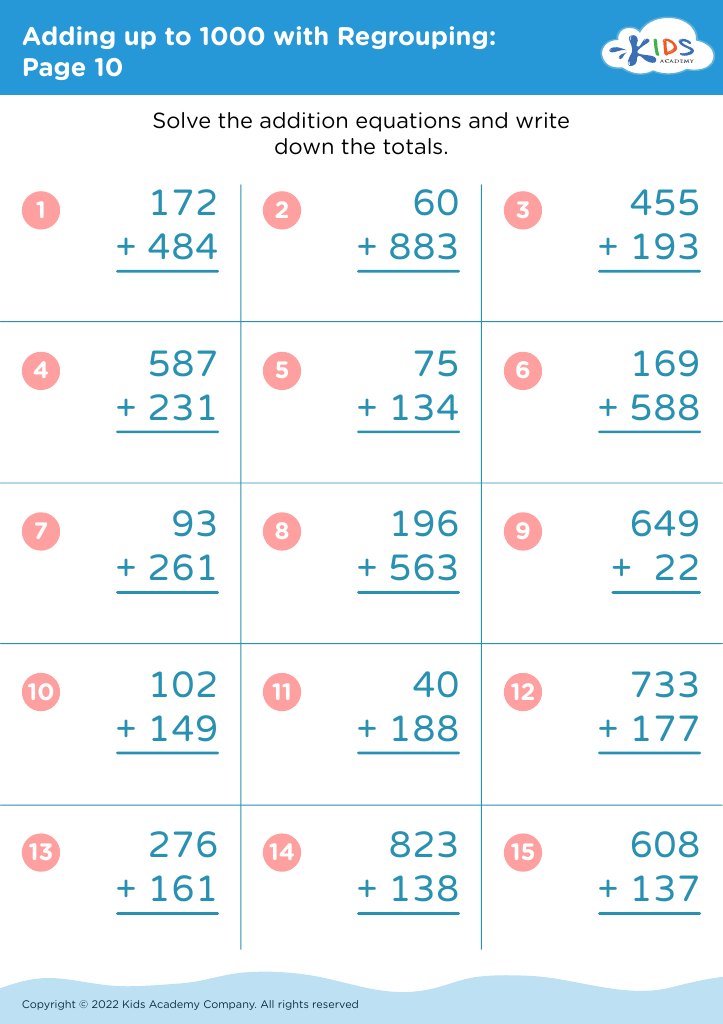
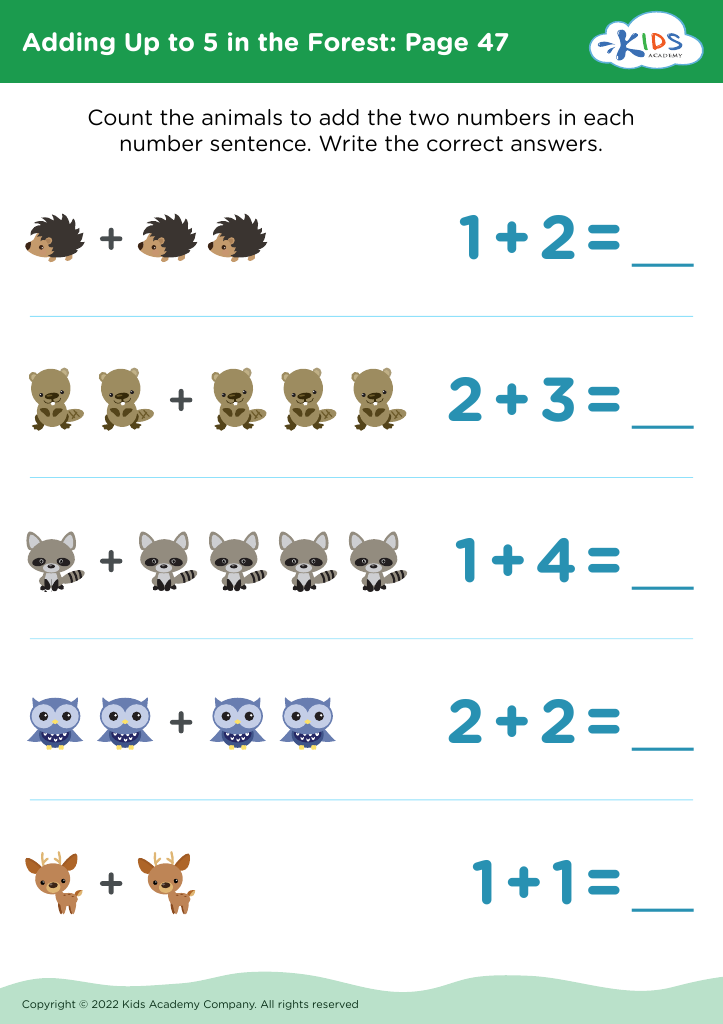
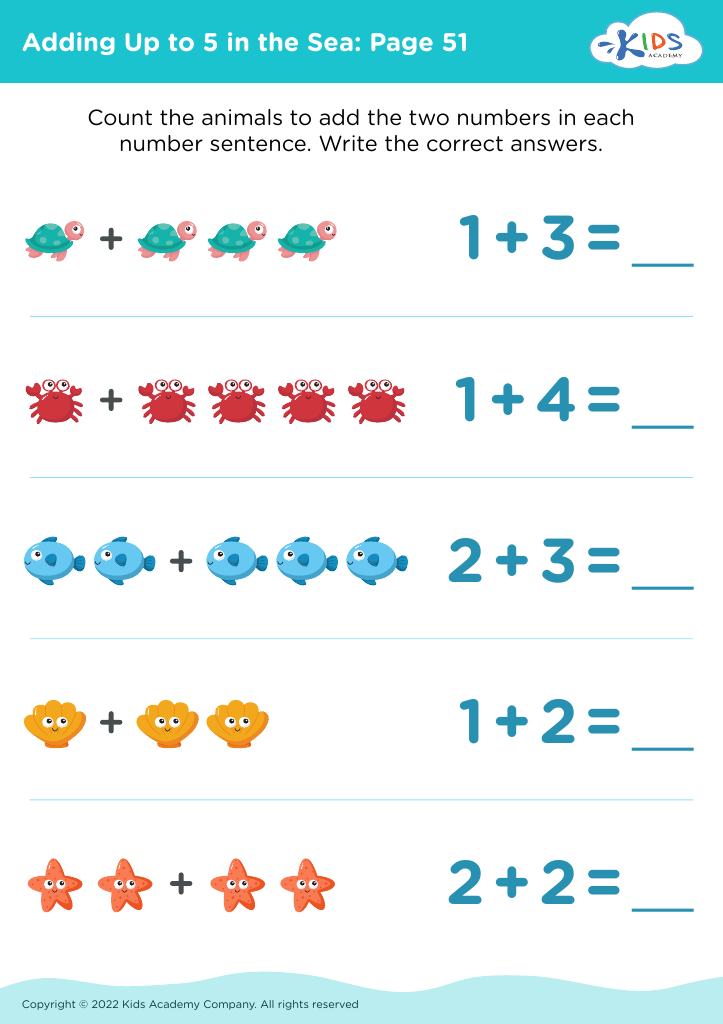
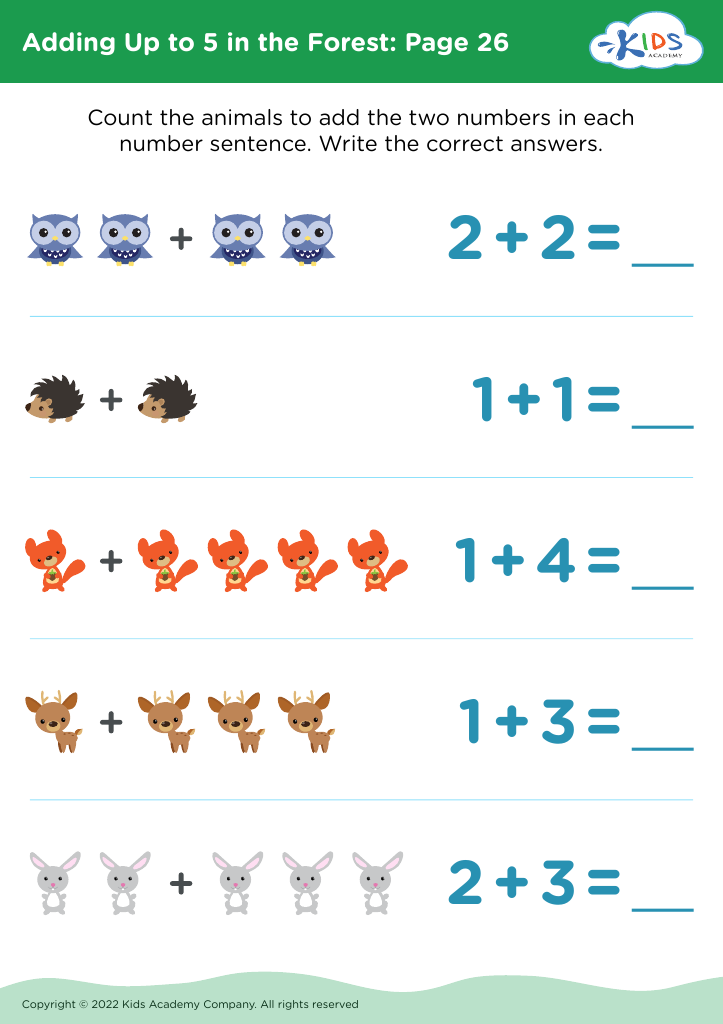
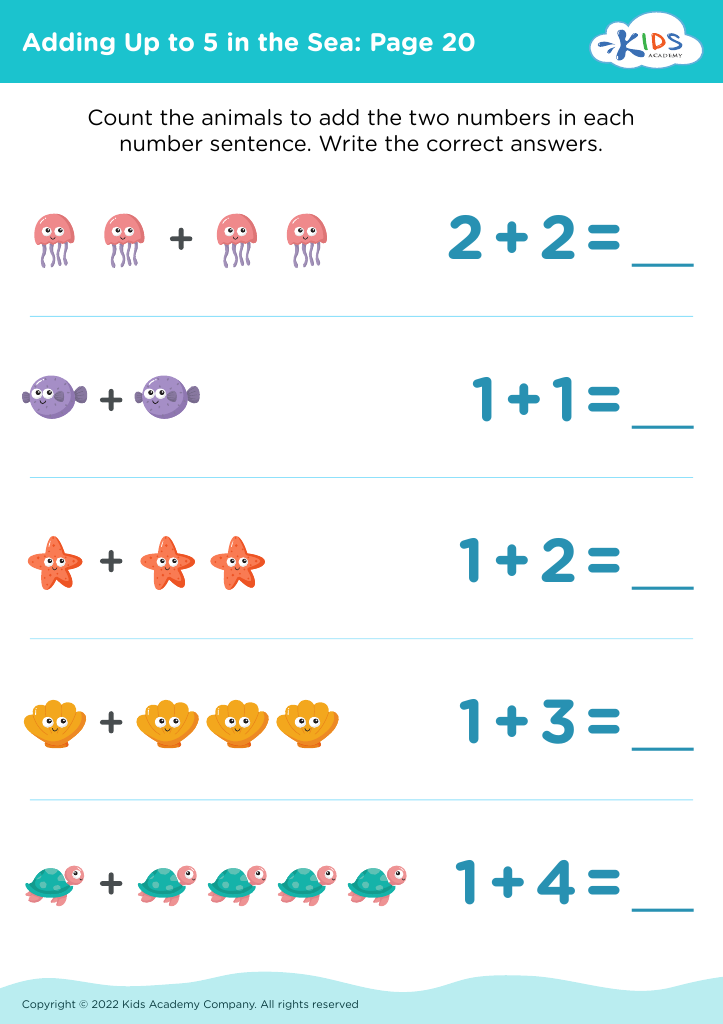
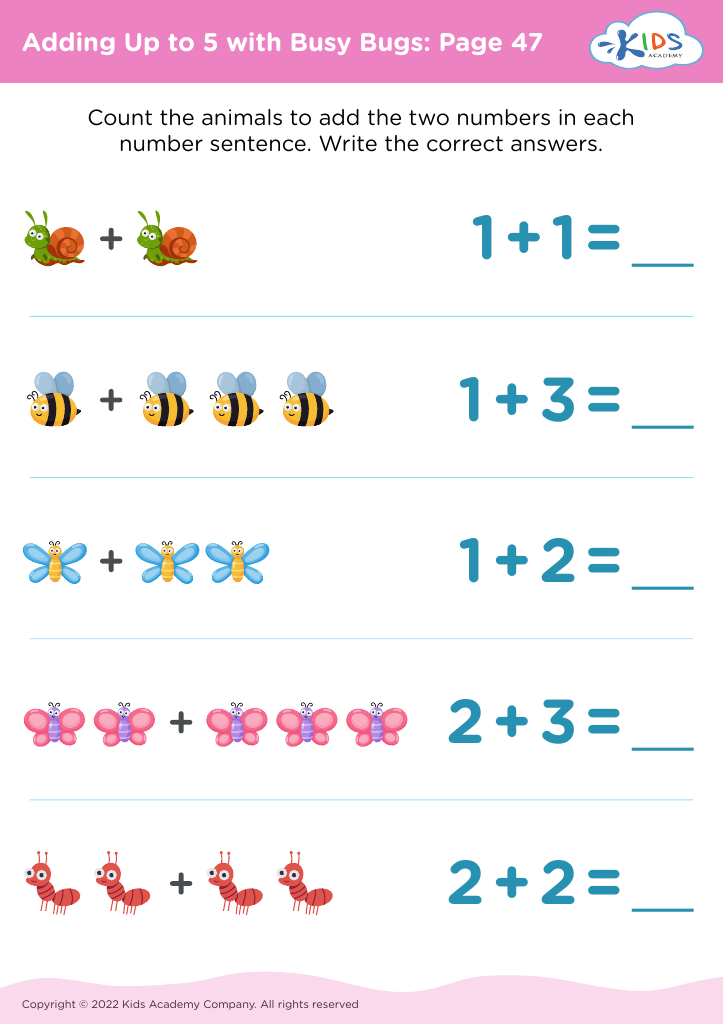
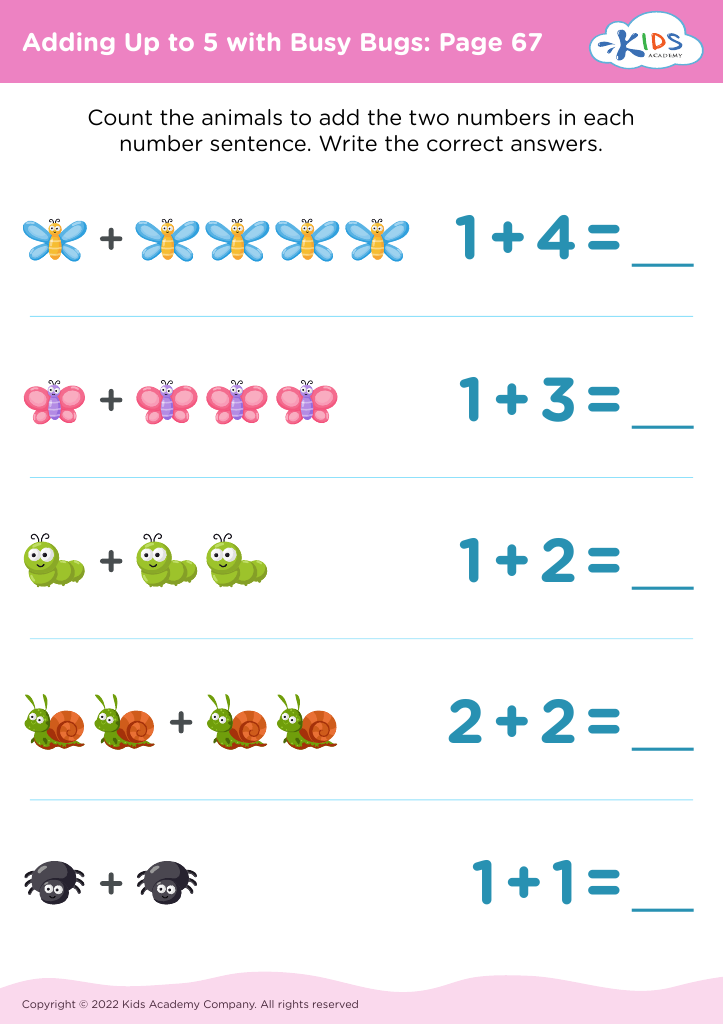
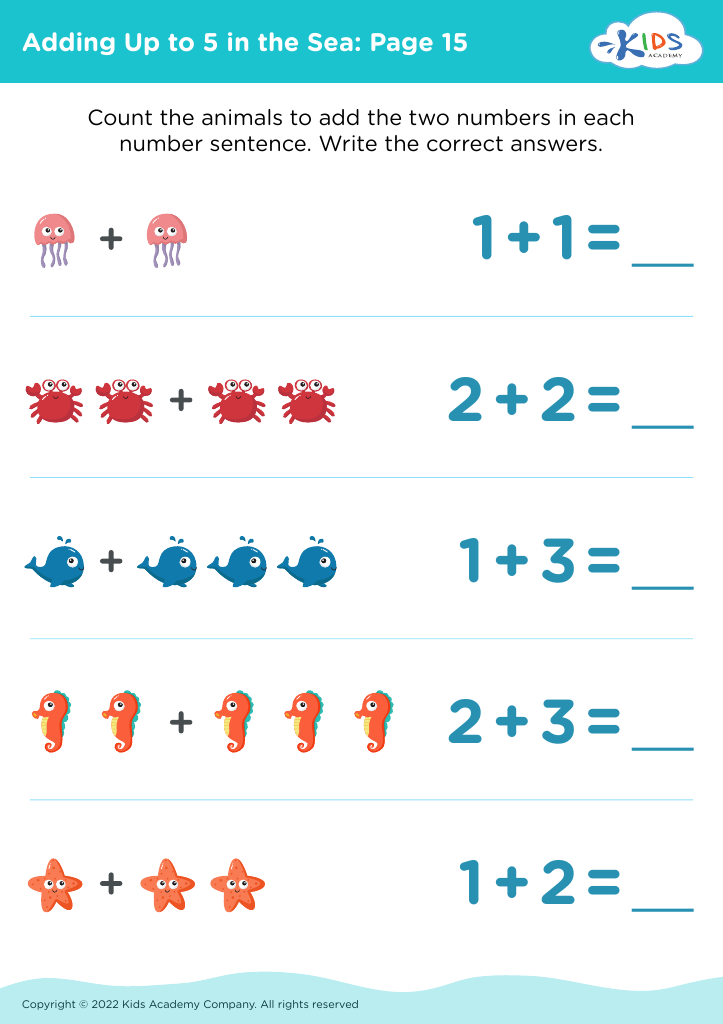
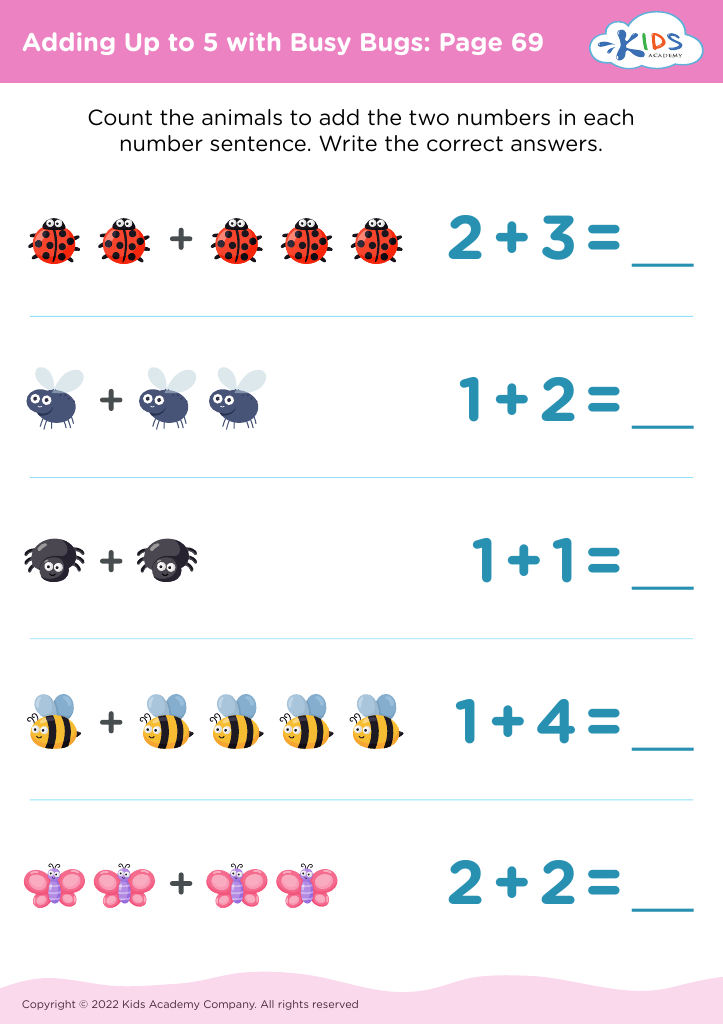
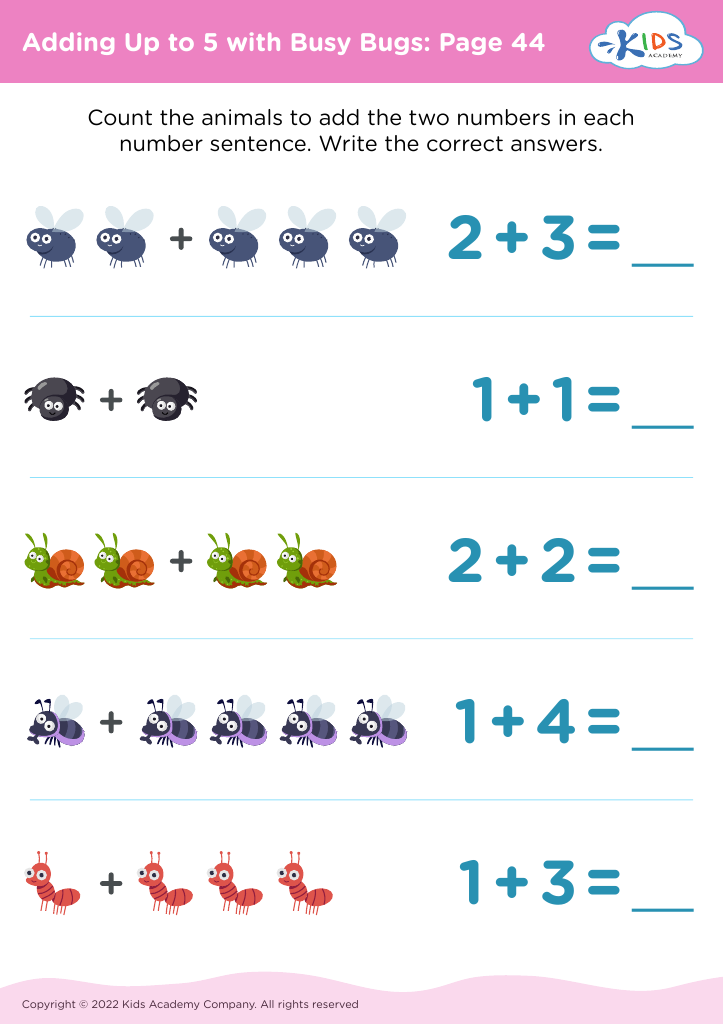
Enhance your child's focus and arithmetic skills with our Improving Concentration Addition Worksheets designed specifically for ages 4-8. These engaging and interactive worksheets provide fun exercises that challenge young learners to master addition while honing their concentration capabilities. Each worksheet includes colorful visuals and age-appropriate problems to keep children motivated and focused on their tasks. By incorporating these effective resources into your child’s learning routine, you will not only boost their addition skills but also sharpen their attention spans. Perfect for home or classroom use, these worksheets are a valuable tool for fostering both mathematical understanding and concentration essential for future success.
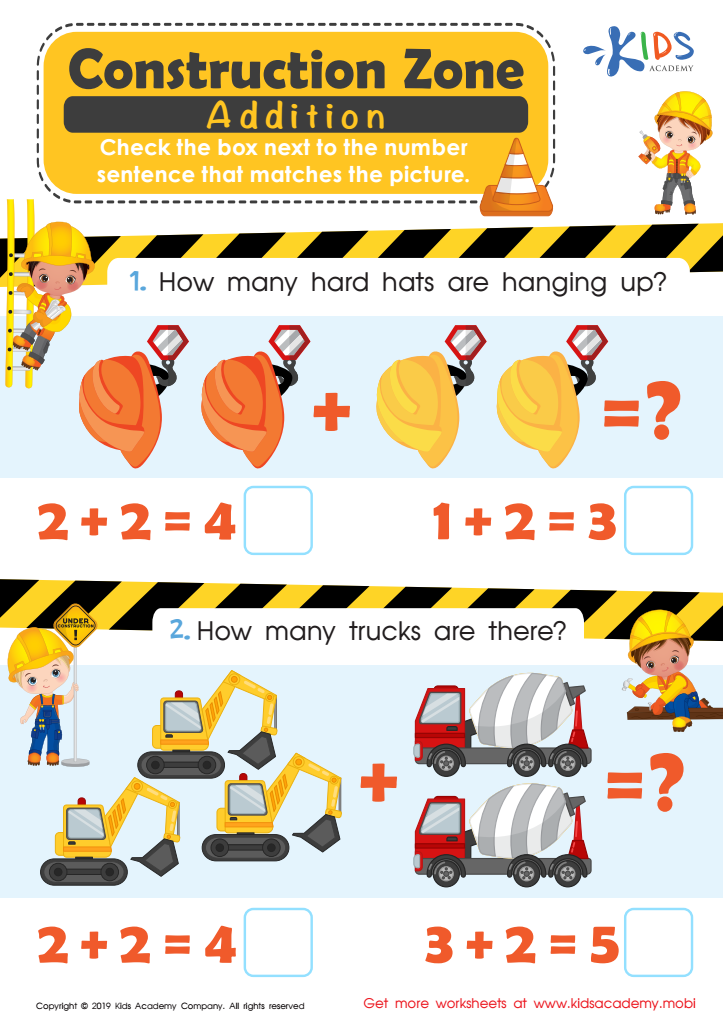
Construction Zone Addition Worksheet
 Assign to My Students



.jpg)





Improving concentration in young children, particularly in ages 4-8, is crucial for various reasons. During this developmental stage, children are rapidly acquiring new skills and information, making concentration a foundational skill that supports learning. Enhanced focus enables children to better engage with educational activities, grasp new concepts, and successfully complete tasks, paving the way for academic success in later years.
Furthermore, strengthening concentration skills helps children develop patience and persistence, important traits not only for learning but for social interactions and everyday life. When children learn to concentrate, they develop a greater ability to resist distractions, manage their time, and stay committed to tasks, contributing positively to their study habits and self-discipline.
Parents and teachers play pivotal roles in fostering concentration by creating supportive and stimulating environments. Engaging in activities that promote attention such as interactive games, structured routines, and mindfulness exercises can significantly enhance concentration. This focus, in turn, leads to higher self-esteem and confidence, as children successfully navigate learning challenges. Therefore, prioritizing concentration development ensures that children not only excel academically but also develop essential life skills that will benefit them for years to come.








