Time conversion skills Addition Worksheets for Ages 4-8
3 filtered results
-
From - To
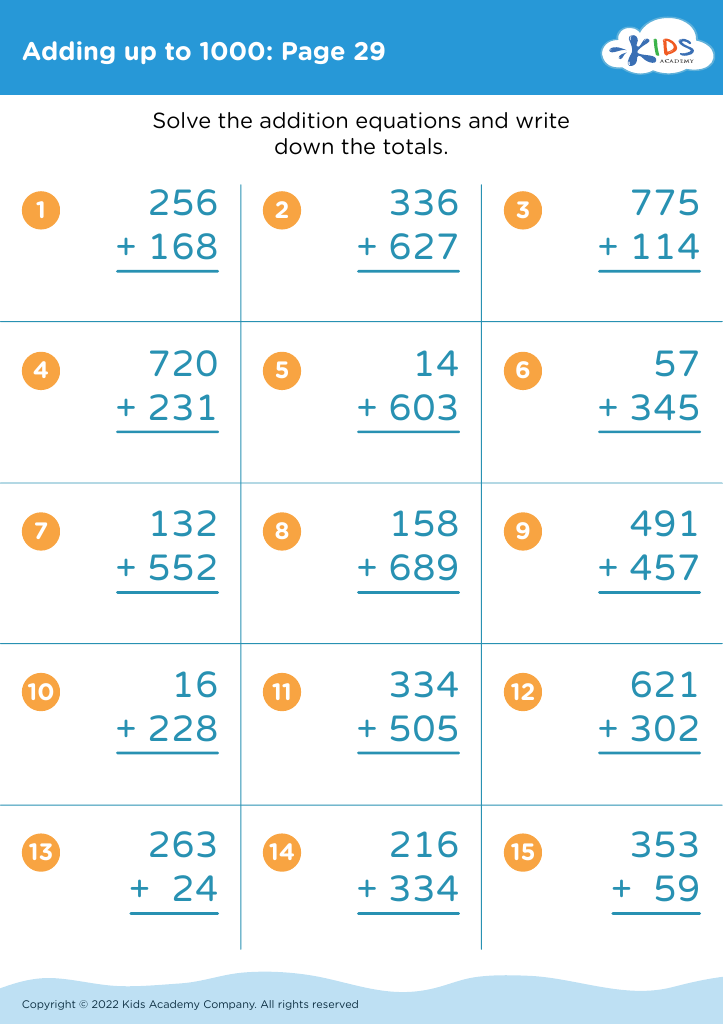
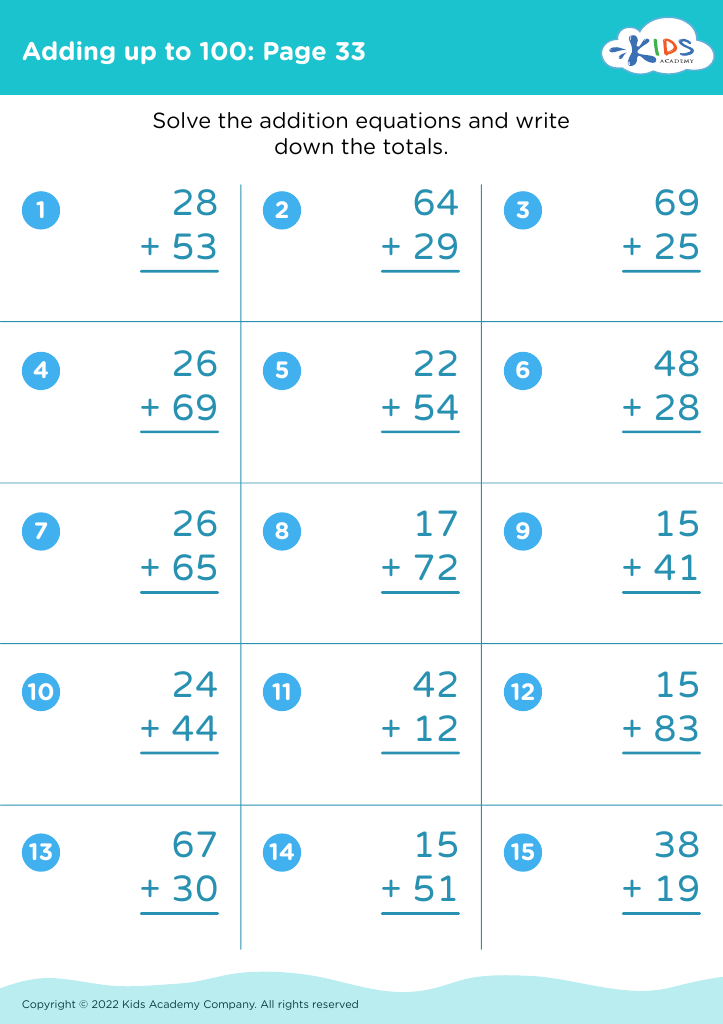
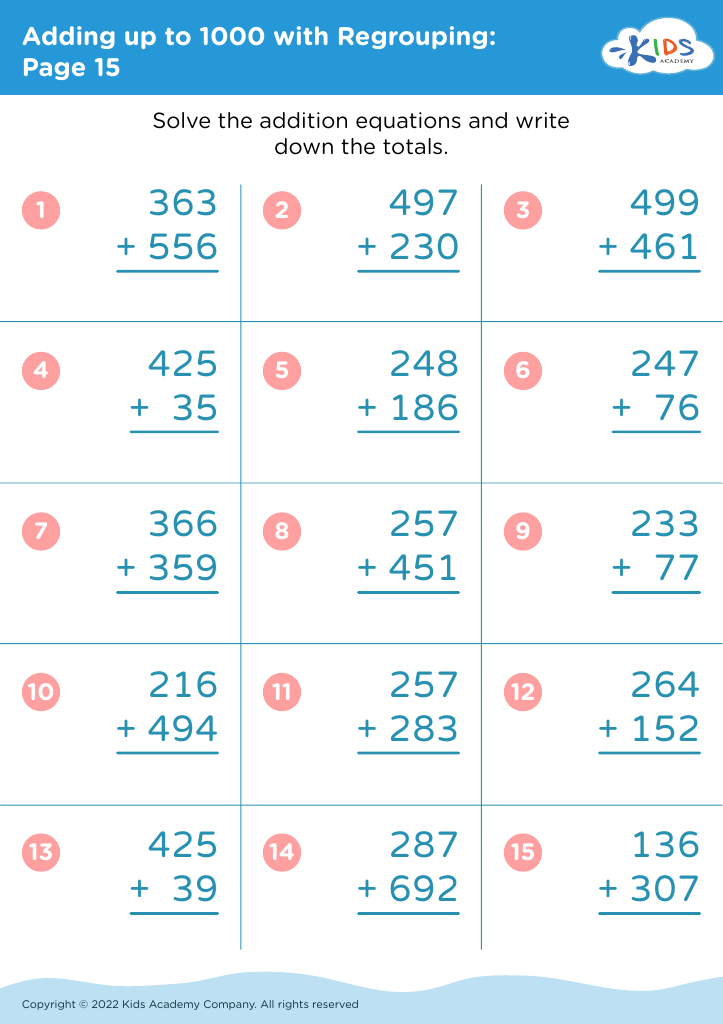
Boost your child's mathematical confidence with our Time Conversion Skills Addition Worksheets, tailored for kids aged 4-8. These engaging printable activities focus on building essential time conversion and addition skills. Each worksheet is designed to be fun and easily understandable, fostering both independent learning and parental involvement. Whether distinguishing between minutes and hours or adding them up, these exercises provide a comprehensive introduction to time management. Perfect for classroom or home use, our worksheets are an excellent resource for establishing a strong mathematical foundation while making learning an enjoyable experience. Unlock your child's potential today!








Teaching time conversion skills and basic addition to children aged 4-8 is crucial for several developmental reasons. Firstly, understanding time helps young children grasp the concept of daily routines, which is essential for managing activities both in school and at home. It imposes a sense of order and predictability, crucial for emotional and psychological stability.
Time conversion skills are math-based, enhancing cognitive skills. When children learn to convert time units, such as freezing several minutes or recognizing 'half-past' an hour, they delve into basic fraction concepts. These early lessons are foundational for later, more complex mathematical subjects. Addition, similarly, is one of the fundamental building blocks of mathematics. It fosters logical thought patterns, problem-solving skills, and understanding relationships between numbers, paving the way for advanced computations in later years.
Moreover, integrating these skills in play-based learning or everyday activities makes learning engaging and practical. For example, asking them to help you measure baking times or count minutes till bedtime can make these abstract concepts tangible.
Investing time in teaching these skills at an early age not only supports academic achievement but also enhances the child's confidence and independence, contributing to their overall development and future competency in various life skills.








