Understanding seasons Addition Worksheets for Ages 4-8
3 filtered results
-
From - To
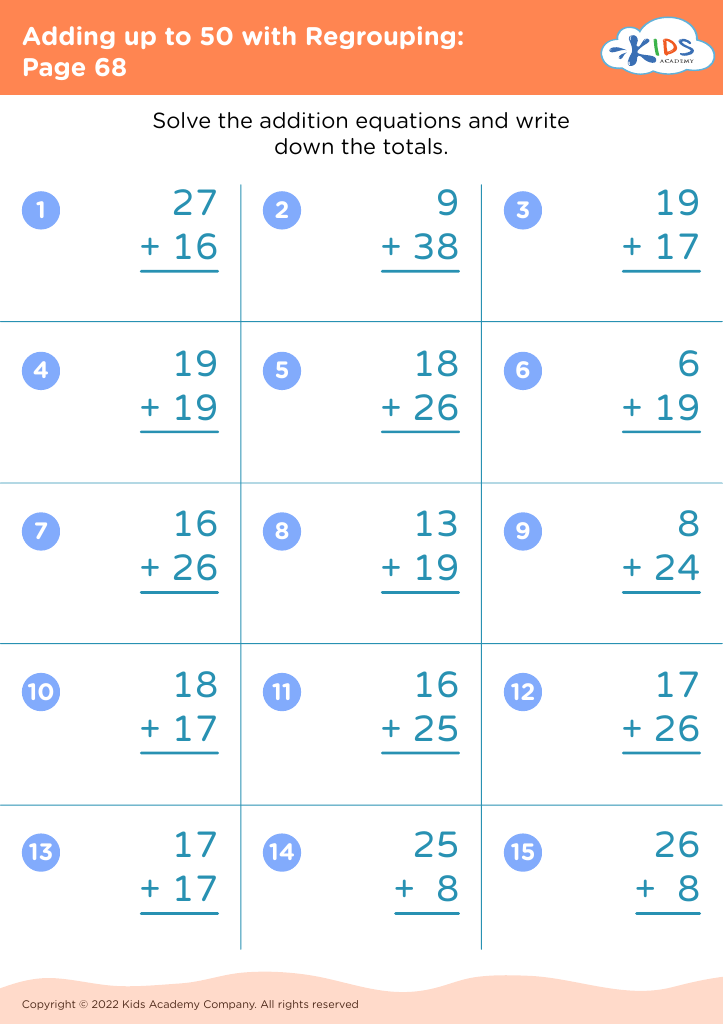
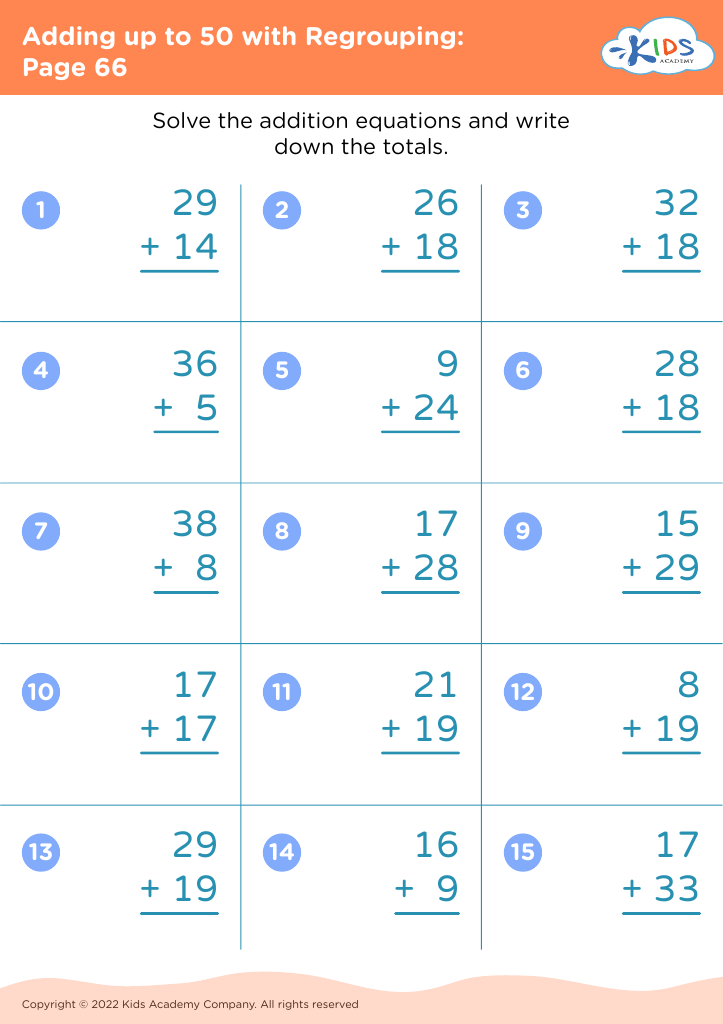
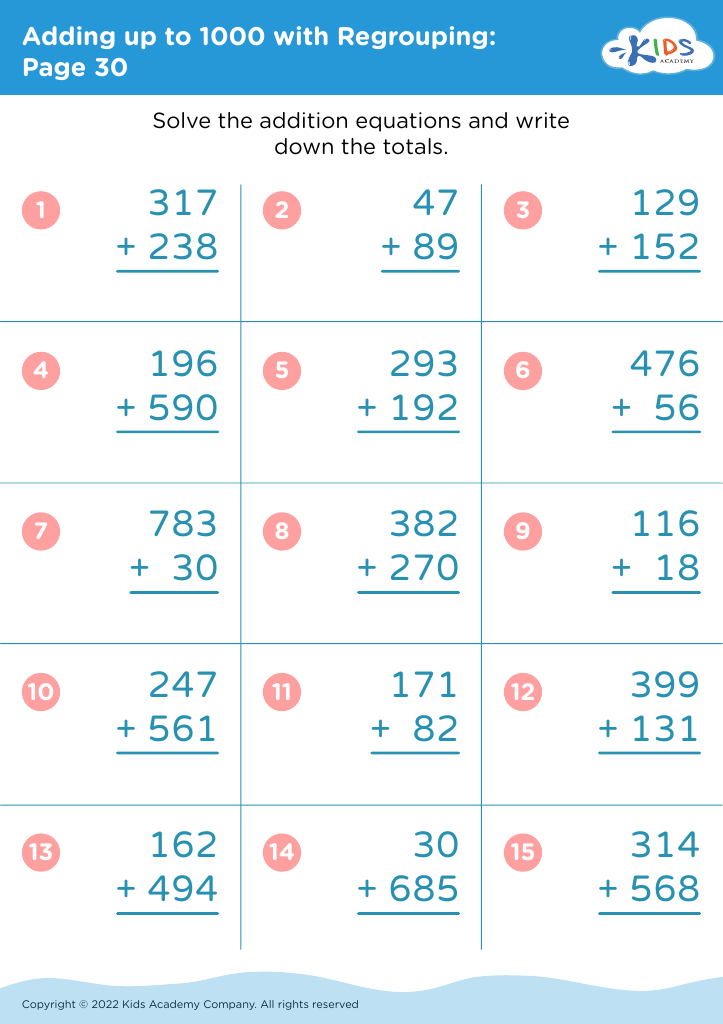
Welcome to our "Understanding Seasons Addition Worksheets" for children ages 4-8! These engaging worksheets combine the joy of learning about seasons with essential math skills, making addition fun and relevant. Designed to captivate young minds, students will explore seasonal themes while mastering addition concepts. Each worksheet is tailored to enhance early math skills, encouraging problem-solving and critical thinking through interactive, age-appropriate activities. Perfect for homeschooling, classroom use, or supplemental learning, our resources build a strong foundation for math fluency. Dive into this seasonal adventure and watch your child flourish in their math abilities while enjoying the beauty of nature's changing cycle!







.jpg)
Understanding seasons is essential for young children ages 4-8 as it enriches their awareness of the world around them. Teaching about seasons fosters curiosity and encourages outdoor exploration, enabling children to observe and appreciate natural changes, such as weather patterns, plant growth, and animal behaviors. It also lays the groundwork for broader scientific understanding.
Moreover, integrating concepts of seasons with basic addition enhances cognitive development through cross-disciplinary learning. Children can engage in activities like counting seasonal items (e.g., leaves, snowflakes, or flowers) which reinforces both math skills and seasonal knowledge. Engaging in these playful, hands-on experiences makes learning enjoyable and memorable.
Parents and teachers play a crucial role in shaping children's understanding of these concepts. By involving them in seasonal activities—like creating a weather chart or counting seasonal fruits—adults nurture critical thinking and decision-making skills. Additionally, recognizing the rhythm of nature helps children develop a sense of time and responsibility, as they learn about planting cycles or seasonal traditions.
Caring about seasons is, therefore, not merely an academic exercise; it connects children to their environment, enhances their math skills, and encourages curiosity, ultimately enriching their overall learning experience.








